

What is canine diabetes insipidus? — Why is my dog drinking too much water?
Canine diabetes insipidus is an endocrine disorder characterized by excessive thirst and frequent urination. Early recognition and accurate diagnosis are crucial.
What is canine diabetes insipidus?
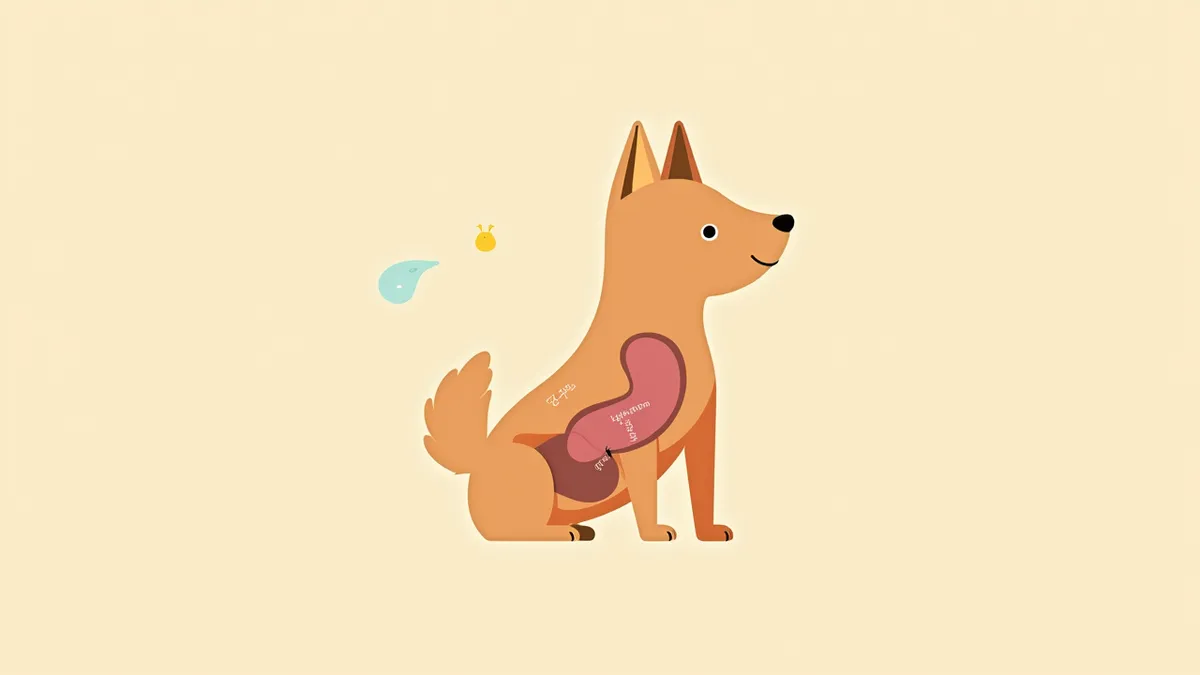
What are the main causes of diabetes insipidus?
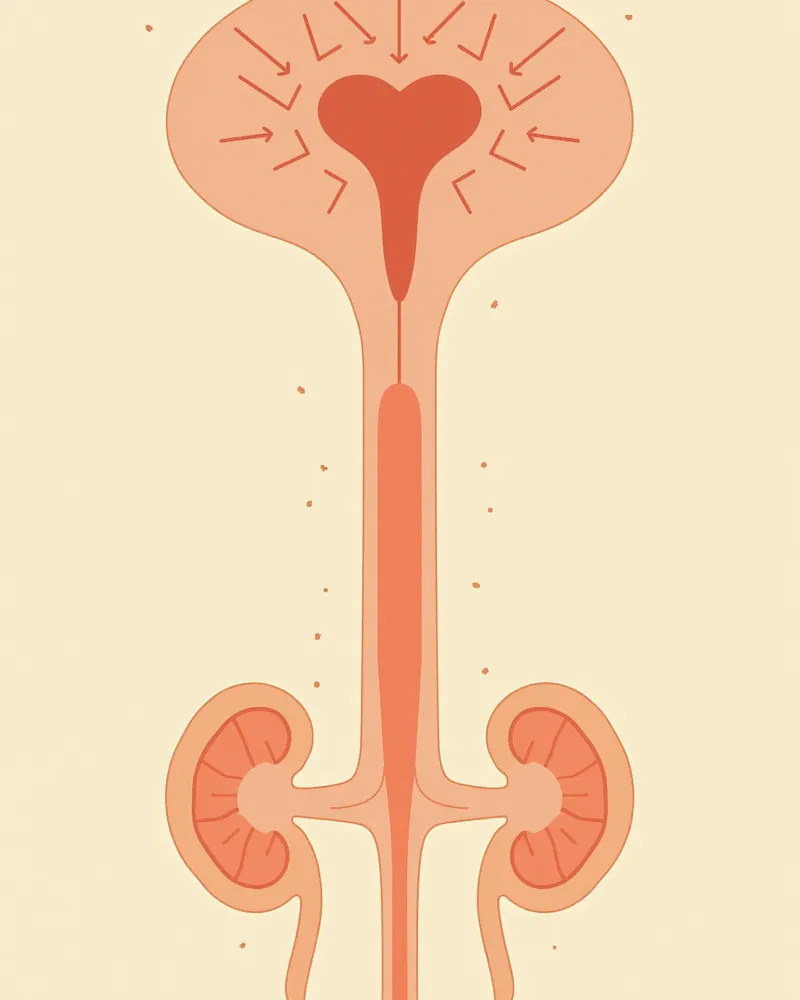
What are the main symptoms of diabetes insipidus?

Signs that require an immediate veterinary visit
If your dog drinks more than 100 ml of water per kilogram of body weight per day, or urinates excessively in frequency or volume, it’s a good idea to have them checked at a veterinary clinic. Severe dehydration can reduce blood volume and lead to neurological issues, such as impaired brain function.
Diagnostic tests for an accurate diagnosis

Treatment methods and management

Prevention and daily management tips

Comparison of characteristics by diabetes insipidus type
| Item | Cause | Main symptoms | Treatment |
|---|---|---|---|
| Central diabetes insipidus | Antidiuretic hormone deficiency | Drinking a lot of water and excessive urination | Administration of hormone medication |
| Nephrogenic diabetes insipidus | Reduced kidney response | Increased water intake, risk of dehydration | Dietary control, drug therapy |
Because treatment differs by type, an accurate diagnosis is essential.
Reviewed by a veterinarian

Dr. Tony — Punnawat Phongkittirak
VeterinarianA veterinarian who majored in veterinary medicine at Khon Kaen University, Thailand, and completed the IVSA program at North Carolina State University in the United States. Drawing on clinical experience at animal hospitals, he works in the pet healthcare field and is dedicated to building a digital care environment that connects pet parents with veterinarians.
Reviewed 2026-06-01
Frequently asked questions
Is it normal for my dog to drink a lot of water?
Is diabetes insipidus treatable?
Can diabetes insipidus be genetic?
Can diabetes insipidus cause organ damage?
Is diabetes insipidus contagious to other dogs?
Share
Related Guides

Top 5 Prescription Dog Foods for Diabetes Recommended by Veterinarians — Blood Sugar-Stabilizing Food Comparison

7 Key Products for Managing Feline Hypercalcemia Recommended by Veterinarians and Selection Criteria

7 Key Points for Canine Thyroid T4 Testing by Veterinarians — From Timing to Result Interpretation

Feline Coccidia FAQ — Key Information Every Pet Owner Should Know

Dog Tooth Brushing Training FAQ — Key Points for Pet Owners

Dog Tongue and Lip Lesions FAQ — Key Information Every Pet Owner Should Know

Dog Tooth Extraction Aftercare FAQ — Key Points Pet Owners Must Know

Dog Oral Squamous Cell Carcinoma FAQ — Key Information for Pet Owners

Canine Oral Papilloma FAQ — Key Information for Pet Owners

Dog Oral Tumors (Overview) FAQ — Key Information Every Pet Owner Should Know
References
[1] Rancan, F. et al. (2013). Structural Diseases in Brachycephalic Dogs: A Multi-Systemic Approach. Canine and Feline Respiratory Medicine, 3rd Edition.
[2] Packer, R.M.A. et al. (2015). Inter-observer agreement in the diagnosis of canine endocrine disorders. Journal of Small Animal Practice, 56(4): 198–205.
[3] DiBartola, S.P. et al. (1983). Clinicopathologic manifestations of progressive renal disease in Lhasa Apso and Shih Tzu dogs. Journal of the American Veterinary Medical Association, 180(6): 658–664.