Like
Share
멍실장
고양이 세균성 방광염 자주 묻는 질문 Q&A — 보호자가 꼭 알아야 할 핵심

Frequently Asked Questions About Feline Bacterial Cystitis — Key Information for Pet Owners

UrinaryQ&AMeongsiljang Veterinary Advisory Board

Bacterial cystitis in cats is a condition where bacteria invade the bladder, causing inflammation, with difficulty urinating and pain being the main symptoms. Early detection and appropriate treatment are crucial.

What is Feline Bacterial Cystitis?
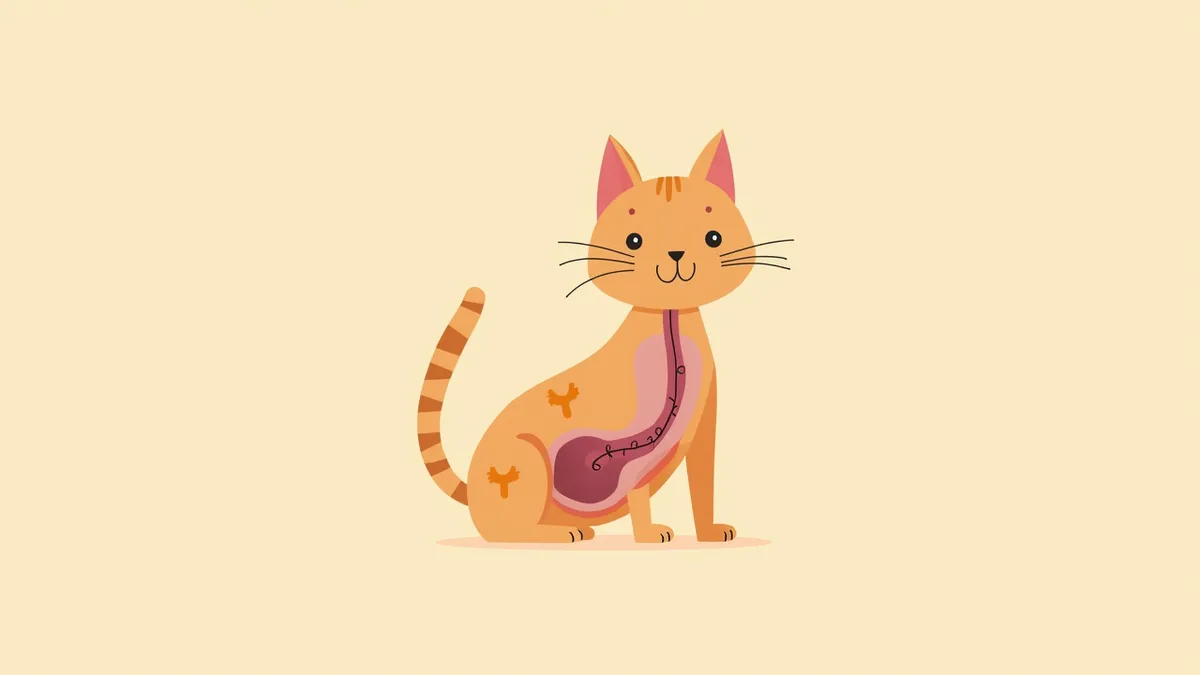
An anatomical illustration showing bacterial invasion in a cat's bladder
Feline bacterial cystitis is an inflammatory condition caused by bacterial invasion of the bladder, most commonly due to Escherichia coli, Enterococcus, or Staphylococcus. - Causes of cystitis: When bacteria enter the bladder via the urinary tract, the mucosal lining becomes inflamed and painful, causing discomfort during urination. - Symptom characteristics: Cats may frequently visit the litter box but pass only small amounts of urine, strain while urinating, or exhibit hematuria (blood in the urine). - Risk factors: Advanced age, weakened immunity, urinary tract abnormalities, stress, and obesity can increase the risk of infection. - Need for diagnosis: Early detection is crucial; urine analysis and culture are necessary to identify the specific cause. - Importance of treatment: Without timely treatment, symptoms may persist or recur, and in rare cases, the infection can spread to more severe conditions.

Why Do Cats Get Bacterial Cystitis?

The primary cause of bacterial cystitis in cats is bacterial invasion of the bladder. This can occur when a urinary tract infection spreads or when bacteria are introduced following urinary procedures, such as catheterization. Additional risk factors include weakened immunity, advanced age, and long-standing urinary tract disorders. Emotional stress from factors like environmental changes or living in multi-cat households can also exacerbate symptoms, as incomplete bladder emptying creates an environment conducive to bacterial growth. To pinpoint the exact cause, a urine culture test is essential.
A medical chart explaining the risk factors for bacterial cystitis in cats.

What Are the Main Symptoms?

The main symptoms of bacterial cystitis in cats include difficulty urinating and frequent trips to the litter box with only small amounts of urine produced. Cats may also cry or show signs of pain while urinating. The urine may appear blood-tinged or have a strong odor. In severe cases, cats may be unable to urinate at all or may urinate outside the litter box. This occurs because the bladder becomes overly tense, causing pain. Early recognition improves treatment success rates.
A cat showing signs of pain while urinating

Signs That Require Immediate Veterinary Visit

If your cat hasn’t urinated for more than 12 hours, or if they’re straining in the litter box with no urine coming out, seek veterinary care immediately. This could be a urinary tract obstruction, a condition where the bladder is blocked and urine cannot be expelled. This is a life-threatening emergency, so do not wait. Additionally, if your cat’s urine turns red or black, or if they collapse as if in shock, these are also signs of a medical emergency requiring immediate attention.

How Is an Accurate Diagnosis Made?

Bacterial cystitis in cats is diagnosed through urinalysis. We collect a urine sample to check for bacteria, white blood cells, and blood, and if necessary, perform a urine culture to precisely identify the specific bacteria involved. We also use ultrasound or radiographic imaging to assess the bladder’s condition and check for any abnormalities in the urinary tract. Relying solely on symptoms can lead to confusion with conditions like bladder cancer or urinary stones, so an accurate diagnosis is the essential first step toward effective treatment.
A veterinarian examining a cat’s urine sample under a microscope.

How Is It Treated?

Treatment for bacterial cystitis in cats is tailored using antibiotics based on urine culture results. - Antibiotic Use: Consistent administration as prescribed by a veterinarian is essential to prevent recurrence. The duration of treatment varies depending on clinical judgment and may be as short as 3–5 days in some cases. - Treatment Protocol: In addition to antibiotics, pain relievers or bladder protectants may be used concurrently. - Monitoring: Carefully record urine volume, urination frequency, and any difficulty urinating during treatment. - Do Not Discontinue Treatment: Stopping medication prematurely can allow bacteria to persist and cause recurrence, so complete the full course as prescribed. - Follow-up Testing: It is important to confirm treatment efficacy with a post-treatment urine test.
A veterinarian administering medication to a cat.

Home Care Management

To prevent recurrent bacterial cystitis in cats, increasing water intake is key. Change the water frequently, and consider using a fountain-style water bowl or a flowing water device. Keep the litter box clean and provide multiple boxes in comfortable, accessible locations. Maintaining a consistent routine and a stable environment is also important to reduce stress. Dietary management can help as well, so consider a special diet recommended by your veterinarian.
A cat space with a clean litter box and a water fountain-style water bowl

Symptoms and Responses by Severity: Mild vs. Moderate vs. Severe

ItemKey signsResponse
MildFrequent trips to the litter box but little urine, slight discomfortIncrease water intake, start antibiotics
ModerateDifficulty urinating, crying or a pained expression, blood in urineUrine culture test, start specialized treatment
SevereNo urine at all, state of shock, collapseEmergency hospital visit, urinary catheter insertion needed

If symptoms worsen, an immediate visit to the hospital is needed.

Points to Note

Never abruptly stop antibiotics in a cat currently undergoing treatment, as this can lead to relapse or the development of antibiotic-resistant bacteria. Additionally, if your cat is unable to urinate for more than 12 hours, seek immediate veterinary care. A blocked bladder is life-threatening, making prompt intervention essential.

Reviewed by a veterinarian

Dr. Tony — Punnawat Phongkittirak

Dr. Tony — Punnawat Phongkittirak

Veterinarian

A veterinarian who majored in veterinary medicine at Khon Kaen University, Thailand, and completed the IVSA program at North Carolina State University in the United States. Drawing on clinical experience at animal hospitals, he works in the pet healthcare field and is dedicated to building a digital care environment that connects pet parents with veterinarians.

Frequently Asked Questions

Can bacterial cystitis in cats be transmitted to humans?
No, bacterial cystitis in cats is not contagious to humans. However, since bacteria such as E. coli can also cause infections in people, it’s important to take precautions when handling your cat’s urine.
Does it tend to recur frequently?
Yes, cats that are prone to stress, obesity, live in multi-cat households, or have endocrine disorders are at a higher risk of recurrence. Regular check-ups and environmental improvements are essential.
Can I perform a urine test at home?
While some home urine test kits are available, an accurate diagnosis requires a veterinarian to perform a urine culture. Please use these kits only for reference.
Can dietary management help?
Yes, special diets recommended by veterinarians can help improve the bladder environment and inhibit bacterial growth. It's essential to follow a professional's advice.
Can antibiotics be ineffective?
Yes, antibiotic-resistant bacteria can develop. It’s important to choose the right medication based on urine culture results, so if you don’t see improvement during treatment, please return to the clinic for a follow-up.

Share

Related Guides

References

[1] The Cat, Clinical Medicine and Management, 2nd Edition, Elsevier, 2017

[2] Plumb's Veterinary Drug Handbook, 9th Edition, Wiley-Blackwell, 2021

[3] Feline Lower Urinary Tract Disease: A Comprehensive Guide, American Veterinary Medical Association, 2020

This information is based on veterinary literature and does not replace diagnosis or treatment. Please consult a veterinarian for specific health concerns.

Metapet Co., Ltd. | CEO: Park Sung-yong | Business Reg. No. 417-88-02562 | Seoul, South Korea | Customer Center

Feline Bacterial Cystitis: 5 Frequently Asked Questions | Meongsiljang