

Treatment for Periodontal Disease Stages 1–4
We’ve outlined the stages of periodontal disease in dogs and cats, along with appropriate treatments for each stage. Early detection and stage-specific care are key to preserving your pet’s teeth.
What Are the Stages of Periodontal Disease? Key to Treatment for Stages 1–4
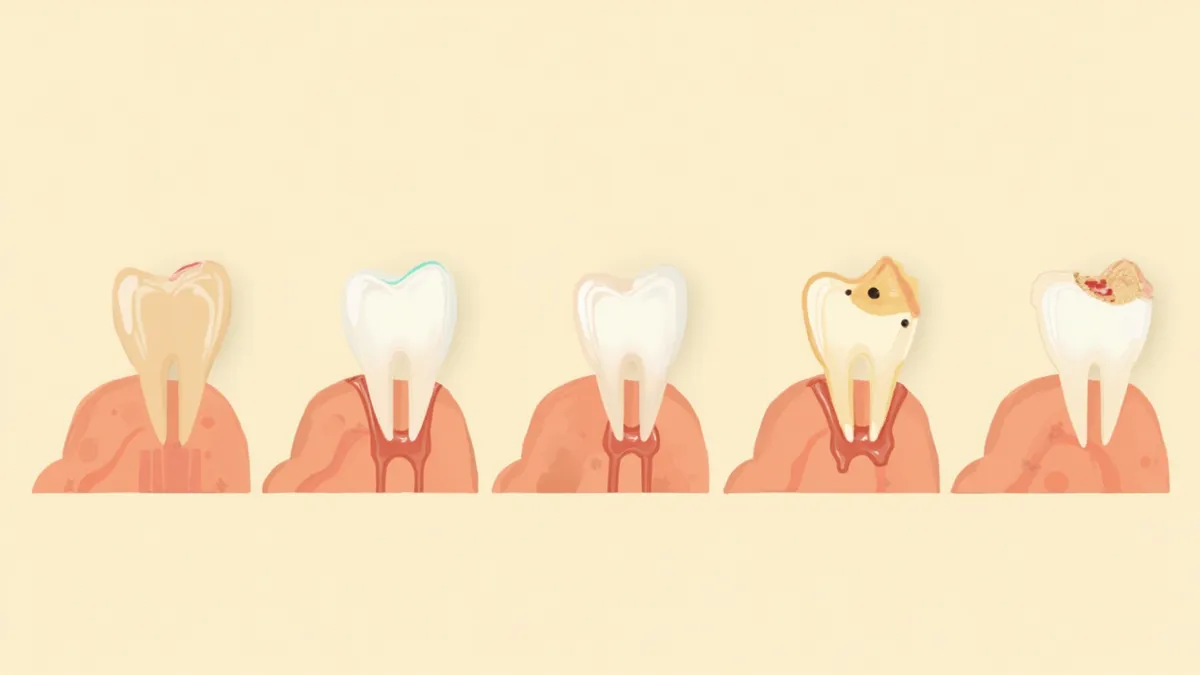
Why Periodontal Disease Is Divided into Stages
Comparison of Periodontal Disease Stages 1–4 at a Glance
| Item | Stage 1 gingivitis | Stage 2 early periodontitis | Stage 3 moderate | Stage 4 severe |
|---|---|---|---|---|
| Attachment loss | 0% | 25% or less | 25–50% | Over 50% |
| Alveolar bone resorption | None | Mild | Moderate | Severe |
| Gum condition | Redness and swelling | Bleeding, recession begins | Recession, root exposure | Mobility, abscess |
| Recovery possibility | Full recovery | Progression can be halted (bone loss irreversible) | Partial recovery (depends on surgery) | Consider extraction |
| Main treatment | Scaling and brushing | Scaling + root planing | Periodontal surgery, bone regeneration | Extraction, surgical treatment |
American Veterinary Dental College classification criteria
Stage 1 Gingivitis — Recovery with Scaling and Home Care

Stage 2 Early Periodontitis — Scaling + Root Planing
See These Signs? Schedule a Dental Checkup Immediately
Gums bleeding during brushing or a dental exam is one of the earliest signs of periodontal disease. If you notice bleeding, don’t brush it off—schedule a dental checkup as soon as possible. On the other hand, a sudden worsening of bad breath, chewing on only one side, or loose and falling teeth likely indicate advanced disease. If one side of the face swells or the area under the eye puffs up, it could be a periapical abscess, requiring immediate veterinary care. Cats, which are skilled at hiding pain, may already have severe disease if they’re drooling or eating less, so please have them checked promptly.
Stage 3 Moderate Periodontitis — Periodontal Surgery and Bone Regeneration

Stage 4 Severe Periodontitis — Why Extraction Is the Best Option
Additional Precautions by Breed and Age
Small-breed dogs (Yorkshire Terriers, Poodles, and Pomeranians) are prone to periodontal disease at a young age because their jaws are small relative to their teeth. Regular oral examinations are recommended for dogs aged seven years and older. Cats often develop tooth resorption lesions (TR) alongside periodontal disease, making it difficult to determine the disease stage without dental radiographs. For senior pets with heart or kidney disease, blood tests and an echocardiogram are essential before general anesthesia.
5 Daily Home Care Tips to Prevent Stage Progression

Reviewed by a veterinarian

Dr. Tony — Punnawat Phongkittirak
VeterinarianA veterinarian who majored in veterinary medicine at Khon Kaen University, Thailand, and completed the IVSA program at North Carolina State University in the United States. Drawing on clinical experience at animal hospitals, he works in the pet healthcare field and is dedicated to building a digital care environment that connects pet parents with veterinarians.
Reviewed 2026-04-19
Frequently Asked Questions
At what age should dental scaling begin?
Can periodontal disease be treated with scaling without anesthesia?
Can periodontal disease recur?
Won't my pet have trouble eating after a tooth extraction?
Can periodontal disease affect other organs?
Share
Related Guides

7 Best Cat Dental Chews for Tartar Prevention Recommended by Veterinarians and Selection Criteria

Top 5 Recommended Dental Treats for Dogs in 2026 — VOHC Certification Criteria

7 Criteria for Choosing Dog Tartar Prevention Dental Chews Recommended by Veterinarians

Frequently Asked Questions About Canine Tumor Immunotherapy — Key Information for Pet Owners

What is canine tumor staging? — Do you need a CT or an MRI?

Did the Dog’s Tumor Get Completely Removed? — Why Surgical Margin Assessment Determines Recurrence

Does spaying your dog help prevent mammary tumors? — Breakdown of risk by timing

What is the grade of a dog's mast cell tumor? — How do treatment and prognosis differ?

How is lymph node metastasis in dogs evaluated? — A summary of tests and result interpretation

What Are Hormone-Responsive Tumors in Dogs? — Essential Q&A for Progesterone and Neutering Owners
References
[1] Clinical Medicine of the Dog and Cat, 4th Ed — Periodontal Disease Chapter
[2] The Cat, Clinical Medicine and Management, 2nd Ed — Oral Cavity and Dental Disease
[3] American Veterinary Dental College (AVDC) — Periodontal Disease Classification