
Safety Guide for Dog Fresh Food and Homemade Diets (From Nutritional Balance to Hygiene)
Fresh food for dogs can pose serious risks of nutrient deficiencies or toxicities if the nutritional balance is off. We’ve outlined safe, homemade feeding guidelines based on veterinary nutrition standards.
What Is Fresh Food for Dogs?
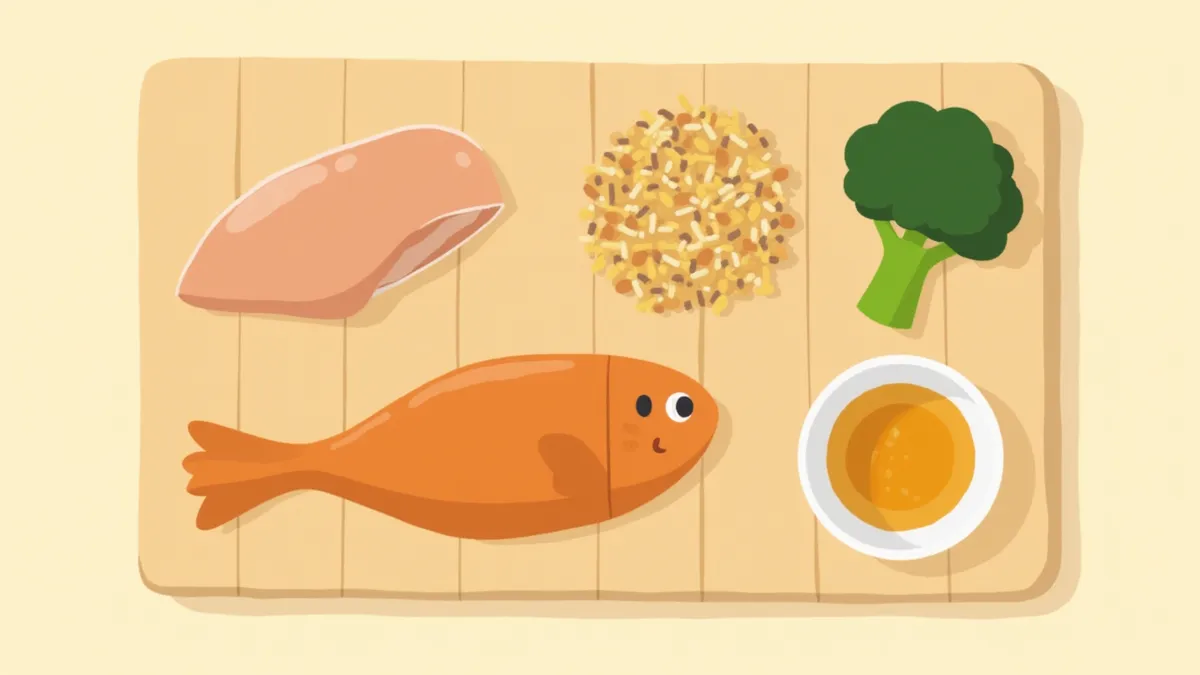
Why Is Fresh Food Gaining Attention?
Comparison of Fresh Food, Dry Kibble, and Wet Food
Comparison of Features by Feeding Method
| Item | Fresh food (homemade) | Dry food | Wet food (cans/pouches) |
|---|---|---|---|
| Moisture content | about 70–75% | about 6–10% | about 75–80% |
| Palatability | Very high | Moderate | High |
| Difficulty of nutritional balance | Very difficult | Easy (complete diet) | Easy (complete diet) |
| Storage/hygiene | Refrigerated 2–3 days | Long-term storage at room temperature | Refrigerated 2 days after opening |
| Cost | High | Low–medium | Medium–high |
| Recommended for | Owners who can design nutrition | Most healthy dogs | Palatability issues / need for water supplementation |
Fresh food is safest when the recipe is reviewed by a veterinarian or veterinary nutritionist.
Nutrients That Must Be Included in Fresh Food Formulation
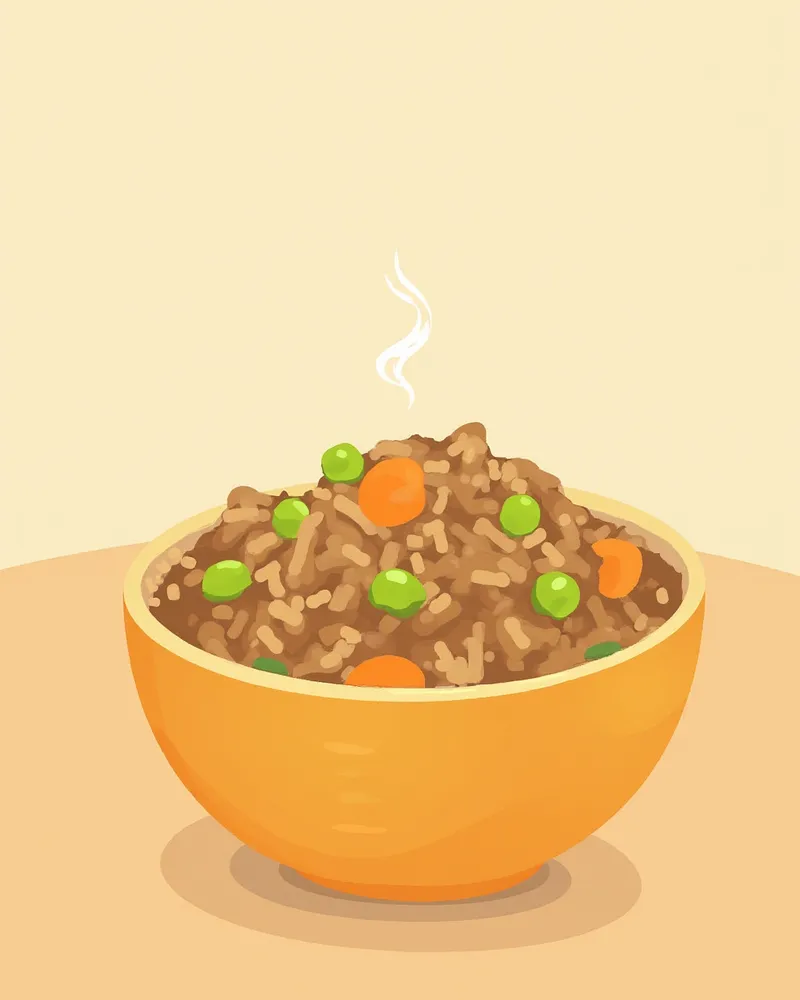
Essential Nutrient Checklist
동물성 단백질
근육·장기·면역 세포 구성
Dosage: 전체 칼로리의 25~30%
AAFCO 성견 최소 기준 18%
칼슘
뼈·치아 건강, 신경 전달
Dosage: 1,000kcal당 1g 내외
고기만 급여 시 결핍 위험 매우 높음
오메가-3 (EPA/DHA)
피부·관절·인지 기능
Dosage: 체중 1kg당 50~100mg
수의영양학 교과서 권장
타우린
심장 기능 유지
Dosage: 1,000kcal당 60mg 이상
일부 품종 심근증 연관 보고
아연·구리·망간
효소·피부·면역
Dosage: 미량 미네랄 믹스 필수
홈메이드에서 가장 자주 결핍
Ingredients That Must Never Be Included
Many ingredients that are safe for humans can be toxic to dogs. Onions, garlic, green onions, and chives destroy red blood cells and can cause anemia. Grapes and raisins can lead to acute kidney failure. Chocolate, caffeine, and xylitol are lethal even in small amounts. Macadamia nuts, walnuts, raw potato sprouts, avocado pits, and uncooked yeast dough are also dangerous. Avoid adding salt, sugar, and artificial flavorings, and never season your dog’s food.
How to Manage Hygiene and Storage
Transition to Fresh Food Gradually
When transitioning from your pet’s current food to a fresh diet, gradually increase the proportion over 7–10 days. For days 1–3, feed 75% old food and 25% fresh food; for days 4–6, switch to a 50:50 mix; and by days 7–10, fully transition to 100% fresh food. A sudden change can cause loose stools, vomiting, or decreased appetite. If diarrhea persists for more than three days during the transition, or if you notice blood in the stool or signs of dehydration, seek veterinary care immediately.
Dogs That Should Avoid Fresh Food
Reviewed by a veterinarian

Dr. Tony — Punnawat Phongkittirak
VeterinarianA veterinarian who majored in veterinary medicine at Khon Kaen University, Thailand, and completed the IVSA program at North Carolina State University in the United States. Drawing on clinical experience at animal hospitals, he works in the pet healthcare field and is dedicated to building a digital care environment that connects pet parents with veterinarians.
Reviewed 2026-04-27
Frequently Asked Questions
Does feeding only fresh food automatically make pets healthier than dry kibble?
Is raw meat (raw food) considered a fresh diet? Is it safe to feed?
I find it hard to prepare fresh meals every day. Is it okay to just add a small portion as a topper instead?
Do I really need to add supplements?
My pet’s stool has changed since switching to fresh food. Is this normal?
Share
Related Guides

My Senior Cat Won’t Eat — A Complete Guide to Choosing Food for Cats with Weak Digestion

Top 5 Prescription Diets for Feline Pancreatitis Recommended by Veterinarians — Low-Fat, Highly Digestible Food Guide

Royal Canin vs Hill’s vs Purina vs Orijen — Which Brand Is Right for Your Pet, According to Veterinarians?

Frequently Asked Questions About Feline Frequent and Urgent Urination — Key Points for Pet Owners

Feline Neurogenic Bladder FAQ — Key Information Every Pet Owner Should Know

Frequently Asked Questions About Feline Bladder Ultrasound — Key Information Every Pet Owner Should Know
Frequently Asked Questions About Feline Bladder Polyps and Tumors — Key Information for Pet Owners

Frequently Asked Questions About Feline Bacterial Cystitis — Key Information for Pet Owners

Canine Viral Upper Respiratory Infections FAQ — Key Information Every Pet Owner Should Know

Dog Tracheal Collapse FAQ — Key Information Every Pet Owner Should Know
References
[1] Fascetti AJ, Delaney SJ. Commercial and Home-Prepared Diets. Applied Veterinary Clinical Nutrition, 2nd Ed, Chapter 8
[2] Ettinger SJ, Feldman EC, Cote E. Nutritional Management. Clinical Medicine of the Dog and Cat, 4th Ed, Section V Chapter 25
[3] 미국사료관리협회(AAFCO) Dog Food Nutrient Profiles, 2024
[4] 미국국립연구위원회(NRC) Nutrient Requirements of Dogs and Cats, 2006