
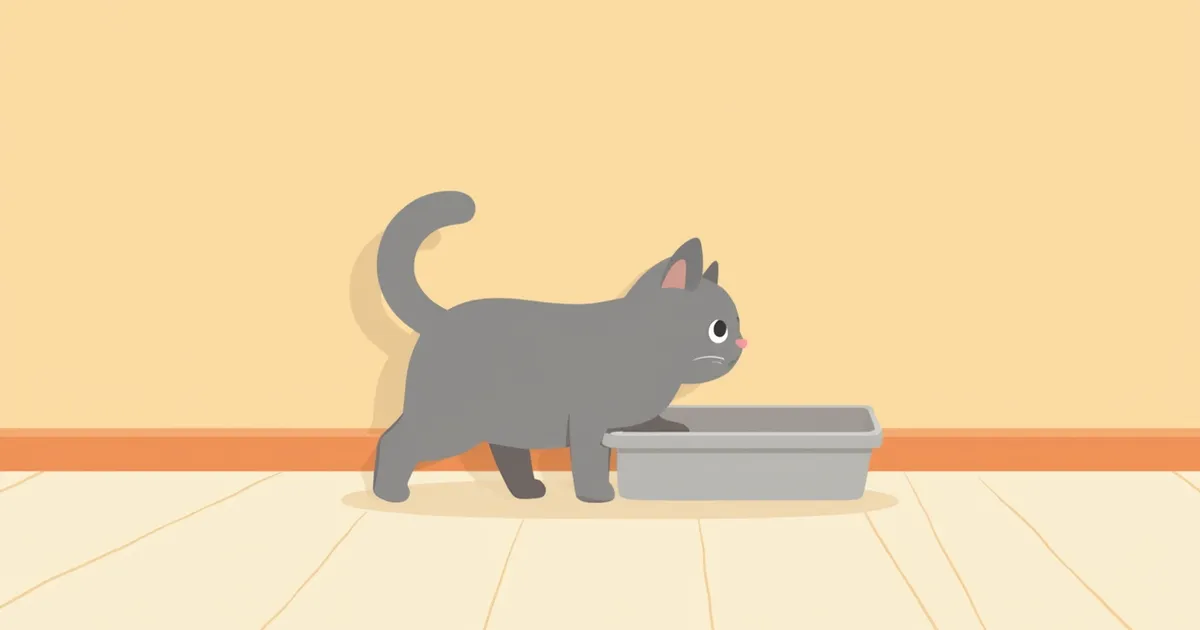
Senior Cat Litter Box Accessibility Guide: Why a Low-Entry Box Is Necessary
Senior cats often struggle to step over high litter box edges due to arthritis and muscle loss. We’ll show you how switching to a low-entry litter box (5 cm or less) can help prevent accidents.
What Is Senior Cat Litter Box Accessibility?

Why Do Regular Litter Boxes Become Inconvenient for Senior Cats?
Comparison of Selection Criteria for Senior Cat Litter Boxes
Regular vs. Senior Cat Litter Box Comparison
| Item | Standard litter box | Litter box for senior cats | Temporary alternative |
|---|---|---|---|
| Entrance height | 15–20 cm | 3–5 cm or lower | 2–3 cm |
| Floor area | 1× the cat's body length | 1.5× body length or more | The wider the better |
| Cover | Many products have one | Open type without one | None |
| Recommended for | Adult cats 1–6 years | Senior cats 7 years and older | A basin for urgent use |
| Example form | Standard top-entry | Low open-type tray | Shallow plastic box |
For a senior cat diagnosed with arthritis, an entrance height of 3 cm or lower is recommended
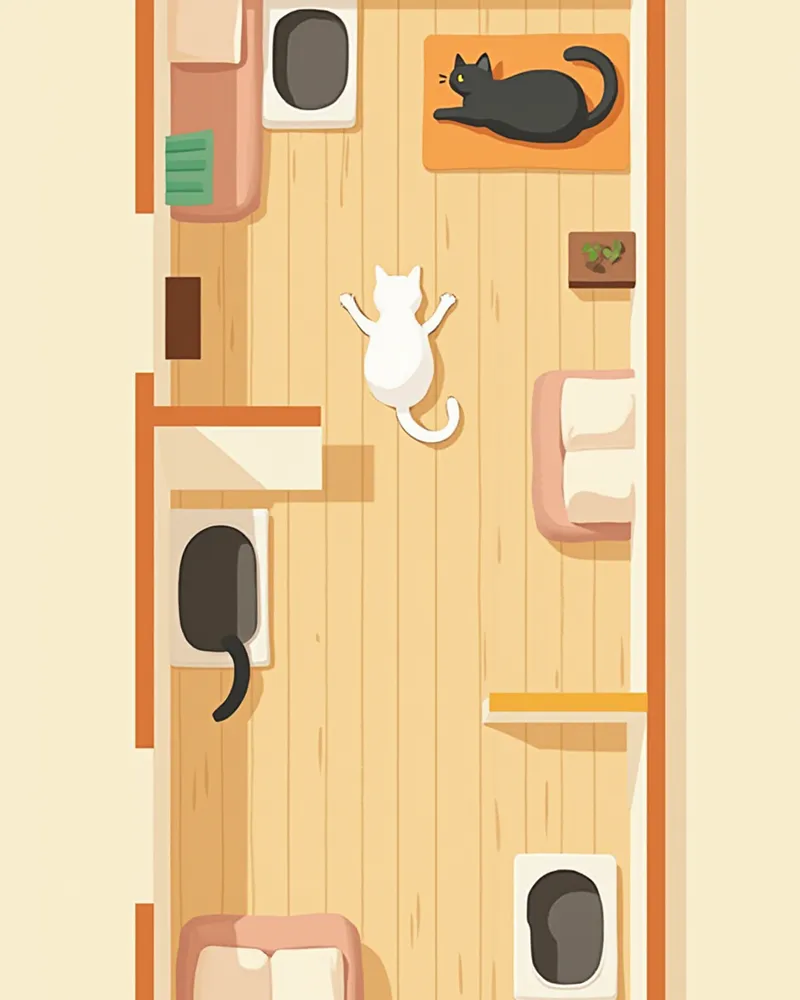
Change the Litter Box Location and Number as Well
When It May Not Be a Litter Box Problem
Even if you change the litter box, accidents may continue or other symptoms may appear. In such cases, it is important to visit the animal hospital immediately. Chronic kidney disease, diabetes, cystitis, or worsening arthritis could be the real cause of the accidents. Signs that require immediate veterinary attention: Sudden increase or decrease in urine volume / Blood in urine / Crying while using the litter box / Limping in the hind legs / Accidents lasting more than 3 days / Decreased appetite or weight loss
Also Consider Litter Type and Cleanliness

DIY Methods You Can Try at Home Right Away
Reviewed by a veterinarian

Dr. Tony — Punnawat Phongkittirak
VeterinarianA veterinarian who majored in veterinary medicine at Khon Kaen University, Thailand, and completed the IVSA program at North Carolina State University in the United States. Drawing on clinical experience at animal hospitals, he works in the pet healthcare field and is dedicated to building a digital care environment that connects pet parents with veterinarians.
Reviewed 2026-04-27
Frequently Asked Questions
At what age should I switch to a low-entry litter box?
Can I place the new litter box next to the old one?
Are hooded (covered) litter boxes suitable for senior cats?
My senior cat suddenly started urinating on the blanket. Could it be the litter box?
How many litter boxes are appropriate for a senior cat?
Share
Related Guides

Primary vs. Secondary Veterinary Hospitals: A Comparison

5 Easy-to-Raise Cat Breeds for First-Time Owners — Grooming Difficulty Comparison

Top 7 Short-Legged Dog Breeds

Inflammation in Our Cat’s Heart? — Causes of Myocarditis and Emergency Signs You Must Not Miss

What is Canine Uveitis? — Can It Lead to Red Eyes and Blindness?

My Dog’s Pupils Are Different Sizes — Is This a Dangerous Warning Sign?

What Is Corneal Pigmentation in Dogs? — Causes of Dark Film on the Eyes and Management

If a White Film Covers Your Cat’s Eye — Causes of Third Eyelid Prolapse and When to Visit the Vet

How to Clean Your Cat’s Eyes: A Complete Guide to Cleaning Methods and Precautions

Why Is My Cat’s Eye Red and Swollen? — Causes of Conjunctivitis and When to Visit the Vet
References
[1] Little, S.E., The Cat: Clinical Medicine and Management, 2nd Edition, Chapter 16 Feline Behavior
[2] Horwitz, D.F., Introduction to Animal Behavior and Veterinary Behavioral Medicine, Chapter 13 Feline Elimination Disorders
[3] Overall, K.L., Manual of Clinical Behavioral Medicine for Dogs and Cats, 2013