Like
Share
멍실장
강아지 사료 샘플 구하고 테스트하는 법

How to Get and Test Puppy Food Samples

DigestiveQ&AMeongsiljang Veterinary Advisory Board

I’ve put together a guide on how to get free puppy food samples and how to safely test whether the new food is suitable for your pup using a 7–10 day transition method.

How to Get and Test Dog Food Samples
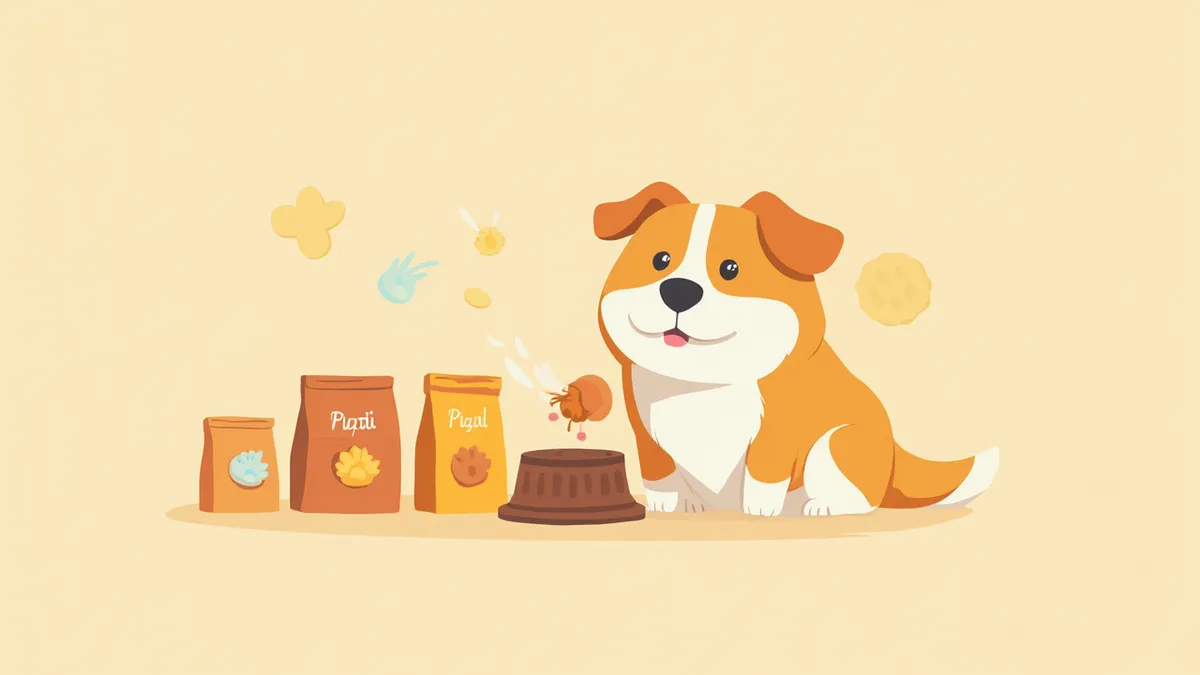
A pet owner opening a sample package of dog food at home
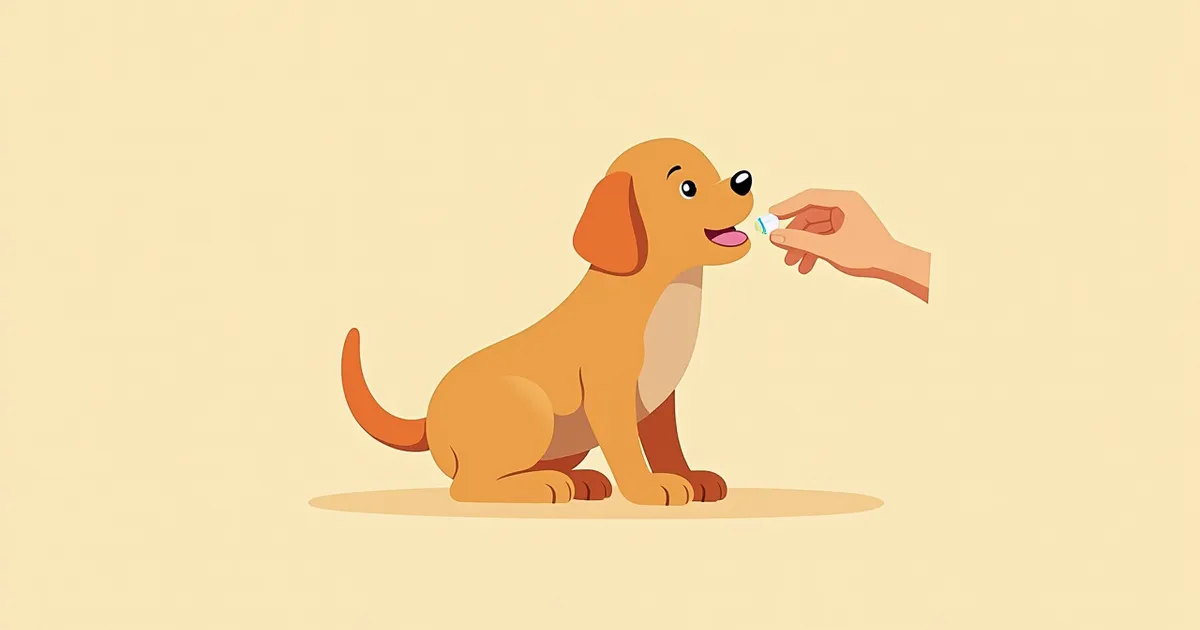
Dog food samples are small trial portions provided so you can test a new food’s palatability and digestibility before committing to a full purchase. The key is to conduct the trial properly. Abruptly switching to a new food can cause digestive issues such as vomiting or diarrhea, so you should gradually transition over at least 7–10 days by mixing the new food with the current diet. This article covers everything from how to obtain free food samples to a checklist for determining whether a particular food is suitable for your dog.

Why You Should Try Food Samples First

Buying a large bag of dog food right away can lead to waste if your pup refuses to eat it or experiences digestive issues. According to veterinary nutrition textbooks, dogs vary greatly in their preferences for food ingredients and textures. Even dogs of the same breed may prefer different foods. Trying a sample first allows you to check their preference and digestive response without financial risk. For puppies with sensitive digestion or picky eaters, sample testing is not just an option—it’s essential.

Comparison of Channels for Getting Food Samples

ItemOfficial websitePet expoAnimal hospitalOnline community
CostFree to shipping costFreeFree to paidFree to shipping cost
AccessibilityHigh (online application)Limited to event periodsVisit requiredHigh (social media, online cafés)
Sample amountSmall (1–3 servings)Small to mediumSmall (1–2 servings)Small (1–3 servings)
Brand selectionSingle brandVarious brandsLimitedVarious brands

Sample policies for each brand may change frequently

7–10 Day Food Transition Test Method
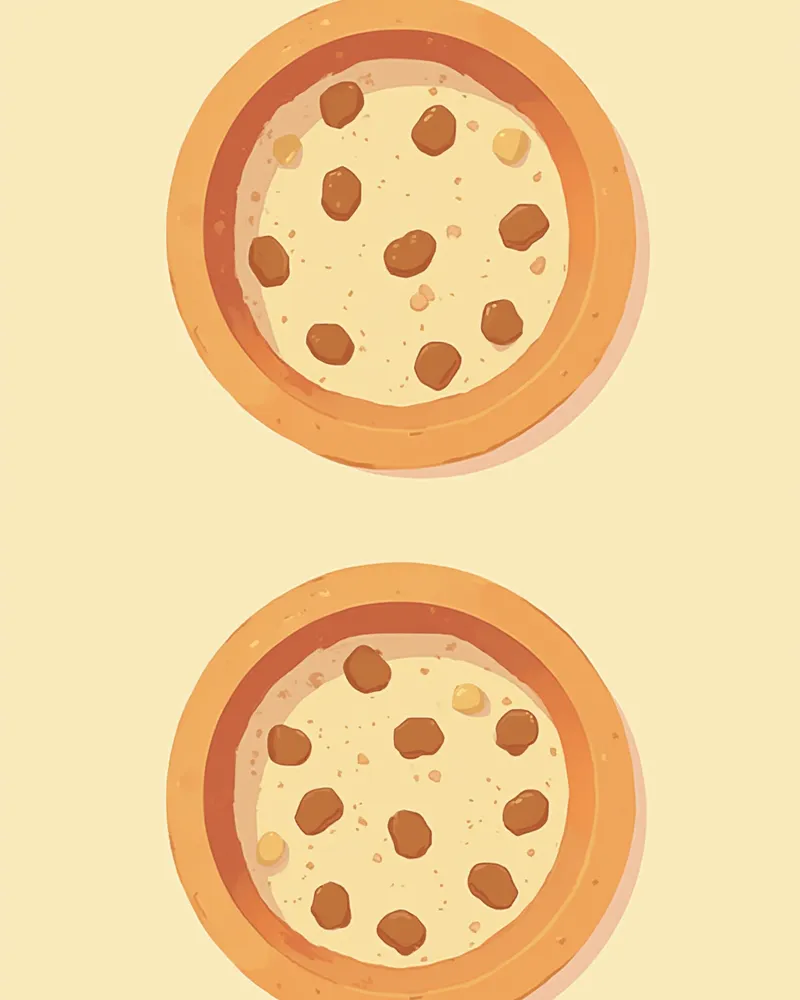
Once you have the sample, try transitioning slowly using the following ratios:
Days 1–2: 75% current food + 25% new food
Days 3–4: 50% current food + 50% new food
Days 5–6: 25% current food + 75% new food
Day 7 onward: 100% new food
For dogs with sensitive digestion, it’s fine to extend the transition period up to 10 days. If loose stools or vomiting occur during the switch, revert to the previous ratio and allow a few more days for adjustment. If the sample size is too small to complete the full 7-day schedule, focus on gradually mixing the foods as much as possible.
Two food bowls containing the old and new food mixed in the correct proportions

Abrupt Food Switching Causes Digestive Issues

Switching your pet’s food all at once can overwhelm their digestive system, leading to diarrhea, vomiting, or loss of appetite. This is especially important for pets with sensitive stomachs, existing digestive issues, or growing puppies. If diarrhea lasts more than a day or you notice blood in the stool during the transition, stop the new food immediately and consult your veterinarian.

Checklist to Confirm if the New Food Suits Your Pup
For 2 to 4 weeks after switching foods, carefully monitor the following indicators:
Stool consistency: Well-formed, moderately firm stools indicate good digestion. Loose stools or a strong odor may suggest the food isn’t suitable.
Coat condition: If your pet’s coat remains healthy and lustrous over several weeks, it’s a positive sign that they’re receiving adequate nutrition.
Palatability: Your pet may initially be cautious due to the new smell and texture. If they consistently refuse the food for several days, it may not be to their liking.
Activity level: Check whether your pet maintains their usual energy levels after the transition.
Skin condition: Increased scratching or redness could indicate an adverse reaction to ingredients in the food. If skin issues persist, please refer to Dog Food Allergy Symptoms and How to Handle Them.
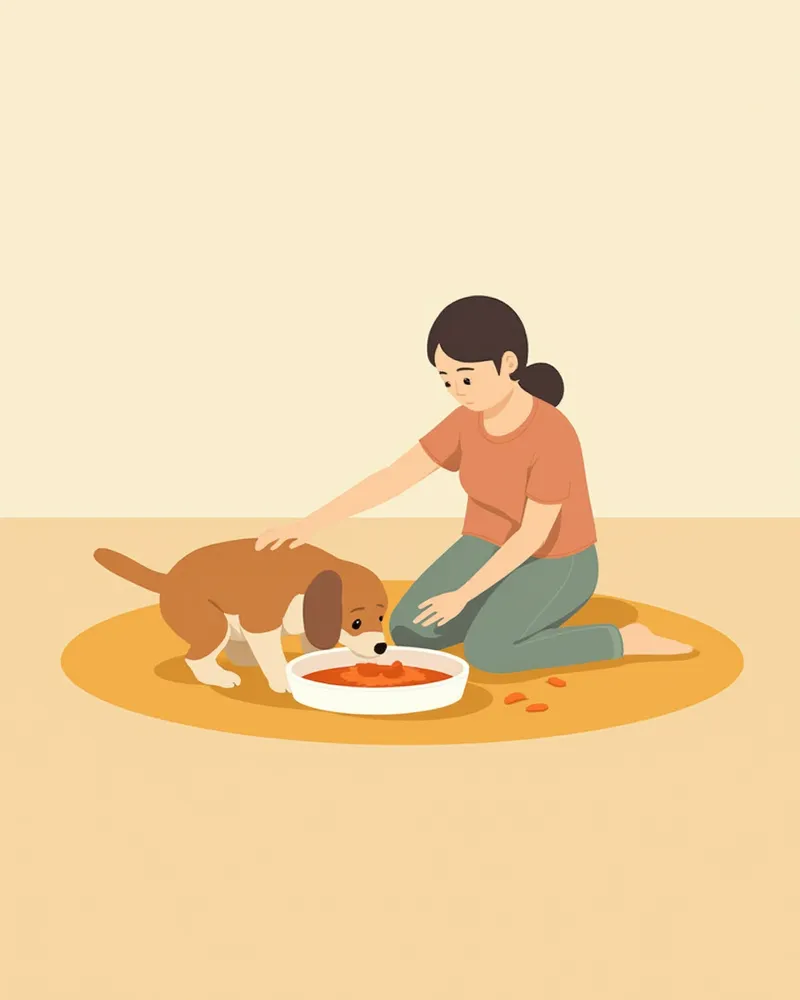
A pet owner observing their puppy’s condition while transitioning to a new food

Be Sure to Check These Things on the Ingredient Label
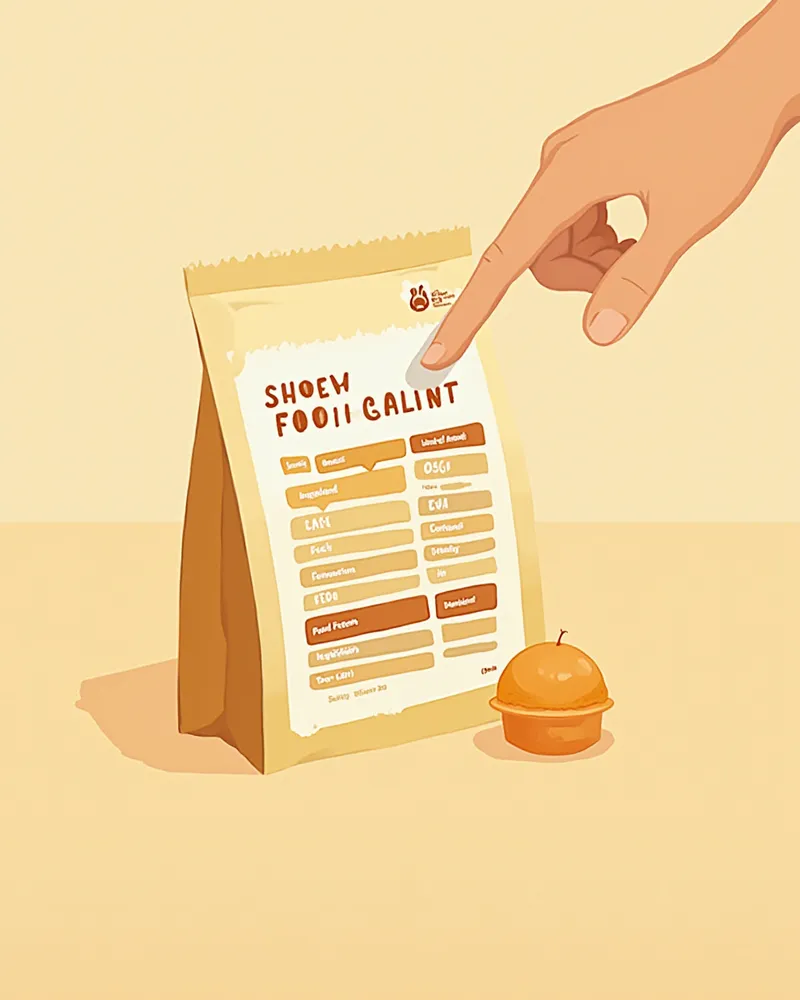
When testing food samples, be sure to review the ingredient label as well.
First ingredient: Look for foods that list a clearly identified animal protein source, such as chicken or salmon, as the first ingredient. While dogs are not strict carnivores but rather omnivores with a carnivorous bias that can utilize plant-based foods, protein remains a core component of their diet. Dogs require 22 amino acids, 10 of which are essential and must be supplied through their food, so it is important to clearly identify the protein sources included. Avoid vague terms like "meat by-products" or "animal fat."
Crude protein and crude fat ratios: Ensure that the protein and fat content meets the nutritional standards appropriate for your dog’s life stage (growth, adult, or senior) and activity level. Refer to the guaranteed analysis (minimum crude protein and crude fat) and the life-stage nutritional adequacy statement on the packaging.
Artificial additives: Check that the food does not contain artificial preservatives such as BHA, BHT, or ethoxyquin.
Allergenic ingredients: Be sure to check that the food does not contain grains or protein sources to which your dog may be sensitive.
A pet owner’s hand checking the ingredient list on a bag of pet food

Consult Your Veterinarian First for Dogs with Allergies or Conditions

Dogs with underlying conditions such as food allergies, kidney disease, or pancreatitis need to be especially careful when choosing their food. In these cases, it’s safest to consult your veterinarian, who can recommend prescription diets or specialized food samples. Changing food on your own can worsen symptoms, so always seek professional advice first.

Reviewed by a veterinarian

Dr. Tony — Punnawat Phongkittirak

Dr. Tony — Punnawat Phongkittirak

Veterinarian

A veterinarian who majored in veterinary medicine at Khon Kaen University, Thailand, and completed the IVSA program at North Carolina State University in the United States. Drawing on clinical experience at animal hospitals, he works in the pet healthcare field and is dedicated to building a digital care environment that connects pet parents with veterinarians.

Frequently Asked Questions

Where can I get free dog food samples?
Many brands offer free samples when you sign up as a new member on their official website. You can also pick up a variety of brand samples for free at pet expos, and request prescription diet samples from your veterinarian.
Is it possible to conduct a transition test with a small sample size of pet food?
If the sample quantity is small, it may be difficult to complete the full 7-day period. In this case, shorten each phase—25%, 50%, and 75%—to just one or two days, but please monitor your pet’s digestive response more closely.
What should I do if my dog refuses to eat its new food?
During the first one to two days, your pet may be cautious due to the unfamiliar smell and texture. To help ease the transition, start by mixing a smaller proportion of the new food with their current kibble, or add a small amount of warm water to enhance the aroma. If your pet consistently refuses the food for several days, it’s likely that the flavor profile isn’t to their liking.
What should I do if my pet gets diarrhea during a food transition?
Loose stools can be a normal part of the gut’s adjustment period. Revert to the previous feeding ratio and allow an additional two to three days for adaptation. If severe diarrhea persists for more than a day or if you notice blood in the stool, stop the transition and consult your veterinarian.
Should I also test puppy food with a sample first?
Yes, growing puppies can be sensitive to dietary changes, so caution is needed when switching food. Even with puppy food, it’s best to start with a sample or small package first, and allow a longer transition period than for adult dogs to thoroughly monitor digestive response and palatability.

Share

Related Guides

References

[1] Fascetti AJ, Delaney SJ. Applied Veterinary Clinical Nutrition. 2nd Edition. Wiley-Blackwell, 2023.

[2] Schaer M, Gaschen F. Clinical Medicine of the Dog and Cat. 4th Edition. CRC Press, 2022.

[3] Little M. The Dog Care Handbook: Things I Wish My Vet Had Told Me. Cambridge University Press, 2024.

This information is based on veterinary literature and does not replace diagnosis or treatment. Please consult a veterinarian for specific health concerns.

Metapet Co., Ltd. | CEO: Park Sung-yong | Business Reg. No. 417-88-02562 | Seoul, South Korea | Customer Center

How to Get Dog Food Samples and the Right Way to Test Them | Meongsiljang