Like
Share
멍실장
고양이 관절염 증상과 관리법

Feline Arthritis: Symptoms and Management

JointQ&AMeongsiljang Veterinary Advisory Board

Feline arthritis is very common in senior cats, yet it’s often difficult for owners to notice. We’ve compiled the hallmark signs, home care strategies, and treatment options based on veterinary textbooks.

Feline Arthritis Is More Common Than You Think

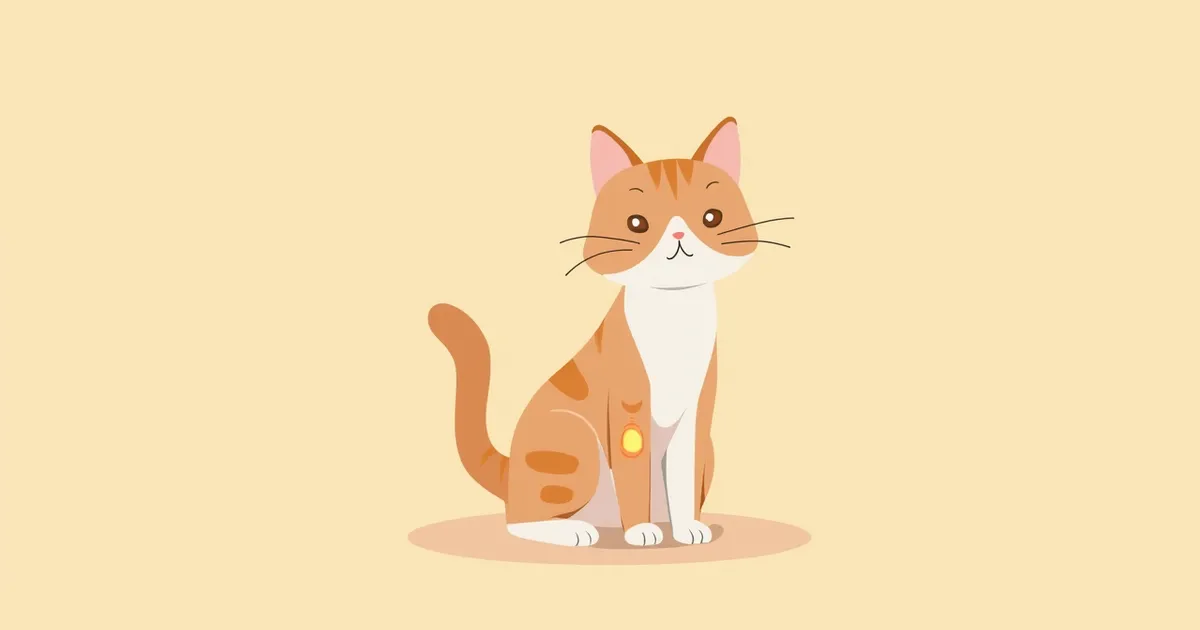
An illustration of an elderly cat with its joints highlighted.
Feline osteoarthritis is a chronic, degenerative joint disease in which progressive damage to the articular cartilage leads to inflammation, pain, and a reduced range of motion. It is one of the most common causes of chronic pain in pets, and its incidence is particularly high in older cats. Although a complete cure is difficult, early detection and proper management can effectively reduce pain and help maintain your cat’s quality of life.

Why Do Cats Hide Pain?

Cats instinctively hide pain because showing weakness in the wild could make them vulnerable to predators. According to veterinary internal medicine textbooks, cats in pain are more likely to remain still and inactive rather than become aggressive. Therefore, what owners might assume is simply their cat becoming quieter with age could actually be the cat staying still due to difficulty moving from joint pain. Carefully observing changes in your cat’s usual behavior is the most important step.

Suspect Feline Arthritis If You Notice These Behaviors

If you notice any of the following behavioral changes, it may be worth considering arthritis.
Reluctance to jump to high places: Your cat may avoid climbing onto a cat tree or bed that they used to easily access.
Hesitation when descending: They may hesitate when climbing up or down, and might break the movement into multiple steps instead of jumping in one go.
Decreased grooming: Their fur, especially on the back or lower back, may become unkempt due to difficulty bending.
Accidents outside the litter box: They may have trouble stepping over the edge of the litter box, leading to accidents outside.
Reduced activity level: They may show less interest in play and spend noticeably more time sleeping.
Personality changes: They may become sensitive to touch or act more irritable than usual.
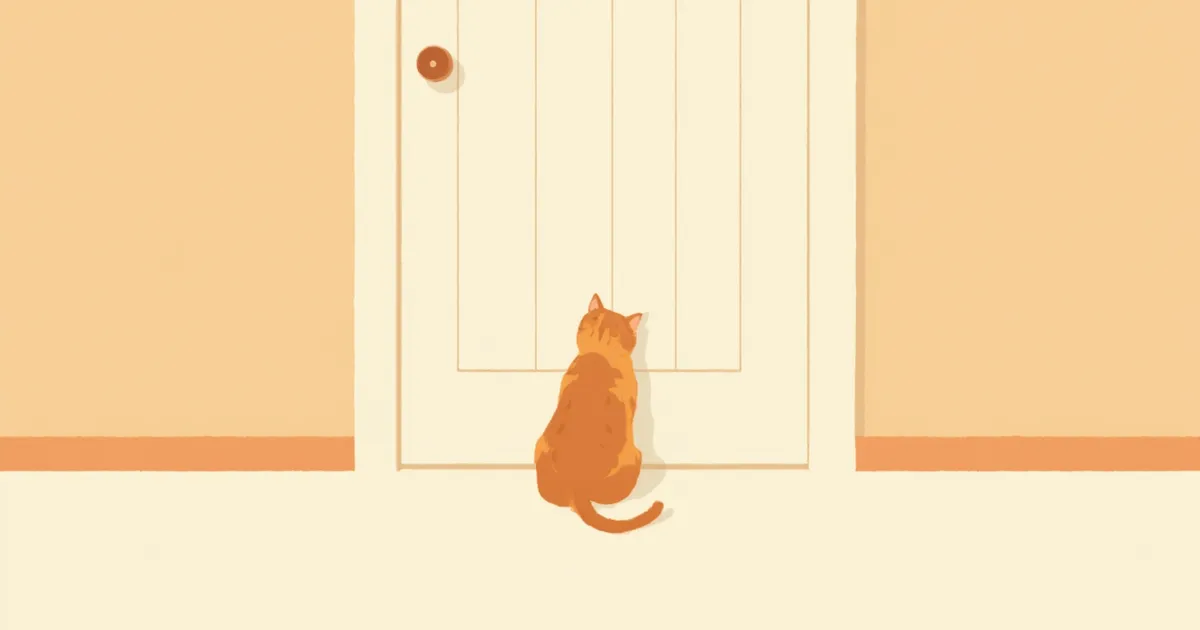
An illustration of a cat hesitating in front of a cat tower.

Common Sites of Arthritis

Feline arthritis often affects multiple joints simultaneously. The table below outlines the primary sites of occurrence as reported in veterinary internal medicine textbooks.
SiteCharacteristicsObservation Points
ElbowA commonly affected site in catsLimping in the front legs, front paws splayed outward
KneeMay occur alongside other joint abnormalitiesLimping in the hind legs, difficulty rising from a sitting position
HipMarked restriction in movementReduced jumping ability, hind leg muscle atrophy
Spine (Lumbar)Lower back (lumbar) pain is common in senior catsDislikes being touched on the back, difficulty bending the body

When to Visit the Vet Immediately

If your cat suddenly refuses to put any weight on a leg, cries out in severe pain when touched, or shows noticeable swelling around the joints, please visit a veterinary clinic immediately. This could indicate a fracture or another serious condition rather than simple arthritis. In particular, sudden inability to use the hind legs may suggest thromboembolism, which is a medical emergency.

Home Management Strategies
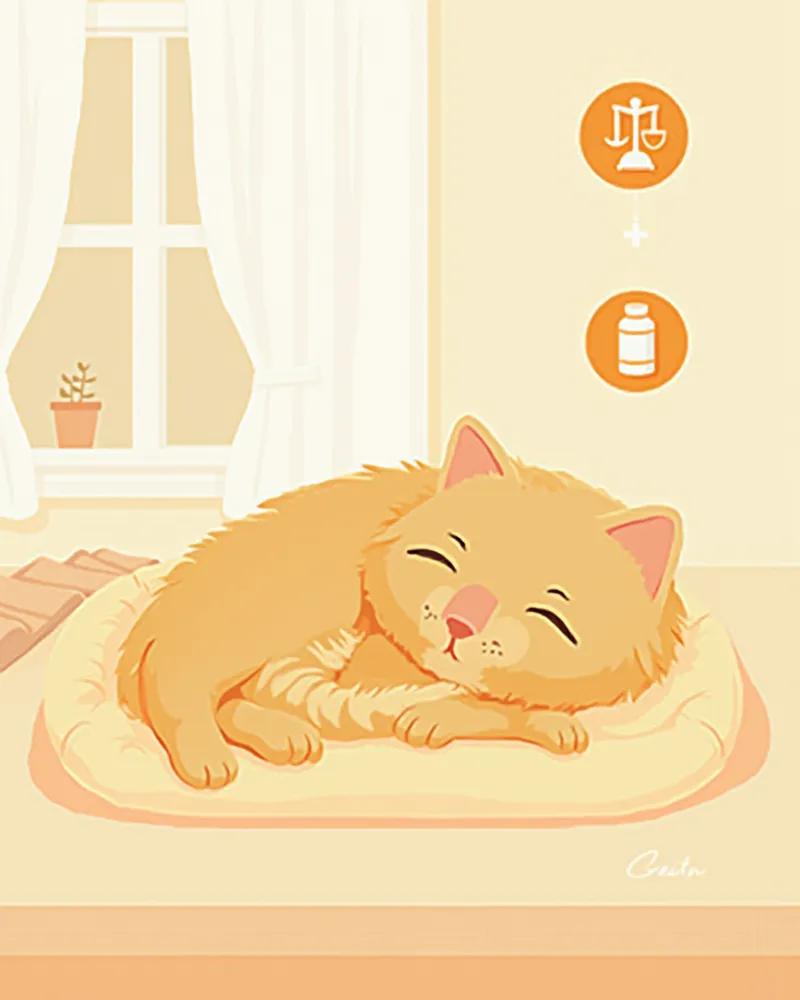
The goal for feline arthritis is not a cure, but rather pain management and maintaining quality of life. Here are management strategies you can start at home right away.
Weight Management: Excess weight significantly increases the burden on joints. Maintaining an ideal weight is the first step in managing arthritis.
Environmental Modifications: Lower the rim of the litter box and install ramps or steps on surfaces your cat frequently climbs. Providing a plush bed also helps reduce joint stress.
Joint Supplements: Glucosamine and omega-3 fatty acids are sometimes used to support joint health. However, since clinical evidence specifically for cats is still limited, be sure to consult your veterinarian thoroughly before administering any supplements.
Appropriate Play: Gentle stimulation that helps maintain muscle mass is preferable to vigorous play.
An illustration of a cat resting comfortably on a bed and a ramp.

Veterinary Treatments

If pain isn’t controlled with home care alone, your vet will need to step in with more active treatment.
Anti-inflammatory pain relievers: Your vet will determine the safe dosage and schedule based on your cat’s weight. Because cats metabolize medications differently than dogs, it’s essential to use only vet-prescribed, cat-specific medications.
Joint injections: In some cases, medication can be injected directly into the joint to help reduce pain and inflammation.
Supportive therapies: Treatments like laser therapy and acupuncture may also help ease discomfort.
Never give your cat human pain relievers like Tylenol or ibuprofen—they can be fatal. Always consult your vet before administering any medication.
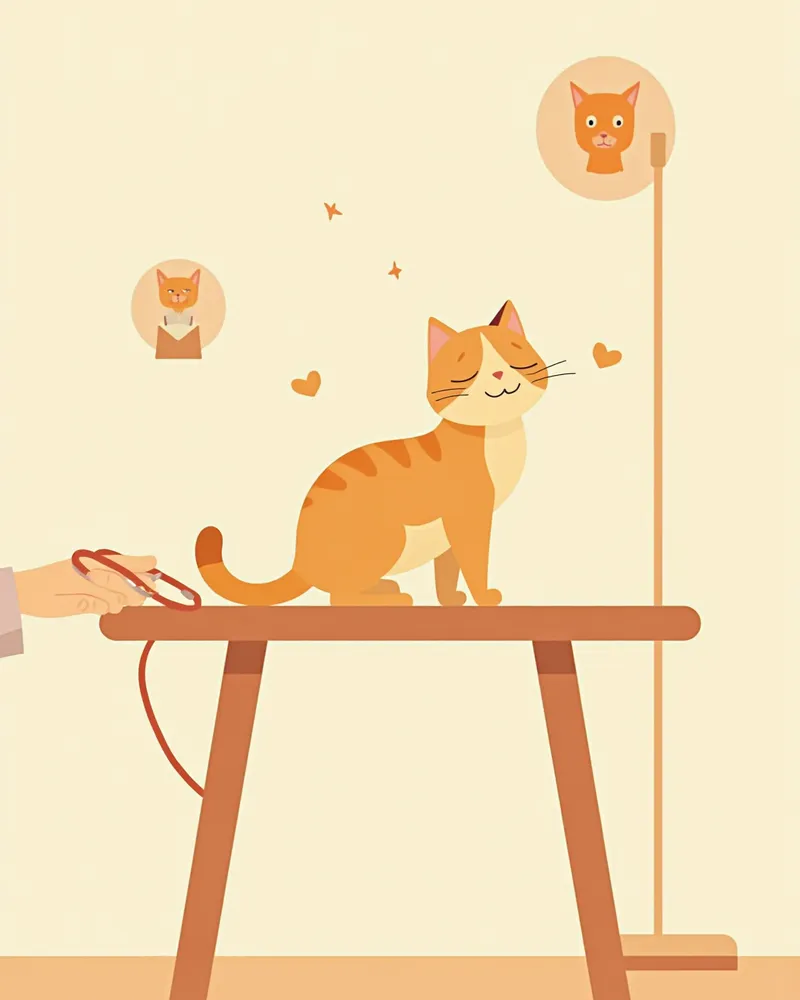
Illustration of a cat receiving a check-up at a veterinary clinic

Special Caution for Cats with Kidney Disease

Older cats often suffer from both arthritis and chronic kidney disease. Since nonsteroidal anti-inflammatory drugs (NSAIDs) used to treat arthritis are excreted through the kidneys and can place additional strain on them, the type, dosage, and dosing interval of these medications must be carefully adjusted for cats with reduced kidney function. It is important to proceed with treatment while monitoring kidney function through regular blood tests.

Reviewed by a veterinarian

Dr. Tony — Punnawat Phongkittirak

Dr. Tony — Punnawat Phongkittirak

Veterinarian

A veterinarian who majored in veterinary medicine at Khon Kaen University, Thailand, and completed the IVSA program at North Carolina State University in the United States. Drawing on clinical experience at animal hospitals, he works in the pet healthcare field and is dedicated to building a digital care environment that connects pet parents with veterinarians.

Frequently Asked Questions

At what age do cats typically start developing arthritis?
While there’s no specific age limit, this condition is more common in middle-aged and older cats, with incidence increasing as they age. However, overweight cats or those with a history of joint injuries may develop it at a younger age.
Can joint supplements alone cure arthritis?
Joint supplements are often used to support joint health, but clinical evidence specifically for cats remains limited. They do not cure arthritis and should be used alongside weight management, environmental modifications, and veterinary treatment when necessary. Always consult your veterinarian before administering any supplement.
How is feline arthritis diagnosed?
Veterinarians assess joint pain responses and range of motion through physical examinations, while X-rays help identify joint changes. Videos of your pet’s behavior at home, captured by you, can also be very helpful in the diagnostic process.
Can I give my cat pain medication meant for dogs?
Absolutely not. Cats metabolize medications differently than dogs, so drugs formulated for dogs can be fatal to cats. Always obtain a prescription from your veterinarian for medications specifically intended for cats.
Can feline arthritis be prevented?
While complete prevention is difficult, maintaining a healthy weight and ensuring regular exercise can delay the onset of the condition or alleviate its symptoms. Early detection through routine health check-ups is also essential.

Share

Related Guides

References

[1] The Cat, Clinical Medicine and Management, 2nd Edition — Chapter 47: Senior Cat Health Care (DJD)

[2] The Cat, Clinical Medicine and Management, 2nd Edition — Chronic Kidney Disease and Degenerative Joint Disease (Sarah Caney)

[3] Textbook of Veterinary Orthopaedic Surgery — Chapter 12: Osteoarthritis

This information is based on veterinary literature and does not replace diagnosis or treatment. Please consult a veterinarian for specific health concerns.

Metapet Co., Ltd. | CEO: Park Sung-yong | Business Reg. No. 417-88-02562 | Seoul, South Korea | Customer Center

Feline Arthritis: Symptoms and Management | Meongsiljang