Like
Share
멍실장
강아지 신발, 꼭 신겨야 할까? 발바닥 보호 완벽 가이드

Dog Shoes: Do You Really Need Them? The Complete Guide to Paw Pad Protection

Skin & CoatQ&AMeongsiljang Veterinary Advisory Board

We’ve compiled everything you need to know about when your dog needs shoes, how to choose the right pair, and how to help them get used to wearing them. Dog shoes can help prevent burns, frostbite, and injuries on their paw pads.

Are Dog Shoes Really Necessary?

A dog wearing shoes while walking in the summer
Dog shoes are a helpful accessory that protects your pup’s paw pads from external irritants like hot asphalt, ice, de-icing chemicals, and broken glass. They aren’t necessary for every dog at all times—the key is to use them situationally. Dog shoes become a reliable safeguard for paw health when summer pavement gets hot enough to harm pads, when winter roads are treated with de-icing agents, or when walking on terrain that could injure paws, such as hiking trails or gravel paths.

Your Dog’s Paw Pads Are More Fragile Than You Think

Although your dog’s paw pads may look thick, they aren’t completely invincible. The pads, nails, nail beds, and the skin between the toes are all vulnerable to external irritants and injuries. So be cautious in environments with rough surfaces or sharp debris. Objects like glass shards, thorns, or jagged pebbles can cause lacerations on the pads and toes, and these wounds can lead to bacterial infections. In fact, during examinations, we often find torn pads or embedded foreign bodies like thorns or grass seeds. Therefore, after walks, carefully inspect the pads, the spaces between the toes, and around the nail beds for any signs of injury, swelling, or warmth.

When to Definitely Use Dog Shoes

Summer asphalt: If the ground feels hot to the touch when you place the back of your hand on it, the temperature is high enough to risk paw pad damage, so we recommend using dog shoes.
Winter de-icing roads: Urban roads treated with calcium chloride or anti-icing agents.
Hiking and trekking: Mountain trails with gravel, thorns, and sharp branches.
During treatment for skin conditions: When interdigital dermatitis is present or when preventing licking is necessary.
Post-surgery recovery: To protect wounds after toe surgery or nail removal.
Slip prevention for senior dogs: When your dog’s legs tremble or slip on hardwood floors.
Close-up photo of a puppy's paw pads

Stop Using Shoes If You Notice These Symptoms

If your pet keeps lifting its paws or sitting down after putting on shoes, if the spaces between its toes become red and swollen, or if the paw pads look pale or bluish after removing the shoes, take the shoes off immediately and let your pet rest. Shoes that are too tight can restrict blood circulation. If these symptoms persist for more than 24 hours, consult a veterinarian.

How to Choose Shoes by Season and Situation

ItemSummer typeWinter typeAll-season type
Main materialMesh, thin rubberWaterproof fabric, fleeceSilicone, synthetic rubber
BreathabilityGoodLowModerate
WaterproofFalseTrueTrue
Anti-slipModerateGoodVery good
Recommended environmentHot asphaltSnowy, calcium chloride roadsEveryday walks, indoors

Choose according to the temperature and road surface conditions

How to Properly Measure Size and Fit
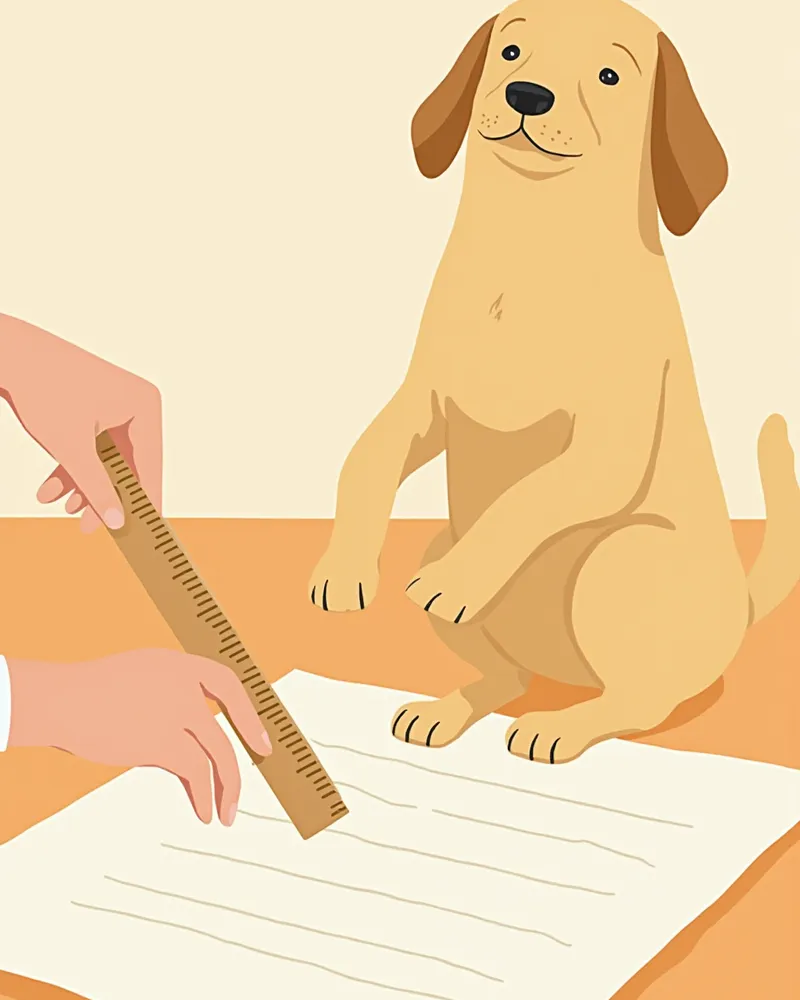
If the shoes don’t fit properly, they can slip off or squeeze your dog’s paws, causing more harm than good. How to measure: Have your dog stand comfortably, place its front paw on a sheet of white paper, and draw a line with a marker from the tip of the toes to the heel to measure the length. For width, measure the widest part of the paw. Allow about 5 mm of extra space. Shoes that are too loose will slip off, while those that are too tight can restrict blood circulation. Since front and hind paws may differ in size, it’s best to measure each one separately.
A puppy having its paw size measured.

Gradual Training Is the Key to Shoe Adaptation

Most dogs feel awkward when they first put on shoes, so they may hesitate to walk, sit down, or keep trying to take them off. It’s important to help them adjust gradually.
Step 1: Let your dog sniff the shoes indoors and give treats (3–5 days)
Step 2: Put a shoe on just one front paw and give treats while wearing it for 5 minutes (3 days)
Step 3: Put shoes on all four paws and play indoors (gradually increase to 5–10 minutes over a week)
Step 4: Start with short walks near the entrance or around the house
Forcing the process can make your dog reject the shoes altogether, so always follow your dog’s pace.

Paw Balm Is a Good Alternative to Shoes

For dogs that struggle to get used to shoes, you can try using a topical balm to protect their paw pads. According to veterinary literature, topical products for paws can help moisturize, protect the skin, and soothe irritation. However, there isn’t strong veterinary evidence to suggest that certain natural ingredients like beeswax or shea butter can reliably shield paw pads from de-icing agents or hot surfaces. While these balms can be used as a supplementary skin protection measure during regular walks, they can’t effectively guard against physical injuries like glass shards or thorns. In environments with physical hazards, it’s best to prioritize using dog shoes.

Reviewed by a veterinarian

Dr. Tony — Punnawat Phongkittirak

Dr. Tony — Punnawat Phongkittirak

Veterinarian

A veterinarian who majored in veterinary medicine at Khon Kaen University, Thailand, and completed the IVSA program at North Carolina State University in the United States. Drawing on clinical experience at animal hospitals, he works in the pet healthcare field and is dedicated to building a digital care environment that connects pet parents with veterinarians.

Frequently Asked Questions

Is it safe to have my dog wear shoes every day?
We don’t recommend leaving dog shoes on for long periods every day. The skin between the toes and the nail beds are sensitive areas that can be prone to irritation and infection. If they’re covered by shoes for too long, poor ventilation and moisture buildup can lead to skin problems. So, only use them when necessary—such as on hot pavement or salted roads—and remove them right after walks. Make sure to dry the spaces between the toes thoroughly. If you notice redness, swelling, or discharge between the toes, it’s best to consult with your veterinarian.
My puppy keeps trying to take off his shoes. What should I do?
This usually happens when the fit is incorrect or your pet hasn’t fully adjusted yet. First, double-check the size to ensure it’s neither too large nor too small. Then, allow 1–2 weeks for proper indoor acclimation before using them on walks. If your pet continues to resist, consider switching to a thin, sock-style product or applying paw balm instead.
Can puppies wear shoes too?
Putting shoes on puppies requires careful consideration. During the rapid growth phase of their paws, frequent size adjustments are necessary, and shoes may interfere with the development of paw pad sensitivity. Unless there is a specific need—such as protection from injury or veterinary recommendation—it’s best to consult with your veterinarian before deciding. If shoe use is necessary, introduce them gradually by having your puppy wear them for short periods indoors to help them adjust comfortably.
I put shoes on my pet, but their gait has become unusual. Is this normal?
During the first two or three uses, your pet may walk awkwardly or even step backward due to unfamiliarity—this is completely normal. However, if limping persists for more than a week or if your pet still seems uncomfortable after removing the device, it could indicate an issue with the fit or material. In that case, consider trying a different product or consulting your veterinarian.
Does a higher price always mean better shoes?
What matters most isn’t the price, but whether the booties fit your dog’s paw shape. Look for basic features like breathability, slip resistance, and adjustable tightness, and choose easy-to-clean materials for hassle-free maintenance. The most practical approach is to read reviews from owners of dogs with similar body types and breeds.

Share

Related Guides

References

[1] Nuttall T (2019) Chronic pododermatitis and interdigital furunculosis in dogs. Companion Animal 24, 194-200

[2] BSAVA Manual of Canine and Feline Dermatology, 4th Edition

[3] Scott DW, Miller WH, Griffin CE. Muller & Kirk's Small Animal Dermatology, 7th Edition

This information is based on veterinary literature and does not replace diagnosis or treatment. Please consult a veterinarian for specific health concerns.

Metapet Co., Ltd. | CEO: Park Sung-yong | Business Reg. No. 417-88-02562 | Seoul, South Korea | Customer Center

Dog Shoes: Do You Really Need Them? Paw Pad Protection Guide | Meongsiljang