Like
Share
멍실장
대형견 사료 선택과 급여량, 이렇게 골라주세요

How to Choose Large-Breed Dog Food and Determine Feeding Amounts

DigestiveQ&AMeongsiljang Veterinary Advisory Board

Large-breed dog food focuses on joint protection and controlling growth rate. I’ll summarize the protein-to-calcium ratio and feeding amounts by weight all in one place for you.

Why Should Large-Breed Dog Food Be Selected Separately?
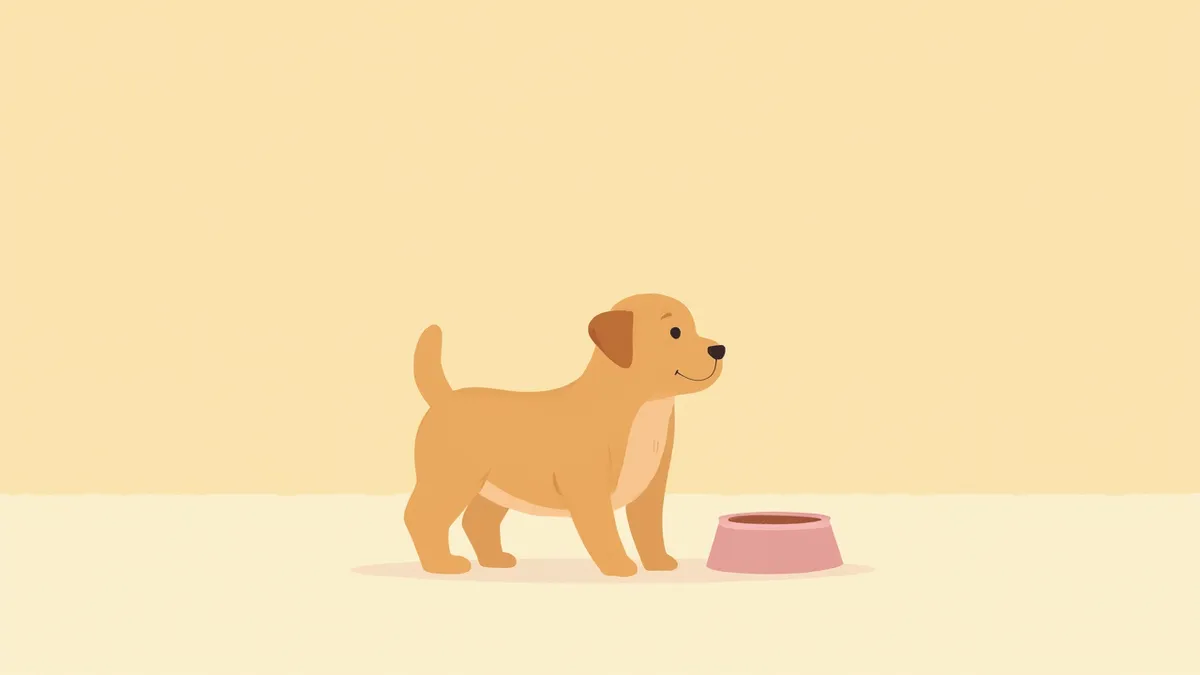
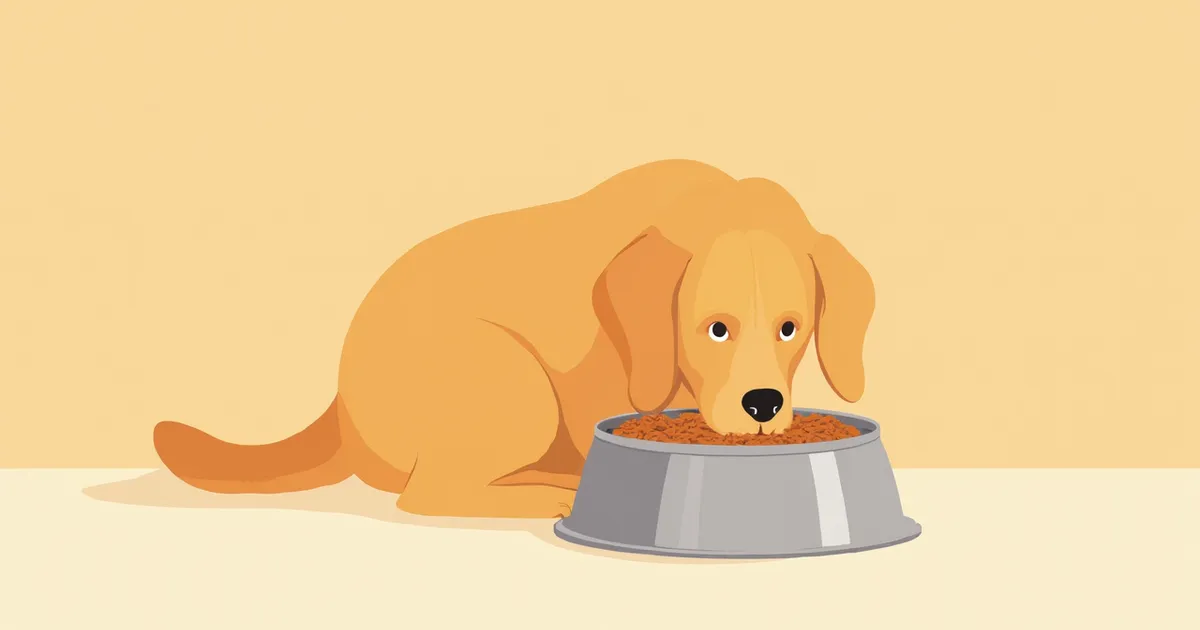
A large-breed puppy standing next to its food bowl
Large-breed dog food is specially formulated to meet the nutritional needs of adult dogs weighing 25 kg or more, taking into account joint stress and growth rate. Rapid growth can lead to joint diseases. In particular, feeding puppies under one year old a diet that is too high in calories and calcium increases the risk of hip and elbow dysplasia. One of the most common mistakes is simply feeding them high-calorie food designed for small breeds.

What Is Different From Small-Breed Dog Food?

The most significant difference lies in calorie density and calcium content. Small-breed dog food is formulated with smaller kibble and higher caloric density, which can cause rapid weight gain and place undue stress on the joints if fed to large-breed dogs. In veterinary clinical nutrition, the cornerstone of skeletal health for large and giant breed puppies is ensuring slow, steady growth while avoiding excessive calcium intake. Feeding studies involving Great Danes, Labradors, Beagles, and Miniature Poodles have reported that excessive calcium supply negatively impacts skeletal maturation and increases susceptibility to orthopedic conditions such as hip and elbow dysplasia. Conversely, providing calcium and energy at appropriate levels that do not exceed nutritional requirements supports healthy skeletal development. Therefore, it is not recommended to long-term feed large-breed puppies small-breed formulas, which are high in calcium and energy density.

Nutritional Comparison: Small-Breed vs. Large-Breed Dog Food

Item항목소형견 사료대형견 사료
열량 밀도4.0~4.5 kcal/g3.5~3.8 kcal/g
칼슘 함량1.5~2.0%1.2~1.5%
단백질28~32%23~28%
알갱이 크기작음 (6~8mm)큼 (12~15mm)
관절 성분선택 첨가글루코사민·콘드로이틴 기본 첨가

미국사료관리협회(AAFCO) 기준 및 주요 프리미엄 브랜드 평균값

Essential Ingredient Checklist

Checking just these items on the nutritional information panel on the back of the label is sufficient.
Protein: Around 23–28% (necessary for maintaining muscle mass. In healthy dogs without kidney disease, it is difficult to definitively conclude that the protein level itself directly burdens kidney function; therefore, please consult your veterinarian to adjust intake only in cases of kidney disease.)
Calcium and Phosphorus: Calcium and phosphorus are essential macrominerals for bone formation and must be balanced at an appropriate ratio (approximately 1.2–1.4:1). This is particularly important during the growth phase of large-breed dogs to ensure calcium levels are not excessive.
Glucosamine and Chondroitin: These ingredients are known to support cartilage health, so their presence is worth noting (though they are not essential nutrients).
Omega-3 Fatty Acids: As essential fatty acids, they play a role in cell membrane structure and regulating inflammation-related signals (eicosanoids), so products containing an appropriate amount are recommended.
Fiber: An appropriate amount is beneficial for digestive health.
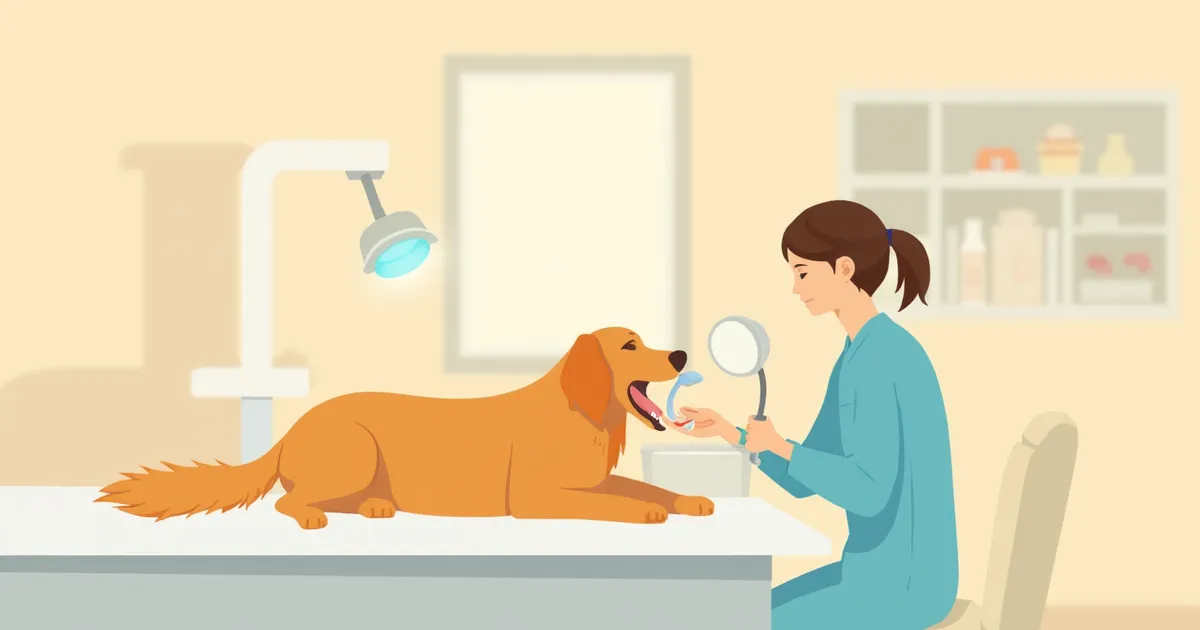
A close-up view of someone carefully examining the ingredient list on a large-breed dog food package with a magnifying glass.

Dog Foods to Avoid

Feeding large-breed puppies (aged 2 to 14 months) food with a calcium content exceeding 2.0% or high-calorie puppy formulas increases the risk of skeletal deformities. It is also advisable to avoid products containing preservatives such as BHA and BHT, or those listing “meat by-product” of unclear origin among the first ingredients. Always verify that the first ingredient listed is a specific meat source, such as chicken or salmon.

Feeding Amount Guidelines by Weight
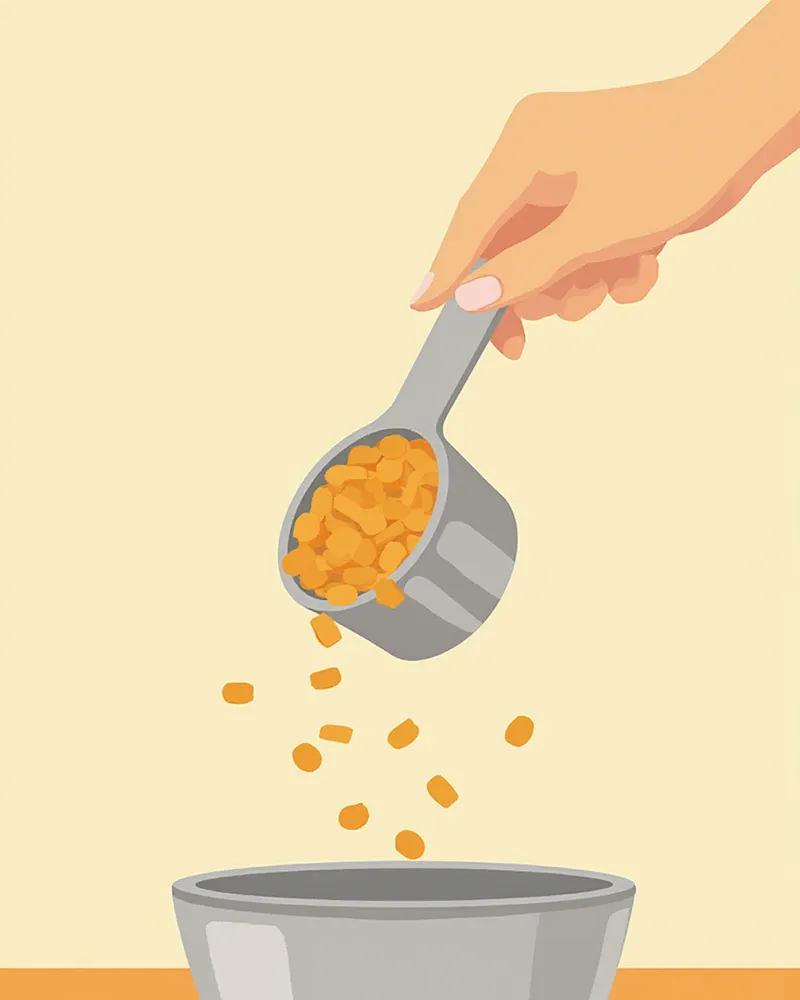
The figures below serve as a rough starting point for estimating the daily feeding amount for adult large-breed dogs (1 year and older). In reality, it is difficult to determine the exact portion size through calculation alone; the most accurate approach is to adjust the amount based on whether your dog maintains an ideal body condition score (BCS). Depending on the product’s calorie density (typically 360–380 kcal/100g), activity level, and spay/neuter status, the appropriate amount may vary by more than ±10%.
25–30 kg: 300–360 g per day (divided into 2 meals)
30–40 kg: 360–440 g per day (divided into 2 meals)
40–50 kg: 440–520 g per day (divided into 2 meals)
Over 50 kg: 520–600 g per day (divided into 2–3 meals)
Puppies (2–14 months old) require more energy and nutrients for growth, so feed them more than adults. Senior dogs (7 years and older) have reduced activity levels, so feed them less. In both cases, please make fine adjustments while monitoring their body condition.
A measuring cup being used to pour large-breed dog food into a bowl.

How Many Times a Day Should You Feed?

For large-breed dogs, it’s best to split their daily food into two meals, spaced at least eight hours apart. Feeding a large amount at once increases the risk of gastric dilatation-volvulus (GDV). Breeds with deep chests, such as Great Danes, German Shepherds, and Dobermans, should avoid vigorous exercise for at least an hour after eating. Puppies do well with three smaller meals a day.

Precautions by Large-Breed Dog Breed

Golden Retrievers and Labrador Retrievers have a strong tendency toward overeating and obesity, making portion control essential. Studies indicate that body composition and obesity risk vary by breed, and since obesity is linked to various chronic diseases, it’s important to manage feeding amounts to maintain an ideal weight. If needed, consider using a weight-management formula with reduced energy content. German Shepherds are prone to gastrointestinal issues; if you notice recurring digestive problems with certain ingredients, try switching to a food with a different protein source and consult your veterinarian to identify the underlying cause. For giant breeds like Great Danes and Mastiffs, the growth period is longer than that of medium-sized dogs, so feeding a large-breed puppy formula for an adequate duration can support joint and skeletal health.

Reviewed by a veterinarian

Dr. Tony — Punnawat Phongkittirak

Dr. Tony — Punnawat Phongkittirak

Veterinarian

A veterinarian who majored in veterinary medicine at Khon Kaen University, Thailand, and completed the IVSA program at North Carolina State University in the United States. Drawing on clinical experience at animal hospitals, he works in the pet healthcare field and is dedicated to building a digital care environment that connects pet parents with veterinarians.

Frequently Asked Questions

Can large breed dogs eat food formulated for small breeds?
While it’s fine for adult dogs to occasionally eat this, we don’t recommend feeding it long-term. The small kibble size can lead to swallowing without proper chewing, increasing the risk of indigestion and gastric torsion. Additionally, its high caloric density makes weight gain and obesity more likely.
Which is better, wet food or dry food?
For large-breed dogs, a combination of dry food as the main diet and wet food as a supplement is ideal. Feeding only dry food can lead to insufficient hydration, while feeding only wet food increases the risk of tartar buildup. Mixing them in an 80% dry to 20% wet ratio helps balance both benefits.
Is a balanced diet alone sufficient to meet your pet’s nutritional needs?
If your dog is eating a complete and balanced diet that meets AAFCO standards, it’s getting all the essential nutrients it needs. However, for senior dogs aged 7 and older, or those with joint issues, adding supplements like glucosamine and omega-3 fatty acids can provide extra support.
What should you keep in mind when switching your pet’s food?
Transition gradually over at least 7 to 10 days. Follow this schedule: Days 1–3, mix 75% of the current food with 25% of the new food; Days 4–6, use a 50:50 ratio; and Days 7–10, shift to 25% current food and 75% new food, then transition to 100% new food. Switching abruptly can cause diarrhea or vomiting.
What should I do if my pet’s weight suddenly increases or decreases?
If your pet’s weight changes by 5% or more within two weeks, don’t just adjust the food amount—visit the clinic. It could be a sign of an endocrine disorder such as thyroid disease, pancreatic issues, or diabetes. A veterinarian will create a feeding plan tailored to your pet’s weight, activity level, and overall health.

Share

Related Guides

References

[1] Fascetti AJ, Delaney SJ, Applied Veterinary Clinical Nutrition, 2nd Ed, Chapter 8: Commercial and Home-Prepared Diets, 2024

[2] Clinical Medicine of the Dog and Cat, 4th Ed, Section V: Elements of Therapy

[3] Little S, The Dog Care Handbook: Things I Wish My Vet Had Told Me, 2024

This information is based on veterinary literature and does not replace diagnosis or treatment. Please consult a veterinarian for specific health concerns.

Metapet Co., Ltd. | CEO: Park Sung-yong | Business Reg. No. 417-88-02562 | Seoul, South Korea | Customer Center

Large-Breed Dog Food: How to Choose & Feeding Amounts | Meongsiljang