Like
Share
멍실장
강아지 위확장염전 증상과 원인, 진단·치료와 관리 포인트 총정리

Bloated Abdomen and Unproductive Retching — Emergency Warning Signs and Prevention of Gastric Dilatation-Volvulus (GDV)

DigestiveDiseasesMeongsiljang Veterinary Advisory Board

Gastric dilatation-volvulus (GDV) in dogs is a life-threatening emergency in which the stomach fills with gas and then twists. We’ve compiled a comprehensive overview covering symptoms, causes, diagnosis, treatment, and postoperative care.

What Is Gastric Dilatation-Volvulus in Dogs?
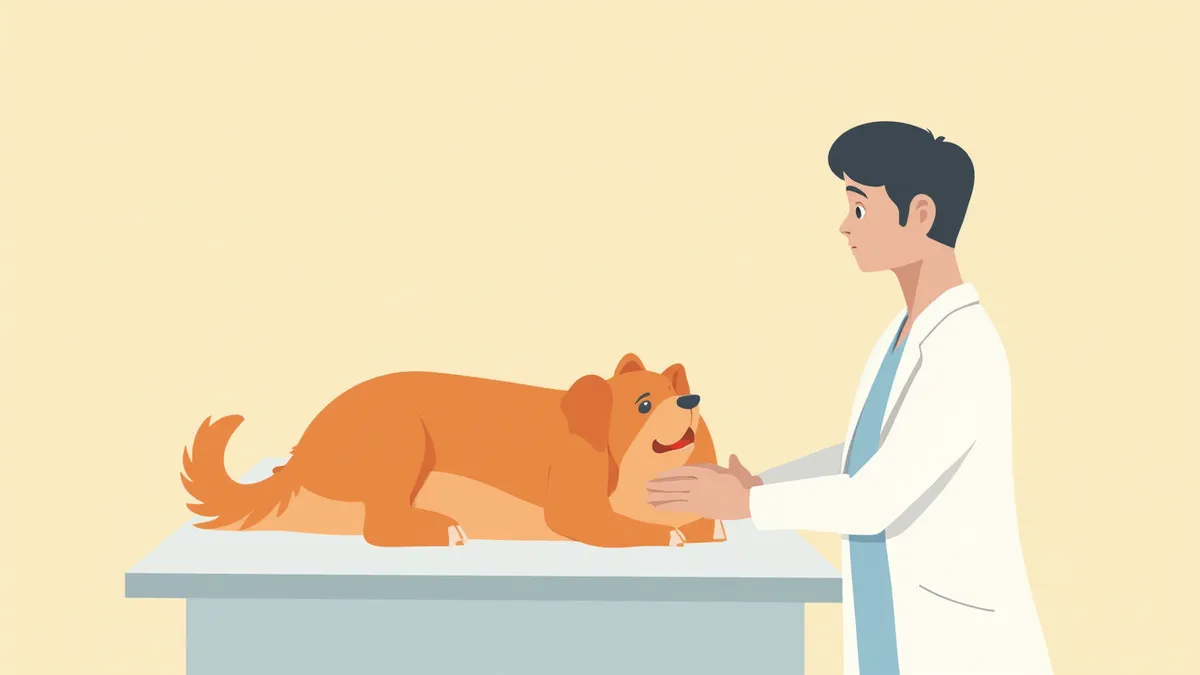
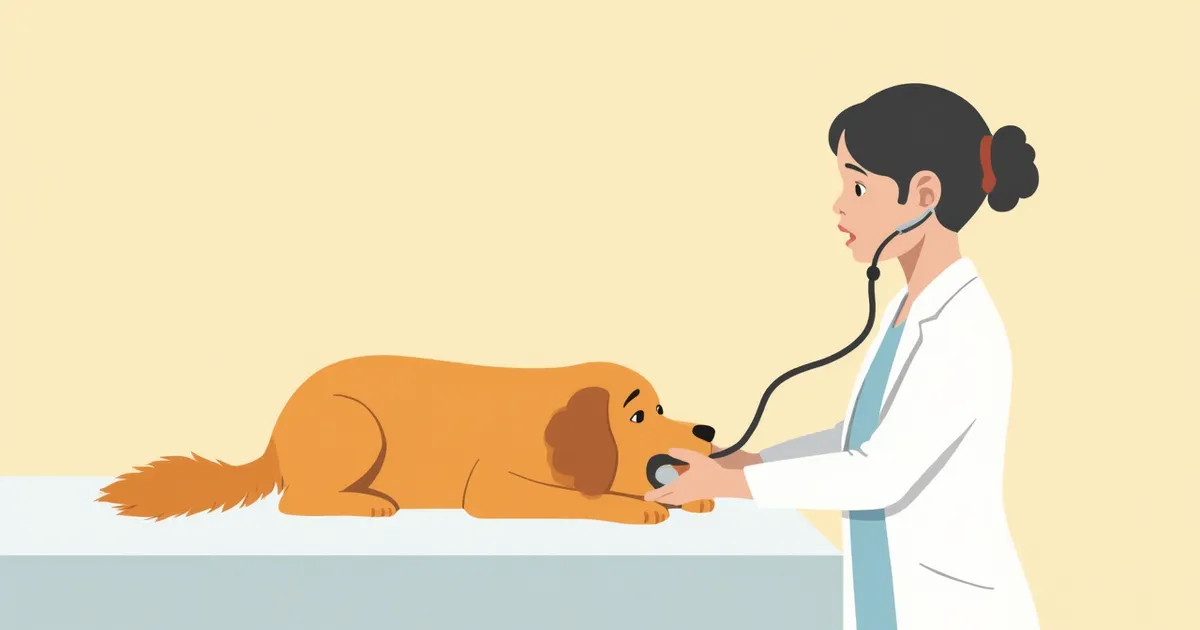
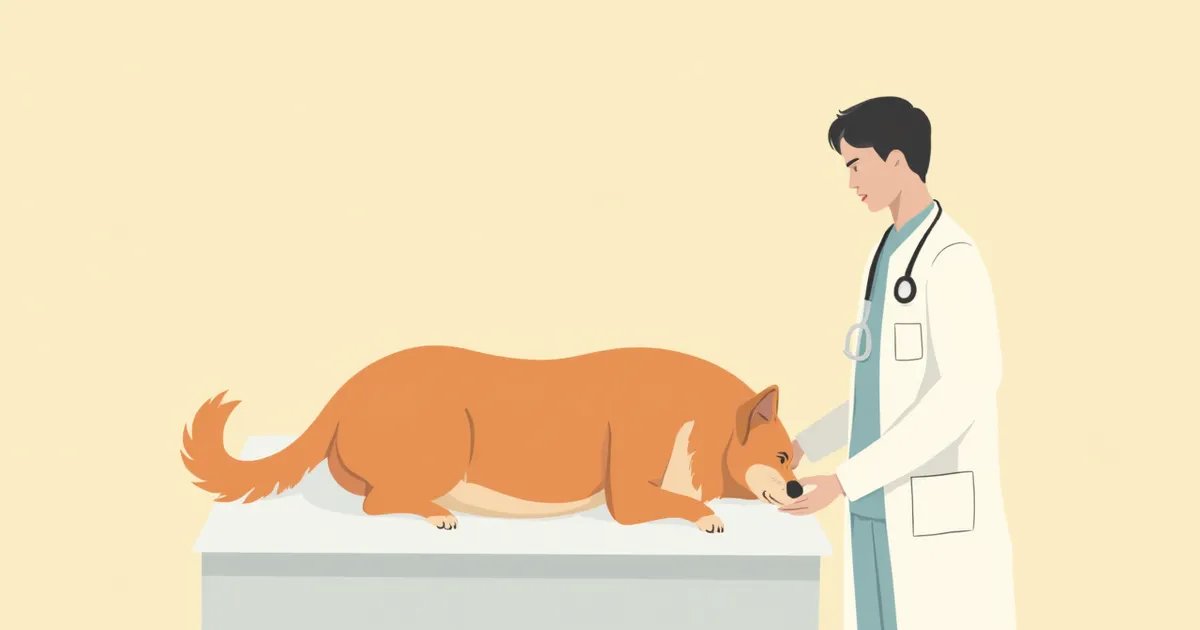
A veterinarian examining a large-breed dog with a distended abdomen due to gastric dilatation-volvulus
Gastric Dilatation-Volvulus (GDV), commonly known as bloat, is a life-threatening emergency in dogs where the stomach becomes excessively filled with food and gas, then twists on its axis. This twisting can also kink the esophagus and upper intestines, trapping stomach contents, reducing blood flow to the stomach wall, and causing rapid congestion and torsion of the spleen. GDV is a rapidly progressive emergency that worsens quickly once it starts, making time critical. If you notice your dog’s abdomen visibly distended and they are dry heaving without producing anything, do not wait and watch at home—immediately transport them to an emergency veterinary clinic.

Why Does Gastric Dilatation-Volvulus Occur? Main Causes

The exact cause has not yet been fully identified. However, according to veterinary textbooks, the likelihood of occurrence increases when multiple risk factors are present.
Deep and narrow chest conformation: A body structure with a deep and narrow chest is considered a primary risk factor.
Exercise immediately after eating: Exercising after meals can trigger the condition.
Rapid, large-volume eating: Rapid filling of the stomach with food and water over a short period is a risk factor.
Single daily feeding: Feeding once a day is reported as a risk factor.
Eating from elevated bowls: Eating from bowls placed higher than the ground can also be a contributing factor.
Stress: Stress is also mentioned as a related risk factor.

Checklist of Gastric Dilatation-Volvulus Symptoms You Must Not Miss
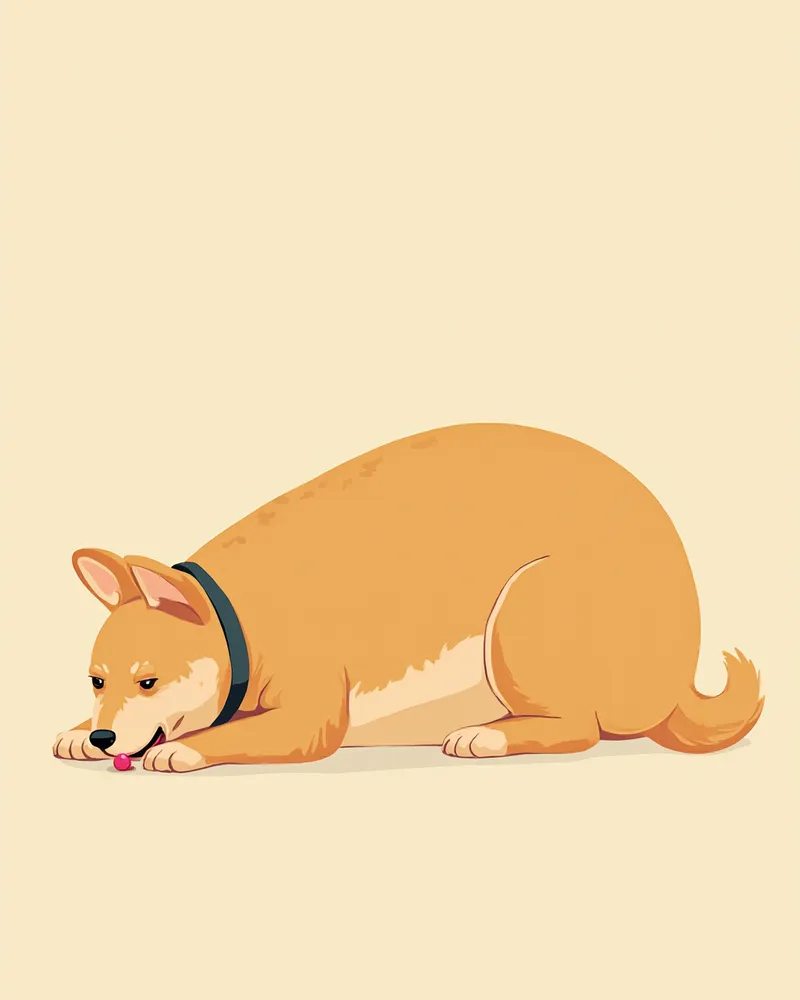
If any of the following symptoms appear all at once or develop rapidly, seek veterinary care immediately.
Sudden abdominal distension: The abdomen becomes visibly swollen, and it produces a drum-like sound when tapped.
Unproductive retching: The dog attempts to vomit but nothing comes up.
Excessive drooling: Significant discomfort leads to profuse salivation.
Restlessness: The dog repeatedly lies down and gets up, or constantly licks its abdomen.
Rapid breathing and weakness: Increased abdominal pressure makes breathing difficult.
Large-breed dogs showing symptoms of gastric dilatation-volvulus — abdominal distension and unproductive retching

If You See These Symptoms, Go to the Emergency Room Immediately

Dry heaving accompanied by abdominal distension is a medical emergency that requires immediate attention without any delay. If treatment is postponed, blood flow to the stomach wall and spleen can become obstructed, and reduced venous return to the heart can cause a drop in blood pressure, leading to shock. Regardless of whether it is nighttime or the clinic is far away, transport your pet immediately to a 24-hour emergency animal hospital.

How Is It Diagnosed at the Veterinary Hospital?

Veterinarians quickly confirm whether gastric dilatation-volvulus (GDV) is present through a physical examination and abdominal X-rays. If the stomach has twisted, a right lateral X-ray will show the pylorus displaced dorsally, compartmentalization of the stomach, and an abnormal gas pattern opposite to what is normally seen. To assess for shock, blood tests, blood pressure measurements, and electrocardiogram (ECG) monitoring are also performed. In unstable cases, diagnostic tests and treatment may proceed simultaneously.

Treatment for Gastric Dilatation-Volvulus — Surgery Is Required
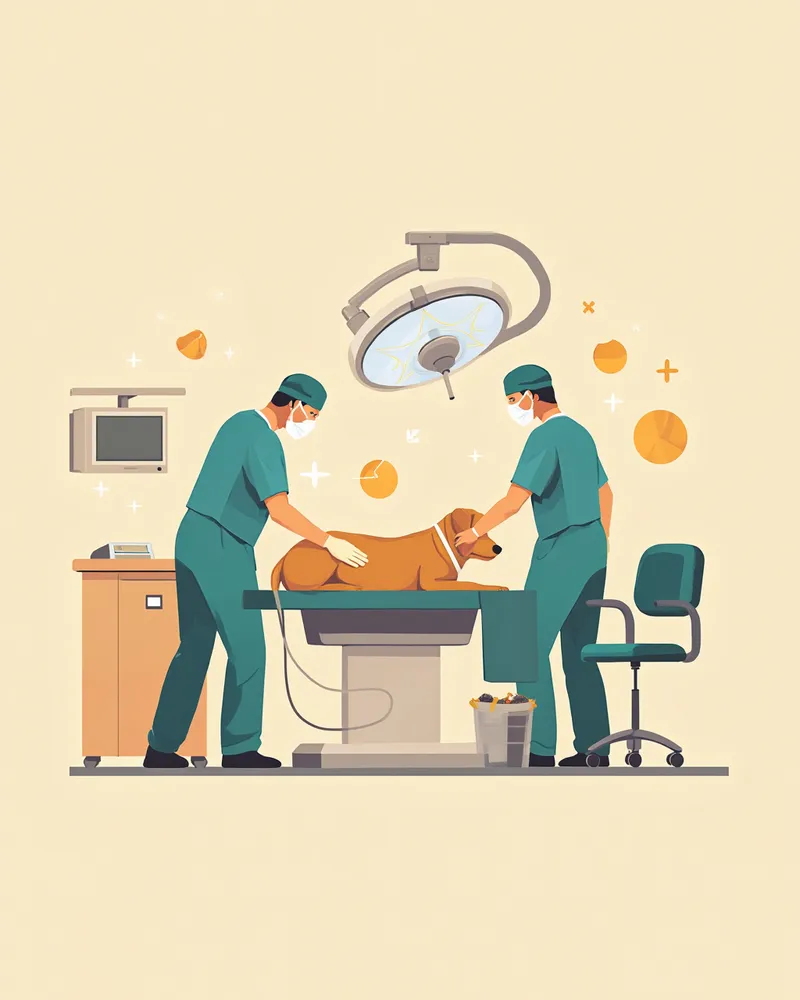
Gastric dilatation-volvulus (GDV), where the stomach actually twists, is a surgical emergency. Conservative management may be considered only in cases of simple gastric dilatation without torsion and with stable vital signs; however, if twisting is present, surgery is the standard of care.
Step 1 — Emergency Stabilization: First, correct shock with intravenous fluids and attempt decompression to remove trapped gas from the stomach.
Step 2 — Surgery: Return the stomach to its normal anatomical position and perform gastropexy, which anchors the stomach wall to the abdominal wall to prevent recurrence.
Step 3 — Intensive Monitoring: For several days post-surgery, closely monitor for ventricular arrhythmias and gastric tissue necrosis using electrocardiography (ECG).
The veterinary surgical team performing emergency surgery for gastric dilatation-volvulus

How to Care for Your Pet at Home After Surgery
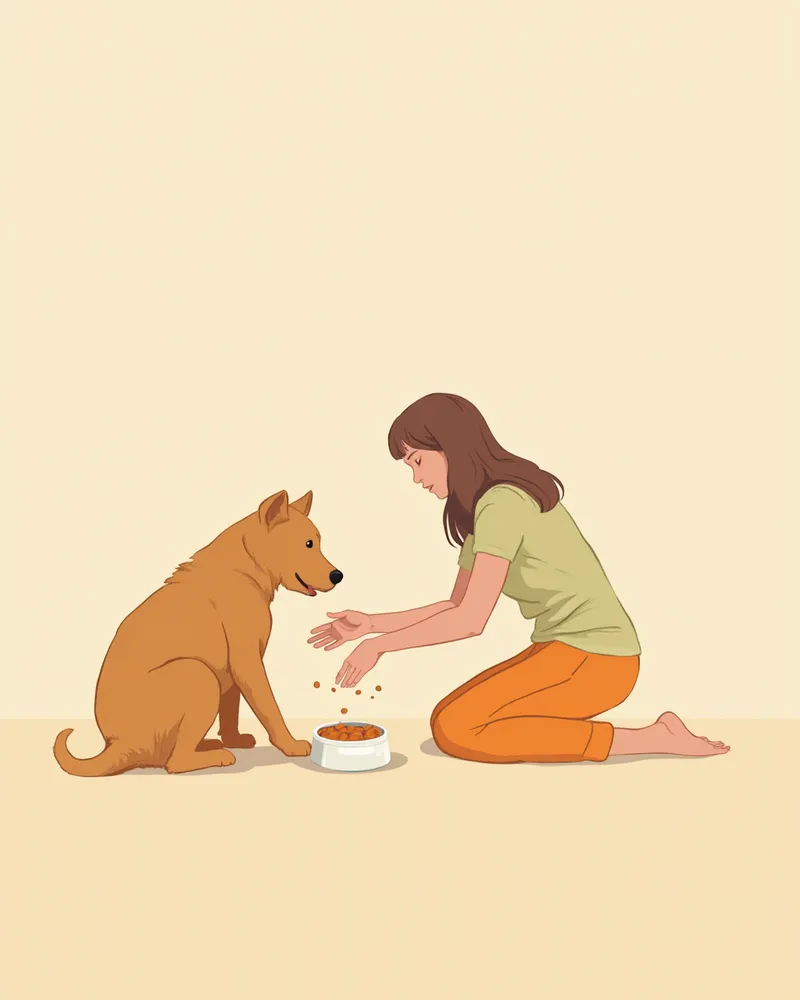
Once your pet is discharged after surgery, your role as a caregiver becomes crucial.
Feed small, frequent meals: Instead of two large meals a day, split the daily portion into three to four smaller meals and encourage slow eating.
Ensure at least one hour of rest after eating: Prevent your pet from running or rolling around immediately after meals.
Reconsider elevated food bowls: Some studies suggest that raised bowls may increase air swallowing. Consult with your veterinarian to decide what’s best for your pet.
Monitor for signs of recurrence: If you notice retching or abdominal distension returning, seek veterinary care immediately.
A guardian caring for a large breed dog by providing small, frequent meals after surgery

These Breeds Require Special Attention

Gastric dilatation-volvulus is especially common in large-breed dogs with deep, narrow chests. Veterinary textbooks also cite this chest conformation as a key risk factor. Breeds such as German Shepherds, Great Danes, Irish Wolfhounds, Labrador Retrievers, Saint Bernards, and Alaskan Malamutes are frequently mentioned as typical examples. If you have a dog with this body type, it is important to make dietary management and symptom monitoring part of your daily routine.

Reviewed by a veterinarian

Dr. Tony — Punnawat Phongkittirak

Dr. Tony — Punnawat Phongkittirak

Veterinarian

A veterinarian who majored in veterinary medicine at Khon Kaen University, Thailand, and completed the IVSA program at North Carolina State University in the United States. Drawing on clinical experience at animal hospitals, he works in the pet healthcare field and is dedicated to building a digital care environment that connects pet parents with veterinarians.

Frequently Asked Questions

How do you distinguish between gastric dilatation-volvulus and simple gas bloat?
Simple gas buildup usually resolves on its own over time through burping or passing gas. In contrast, with gastric dilatation-volvulus (GDV), your pet may try to vomit but nothing comes up, and their abdomen becomes increasingly firm and distended. If you suspect GDV, do not wait and watch at home—seek immediate veterinary care.
Is there a chance of recurrence after surgery?
Performing a gastropexy (a surgery that anchors the stomach to the abdominal wall) along with the primary procedure significantly reduces the risk of recurrence. Be sure to ask your veterinarian which surgical technique was used.
Is there anything pet owners can do to help prevent this?
It’s important to feed small, frequent meals and avoid vigorous activity after eating. For breeds at higher risk, preventive gastropexy may be recommended, so please consult with your veterinarian.
What should I do if symptoms appear in the early morning?
Gastric dilatation-volvulus is a life-threatening emergency that can occur even in the early hours of the morning. It’s wise to search for and save the contact information of nearby 24-hour emergency veterinary clinics in advance. If symptoms appear, head to the clinic immediately. Call ahead while en route so the veterinary team can prepare for your arrival, ensuring faster and more effective treatment.
What happens if surgery is not performed?
Recovery is unlikely without surgery. As gastric dilatation-volvulus progresses, blood flow to the stomach wall and spleen is compromised, and reduced venous return to the heart leads to a drop in blood pressure, resulting in shock, cardiovascular collapse, and multiple organ failure. Prompt surgical intervention is the cornerstone of treatment.

Share

Related Guides

References

[1] Shawcross G. The dog with gastric dilatation and volvulus. In: 100 Top Consultations in Small Animal General Practice. Wiley-Blackwell.

[2] The Veterinary Workbook of Small Animal Clinical Cases. Case 25: The Vomiting Dog. Wiley-Blackwell.

[3] Schaer M (ed). Clinical Medicine of the Dog and Cat, 4th Ed. CRC Press, 2022.

[4] Advanced Monitoring for Small Animal Emergency and Critical Care, 2nd Ed. Wiley-Blackwell.

[5] The Dog Care Handbook: Things I Wish My Vet Had Told Me. 2024.

This information is based on veterinary literature and does not replace diagnosis or treatment. Please consult a veterinarian for specific health concerns.

Metapet Co., Ltd. | CEO: Park Sung-yong | Business Reg. No. 417-88-02562 | Seoul, South Korea | Customer Center

Bloated Belly & Retching: GDV Warning Signs & Prevention | Meongsiljang