Like
Share
멍실장
강아지 라임병 — 한국 진드기 매개 질환 증상과 진단

Lyme Disease in Dogs — Symptoms and Diagnosis of Tick-Borne Disease in Korea

Infection/ParasitesDiseasesMeongsiljang Veterinary Advisory Board

Lyme disease in dogs is an infectious disease caused by a tick bite from a tick infected with the Borrelia bacterium. As cases are increasingly being reported in Korea, it is important to check for ticks after walks and seek early diagnosis.

What Is Lyme Disease in Dogs?
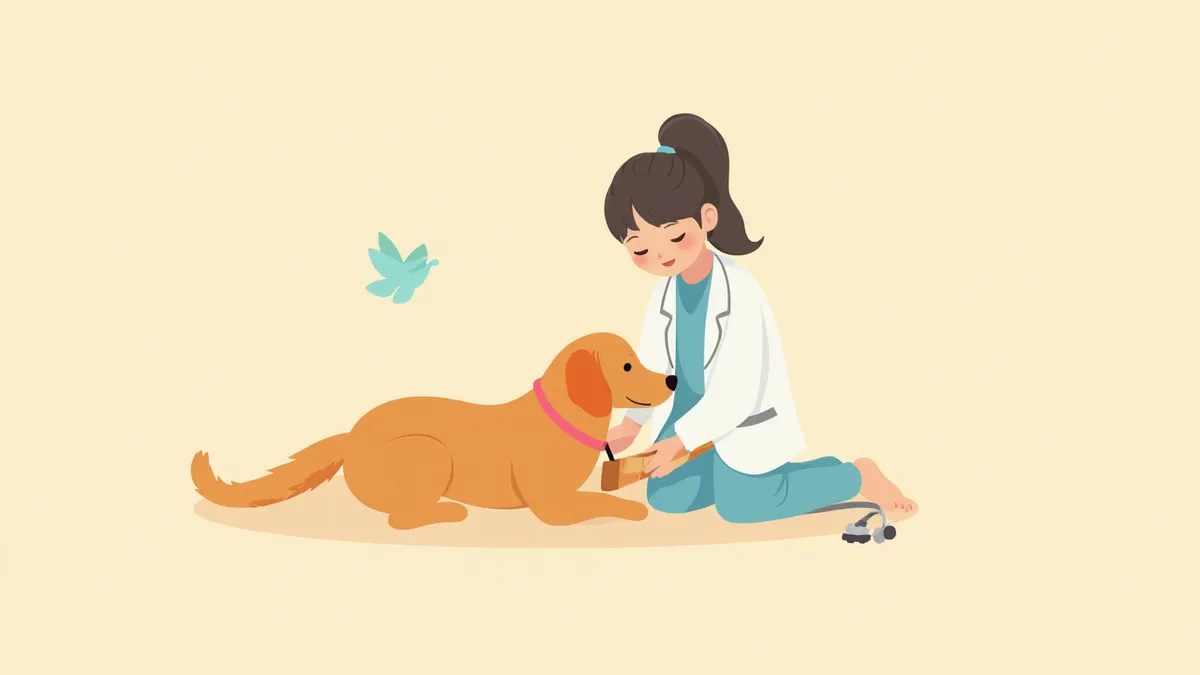
A veterinarian examining a puppy's leg joints.
Lyme disease in dogs is a tick-borne infection transmitted by the bite of an infected black-legged tick (Ixodes species) carrying Borrelia burgdorferi. The most critical factors are early detection and the timely initiation of antibiotic treatment. However, because Lyme disease has a long incubation period, symptoms such as fever, limping (migratory lameness), decreased appetite, and lethargy typically appear 2 to 5 months after the tick bite. Therefore, if your dog has been bitten by a tick during a walk and exhibits these symptoms, do not dismiss them as simple muscle soreness, even if some time has passed; seek veterinary care immediately. The earlier the disease is detected and treatment begins, the better the chances of preventing kidney and joint complications and achieving a full recovery.

Causes and Current Status of Outbreaks in Korea

Lyme disease begins when a dog is bitten by an Ixodes tick, allowing the Borrelia bacteria residing in the tick’s midgut and salivary glands to enter the bloodstream during feeding. The tick must remain attached to the skin for approximately 50 hours (about two days) or longer for significant transmission to occur. Small animals such as birds and rodents serve as reservoir hosts for the bacteria. In Korea, reports of forest-dwelling Ixodes ticks are steadily increasing in Gangwon Province, northern Gyeonggi Province, and mountainous regions. The highest risk of infection occurs in spring (April–June) and autumn (September–November), particularly after outdoor activities such as camping, hiking, or walking on grassy areas.

Suspect Lyme Disease If You See These Symptoms
Unlike humans, dogs with Lyme disease rarely develop the characteristic target-shaped rash. While people often experience flu-like symptoms in the early stages of infection, dogs frequently pass through the antibody-development phase without showing obvious signs. Instead, watch closely for the following indicators:
Limping: The most classic sign is shifting-leg lameness, where the limp moves from one leg to another.
Joint swelling and pain: The knee and ankle joints become swollen and painful to the touch.
Fever: A fever, ranging from low-grade to high, can persist for several days.
Loss of appetite and lethargy: Your dog may refuse walks and sleep more than usual.
Enlarged lymph nodes: The lymph nodes under the jaw and on the inner thighs may become noticeably swollen.
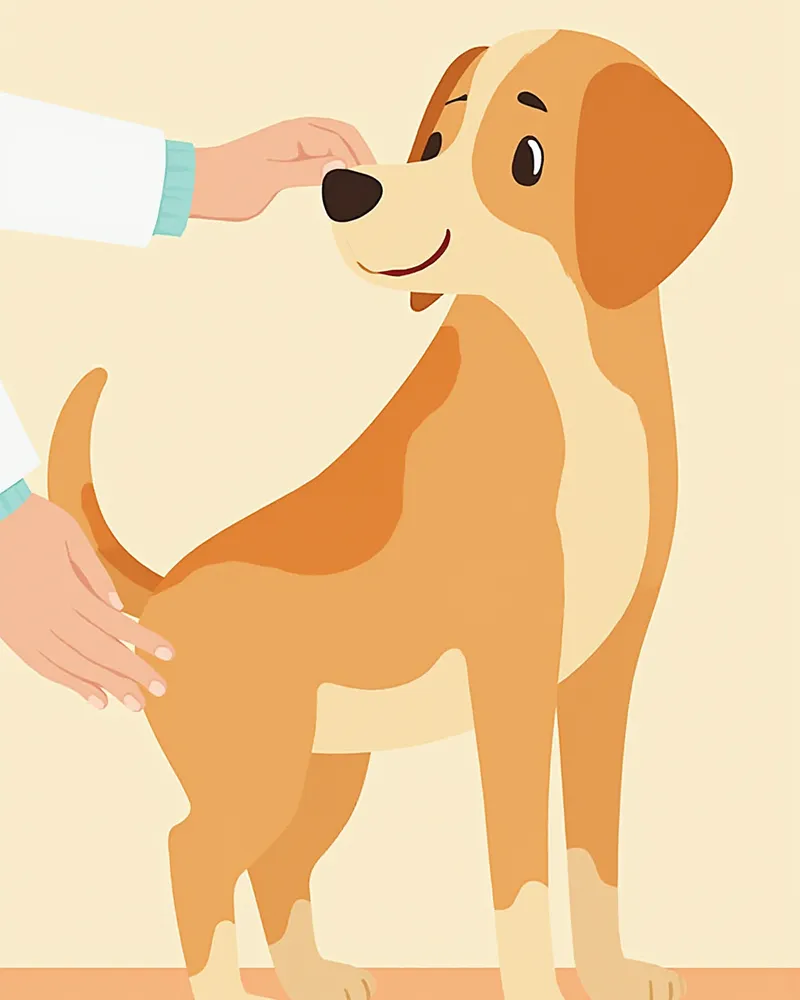
A scene showing a veterinary examination to check for swelling in a dog's knee joint.

Go to the Vet Within 24 Hours If You See These Symptoms

If any of the following signs are present, emergency veterinary care is necessary. Lyme nephritis progresses rapidly and has a high mortality rate, leaving a very narrow window for effective treatment. Seek emergency care immediately—even at night—if your pet shows a sudden decrease or increase in urine output, swelling in the legs or abdominal distension, neurological symptoms such as seizures or inability to stand, or complete refusal to eat or drink for more than 24 hours.

How Is Diagnosis Performed?

Veterinarians typically diagnose Lyme disease by combining clinical signs, tick exposure history, and antibody testing. The most common initial test is the SNAP 4Dx Plus rapid antibody kit, which can detect Lyme disease, heartworm, Anaplasma, and Ehrlichia in just 10 minutes at the vet clinic. If the result is positive, further tests such as a quantitative antibody test (C6 ELISA) and urinalysis are performed to check for Lyme nephritis. If joint symptoms are severe, joint fluid analysis may also be conducted.

Comparison of Major Diagnostic Tests

ItemRapid antibody kit (SNAP 4Dx)Quantitative C6 antibody testUrine protein/creatinine (UPC)
Test time10 minutes2–3 daysSame day
What it checksAntibody screening (exposure status)Antibody quantification/treatment response assessmentEarly detection of Lyme nephropathy (proteinuria)
When neededFirst-line when symptoms are suspectedConfirm antibody level/treatment response after a positive resultCheck for kidney complications when positive
Burden on the ownerLowModerateLow

Test items and costs vary by clinic, region, and body weight.

How Is Treatment Performed?
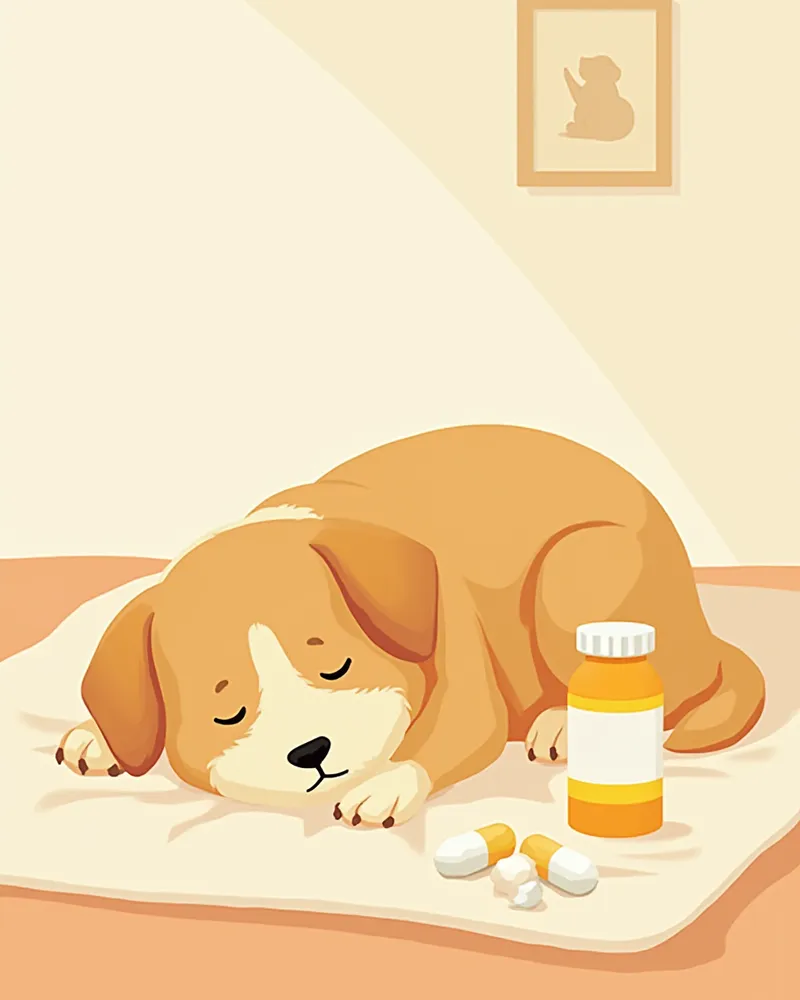
The primary treatment for Lyme disease is the antibiotic doxycycline, typically administered at a dose of 5–10 mg/kg once or twice daily. This medication is usually prescribed for a 30-day course (approximately four weeks), with noticeable improvement in limping and fever often occurring within 24 to 48 hours (1–2 days). However, stopping the medication prematurely once symptoms subside can lead to relapse or chronic infection, so it is crucial to complete the full prescribed duration. For severe joint pain, short-term anti-inflammatory and pain-relieving medications may be used concurrently. In cases of Lyme nephritis, additional kidney-supportive therapy, fluid administration, and dietary management are necessary. Your veterinarian will determine the precise dosage and schedule based on your pet’s weight and the presence of any complications.
A puppy resting at home after starting antibiotic treatment.

Recovery Care to Manage at Home

There’s still a lot for you to manage even after treatment begins.
Stick to the medication schedule: Give the medicine at the same time each day, 1–2 times daily. Administering it with a small amount of food rather than on an empty stomach reduces gastrointestinal irritation.
Reduce joint strain: Place mats on slippery floors, and avoid high-intensity walks and jumping for the first two weeks of recovery.
Monitor changes in urine: Keep a record of color, volume, and frequency; this information will be very helpful during follow-up visits.
Maintain tick prevention: Continue using tick preventatives throughout the recovery period to prevent reinfection.
If you’re interested in prevention, you may also find our Dog Tick Preventative Comparison Guide helpful.

Preventing Recurrence and Breed-Specific Precautions

Even after successful treatment, Lyme disease can recur if your dog is bitten by another tick, and relapses have been reported due to incomplete bacterial clearance. After spring and autumn walks, carefully check for ticks by running your fingers through the inner ears, neck, armpits, and between the toes. Regardless of breed, dogs testing positive for Lyme disease are at risk of Lyme nephritis (proteinuria); therefore, it is recommended to monitor both quantitative C6 antibody levels and urine tests before and after treatment (approximately six months later).

Reviewed by a veterinarian

Dr. Tony — Punnawat Phongkittirak

Dr. Tony — Punnawat Phongkittirak

Veterinarian

A veterinarian who majored in veterinary medicine at Khon Kaen University, Thailand, and completed the IVSA program at North Carolina State University in the United States. Drawing on clinical experience at animal hospitals, he works in the pet healthcare field and is dedicated to building a digital care environment that connects pet parents with veterinarians.

Frequently Asked Questions

Can Lyme disease be transmitted from dogs to humans?
Dogs don’t directly transmit ticks to people. However, ticks that hitch a ride on your dog and enter your home can bite you and cause infection, so checking for ticks after walks is important not just for your dog’s health, but for yours as well.
Does a tick bite always mean your pet has Lyme disease?
Not necessarily. The tick must be infected with Borrelia bacteria, and it typically needs to remain attached to the skin for about 50 hours (roughly two days) or more for the risk of transmission to increase significantly. The sooner you remove the tick, the lower the chance of infection.
Is the Lyme disease vaccine absolutely necessary?
While Lyme disease vaccines are available, they are not considered core vaccines. In Korea, officially approved canine Lyme vaccines are limited, so if your dog lives in forested areas or goes camping frequently, consult your veterinarian to decide whether vaccination is appropriate. For most other dogs, consistently using year-round tick preventatives is a more practical approach.
After treatment, the antibody test remains positive. Does this mean my pet has been reinfected?
Serum testing checks for exposure, so once a dog has been exposed, antibodies can remain in the body for several months to years. Therefore, a positive result does not necessarily mean reinfection; it is important to consider both changes in quantitative C6 antibody levels and clinical symptoms.
How do you remove a tick at home once you’ve found one?
Grasp the tick as close to the skin as possible with a tick remover or tweezers, and pull it out slowly and straight. Do not twist or squeeze it with your fingers, as this can force infected material back into the skin and pose a risk. After removal, seal the tick in a container and keep it for 1–2 weeks; if symptoms appear, bring it to the clinic, as it can aid in diagnosis.

Share

Related Guides

References

[1] Greene, C.E., Infectious Diseases of the Dog and Cat, 4th Ed, Chapter on Borreliosis (Lyme Disease)

[2] BSAVA Manual of Canine and Feline Dermatology, 4th Ed, Tick-borne diseases section

[3] Principles and Practices of Canine and Feline Clinical Parasitic Diseases, Ectoparasites chapter

[4] ACVIM Consensus Update on Lyme Borreliosis in Dogs and Cats (Littman et al., 2018)

This information is based on veterinary literature and does not replace diagnosis or treatment. Please consult a veterinarian for specific health concerns.

Metapet Co., Ltd. | CEO: Park Sung-yong | Business Reg. No. 417-88-02562 | Seoul, South Korea | Customer Center

Lyme Disease in Dogs: Tick-Borne Symptoms & Diagnosis | Meongsiljang