Like
Share
멍실장
강아지 건성각결막염(KCS) — 평생 인공눈물 관리 가이드

Canine Keratoconjunctivitis Sicca (KCS) — A Guide to Lifelong Artificial Tear Management

Eye HealthDiseasesMeongsiljang Veterinary Advisory Board

We’ve compiled all the essential information pet owners need to know about canine keratoconjunctivitis sicca (KCS), including its causes, symptoms, diagnosis, and treatment, as well as lifelong eye-drop routines and special considerations for brachycephalic breeds.

What is Canine Keratoconjunctivitis Sicca (KCS)?
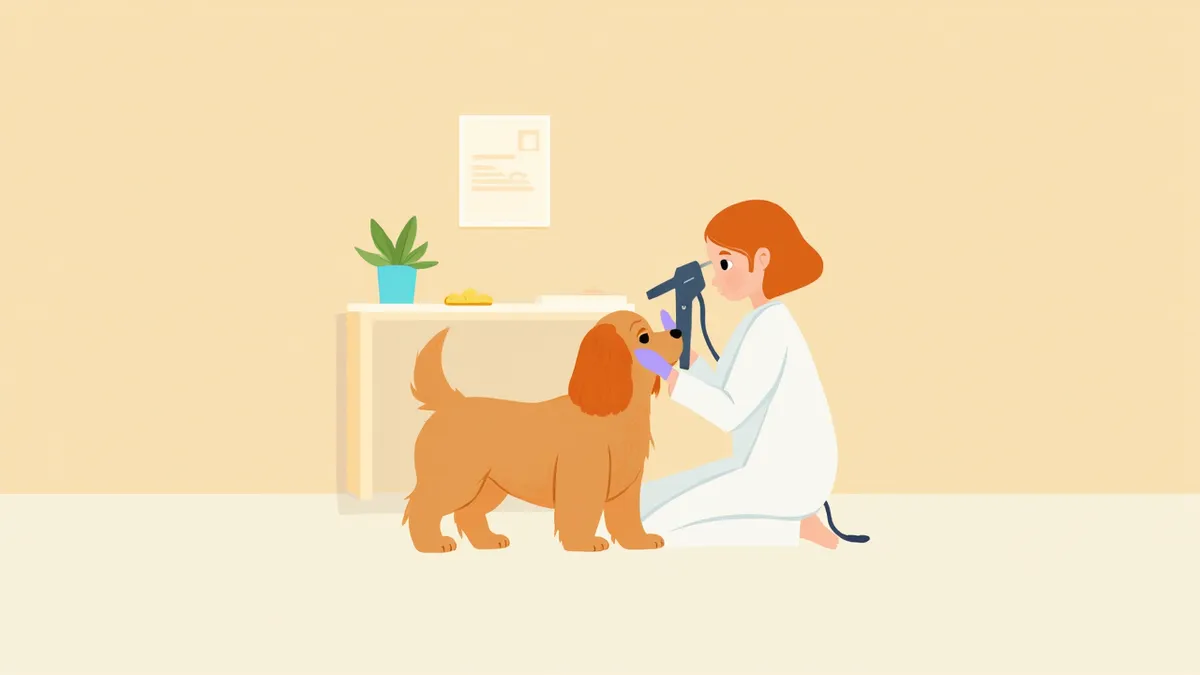
A veterinarian examining the eyes of a Cocker Spaniel
Keratoconjunctivitis sicca (KCS), commonly known as dry eye in dogs, is a chronic ocular condition caused by insufficient tear production, leading to persistent dryness of the cornea and conjunctiva. Lifelong management is essential. Once a dog develops KCS, it does not resolve on its own; consistent application of artificial tears and immunosuppressive eye drops is necessary to preserve vision. This progressive condition typically begins with sticky discharge and recurrent redness, but if left untreated, it can advance to corneal ulcers, pigmentation, and even blindness.

What Causes Keratoconjunctivitis Sicca?

The most common cause is immune-mediated destruction of the tear glands (immune-mediated dacryoadenitis). This occurs when the body’s own immune cells attack the lacrimal glands and the third eyelid gland, reducing tear production. There are also several other potential causes: - Drug side effects: Can occur after using certain medications, such as sulfonamides or etodolac - Complications following third eyelid gland removal: Such as after cherry eye surgery where the gland was removed - Facial nerve paralysis (neurogenic KCS): When nerve signals to the tear glands are blocked - Endocrine disorders: Such as hypothyroidism or Cushing’s disease (hyperadrenocorticism) - Genetic predisposition: More commonly seen in breeds like the West Highland White Terrier, Cocker Spaniel, Springer Spaniel, Shih Tzu, Pug, Bulldog, and Lhasa Apso

Key Symptom Checklist

Early symptoms can resemble simple conjunctivitis, making the condition easy to overlook. If you notice any of the following signs, an ophthalmic examination is necessary. - Sticky mucous discharge: Yellow or green discharge accumulates and adheres to the corners of the eyes upon waking. - Recurring redness: The eyes redden again within 1–2 weeks, even after using standard eye drops. - Corneal changes: The cornea appears cloudy or develops dark pigment deposits. - Eye rubbing: The pet frequently rubs its eyes with its front paws or rubs them against furniture edges. - Third eyelid protrusion: The white membrane on the inner side of the eye appears more prominent than usual. - Light avoidance: The pet squints or keeps its eyes closed in bright environments.
A close-up of a dog’s eyes showing sticky discharge and redness caused by dry keratoconjunctivitis.

These Signs Are Emergencies — Visit the Vet Within 24 Hours

If you notice scratches or whitish spots on the cornea, a corneal ulcer is likely developing. Delaying treatment at this stage can lead to corneal perforation and blindness. If your pet struggles to keep their eyes open, experiences a sudden increase in tearing, or shows signs of pain such as whining or decreased appetite, seek veterinary care at a clinic with ophthalmology services within 24 hours. Never rely solely on artificial tears and wait for improvement.

How Is It Diagnosed?

The standard diagnostic test for dry eye (keratoconjunctivitis sicca) is the Schirmer Tear Test (STT). A small, calibrated paper strip is placed inside the lower eyelid (in the lower conjunctival sac) for one minute to measure tear absorption. - Normal: 15 mm or more per minute - Suspicious: 10–14 mm (range suggesting KCS) - Diagnostic: Less than 10 mm is generally diagnosed as KCS - Severe/Complete deficiency: Less than 5 mm indicates severe disease, while 0 mm indicates "absolute" KCS with no tear production at all, representing particularly challenging cases Additionally, fluorescein staining is used to check for corneal ulcers, and conjunctival swabs or bacterial cultures may be performed if needed to assess secondary infections. Thyroid and adrenal hormone tests may also be conducted to identify underlying causes.

Treatment — Lifelong 3-Component Eye Drop Regimen
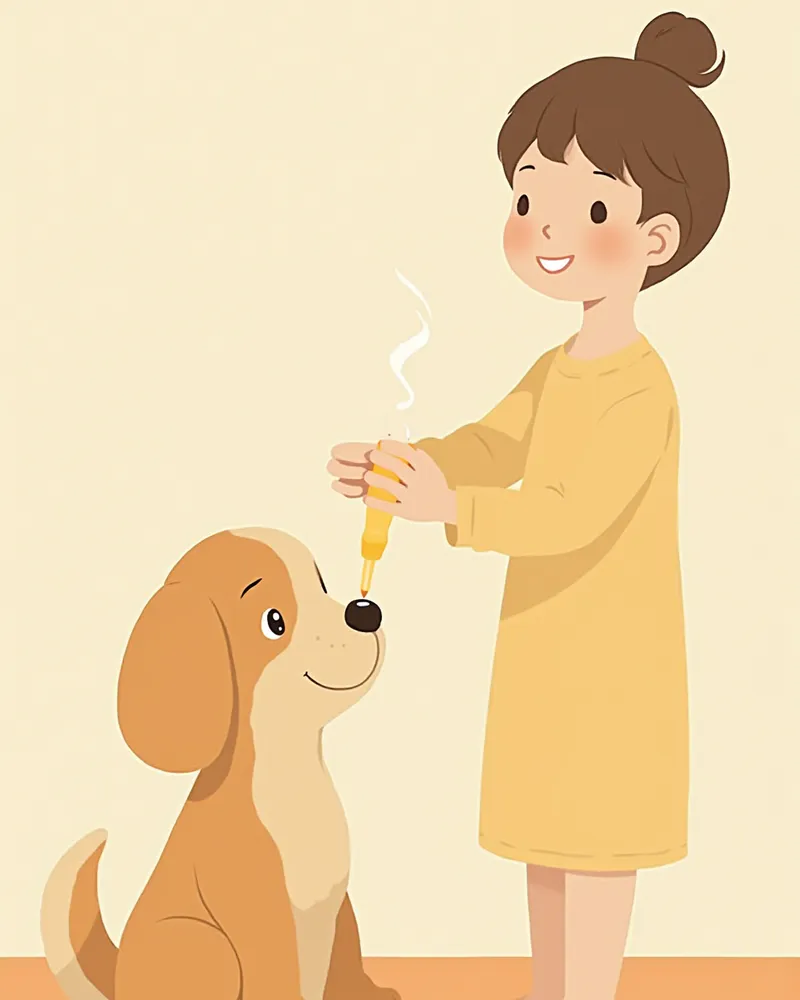
Treatment involves lifelong concurrent use of immunosuppressive eye drops, artificial tears, and antibiotic eye drops. - Cyclosporine 0.2% or Tacrolimus 0.03%: These are first-line immunosuppressants that stimulate and restore tear production (typically administered twice daily). - Artificial tears (containing hyaluronic acid, carboxymethylcellulose, etc.): These supplement the deficient tear film (applied multiple times a day as needed based on symptoms). - Antibiotic eye drops: Used only for the duration prescribed by your veterinarian if a secondary bacterial infection is present. - Surgical options: For severe or refractory cases that do not respond to medication, surgical treatment may be considered at the discretion of a veterinary ophthalmologist. Procedures include salivary gland duct transposition (rerouting a salivary duct to the eye to lubricate it with saliva) and eyelid surgery to reduce the palpebral fissure.
A pet owner administering eye drops to their dog

Comparison of Treatment Medications

ItemCyclosporine 0.2%Tacrolimus 0.03%Hyaluronic acid artificial tears
EffectRestores tear productionRestores tear productionSupplements the tear film
Application frequencyTwice a dayTwice a day4–6 times a day
Onset of effect2–6 weeks2–4 weeksImmediate
Prescription requiredTrueTrueFalse
RoleFirst-line treatmentWhen unresponsive to cyclosporineSupplementary moisturizing

Drug selection is determined by the veterinarian based on STT results and responsiveness

At-Home Eye Drop Routine Essentials
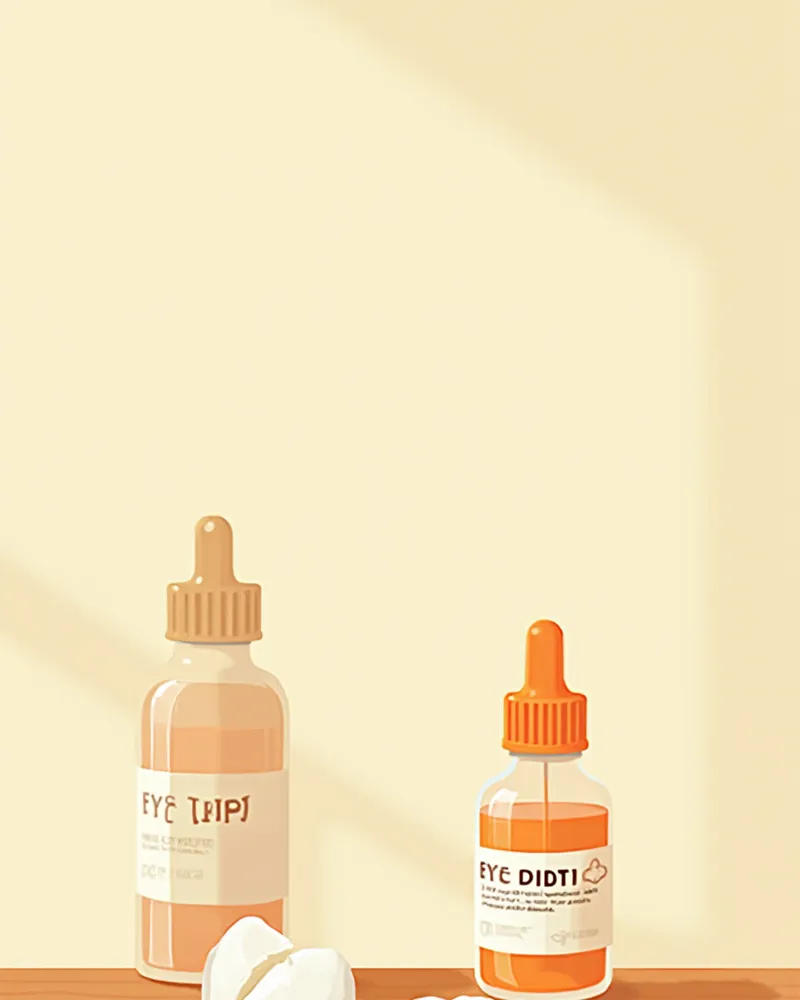
Consistency on your part is key when eye drops need to be administered multiple times a day. Linking drop times to your pet’s meal and walk routine, and setting alarms, will help you avoid missing doses. - Clean before application: Gently wipe away eye discharge with gauze moistened in lukewarm saline. - Maintain distance: Hold the dropper about 1 cm above the eye so the tip does not touch the cornea. - Space out medications: Wait at least 5 minutes between applications of different eye drops. - Stay consistent: Cyclosporine takes 2 to 6 weeks to show effects, so do not stop it without veterinary guidance. - Moisturize after walks: After exposure to dust or pollen, add one extra drop of artificial tears.
Photo of supplies for pet owners to prepare before applying eye drops to their dog

Regular STT Testing from Age 4 for Brachycephalic and Long-Haired Breeds

Breeds such as the Cocker Spaniel, Springer Spaniel, Shih Tzu, Pug, Bulldog, Lhasa Apso, Pekingese, Cavalier King Charles Spaniel, and West Highland White Terrier are known to be predisposed to Keratoconjunctivitis Sicca (KCS). For these breeds, it is advisable to have a Schirmer tear test performed annually starting around four to five years of age to monitor tear production. Since KCS commonly affects both eyes, if dry eye (Keratoconjunctivitis Sicca) is diagnosed in one eye, the other eye should also be monitored regularly. If you suspect another eye condition, please also refer to our guide on Dog Conjunctivitis: Symptoms and Treatment.

Reviewed by a veterinarian

Dr. Tony — Punnawat Phongkittirak

Dr. Tony — Punnawat Phongkittirak

Veterinarian

A veterinarian who majored in veterinary medicine at Khon Kaen University, Thailand, and completed the IVSA program at North Carolina State University in the United States. Drawing on clinical experience at animal hospitals, he works in the pet healthcare field and is dedicated to building a digital care environment that connects pet parents with veterinarians.

Frequently Asked Questions

Is using artificial tears alone sufficient?
That’s not enough. Artificial tears only temporarily replenish the deficient tear film; they don’t restore the underlying cause, which is reduced lacrimal gland function. Immunosuppressive eye drops such as cyclosporine or tacrolimus must be used alongside them to actually increase tear production.
Will my pet need to take medication for the rest of its life?
Most dogs require lifelong eye drops. According to standard veterinary guidelines, treatment for Keratoconjunctivitis Sicca (KCS) should begin as soon as it is diagnosed and continue for life. Stopping the medication can cause tear production to decrease again, leading to a recurrence of symptoms. In some cases, if tear production has sufficiently recovered, your veterinarian may consider gradually reducing the dosage, but you should never stop the medication on your own.
Cyclosporine eye drops are expensive. Are there any cheaper alternatives?
Tacrolimus 0.03% is another option to consider when the response to cyclosporine is weak. Rather than switching medications simply due to cost, your veterinarian should adjust the prescription based on Schirmer tear test (STT) results and the patient's response. Over-the-counter artificial tears are safe and can be used as a supplementary treatment.
My dog really hates having eye drops applied. What should I do?
It’s effective to hug your pet from behind to block their view, gently lift the upper eyelid with one hand, and quickly drop the eye drops from an angle where they can’t see you. Giving a treat immediately after instilling the drops helps create a positive association, reducing resistance.
When is salivary duct transposition considered?
We consider surgical options when STT levels remain very low (near complete absence) despite consistent medication, or if the owner finds it difficult to maintain a lifelong eye-drop routine. However, since this procedure involves channeling saliva to moisten the eye, it may lead to side effects such as mineral deposits or excessive tearing during meals, so thorough consultation with a veterinary ophthalmologist is essential.

Share

Related Guides

References

[1] Gelatt KN et al. Veterinary Ophthalmology, Vol. 2, pp. 871–873, Wiley-Blackwell, Oxford, UK, 2013.

[2] Esson DW, Calvarese S (Eds.). Clinical Atlas of Canine and Feline Ophthalmic Disease, 2nd Ed. John Wiley & Sons, 2022.

[3] Seo KM, Nam TC. Tear formation, the patency and angle of bend of nasolacrimal duct in poodle dogs.

[4] Ny Y et al. Medial canthoplasty for epiphora in dogs: a retrospective study of 23 cases. J Am Anim Hosp Assoc. 2006;42:435–439.

This information is based on veterinary literature and does not replace diagnosis or treatment. Please consult a veterinarian for specific health concerns.

Metapet Co., Ltd. | CEO: Park Sung-yong | Business Reg. No. 417-88-02562 | Seoul, South Korea | Customer Center

Dog Dry Eye (KCS): Symptoms, Treatment & Lifelong Artificial Tear Care | Meongsiljang