Like
Share
멍실장
강아지 개 귀진드기 증상과 원인, 진단·치료와 관리 포인트 총정리

Ear Mites in Dogs: Symptoms, Causes, Diagnosis, Treatment, and Care Essentials

Infection/ParasitesDiseasesMeongsiljang Veterinary Advisory Board

Ear mites in dogs are tiny parasites that live inside the ear canal, causing itching and inflammation. Early diagnosis and proper treatment are essential.

Ear Mites in Dogs Are Parasitic Diseases Caused by Parasites Living Inside the Ear

Your dog is scratching its ears vigorously.
Ear mites in dogs are primarily caused by Otodectes cynotis. These parasites live in the external ear canal, feeding on the epidermis, cellular debris, and tissue fluids within the ear, where they reproduce. Infection irritates the ear, leading to excessive earwax production, dark brown discharge, inflammation, and intense itching. Severe cases may result in self-inflicted wounds from scratching or secondary infections. Ear mites are highly contagious through contact with infected dogs or cats and can survive in the environment for weeks to months after leaving the host, posing a significant risk of transmission. This is especially important in multi-pet households. Early diagnosis and consistent treatment are crucial, so please consult your veterinarian if you suspect an ear mite infection.

The Main Causes of Ear Mites Are Parasitic Infestation and Environmental Factors

The most common cause of ear mites in dogs is infestation by Otodectes cynotis. These mites are obligate parasites that live exclusively in the external ear canal and spread very easily through direct contact with infected dogs or cats. Consequently, even asymptomatic pets living in the same household can transmit the mites to one another. Furthermore, ear mites can survive in the environment away from their host for several weeks to months, meaning that a single treatment is often insufficient and environmental management is also required. Puppies are particularly susceptible to infection, while older dogs tend to develop immunity and experience fewer cases. The key to prevention lies in maintaining clean ear hygiene and simultaneously treating all cohabiting animals.
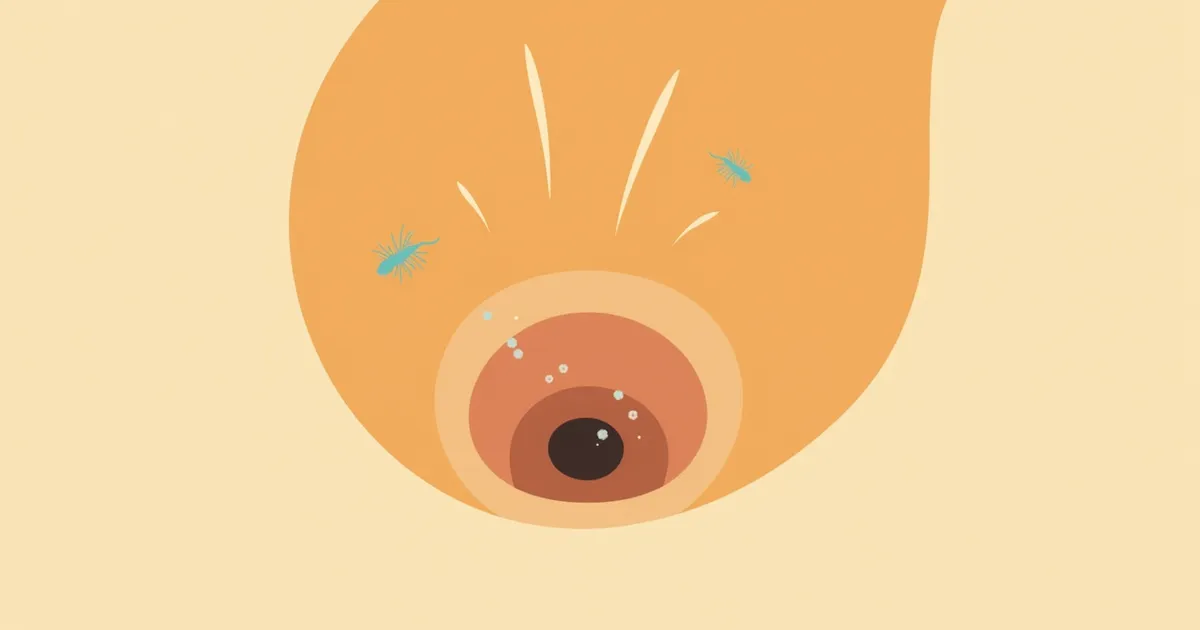
A dog’s ear with dark spots and redness inside

Quickly Identify Key Symptoms and Signs

The main symptoms of ear mites in dogs are as follows:
Repeated ear scratching: Due to itching, your dog may frequently scratch or shake its ears.
Dark discharge inside the ears: A dark brown, coffee-ground-like earwax may accumulate inside the ear canal.
Excessive earwax and odor: Irritation can lead to excessive earwax production, and secondary bacterial or Malassezia infections may cause an unpleasant odor.
Irritation outside the ears: If the parasites spread beyond the ear canal, a rash (papular dermatitis) may appear on the head and neck.
Head shaking: If the ears are itchy or uncomfortable, your dog may shake its head repeatedly.
If you notice any of these symptoms, please consult a veterinarian immediately.
A close-up image of a dog's ear with black debris inside

When Immediate Veterinary Care Is Necessary

If your pet is experiencing severe pain, bleeding, or pus discharge in the ear, or if the ear is completely blocked and they can't hear, immediate veterinary care is necessary. These symptoms may indicate a worsening infection or the development of middle ear inflammation. Delaying treatment could lead to hearing loss or chronic inflammation.

Veterinarians Perform Ear Examinations for Accurate Diagnosis

Diagnosing ear mites in dogs involves a veterinarian examining the ears and observing ear discharge under a microscope. During the examination, the movement of ear mites or their eggs can be identified. In some cases, severe inflammation inside the ear may make diagnosis difficult, so additional tests such as otoscopy or inflammatory response tests may be performed if necessary. Treating without an accurate diagnosis can lead to ineffective treatment or worsening of the condition.
A veterinarian examining a dog's ear using an otoscope.

Treatment Focuses on Eliminating Parasites and Reducing Inflammation
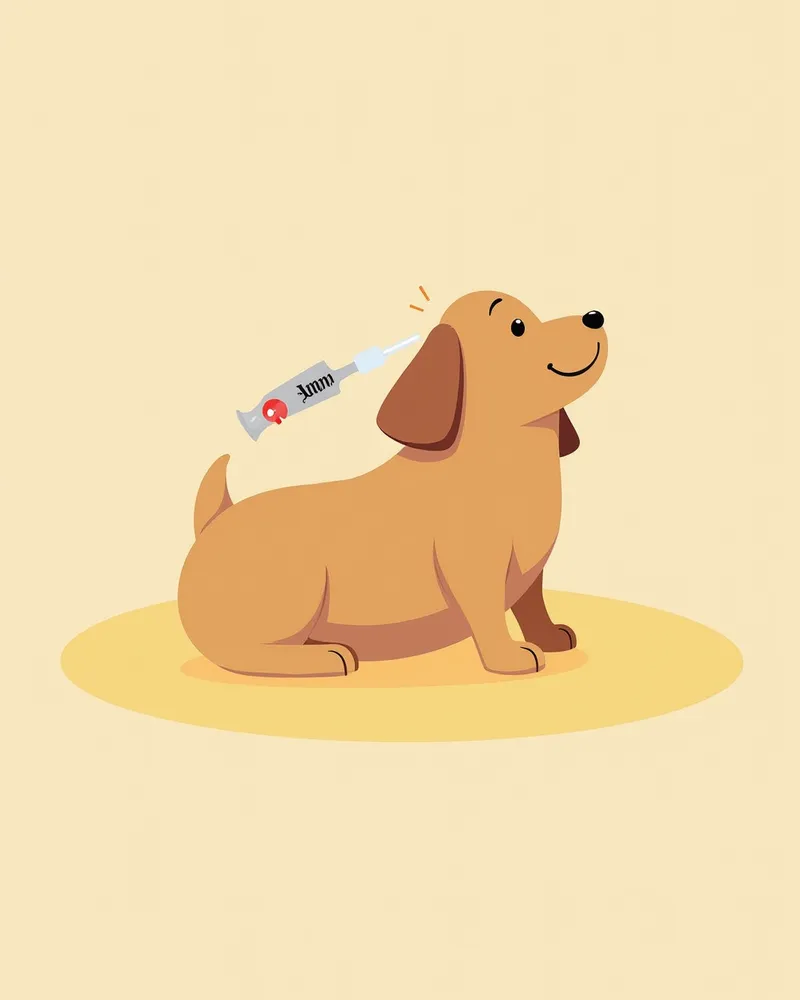
Treating ear mites in dogs requires a comprehensive approach.
Topical treatments (spot-on medications): Use veterinarian-prescribed spot-on medications containing selamectin or moxidectin to eliminate the parasites.
Isoxazoline-class drugs: Isoxazoline-class medications, such as fluralaner, can be administered to dogs as either oral or topical treatments.
Treatment of secondary infections: If cytology confirms a bacterial or Malassezia infection, thoroughly clean the ears and treat the infection concurrently.
Preventing recurrence: Since ear mites have a life cycle of approximately three weeks, administer a follow-up dose after 3–4 weeks and perform environmental cleaning.
During the treatment period, all cohabiting animals must be treated simultaneously, even if they show no symptoms, to prevent reinfection.
A veterinarian administering ear drops to a puppy.

Home Care and Prevention Are Essential

Consistent care remains essential even after treatment.
Ear cleaning: Gently wipe the ears with a veterinarian-recommended product to manage earwax and discharge.
Environmental cleaning: Ear mites can survive in the environment for several weeks to months, so thoroughly wash and disinfect the dog’s bed and toys that are used frequently.
Use of preventive and therapeutic medications: Use medications prescribed by your veterinarian, such as those in the selamectin, moxidectin, or isoxazoline classes (e.g., Fluralaner), exactly as directed.
Concurrent management of cohabiting animals: Treat all dogs and cats in the same household simultaneously, even if they show no symptoms, to prevent reinfection.
Regular check-ups: Have your veterinarian periodically examine the condition of the ears.
These habits are key to preventing recurrence.
A puppy resting comfortably on a clean bed.

Breed-Specific Precautions and Tips to Prevent Recurrence

Ear mites are especially common in young puppies, and infections tend to decrease as they age and develop immunity. Additionally, ear mites are much more prevalent in cats than in dogs, so dogs that live with cats require extra vigilance. Since ear mites have a life cycle of approximately three weeks, a single treatment may not be sufficient for complete eradication; therefore, if symptoms recur after treatment, immediate veterinary attention is necessary.

Reviewed by a veterinarian

Dr. Tony — Punnawat Phongkittirak

Dr. Tony — Punnawat Phongkittirak

Veterinarian

A veterinarian who majored in veterinary medicine at Khon Kaen University, Thailand, and completed the IVSA program at North Carolina State University in the United States. Drawing on clinical experience at animal hospitals, he works in the pet healthcare field and is dedicated to building a digital care environment that connects pet parents with veterinarians.

Frequently Asked Questions

Can dog ear mites be transmitted to humans?
Ear mites primarily infest the ears of dogs and cats, and transmission to humans is rare. However, there have been reported cases where human contact with infected animals caused temporary skin itching, so it’s a good idea to wash your hands thoroughly after handling an infected puppy.
How long does it take to treat ear mites?
Ear mites have a life cycle of about three weeks from egg to adult, so consistent treatment is essential to eliminate parasites at all stages. A follow-up treatment may be needed after three to four weeks, so please continue the full course of treatment as directed by your veterinarian, even after symptoms have resolved.
What kind of ear mite preventive medication should I use?
Medications containing isoxazoline-class ingredients, such as selamectin, moxidectin, and fluralaner, are effective. Rather than choosing a product on your own, it is safest and most effective to use the one prescribed and recommended by your veterinarian, following their instructions.
Is it safe for my dog to play with other dogs while being treated for ear mites?
It's best to avoid contact with other dogs during treatment. Ear mites spread easily through direct contact, so it's important to treat all animals living in the household at the same time. Only allow them to play together after treatment is fully completed.
Can hearing loss caused by ear mites be reversed?
It’s not the ear mites themselves, but rather secondary infections such as otitis media, that can affect your pet’s hearing. If treatment is delayed and the condition progresses to chronic inflammation or otitis media, recovery may become difficult. Therefore, it’s important to seek veterinary care promptly if you suspect an issue.

Comparison Table of Ear Mite Preventatives for Dogs

ItemMain IngredientUsage FrequencyFeatures
Selamectin-based topicalSelamectinAs directed by the veterinarianUsed broadly for parasite elimination and prevention
Moxidectin-based spot-onMoxidectinAs directed by the veterinarianA topical form that eliminates ear mites
Isoxazoline class (fluralaner, etc.)Isoxazoline (fluralaner)As directed by the veterinarianUsed as an oral or topical medication

Choose based on the product recommended by your veterinarian. If there are other animals living in the same household, they should be treated together even if they show no symptoms, to prevent reinfection.

Share

Related Guides

References

[1] BSAVA Manual of Canine and Feline Dermatology, 4th Ed. British Small Animal Veterinary Association, 2021.

[2] Principles and Practices of Canine and Feline Clinical Parasitic Diseases. Wiley-Blackwell, 2010.

[3] Fipronil-based spot-on treatments for ectoparasite control in dogs: Efficacy and safety. Veterinary Parasitology, 2018, 254, 1-8.

This information is based on veterinary literature and does not replace diagnosis or treatment. Please consult a veterinarian for specific health concerns.

Metapet Co., Ltd. | CEO: Park Sung-yong | Business Reg. No. 417-88-02562 | Seoul, South Korea | Customer Center

Dog Ear Mites: Symptoms, Causes, and Treatment Guide | Meongsiljang