
Like
Share
멍실장
강아지 복합 구충제 선택 가이드 증상과 원인, 진단·치료와 관리 포인트 총정리

Comprehensive Guide to Choosing a Broad-Spectrum Dewormer for Dogs: Symptoms, Causes, Diagnosis, Treatment, and Management

Infection/ParasitesDiseasesMeongsiljang Veterinary Advisory Board

A comprehensive dewormer for dogs can eliminate a variety of parasites, including roundworms, hookworms, and tapeworms, all at once. Choosing the right product and using it correctly is key to maintaining your pet's health.

Broad-Spectrum Dewormers for Dogs Eliminate Various Parasites Simultaneously
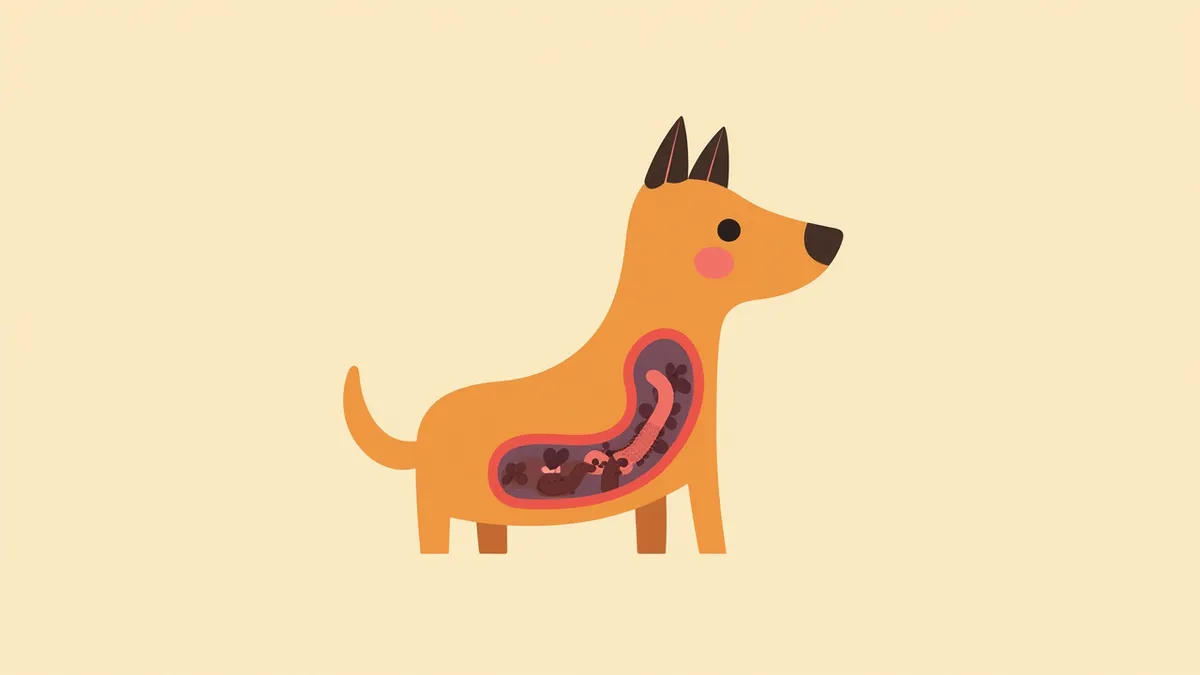
A realistic illustration showing parasites inside a dog's digestive tract
Broad-spectrum dewormers for dogs are medications designed to eliminate multiple types of parasites simultaneously, including roundworms, hookworms, and tapeworms. A common oversight among pet owners is that the spectrum of parasites targeted varies significantly between products. Since each active ingredient works against specific parasites, selecting the right combination for your dog is essential.
Key Ingredients in Broad-Spectrum Dewormers: These typically include macrocyclic lactones such as milbemycin oxime and moxidectin, as well as praziquantel, fenbendazole, and febantel. These ingredients work by paralyzing or killing parasites, facilitating their expulsion from the body. However, the mechanism of action and the specific parasites each ingredient targets differ.
The Key to Choosing the Right Medication: Selection should be based on the type of parasite and your dog’s individual health status. Veterinarians prescribe these medications by considering factors such as age, weight, and the parasite’s life cycle. The dosing schedule must be customized individually based on infection risk, living environment, and local parasite prevalence; a one-size-fits-all schedule is not recommended.

The Main Causes of Parasitic Infection Are the External Environment and Lifestyle Habits
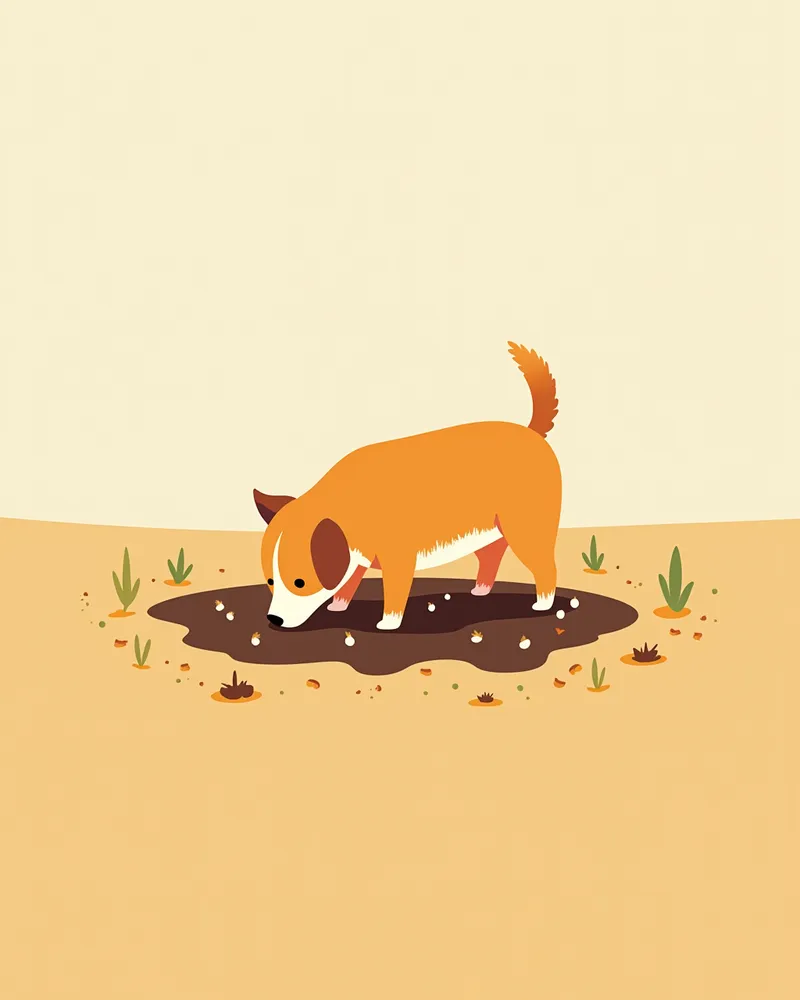
Dogs typically become infected with parasites through contaminated soil or water, contact with other dogs’ feces, or intermediate hosts such as fleas and ticks. Puppies are especially vulnerable due to their weaker immune systems, and dogs that spend a lot of time outdoors face a higher risk.
Main routes of infection: Ingesting parasite eggs from soil, licking fur that has fallen off onto laundry, or consuming fleas acting as intermediate hosts are common causes. Some parasites can even penetrate directly through the skin.
Risk factors: Your dog’s living environment, frequency of outdoor activities, vaccination and deworming schedule, and contact with other animals all play important roles. Prevention should begin before infection occurs.
A scene of a puppy sniffing contaminated soil.

The Main Symptoms of Parasitic Infection Are Digestive Issues and Weight Loss

When dogs become infected with parasites, they can exhibit a variety of symptoms. However, many infections pass without obvious signs, and when symptoms do appear, they often manifest as digestive issues.
Key symptoms of intestinal worm infections: Visible worms in stool or vomit, diarrhea, bloody stool, decreased appetite, weight loss, abdominal distension (pot-bellied appearance), dull or rough coat, and signs of anemia. Puppies are especially vulnerable, as impaired nutrient absorption can hinder their growth.
Severe cases: Infections can lead to intestinal mucosal damage and inflammation, malnutrition, and anemia. Intestinal blockages or perforations can rapidly become life-threatening. Some parasites may migrate to the lungs, causing respiratory symptoms.
If you notice any of these signs, please seek veterinary care promptly.
A puppy showing signs of parasites after defecation

Immediate Veterinary Visit Is Necessary If Parasitic Infection Is Suspected

If your dog shows symptoms such as diarrhea, weight loss, abdominal distension, or a dull, rough coat, suspect a parasitic infection. In puppies or dogs with compromised immune systems, prompt treatment can be life-saving. If symptoms persist, they can lead to organ damage or severe anemia.

Parasitic Infection Is Accurately Diagnosed Through a Fecal Exam

The most accurate way to check if your dog has a parasitic infection is through a fecal exam. A veterinarian will analyze a stool sample under a microscope to confirm the presence of parasite eggs or adult worms.
Testing Method: The fecal flotation test is the most common method, which detects parasites by using the principle that parasite eggs float in diluted water. Some parasites can also be identified through PCR testing.
Testing Frequency: It’s recommended to test puppies every 2–3 months and adult dogs every 6 months. Dogs that go outside frequently should be tested every 3 months for safety. If an infection is suspected, immediate testing is necessary.
A veterinarian examining a dog's stool under a microscope.

Comparison Table of the Top 3 Broad-Spectrum Dewormers for Dogs

ItemMain IngredientsTarget ParasitesDosing Frequency
BEST 1: ProBio DewormMilbemycin, PraziquantelRoundworms, nematodes, tapewormsSet frequency per veterinarian's recommendation
BEST 2: Parasitide PlusParasitide, MoxidectinRoundworms, nematodes, fleas, ticksSet frequency per veterinarian's recommendation
BEST 3: TapeCutPraziquantel, MilbemycinTapeworms, roundworms, nematodesSet frequency per veterinarian's recommendation

Choose a product recommended by your veterinarian based on breed and body weight.

Treatment Requires Both Medication and Environmental Cleaning

Once a parasitic infection is confirmed, your veterinarian will prescribe an appropriate combination dewormer. The medication works by paralyzing or killing the parasites, allowing them to be expelled from the body. Treatment often requires more than one dose, as eggs and larvae may be resistant to the medication; therefore, additional doses may be necessary to align with the parasite’s life cycle.
Treatment Protocol: Initial dose → Follow-up doses timed to the parasite’s life cycle and prepatent period → Re-testing after a set period. Your veterinarian will determine the timing and frequency of follow-up doses based on the type of parasite and your dog’s condition.
Environmental Management: Parasite eggs can persist in soil or indoor environments for extended periods. Promptly clean up feces, and regularly wash bedding, laundry, and toys. Concurrent flea and tick control is also recommended.
A puppy after taking deworming medication, in a clean environment.

Home Management Involves Regular Deworming and Hygiene Maintenance

To prevent parasitic infections, consistent deworming is essential. Rather than applying a one-size-fits-all schedule, your veterinarian will determine the appropriate frequency for your dog based on a comprehensive assessment of their age, living environment, outdoor activity level, local parasite prevalence, and individual infection risk. Puppies or dogs with frequent outdoor exposure and contact with intermediate hosts like fleas may require more frequent deworming.
Care Tips: Monitor your dog’s stool after administering dewormer and promptly dispose of feces. Regularly wash toys, bedding, and laundry, and wipe your dog’s paws after outdoor activities. Using flea and tick preventatives alongside deworming can also be beneficial.
Consistency is key to prevention. A single dose is not enough; it is crucial to adhere strictly to the deworming schedule established with your veterinarian.
Family members cleaning the dog's bed and toys

Caution Is Needed as Certain Breeds May Be Sensitive to Medications

Some dogs may be more sensitive to certain deworming ingredients than usual. In particular, ivermectin and moxidectin, which belong to the avermectin (macrocyclic lactone) family, can affect the central nervous system in some individuals, leading to neurological abnormalities or retinal toxicity. Therefore, it is important for veterinarians to check the dog's breed, health status, and drug sensitivity in advance and choose safe medications and dosages.

Reviewed by a veterinarian

Dr. Tony — Punnawat Phongkittirak

Dr. Tony — Punnawat Phongkittirak

Veterinarian

A veterinarian who majored in veterinary medicine at Khon Kaen University, Thailand, and completed the IVSA program at North Carolina State University in the United States. Drawing on clinical experience at animal hospitals, he works in the pet healthcare field and is dedicated to building a digital care environment that connects pet parents with veterinarians.

Frequently Asked Questions

When should I give my dog deworming medication?
The medication should be administered on a schedule determined by your veterinarian, who will take into account your dog’s age, life stage, frequency of outdoor exposure, living environment, local parasite prevalence, and individual risk of infection. There is no one-size-fits-all dosing interval for all dogs; puppies and dogs in high-risk environments may need to take the medication more frequently, so it’s best to consult with your veterinarian to establish the appropriate schedule.
My pet has diarrhea after taking deworming medication. Is this normal?
Temporary diarrhea or vomiting after taking the medication is a common reaction. However, if it persists or becomes severe, you should consult your veterinarian.
Are there any other ways to administer deworming medication besides oral tablets?
Dewormers come in various forms, including oral medications and topical spot-on treatments applied to the skin. The most suitable formulation depends on the specific type of parasite being targeted, so it’s best to consult your veterinarian for guidance. Injectable dewormers are relatively uncommon.
What happens if you miss a dose of dewormer?
If you miss a dose, parasites can start multiplying again. Give the missed dose as soon as you remember, then consult your veterinarian to adjust the remaining schedule.
Are deworming medications dangerous to humans as well?
Dewormers are specifically formulated for dogs and should never be given to humans. Store them in a place that is out of reach of children.

Share

Related Guides

References

[1] Blackwell's Five-Minute Veterinary Consult Clinical Companion, Small Animal Toxicology, 3rd Edition

[2] Clinical Medicine of the Dog and Cat, 4th Ed

[3] Plumb's Veterinary Drug Handbook, 10th Ed

This information is based on veterinary literature and does not replace diagnosis or treatment. Please consult a veterinarian for specific health concerns.

Metapet Co., Ltd. | CEO: Park Sung-yong | Business Reg. No. 417-88-02562 | Seoul, South Korea | Customer Center

How to Choose a Broad-Spectrum Dewormer for Dogs | Meongsiljang