Like
Share
멍실장
강아지 실내 환경 벼룩 제거 증상과 원인, 진단·치료와 관리 포인트 총정리

Comprehensive Guide to Symptoms, Causes, Diagnosis, Treatment, and Management of Indoor Flea Elimination in Dogs

Infection/ParasitesDiseasesMeongsiljang Veterinary Advisory Board

Effectively eliminating fleas from your dog’s indoor environment requires a comprehensive approach that accounts for the flea life cycle and their ability to reproduce in the home. I’ll walk you through everything you need to know—symptoms, causes, diagnosis, treatment, and ongoing management—all in one place.

Eliminating Indoor Fleas in Dogs Requires Managing the Flea Life Cycle

The life cycle of fleas: A scientific illustration showing the egg, larva, pupa, and adult stages
To effectively eliminate fleas from your dog’s indoor environment, it’s essential to remove not only the adult fleas on your pet but also the eggs, larvae, and pupae present in the surroundings. Fleas are small, brown, wingless insects measuring about 3–4 mm in length, and they undergo complete metamorphosis, progressing through four life stages: egg, larva, pupa, and adult. Once an adult flea jumps onto a host, it immediately begins feeding on blood from capillaries. Female fleas start laying eggs within 24–36 hours after their first blood meal, leading to rapid reproduction. Treating only your dog without addressing the environment significantly increases the risk of reinfestation.

The Key Cause of Indoor Flea Survival Is Environmental Conditions
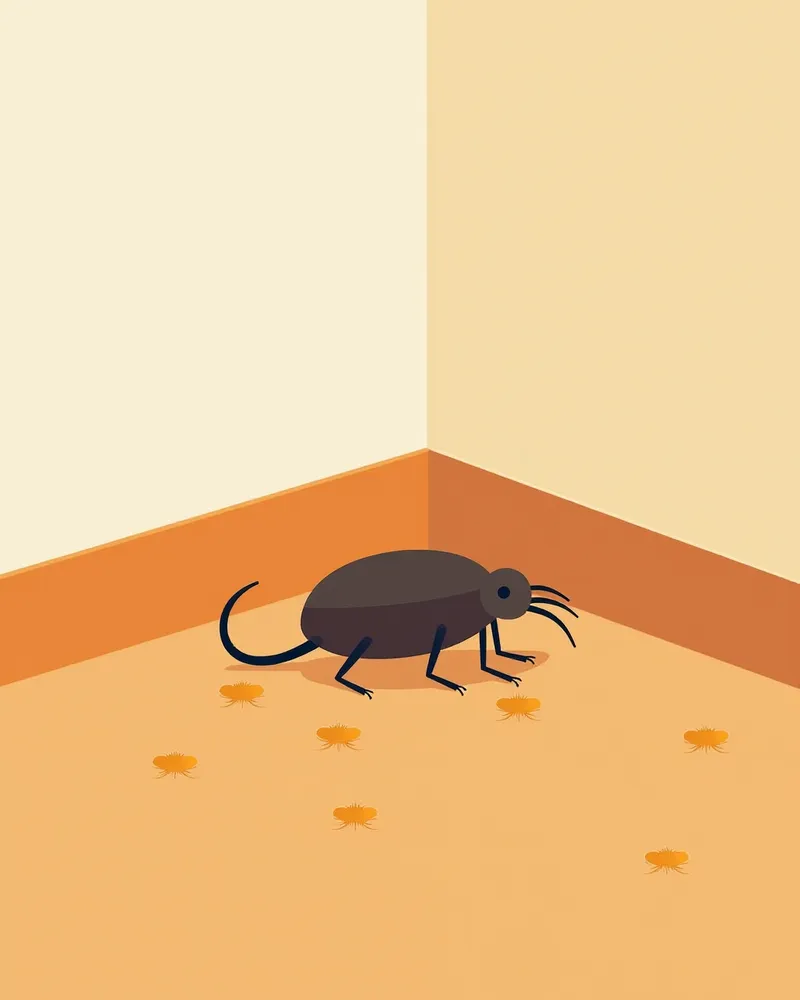
The key to eliminating fleas from your dog’s indoor environment lies in understanding the conditions that allow them to survive. Flea immature stages thrive in warm, humid environments, with optimal development occurring at approximately 27°C and relative humidity above 53%. Dark, poorly ventilated areas where pets frequently rest—such as armchairs, sofas, carpets, and rugs—are particularly ideal for fleas. Adult fleas on a host have an average lifespan of about 7.8 days and lay around 38 eggs per day, leading to rapid reproduction. Since immature stages (eggs, larvae, and pupae) make up the majority of the flea population, treating the dog alone is not enough to completely eliminate fleas.
Dark indoor spaces where flea eggs and larvae hide in the crevices of carpets and sofas

Main Signs of Indoor Flea Infestation in Dogs
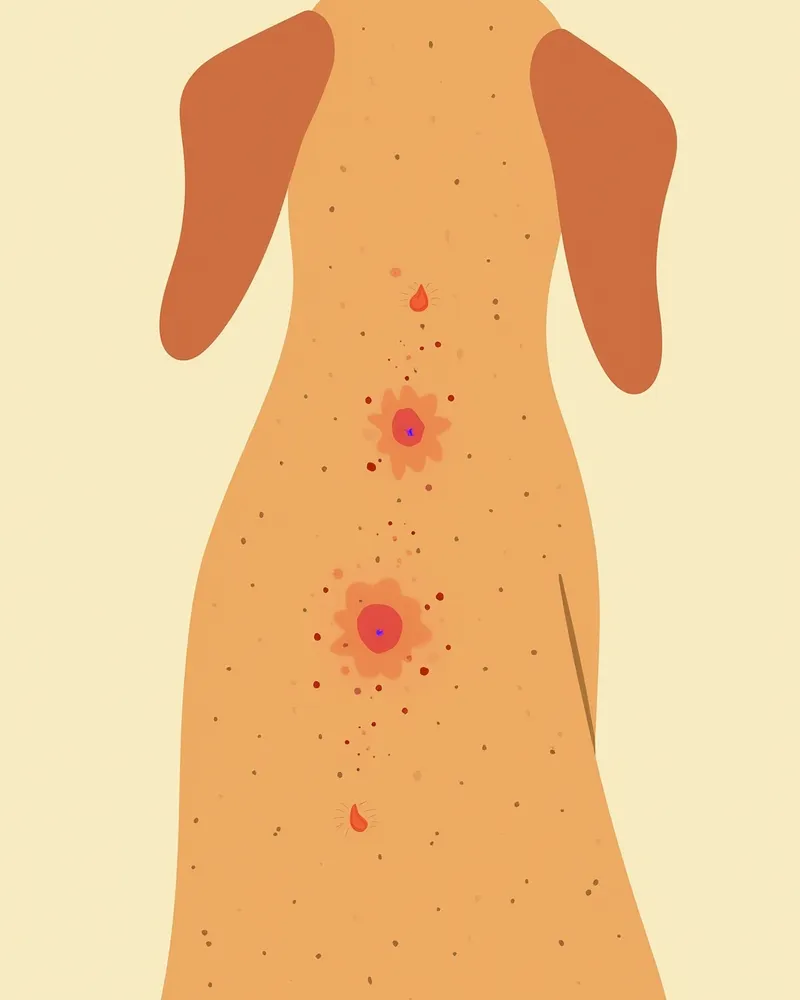
The main signs of indoor flea infestation in dogs include persistent itching, which occurs when fleas bite the skin to feed on blood and inject proteins from their saliva. The back, particularly the lower back and rump, the base of the tail, and the rear of the hind legs are the areas most commonly affected. Flea feces appear as small black specks and consist of digested blood. If your dog frequently scratches or licks these areas, the skin may become irritated, develop bumps, and become prone to secondary bacterial infections and inflammation due to rapid bacterial growth. In sensitive dogs, severe allergic reactions to flea saliva, known as flea allergy dermatitis, can occur.
A close-up shot of a dog’s rear showing red marks and black specks (flea feces).

Symptoms Requiring Immediate Veterinary Visit

If your dog’s skin is peeling, bleeding, or showing signs of systemic decline such as lethargy and pale mucous membranes due to severe itching, seek veterinary care immediately. You should also schedule a thorough examination if itching persists despite a heavy flea burden or if symptoms worsen after contact with other dogs or cats. Fleas can trigger acute moist dermatitis from scratching and secondary bacterial infections, and they may transmit pathogens such as Rickettsia felis and Haemoplasma. Some of these are zoonotic diseases that can spread to humans, making early diagnosis and management essential.

Diagnosis Is Based on Visual Confirmation and Skin Examinations
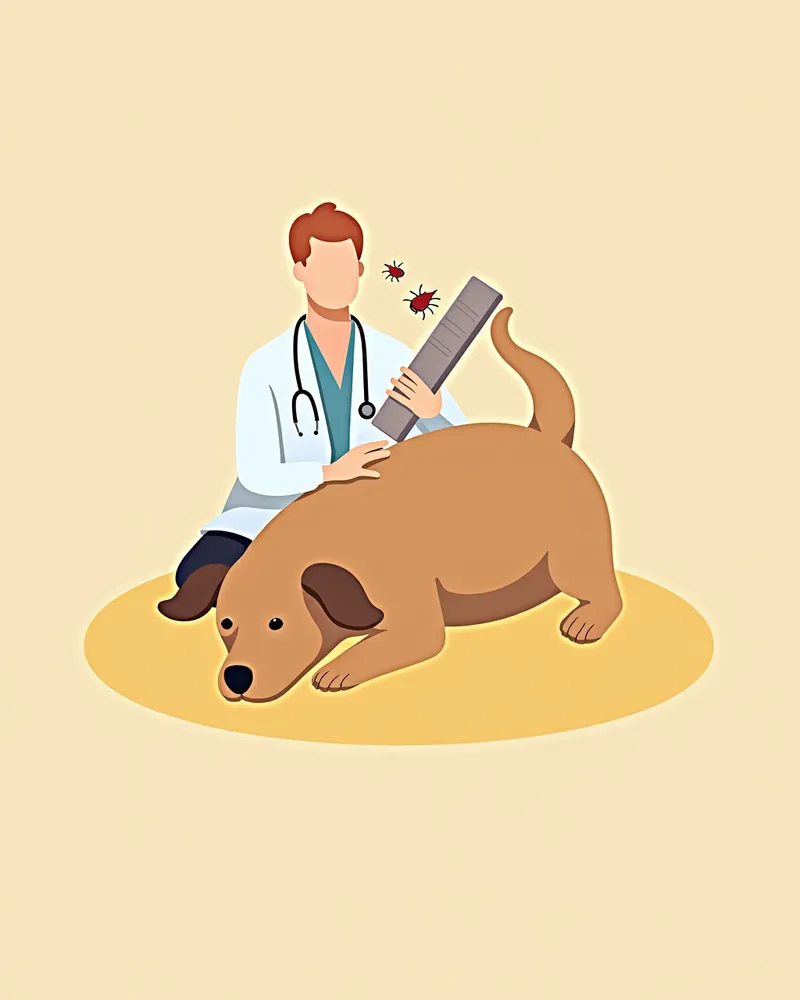
Diagnosing indoor flea infestations in dogs primarily relies on medical history, clinical signs, and visual confirmation. A veterinarian will comb through your dog’s fur with a specialized flea comb to check for fleas or flea feces, and may perform skin cytology or skin scraping tests to rule out other skin conditions with similar symptoms. The presence of fleas, flea feces, or tapeworms (Dipylidium caninum) strongly suggests flea allergy, but their absence does not rule it out. If needed, intradermal testing or serum allergy testing can be used as supplementary tools. The definitive diagnosis is confirmed by observing whether symptoms resolve after complete flea eradication, a process that may take several weeks. Starting treatment without an accurate diagnosis can lead to reduced effectiveness.
A veterinarian uses a flea comb on a puppy’s fur to check for fleas and their droppings.

Treatment Requires a Step-by-Step Approach Managing Both the Dog and the Environment

Treating indoor flea infestations in dogs requires a step-by-step approach. The first step is to apply a flea control product to the dog, which must be a veterinarian-prescribed product. The second step is environmental cleaning: wash carpets, sofas, and bedding in hot water, or use an environmental insecticide that targets immature stages if necessary. The third step is to maintain consistent treatment for a sufficiently long period. Since immature stages such as eggs, larvae, and pupae make up the majority of the population, treatment should continue for at least six months, and ideally on an ongoing basis, to prevent reinfestation. Finally, it is important to treat all dogs and cats living in the same household simultaneously.
A scene of applying flea repellent to a puppy and vacuuming the carpet.

Home Care Tips for Eliminating Indoor Fleas

Here are some home care tips for eliminating fleas indoors: - Regular vacuuming: Vacuum areas where your dog spends the most time, such as carpets and sofas, daily. After vacuuming, empty the dust canister or bag immediately, as fleas and eggs may remain inside. - Wash and replace bedding: Frequently wash or replace your dog’s bed, blankets, and toys to reduce immature flea stages. - Use environmental insecticides: Read instructions carefully and use flea-specific insecticides safely, as they can be toxic to small rodents, birds, and fish. Physical methods, such as using diatomaceous earth to damage the flea’s exoskeleton, are also an option. - Check after going outside: After your dog comes in from outside, brush its coat and check for fleas. - Cooperation from all family members: Eliminating fleas requires the effort of the entire family, not just one person.
Family members working together to clean the house, wash the dog’s bed, and check for loose fur

Breed-Specific Precautions and Tips for Preventing Recurrence

Not all dogs react to fleas in the same way. Some dogs develop an allergic reaction to flea saliva, known as flea allergy dermatitis, which can cause severe itching even when only a few fleas are visible. Additionally, since fleas can bite humans, it’s a good idea to keep a close eye on your family members’ skin for some time after your dog has been treated. To prevent recurrence, consult your veterinarian to choose a preventive product suited to your dog’s weight and living environment. In areas where fleas are common, consistent year-round use is essential. Make sure to treat any other dogs and cats living in the household as well.

Reviewed by a veterinarian

Dr. Tony — Punnawat Phongkittirak

Dr. Tony — Punnawat Phongkittirak

Veterinarian

A veterinarian who majored in veterinary medicine at Khon Kaen University, Thailand, and completed the IVSA program at North Carolina State University in the United States. Drawing on clinical experience at animal hospitals, he works in the pet healthcare field and is dedicated to building a digital care environment that connects pet parents with veterinarians.

Frequently Asked Questions

What is the most effective way to remove fleas from my dog?
The most effective approach is to treat both your dog and the environment simultaneously. Use a veterinarian-prescribed product to treat your dog, and thoroughly clean the environment by vacuuming, washing bedding in hot water, and applying a dedicated insecticide. It’s also important to treat any other animals living in the same household.
Can I completely eliminate indoor fleas within one week?
It’s difficult to eliminate them all at once. Since immature stages like eggs, larvae, and pupae remain in the environment, treating only the dog is not enough. It can take 9 to 12 weeks for symptoms to subside after eradicating fleas, and consistent management for at least six months is necessary to prevent reinfection.
Can I make my own flea repellent at home?
I don’t recommend it. Homemade remedies tend to be less effective and can irritate your dog’s skin. Using a veterinarian-prescribed product is both safer and more effective.
What if your dog continues to itch even after fleas have been removed?
Your pet may be experiencing an allergic reaction or dermatitis. Please consult your veterinarian to have their skin examined, as additional treatment may be necessary.
Can fleas on dogs also affect humans?
Yes, fleas can bite humans too. You may experience itching, especially on exposed areas like your ankles and legs. It’s important to remain cautious until your dog’s flea treatment is fully complete.

Comparison Table of Dog Flea Elimination Products

ItemProduct NameFormUsage FrequencyFeatures
BravectoBath product1 monthLasts 12 weeks with a single useStrong insecticidal effect, veterinarian-recommended
CapstarCapsule1 dayFleas die within 24 hoursImmediate effect, suitable for short-term use
FrontlineSpray1 monthAbsorbed into the skin for lasting effectSome effect on the environment as well

After consulting with your veterinarian, choose a product suited to your dog's body weight and living environment.

Share

Related Guides

References

[1] BSAVA Manual of Canine and Feline Dermatology, 4th Ed, 2003

[2] Thiemann T, Fielden LJ, Kelrick MI. Water uptake in the cat flea Ctenocephalides felis. Journal of Insect Physiology, 2003

[3] Shaw SE, Kenny MJ, Tasker S et al. Pathogen carriage by the cat flea Ctenocephalides felis in the United Kingdom. Veterinary Microbiology, 2004

This information is based on veterinary literature and does not replace diagnosis or treatment. Please consult a veterinarian for specific health concerns.

Metapet Co., Ltd. | CEO: Park Sung-yong | Business Reg. No. 417-88-02562 | Seoul, South Korea | Customer Center

Getting Rid of Fleas in Your Dog's Home: A Full Guide | Meongsiljang