
Complete Guide to Furosemide in Cats — From Mechanism of Action to Side Effects and Management
Furosemide, a diuretic used in cats to treat heart failure, can worsen cardiac function as a side effect. Accurate diagnosis and careful management are essential.
What Is Furosemide, a Diuretic for Cats?
How Does Diuretic Use Affect the Heart?
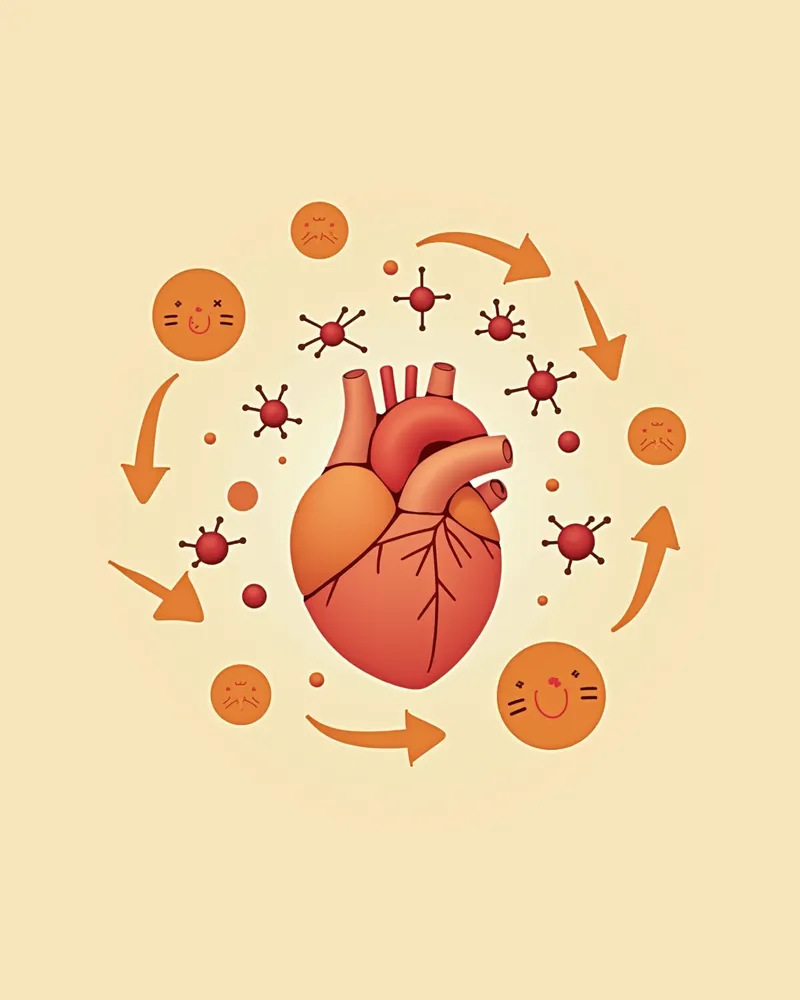
Key Signs of Cardiac Symptoms Caused by Furosemide

Symptoms Requiring Immediate Veterinary Attention
Cats may suddenly experience labored breathing, bluish discoloration of the mouth or tongue, and collapse. These are signs of a rapid deterioration in heart function. Additionally, the heart rate may become extremely rapid or stop altogether. If these symptoms appear, seek veterinary care immediately.
Diagnostic Methods for Furosemide-Related Cardiac Symptoms
Treatment Options and Step-by-Step Management Strategies
Home Care and Precautions

Breed-Specific Precautions and Prevention of Recurrence
In cats, cardiomyopathy—particularly hypertrophic cardiomyopathy (HCM)—is the most common heart disease, and it typically progresses to diastolic heart failure. Cats are also more sensitive to loop diuretics than dogs, making them more prone to side effects; therefore, lower doses are used. Regular cardiac check-ups and close communication with your veterinarian are essential while your cat is taking furosemide. To help prevent recurrence, consistently monitor your cat’s overall health and resting respiratory rate even while on medication.
Reviewed by a veterinarian

Dr. Tony — Punnawat Phongkittirak
VeterinarianA veterinarian who majored in veterinary medicine at Khon Kaen University, Thailand, and completed the IVSA program at North Carolina State University in the United States. Drawing on clinical experience at animal hospitals, he works in the pet healthcare field and is dedicated to building a digital care environment that connects pet parents with veterinarians.
Reviewed 2026-06-03
Frequently Asked Questions
Can taking furosemide make heart conditions worse?
My cat collapsed while taking furosemide. What should I do?
Should I give my pet potassium supplements while they’re taking furosemide?
What happens if you stop taking furosemide?
How should I adjust my pet’s diet while they’re taking furosemide?
Comparison of Management Strategies Based on Cardiac Condition While Taking Furosemide
| Item | Heart Condition | Main Symptoms | Management Approach | Veterinary Consultation Needed |
|---|---|---|---|---|
| Mild | Slight difficulty breathing, lethargy | Maintain dosage, regular checkups | Dietary control, hydration | Yes |
| Moderate | Persistent shortness of breath, abnormal heart rhythm | Adjust dosage, add adjunctive medication | Repeat blood tests, echocardiography | Yes |
| Severe | Collapse, bluish mouth, risk of cardiac arrest | Immediate hospital visit, emergency treatment | Oxygen supply, IV fluids, cardiac monitoring | Immediately |
The heart condition is assessed by a veterinarian through regular checkups. Always report any changes in symptoms while on medication.
Share
Related Guides

Coenzyme Q10 Benefits and Administration Guide
7 Best Prescription Diets for Feline Heart Disease Recommended by Veterinarians — Criteria for Choosing Low-Sodium Food

Top Prescription Heart Disease Diets for Dogs: Best Picks and Selection Criteria

If Your Cat’s Nose or Ear Scabs Won’t Heal — Warning Signs of Squamous Cell Carcinoma and Early Diagnosis
My Cat’s Cough Won’t Stop — Signs of Lung Cancer and Metastasis, and When to Diagnose and Treat

How to Reduce Pain in Cats with Cancer: A Complete Guide to Palliative Care and Pain Management

If Your Cat’s Nosebleeds and Sneezing Don’t Stop — A Complete Guide to Nasal Tumor Causes, Diagnosis, and Treatment

If Your Cat Keeps Stumbling and Drinking Excessive Water — Causes and Treatment of Multiple Myeloma

Feline Lymphoma: A Comprehensive Guide to Symptoms, Causes, Diagnosis, Treatment, and Care

My Cat’s Mammary Glands Are Swollen — Causes, Diagnosis, and Treatment Points for Hormone-Responsive Tumors
References
[1] Feline Emergency and Critical Care Medicine, 2nd Ed, 2022
[2] Clinical Medicine of the Dog and Cat, 4th Ed, 2021
[3] Textbook of Cardiovascular Medicine in Dogs and Cats, 2020