
Guide to Low-Fat Prescription Diets
Prescription low-fat diets are essential therapeutic foods for pets with fat digestion disorders, such as pancreatitis, hyperlipidemia, and lymphangiectasia. Here’s a guide on when to feed them and how to choose the right one.
What Are Low-Fat Prescription Diets?

When Should You Feed a Low-Fat Diet?
Regular Food vs. Low-Fat Prescription Diet Comparison
| Item | Regular Adult Dog Food | Low-Fat Prescription Diet |
|---|---|---|
| Fat Content (dry matter basis) | 12–18% | 6–10% or less |
| Protein | 22–28% | 18–25% |
| Main Purpose | Daily maintenance | Disease management |
| Purchase Channel | Pet shops / online | Veterinary prescription |
| Feeding Period | Can be lifelong | As directed by a veterinarian |
Check the detailed figures for each product against the nutritional analysis on the packaging
Leading Low-Fat Prescription Diet Products
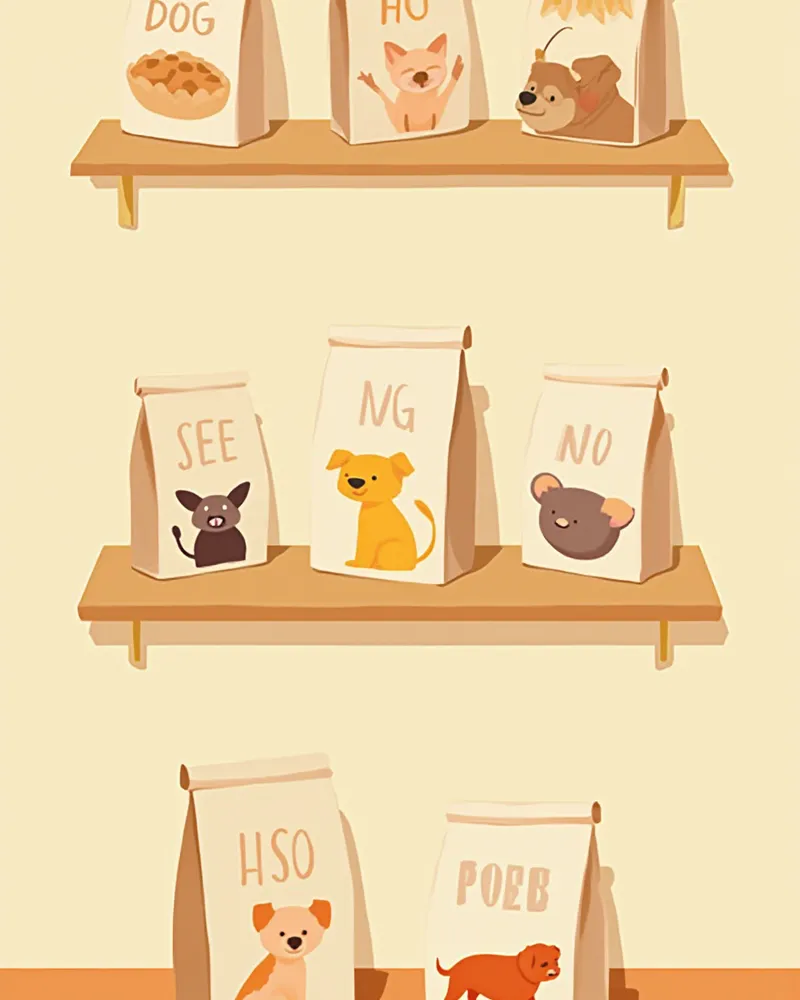
What to Check Before Feeding a Prescription Diet
Low-fat prescription diets are therapeutic, so feeding them to a healthy dog for an extended period can lead to deficiencies in essential fatty acids and fat-soluble vitamins (A, D, E, and K). Always have your veterinarian diagnose the condition through tests such as blood work, ultrasound, and lipase levels before starting this diet. Never self-diagnose or decide on your own!
Proper Feeding Method — Food Transition and Portion Control

Lifestyle Management Precautions During Low-Fat Feeding
Go to the Vet Immediately If These Symptoms Appear
Even if your pet is on a prescription diet, the appearance of the following symptoms indicates that dietary management alone is insufficient. You should seek a re-examination at a veterinary clinic within 24 hours. - Vomiting or diarrhea persisting for more than 24 hours - Abdominal pain causing a prayer position (lying prone with the hindquarters raised) - Complete loss of appetite for more than two days - Persistent steatorrhea (greasy stools) - Lethargy or rapid weight loss
Reviewed by a veterinarian

Dr. Tony — Punnawat Phongkittirak
VeterinarianA veterinarian who majored in veterinary medicine at Khon Kaen University, Thailand, and completed the IVSA program at North Carolina State University in the United States. Drawing on clinical experience at animal hospitals, he works in the pet healthcare field and is dedicated to building a digital care environment that connects pet parents with veterinarians.
Reviewed 2026-04-20
Frequently Asked Questions
Will feeding a low-fat diet to a healthy dog help with weight loss?
How much low-fat prescription food should I feed?
Are there low-fat cat foods available?
Can I mix prescription food with regular pet food?
Can I prepare a low-fat homemade diet for my pet without a prescription?
Share
Related Guides
My Senior Cat Won’t Eat — A Complete Guide to Choosing Food for Cats with Weak Digestion

Top 5 Recommended Single-Protein Prescription Diets for Cats with Allergies — A Comparison Guide for Hydrolyzed and Novel Protein Diets
Top 5 Prescription Diets for Feline Pancreatitis Recommended by Veterinarians — Low-Fat, Highly Digestible Food Guide

Why Do Cats Wake You Up at Dawn? — Causes and Routine Correction Methods

Causes of Nighttime Vocalization in Cats and How to Address Them

Dog Resource Guarding: Causes and Correction Methods

How to Manage Thunderstorm Phobia in Dogs?

How to Teach Your Puppy Sit, Stay, and Down — When Is the Best Time for Rewards?

Not Eating After Scaling? Recovery Care and Signs to Visit the Vet
Treatment for Periodontal Disease Stages 1–4
References
[1] Fascetti AJ, Delaney SJ, Applied Veterinary Clinical Nutrition, 2nd Ed, Chapter 8: Commercial and Home-Prepared Diets
[2] Ettinger SJ, Feldman EC, Textbook of Veterinary Internal Medicine, 8th Ed, Chapter on Pancreatitis
[3] Hand MS et al., Small Animal Clinical Nutrition, 5th Ed, Mark Morris Institute