Like
Share
멍실장
고양이 실내 환경 안전점검 자주 묻는 질문 Q&A — 보호자가 꼭 알아야 할 핵심

Indoor Safety Checks for Cats: Frequently Asked Questions — Key Points Every Owner Must Know

Lifestyle & Age CareQ&AMeongsiljang Veterinary Advisory Board

Indoor safety checks for cats are essential for preventing accidents and ensuring a healthy lifestyle. We’ve compiled the key points that pet owners should definitely review in a Q&A format.

Why is an indoor environment safety check important for cats?
A cat carefully inspecting potential indoor hazards.
Regularly checking your indoor environment for safety is essential to prevent accidents and support your cat’s emotional well-being. Electrical cords, toxic plants, and high perches can all pose risks. Cats are particularly vulnerable to many substances because they have limited metabolic enzymes for detoxifying foreign compounds, and their grooming habit means anything on their fur can easily be ingested. Their natural curiosity and exploratory behavior also increase the likelihood of encountering hazards indoors. A safe environment is fundamental to your cat’s quality of life, so it’s important for owners to consistently inspect and address potential dangers. Proactively removing these risks can effectively prevent injuries and poisoning.

What are the key elements of an indoor environment safety check?
The key to ensuring a safe indoor environment is identifying and eliminating hazards before they cause harm. - Exposed electrical cords: Cover cords with protective tubing or secure them to walls to prevent chewing or entanglement. - Toxic plants: Lilies and daylilies can cause acute kidney damage in cats if ingested, so remove them entirely or place them completely out of reach. - Risk of falls from heights: Install safety barriers or screens on windows and balconies to prevent accidental falls. - Safe hiding spots: Provide multiple quiet, comfortable spaces where your cat can rest and retreat when feeling stressed. - Choking hazards from small objects: Immediately remove small items such as clothespins, strings, and tiny toys that could be swallowed.
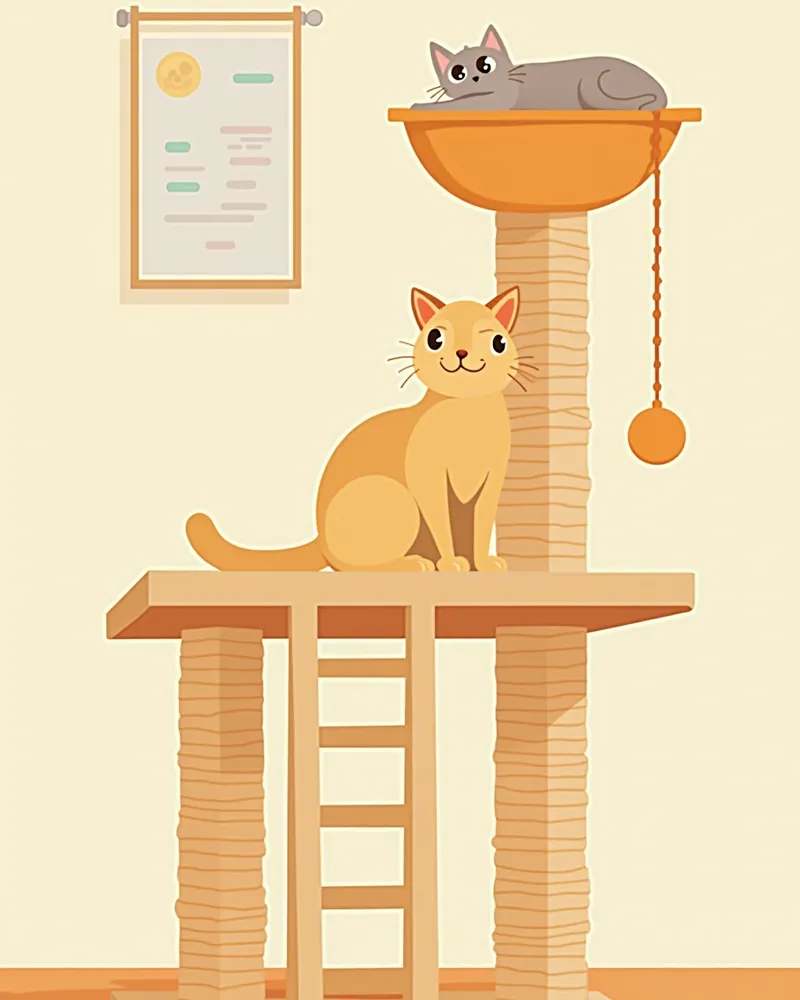
An indoor space with cat-safe trees and window safety nets

5 Hazards Cats Frequently Encounter

When conducting a safety check of your cat’s indoor environment, pay close attention to these key hazards:
Exposed electrical cords: Cats may chew or scratch cords, posing a risk of electric shock.
Toxic plants: Lilies and daylilies can cause acute kidney damage in cats if ingested. All parts—including leaves, flowers, and pollen—are toxic, as is the water in the vase. Keep these plants out of reach or remove them entirely.
Falls from heights: Cats falling from windows or shelves can suffer fractures or other injuries.
Ingestion of small objects: Items such as strings, rubber bands, and clothespins can cause intestinal blockages if swallowed.
Exposure to chemicals: Detergents, air fresheners, and insecticides can lead to poisoning if inhaled, ingested, or transferred to the mouth during grooming after coming into contact with the cat’s fur.
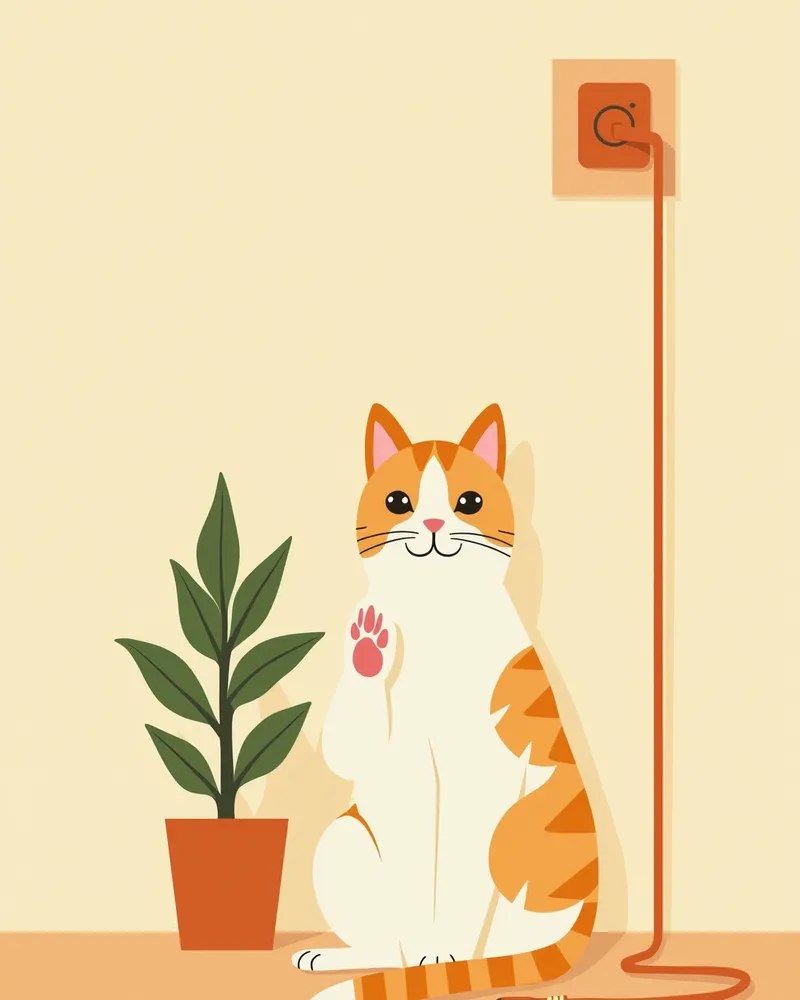
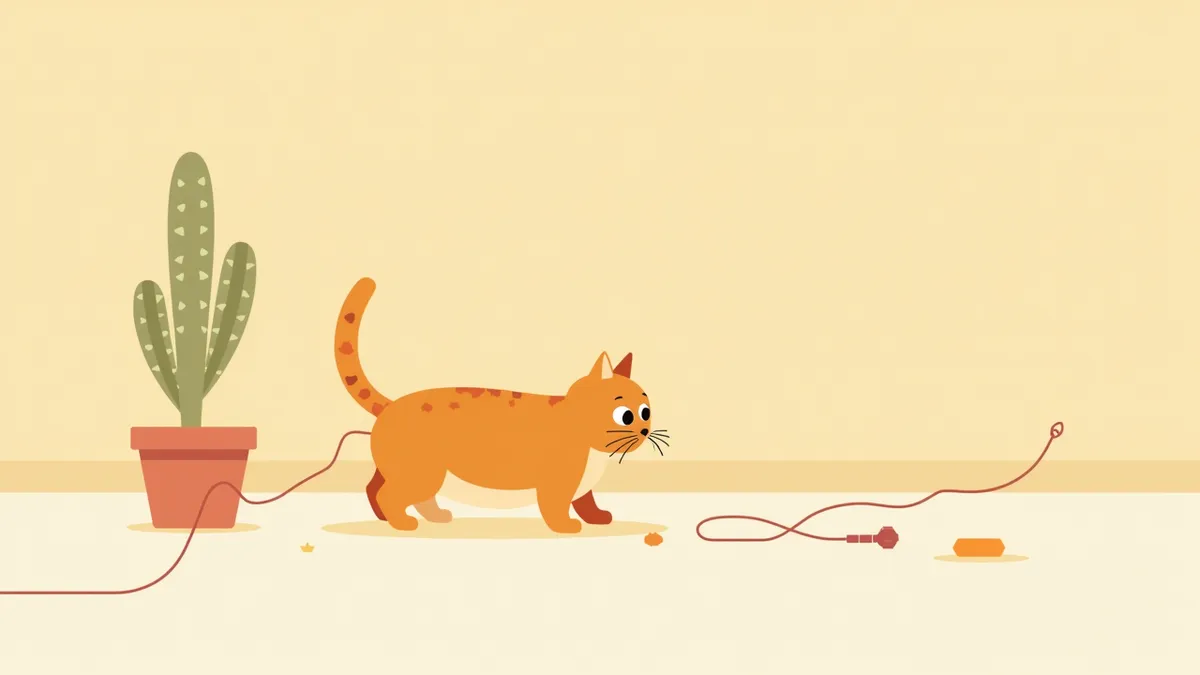
A cat approaching dangerous objects, such as electrical cords, toxic plants, and small items.

Situations Requiring Immediate Veterinary Visit

If your cat has ingested a toxic plant or been electrocuted by chewing on an electrical cord, seek veterinary care immediately. This is especially critical with lilies, as vomiting, loss of appetite, and lethargy typically appear within 6 to 12 hours of ingestion and can rapidly progress to acute kidney injury, leaving no room for delay. Additionally, if your cat has fallen from a height and is unconscious or unable to move, suspect concussion or fractures and consult a veterinarian without delay. Prompt medical attention is essential as soon as symptoms arise.

Step-by-Step Guide for Indoor Environment Safety Checks
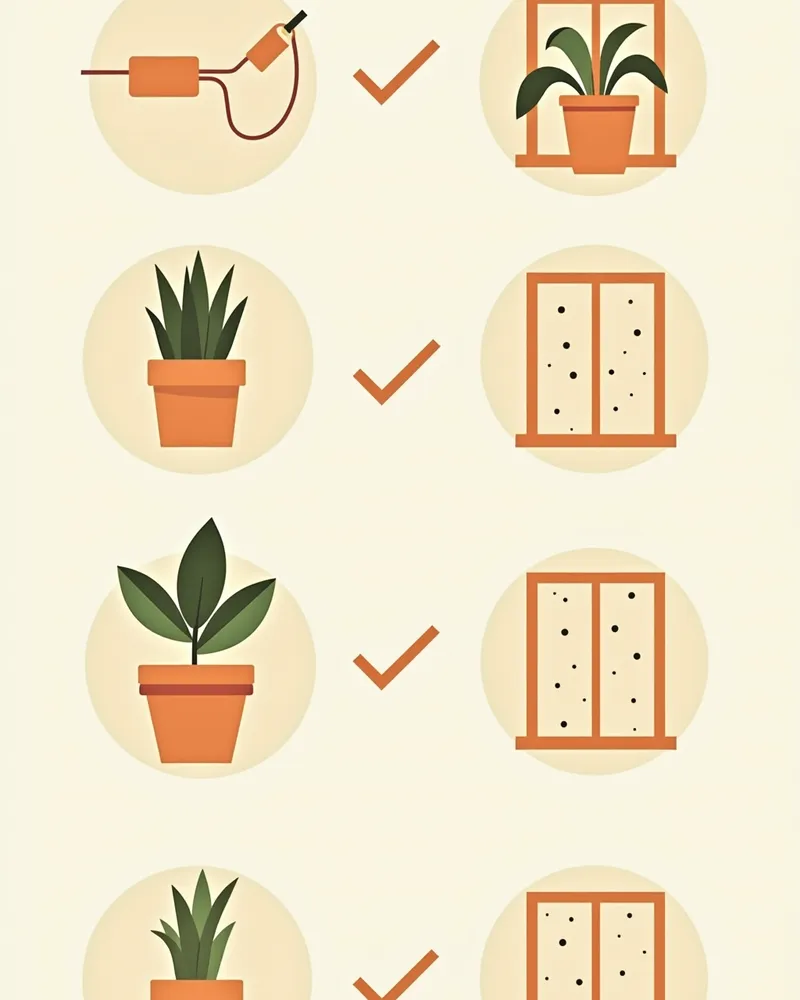
Indoor safety checks should be carried out systematically. First, focus on the areas your cat frequents most. Second, inspect and either remove or securely cover electrical cords, toxic plants, and small objects. Third, install safety nets or screens on windows and walls, and block off high places where your cat could fall. Fourth, provide several safe hiding spots for your cat. Fifth, repeat these checks monthly and make immediate adjustments whenever the environment changes. Finally, closely monitor any changes in your cat’s behavior.
Icons for a checklist to ensure indoor safety for cats

Comparison of Countermeasures by Hazard Type

ItemRisk LevelCountermeasuresRecommended Products
Electrical CablesHighUse cable covers or fixing clipsDedicated cable covers
Toxic Plants (Lily, Daylily)Very HighRemove or move to a location inaccessible to the catPlant protection fence
Falling from High PlacesModerateInstall window safety netsWindow safety devices
Swallowing Small ObjectsHighStore small objects away or use protective casesSafe storage box
Chemical ExposureVery HighChange storage location and store in sealed containersSafe storage box

The risk level may vary depending on the cat's activity level and environment. Monthly inspection is recommended.

Practical Tips for Indoor Environment Safety Checks

Start your indoor safety check from your cat’s eye level. You need to identify hazards from the perspective of what your cat sees. - Cable Management: Secure cables to the wall or cover them with cable protectors. - Plant Placement: Keep toxic plants, such as lilies, out of your cat’s reach or remove them entirely. - Hiding Spaces: Provide safe retreats using drawers, boxes, and canopies at various heights. - Window Safety: Always keep windows closed and install safety screens. - Inspection Routine: Conduct a monthly check and immediately adjust for any environmental changes. Also, consider any changes in your cat’s behavior as potential warning signs.
A cat resting in a safe and comfortable hiding spot.

Caution: Changes in Your Cat’s Behavior May Be Warning Signs

If your cat suddenly starts hiding or refuses to jump from heights, there may be an issue with its environment. Pay particular attention if it shows interest in plants or electrical cords, and take immediate action. Behavioral changes can be warning signs of potential accidents, so always keep a close eye on your surroundings.

Reviewed by a veterinarian

Dr. Tony — Punnawat Phongkittirak

Dr. Tony — Punnawat Phongkittirak

Veterinarian

A veterinarian who majored in veterinary medicine at Khon Kaen University, Thailand, and completed the IVSA program at North Carolina State University in the United States. Drawing on clinical experience at animal hospitals, he works in the pet healthcare field and is dedicated to building a digital care environment that connects pet parents with veterinarians.

Frequently Asked Questions

Is it safe for my cat to chew on electrical cords?
No, chewing on electrical cords poses a risk of electric shock. Secure the cords or use protective covers right away.
What are some toxic plants?
Lilies and daylilies are extremely dangerous to cats. Every part of the plant—including the leaves, flowers, and pollen—as well as the water in the vase, is toxic. Ingestion can cause acute kidney damage, so please remove these plants entirely or keep them completely out of your cat’s reach.
Is a window safety net really necessary?
Yes, especially if you live on the second floor or higher, installing window safety nets is essential. Cats can fall, so be sure to install them.
What should I do if my pet has swallowed a small object?
Please take your pet to the vet immediately. Small objects can block the digestive tract. An X-ray at the clinic is necessary to confirm the situation.
How often should you conduct a safety check of your indoor environment?
It's a good idea to check them once a month. If there are any changes in the environment or your cat's behavior, check them right away.

Share

Related Guides

References

[1] The Cat, Clinical Medicine and Management, 2nd Edition, 2022

[2] BSAVA Manual of Canine and Feline Dermatology, 4th Ed, 2020

[3] American Society for the Prevention of Cruelty to Animals (ASPCA) - Toxic Plants List, 2023

This information is based on veterinary literature and does not replace diagnosis or treatment. Please consult a veterinarian for specific health concerns.

Metapet Co., Ltd. | CEO: Park Sung-yong | Business Reg. No. 417-88-02562 | Seoul, South Korea | Customer Center

5 Essential Indoor Safety Checks for Cats: FAQs | Meongsiljang