
Breed-Specific Dog Exercise Recommendations: Frequently Asked Questions — Key Points for Owners
A dog’s exercise needs vary greatly by breed. Providing the wrong type or amount of exercise can negatively impact your pet’s health. We’ve compiled recommended exercise levels and important precautions for each breed.
Dog Exercise Recommendations Vary by Breed
Exercise Guidelines Are Based on Weight and Energy Level
Recommended Exercise Levels for Major Breeds
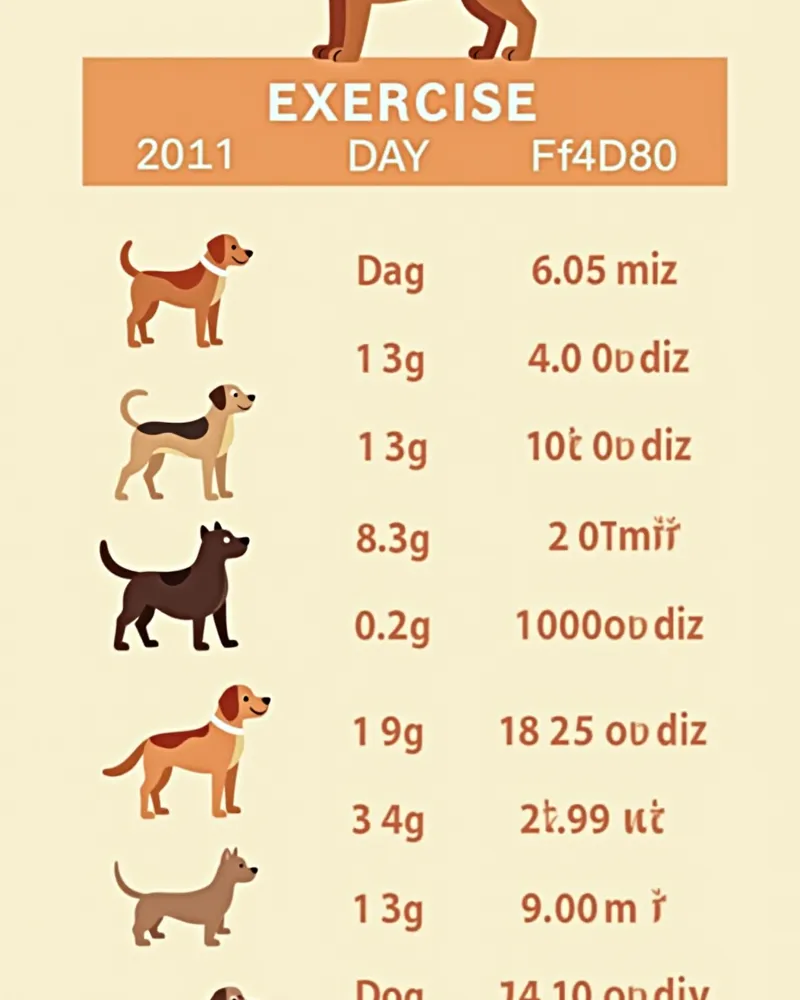
Comparison of Exercise Intensity and Duration by Breed
| Item | Daily Exercise Amount | Exercise Intensity | Precautions |
|---|---|---|---|
| Chihuahua | Varies greatly between individuals (daily activity needed) | Low to moderate | Small breeds also need daily activity to prevent obesity. Consult your veterinarian. |
| Labrador Retriever | 30–60 minutes or more | High | Regular exercise is essential. Exercise amount varies between individuals. |
| Border Collie | 30 minutes or more almost every day | Very high | Mental stimulation is essential. Strong aerobic activity is needed. |
| Great Dane | 30–60 minutes or more (except during growth period) | Moderate to high | Growth plates are weak during the growth period. Avoid excessive exercise; gentle activity recommended |
Exercise amount should be adjusted according to age, breed, and health status, and varies greatly between individuals. Consult your veterinarian.
Risks of Insufficient or Excessive Exercise
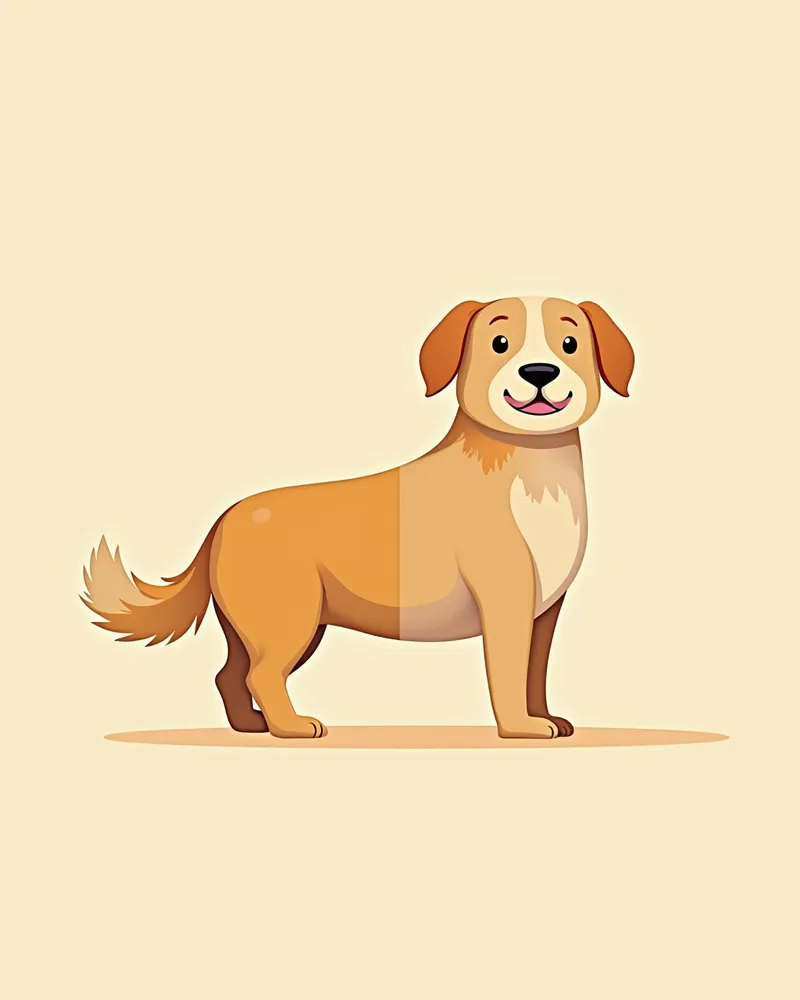
Excessive Exercise Is Prohibited for Growing Puppies
A puppy’s joints and growth plates are still developing. High-impact activities such as repetitive running, climbing stairs, or long walks can increase the risk of damaging these delicate structures. Veterinarians recommend short, frequent, and gentle exercise sessions for growing puppies. It’s best to avoid activities that place excessive stress on their bodies, opting instead for calm walks and play-based activities. If you’re unsure whether the exercise intensity is appropriate, consult your veterinarian for personalized guidance.
Tips for Improving the Quality of Exercise
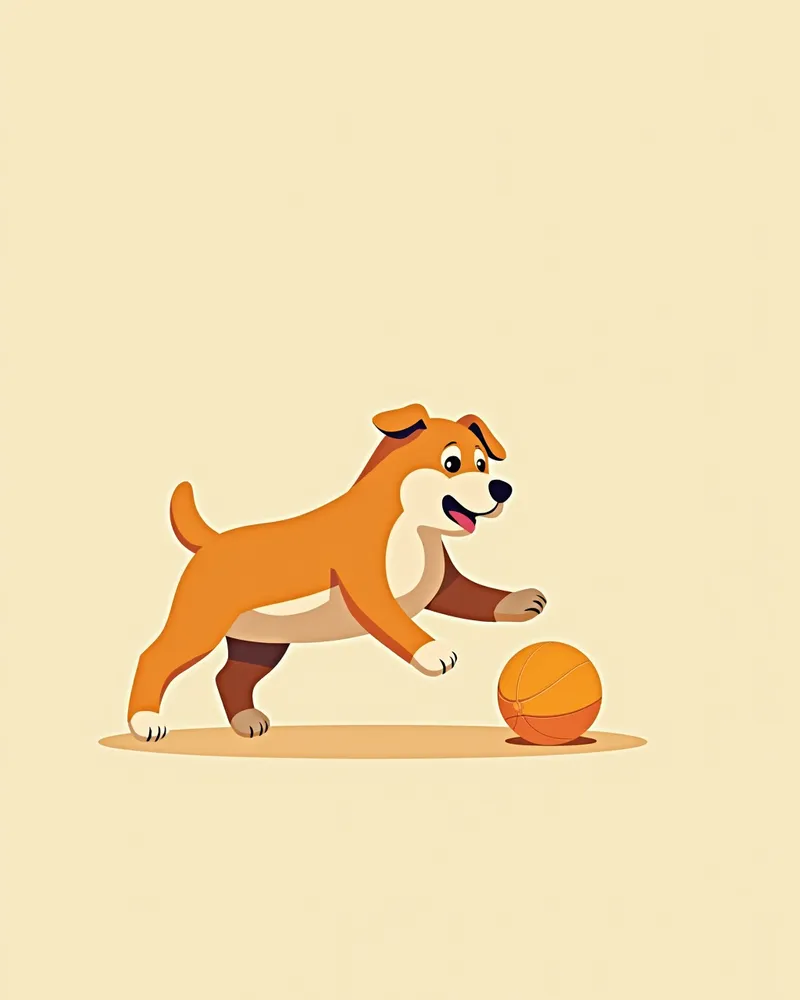
Reduce Exercise Time in Hot Weather
In hot weather, dogs are at high risk of heatstroke. Avoid walks during the hottest part of the day and instead exercise them in the cooler morning or evening hours. Dogs are particularly vulnerable to heat because they can only sweat through their paw pads and rely primarily on panting to cool down. Make sure your dog drinks water frequently during and after exercise.
Reviewed by a veterinarian

Dr. Tony — Punnawat Phongkittirak
VeterinarianA veterinarian who majored in veterinary medicine at Khon Kaen University, Thailand, and completed the IVSA program at North Carolina State University in the United States. Drawing on clinical experience at animal hospitals, he works in the pet healthcare field and is dedicated to building a digital care environment that connects pet parents with veterinarians.
Reviewed 2026-06-29
Frequently Asked Questions
How much exercise do small-breed dogs need each day?
What kind of exercise is good for growing puppies?
How should I exercise my dog in hot weather?
What behaviors do dogs with insufficient exercise exhibit?
What types of exercise are suitable for large-breed dogs?
Share
Related Guides
Top Recommendations and Selection Criteria for Cat FIV and FeLV Testing
Top Microchip Implantation Management Recommendations for Dogs and Key Selection Criteria
Complete Guide to Choosing, Comparing, and Managing the Best Heartworm Preventives for Dogs
Canine Pemphigus (Autoimmune Skin Disease) Guide
Complete Guide to Canine Autoimmune Polyarthritis: Symptoms and Treatment
Managing Benign Prostatic Hyperplasia (BPH) in Dogs
Symptoms and Treatment of Steroid-Responsive Meningoarteritis (SRMA)

If Your Pet’s Cholesterol Is High — Causes of Hyperlipidemia and Dietary Management Points
Managing Canine Heart Failure by ABCD Stage
Indications and Effects of Albumin Transfusion
References
[1] National Research Council. (2006). Nutrient Requirements of Dogs and Cats. National Academies Press.
[2] Plumb's Veterinary Drug Handbook, 9th Edition. (2022). Wiley-Blackwell.
[3] American Kennel Club. (2023). Breed Standards and Exercise Needs. AKC.org.