
The Ultimate Guide to Gastroscopy and Colonoscopy for Dogs and Cats: Procedure and Costs
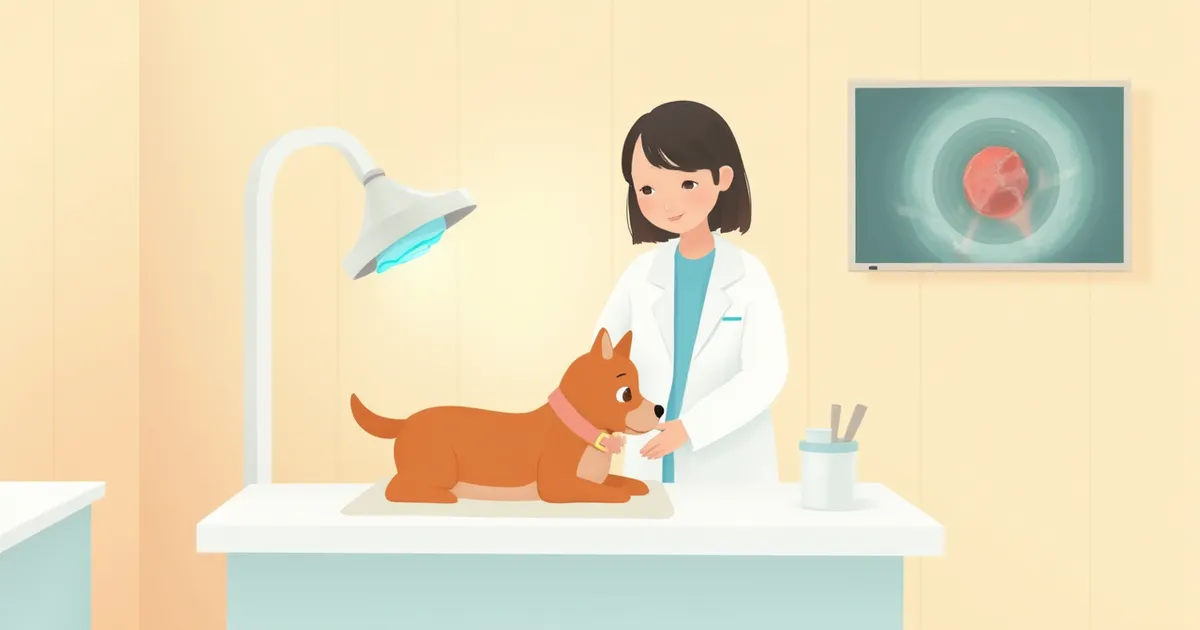
Endoscopy is a precise diagnostic procedure that allows veterinarians to directly visualize the cause of vomiting, diarrhea, or bloody stools in pets. We’ve compiled everything pet owners need to know about the procedure, including preparation, costs, and recovery.
What Is Gastrointestinal Endoscopy for Pets?
When Is Endoscopy Recommended?
Gastroscopy vs. Colonoscopy: A Quick Comparison
| Item | Gastroscopy | Colonoscopy |
|---|---|---|
| Access route | Mouth → esophagus → stomach → duodenum | Anus → rectum → colon |
| Main indications | Chronic vomiting, foreign body, gastritis | Bloody stool, colitis, tumor |
| Fasting time | 12 hours or more | 24–36 hours + enema |
| Exam time | 30–60 minutes | 45–90 minutes |
| Anesthesia | General anesthesia required | General anesthesia required |
The time required may vary depending on the scope of the exam and the hospital's equipment.
Pre-Endoscopy Preparation — Fasting and Pre-Exam Tests

Important Information on Anesthesia
Gastrointestinal endoscopy requires general anesthesia. The scope cannot be inserted while the patient is conscious, and any movement risks tearing the mucosa. Older dogs and pets with heart or respiratory conditions face higher anesthesia risks. Your veterinarian will select the appropriate anesthetic agent and dosage based on weight, age, and underlying health conditions. Be sure to review pre-anesthetic test results and ask any questions you may have beforehand.
How Is the Procedure Performed?
Conditions Detectable via Endoscopy
Post-Exam Observation Points
Most pets go home the same day or the next. Still, keep a close eye on them for the first 24–48 hours after they return. Their belly may look distended from the air introduced during the procedure, and they might experience mild nausea. These signs usually resolve within a day. However, if repeated vomiting, bloody stools, severe abdominal pain, or lethargy persist for more than 12 hours, contact your veterinarian immediately, as these could indicate complications such as a perforation.
Post-Exam Recovery and Dietary Management

Reviewed by a veterinarian

Dr. Tony — Punnawat Phongkittirak
VeterinarianA veterinarian who majored in veterinary medicine at Khon Kaen University, Thailand, and completed the IVSA program at North Carolina State University in the United States. Drawing on clinical experience at animal hospitals, he works in the pet healthcare field and is dedicated to building a digital care environment that connects pet parents with veterinarians.
Reviewed 2026-04-26
Frequently Asked Questions
How much do an upper endoscopy and a colonoscopy cost?
Can all foreign objects be removed using an endoscope?
Can senior dogs also undergo endoscopic examinations?
When will the biopsy results be available?
Can other tests be used instead of an endoscopy?
Share
Related Guides

My Senior Cat Won’t Eat — A Complete Guide to Choosing Food for Cats with Weak Digestion

Top 5 Prescription Diets for Feline Pancreatitis Recommended by Veterinarians — Low-Fat, Highly Digestible Food Guide

Royal Canin vs Hill’s vs Purina vs Orijen — Which Brand Is Right for Your Pet, According to Veterinarians?
My Cat’s Eyes Have Turned Yellow — Bile Duct Obstruction: Is It an Emergency? Q&A on When to Visit the Vet
The Complete Guide to Feline Bile Acid Testing: Why It’s Needed and How to Read the Results – Q&A

What Is Feline Autoimmune Hepatitis? — A Comprehensive Guide to Symptoms, Diagnosis, and Treatment
Ureteral stones in dogs causing obstruction? — How to recognize emergency warning signs
Drugs and substances that damage your dog’s kidneys? — What is dangerous and how to avoid it
What Stage Is My Dog’s CKD? — IRIS Staging and Stage-Specific Management
Will High Blood Pressure Damage Your Dog’s Kidneys? — Key Q&A for Pet Owners
References
[1] Clinical Medicine of the Dog and Cat, 4th Ed - Chapter 9 Gastrointestinal Disorders
[2] Notes on Canine Internal Medicine, 4th Ed - Oesophageal and Gastric Disorders
[3] Veterinary Surgical Oncology, 2nd Ed - Endoscopic Diagnosis of GI Tumors