Like
Share
멍실장
강아지 쉬르머 눈물 검사 자주 묻는 질문 Q&A — 보호자가 꼭 알아야 할 핵심

Dog Schirmer Tear Test FAQ — Key Points Every Pet Owner Should Know

Eye HealthQ&AMeongsiljang Veterinary Advisory Board

The Schirmer tear test for dogs is a key diagnostic tool for early detection of dry eye. We’ve compiled the essential questions and answers that every pet owner should know.

What is the Schirmer tear test for dogs?
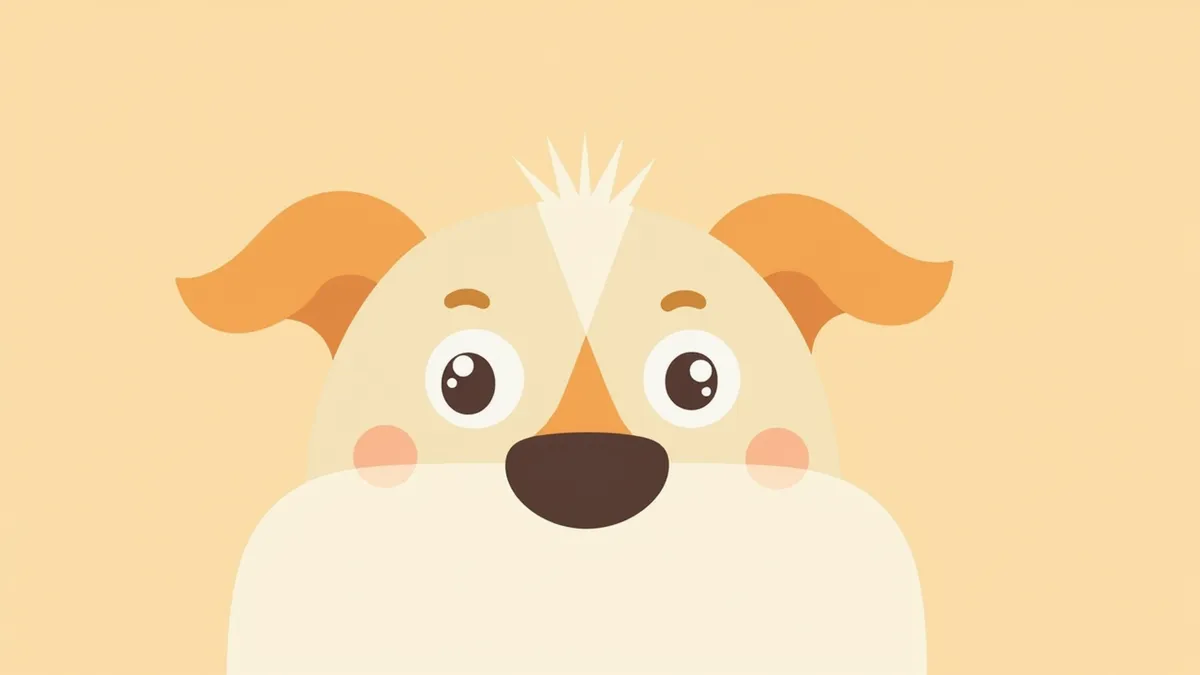
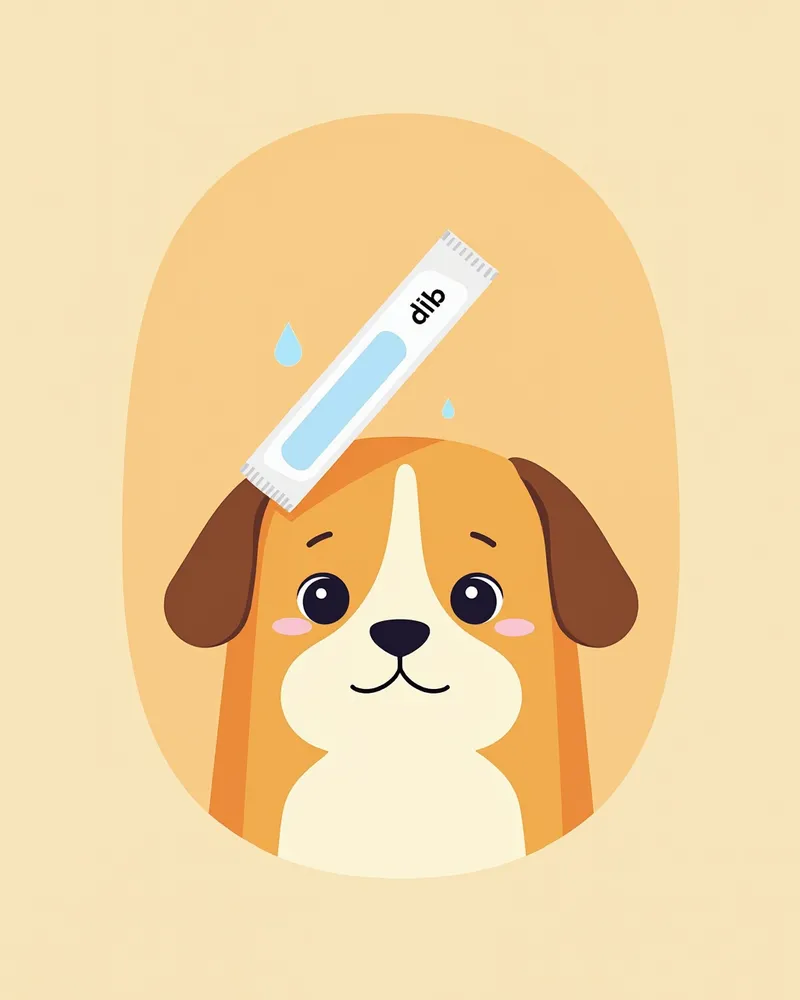
A dog undergoing a Schirmer tear test using a specialized strip to measure tear production.
The Schirmer tear test is a key diagnostic tool that accurately measures tear production in dogs. It plays a vital role in the early detection of Keratoconjunctivitis Sicca (KCS), or dry eye. The procedure involves placing a specialized paper strip under the eyelid and measuring, in millimeters, how much the strip becomes moistened by tears over one minute. This test helps determine whether tear production is actually insufficient, even in cases where the eyes appear watery. - Normal tear production: 15 mm or more - Mild deficiency: 10–15 mm - Severe deficiency: Less than 10 mm Based on these results, your veterinarian will comprehensively assess your dog’s ocular health.

Why is the Schirmer test necessary?

A lack of tears can dry out the eye surface, leading to pain, inflammation, and corneal damage. In fact, a significant proportion of chronic conjunctivitis in dogs is known to be caused by keratoconjunctivitis sicca (KCS), or dry eye. The most common cause is immune-mediated, where the immune system attacks the tear glands, though it can also occur in breeds with congenital or genetic predispositions, making early testing crucial. Early detection allows for timely treatment and reduces the risk of long-term corneal damage and vision loss. If tear deficiency is identified through testing, treatments such as medications to support tear production or artificial tears can be started promptly. Preventive testing plays a vital role in maintaining your dog’s eye health over the long term, and regular examinations as recommended by your veterinarian are ideal.
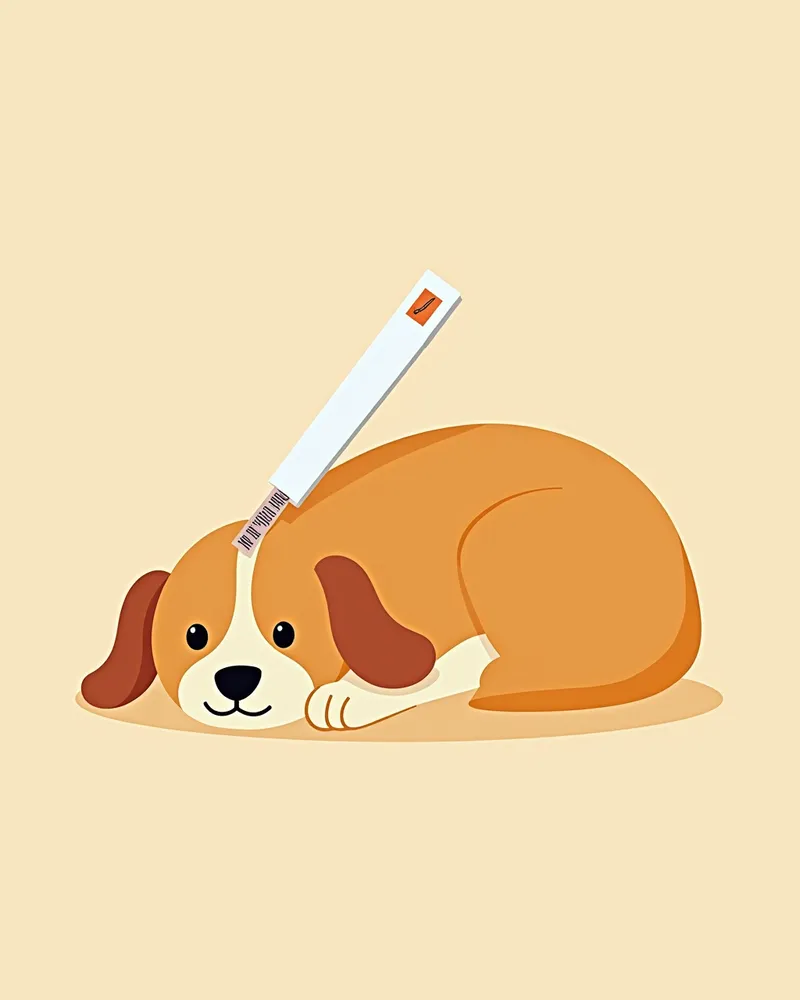
A tearful dog's eye with a Schirmer test strip in place

How to interpret Schirmer test results
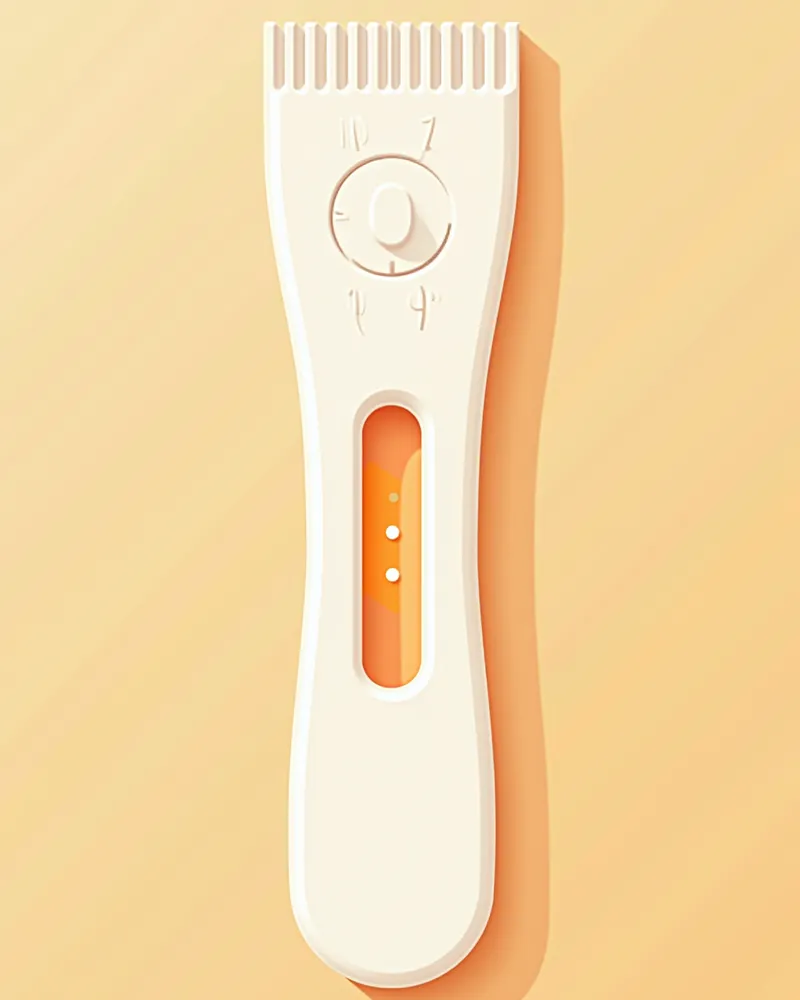
The Schirmer tear test measures the length in millimeters that tears soak into a special strip over one minute. - Normal range: 15 mm or more indicates adequate tear production. - Mild deficiency: Between 10 and 15 mm, which may slightly affect eye health. - Severe deficiency: Less than 10 mm confirms significant tear deficiency, requiring treatment. Veterinarians consider not only the test results but also the eye’s condition, symptoms, and breed to make a diagnosis. If the result is low, eye drops or anti-inflammatory treatments may be recommended. Regular check-ups help detect changes early.
The Schirmer test strip with 12 mm of tear infiltration

Is the Schirmer test painful?

The Schirmer tear test is virtually painless. A small strip is placed inside the lower eyelid’s conjunctival sac and left in place for one minute, so most dogs adapt quickly with little discomfort. It’s normal for your dog to blink or move slightly during the test. The veterinarian will perform the procedure gently and swiftly, inserting the strip with minimal irritation. You may notice mild eye irritation afterward, but it usually subsides quickly. Even if your dog seems anxious, the vet will calmly guide them through it, so there’s no need to worry. The test itself is a brief and safe procedure.
A veterinarian gently holding a puppy's head while performing a Schirmer tear test.

Signs requiring an immediate vet visit

If your pet’s eyes are red, constantly tearing up, and they’re repeatedly rubbing or squinting, it’s time to visit the vet right away. These could be signs of a serious eye condition.

Precautions after the Schirmer test
Your dog may experience temporary eye irritation after the examination. Keep your dog’s eyes closed and allow them to rest quietly for a short while. The veterinarian will safely remove the test strip. Once you return home, prevent your dog from touching or scratching their eyes. If your dog repeatedly rubs or squints their eyes, contact the clinic immediately. It is best to minimize external stimuli and let your dog rest in a quiet environment for some time after the procedure. Your veterinarian may provide additional instructions, so be sure to follow them carefully.
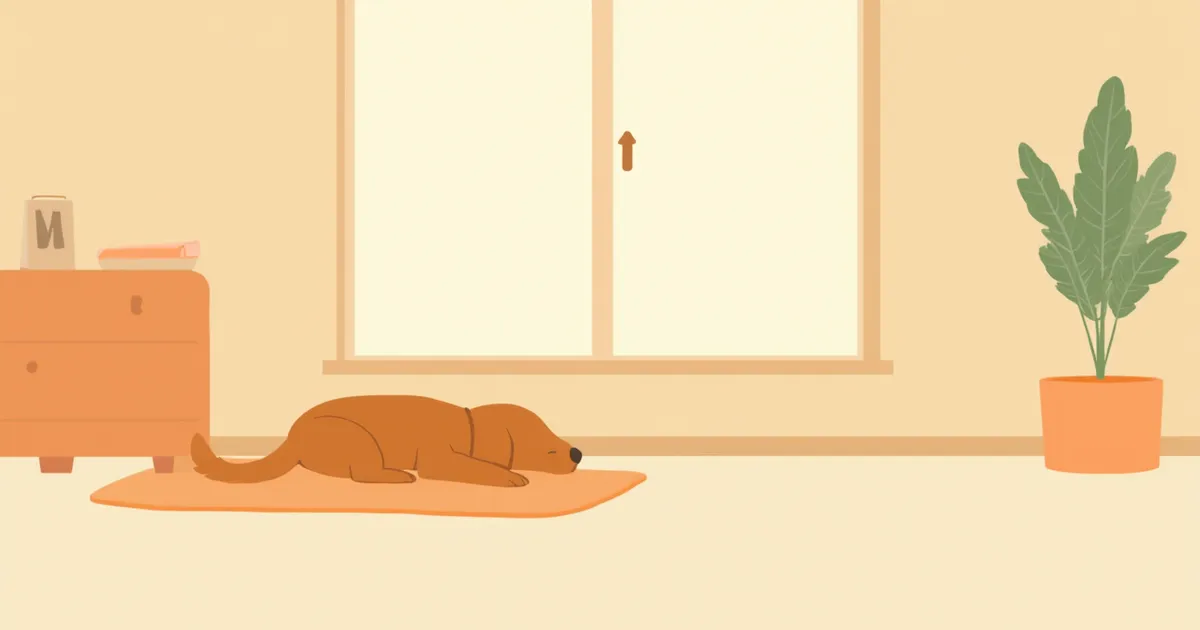
A dog resting comfortably after a Schirmer tear test.

Comparison of conditions based on Schirmer test results

ItemNormalMild DeficiencySevere Deficiency
Tear Production15 or above10–15Below 10
Need for TreatmentUsually not neededObservation and supportive careImmediate treatment needed
Main SymptomsNoneMild drynessEye pain, redness, blurred vision

The veterinarian's comprehensive judgment is most important.

Pet owner checkpoints related to the Schirmer test
Regular check-ups recommended: Have your dog’s eye health checked at least once a year. Breeds prone to excessive tearing may need more frequent exams.
Monitor changes in tearing: If you notice a sudden increase in tearing or redness in the eyes, seek veterinary care immediately.
Be aware of medication interactions: Some eye drops can affect test results. Inform your veterinarian before any examination.
Additional tests if needed: If dry eye is suspected, your vet may also perform an intraocular pressure test or corneal staining test.
Icons for a puppy eye health checklist

Reviewed by a veterinarian

Dr. Tony — Punnawat Phongkittirak

Dr. Tony — Punnawat Phongkittirak

Veterinarian

A veterinarian who majored in veterinary medicine at Khon Kaen University, Thailand, and completed the IVSA program at North Carolina State University in the United States. Drawing on clinical experience at animal hospitals, he works in the pet healthcare field and is dedicated to building a digital care environment that connects pet parents with veterinarians.

Frequently Asked Questions

When should a Schirmer tear test be performed?
If your dog has excessive tearing, red eyes, or frequently squints, you can have them checked at any time. For preventive care, we recommend an annual eye exam.
Does the test take a long time?
The test itself takes just one minute. Once you insert the strip, wait for a minute, and you’ll have your results. The entire process takes about 5 to 10 minutes.
What should I do if my pet is afraid of the examination?
The veterinarian will gently guide your dog through the process, taking their temperament into account. Having a familiar person nearby before the exam can help ease your dog’s anxiety. Afterward, reward your dog with a treat.
Can tear deficiency be treated?
Treatment is possible. Medications that help stimulate tear production, artificial tears, or surgery to address the underlying cause may be used. Early detection leads to better outcomes.
My dog has a normal Schirmer tear test result, but still produces excessive tears?
There are several possible causes for excessive tearing. Abnormalities in the tear glands, blockage of the tear drainage pathways, or inflammation of the eye can all contribute to this issue. Further examination is necessary.

Share

Related Guides

References

[1] Gelatt KN et al. (2013). Veterinary Ophthalmology, 2nd ed. Wiley-Blackwell, Oxford, UK.

[2] Esson DW and Calvarese S (2022). Clinical Atlas of Canine and Feline Ophthalmic Disease, 2nd ed. John Wiley & Sons, Inc.

[3] Ny Y et al. (2006). Medial canthoplasty for epiphora in dogs: a retrospective study of 23 cases. Journal of the American Animal Hospital Association, 42, 435–439.

This information is based on veterinary literature and does not replace diagnosis or treatment. Please consult a veterinarian for specific health concerns.

Metapet Co., Ltd. | CEO: Park Sung-yong | Business Reg. No. 417-88-02562 | Seoul, South Korea | Customer Center

Dog Schirmer Tear Test FAQ: What Owners Should Know | Meongsiljang