Like
Share
멍실장
강아지 사시 자주 묻는 질문 Q&A — 보호자가 꼭 알아야 할 핵심

Dog Strabismus FAQ — Key Information Every Pet Owner Should Know

Eye HealthQ&AMeongsiljang Veterinary Advisory Board

Strabismus, or misaligned eyes, is a condition that can affect dogs. It’s important to understand the causes and how to manage it. We’ve compiled the essential information every pet owner should know in a Q&A format.

Strabismus in Dogs Is a Condition Where the Eyes Are Misaligned
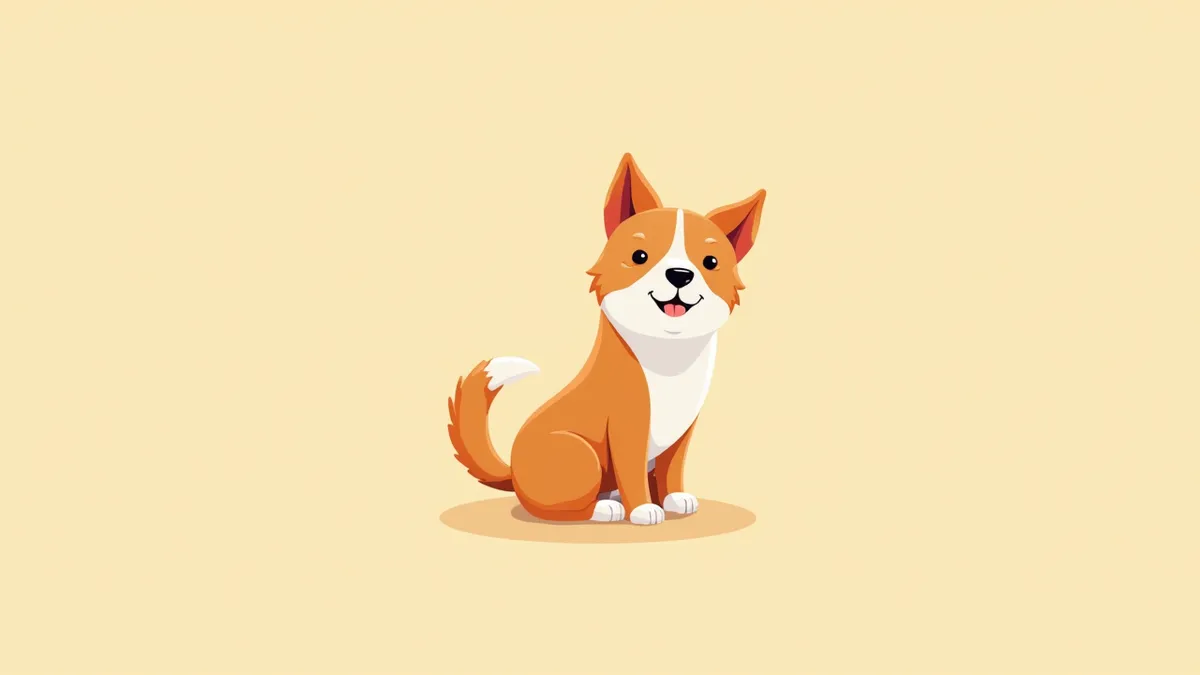
Real-life photos of a dog’s strabismus symptoms
Strabismus in dogs is a condition where one eye points in a different direction than the other or deviates from its normal position. This can occur due to various causes, including congenital genetic factors, trauma, damage to the cranial nerves that control eye movement (oculomotor and trochlear nerves), vestibular or intracranial (brain) diseases, and abnormalities of the extraocular muscles. Note that a significant increase in intraocular pressure leads to buphthalmos, an enlargement of the eyeball, which is a distinct condition separate from strabismus. Additionally, genetic strabismus is more common in certain breeds. - Causes of Strabismus: Major causes include genetics, trauma, cranial nerve abnormalities (including vestibular and intracranial diseases), and impaired function of the extraocular muscles. - Need for Diagnosis: Since eye deviation can be a sign of neurological disease, it is advisable to have your dog examined at a veterinary clinic as soon as possible. - Treatment Options: Management varies depending on the underlying cause and may include surgery, treatment of the primary disease, or medication. Accurate diagnosis and consistent care are key.

Causes of Strabismus Vary, Including Genetics, Trauma, and Nerve Issues
The causes of strabismus in dogs can vary widely. Genetic factors have been reported in certain breeds, with cases observed in Shiba Inus, Portuguese Water Dogs, and some Beagle and Husky lines. Trauma or head injuries that damage the cranial nerves can also lead to strabismus. - Types of strabismus: Strabismus is categorized as congenital, acquired, traumatic, or neurological, with treatment approaches differing based on the underlying cause. - Neurological and muscular issues: Abnormalities in the cranial nerves that control eye movement (the oculomotor and trochlear nerves), vestibular system disorders, or inflammation of the extraocular muscles (myositis) can all be associated with strabismus. - Importance of diagnosis: A professional veterinary examination is essential to accurately identify the cause. Determining the root cause is crucial for developing an effective treatment plan.
A scene of a veterinarian examining a puppy's eyes.

Recognize Early Signs of Suspected Strabismus

The main signs of strabismus in dogs include eyes that appear misaligned, the two eyes looking in different directions, and tilting the head to one side. In particular, if strabismus occurs alongside head tilting or nystagmus (involuntary eye tremors), it may be related to vestibular or intracranial (brain) disorders, so caution is warranted. When it appears in young puppies, genetic factors should also be considered. A sign that owners often overlook is when a dog continues to act normally despite having misaligned eyes; even in such cases, a thorough examination is necessary.
Misaligned eyes: One eye looks in a different direction than the other.
Head tilting: Tilting the head to one side, which can occur alongside vestibular abnormalities.
Accompanied by nystagmus: If rapid, involuntary eye movements are observed together, neurological abnormalities should be suspected.
Misaligned gaze: The two eyes look in different directions.
Close-up photo of a puppy's strabismus symptoms

When to Seek Immediate Veterinary Care

If your dog’s eyes suddenly become misaligned or if strabismus appears after an eye injury, seek veterinary care immediately. This could be a sign of cranial nerve damage or a brain disorder. Additionally, urgent treatment is necessary if the eyes are swollen or if your dog shows signs of pain. Strabismus is not just a cosmetic issue; it can affect visual function, so prompt action is essential.

Strabismus Diagnosis Requires Multiple Tests for Accurate Confirmation
Diagnosing strabismus goes beyond simple visual inspection; it involves a detailed assessment of eye movement and position alongside a comprehensive ophthalmic exam. Veterinarians check the angle of the eyes, extraocular muscle function, and pupillary and visual responses. Crucially, cranial nerve (neurological) exams help pinpoint the location of the problem. If needed, brain imaging (such as MRI) or blood tests may also be performed. - Diagnostic Process: The procedure follows a sequence of observing eye movements, measuring eye position, conducting cranial and neurological exams, and analyzing the underlying cause. - Importance of Neurological Exams: Since strabismus can be linked to vestibular or intracranial diseases, accurate neurological evaluation is essential. - Purpose of Testing: These tests play a vital role in clearly identifying the cause to determine the appropriate treatment direction. - Using Diagnostic Results: The findings serve as the direct foundation for developing a treatment plan and predicting the prognosis.
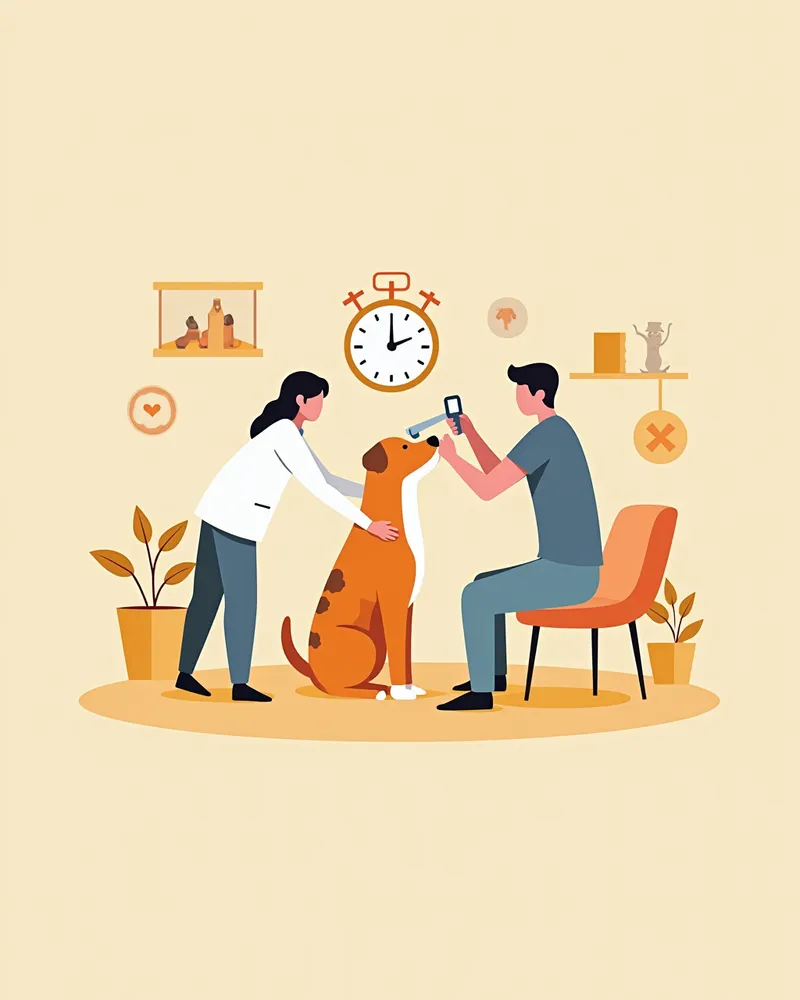
A veterinarian examines a puppy’s eyes using a specialized instrument.

Treatment Methods Vary Depending on the Underlying Cause
Treatment for strabismus varies significantly depending on the underlying cause. If the issue stems from a structural problem with the extraocular muscles or the eye’s position itself, surgery to realign the eye may be considered. In cases where strabismus is secondary to trauma or underlying conditions such as vestibular or intracranial diseases, treating the primary condition often resolves the misalignment. - Medication: Anti-inflammatory and immunomodulatory treatments, such as anti-inflammatory drugs, are used when inflammation is present, such as in extraocular myositis (inflammation of the extraocular muscles). - Treating the Underlying Condition: If a neurological disorder is the cause, priority is given to treating that specific condition. - Post-Surgical Care: Regular veterinary check-ups and ongoing monitoring of the eye’s condition are essential even after surgery. - Determining the Treatment Plan: It is crucial for your veterinarian to develop a cause-specific treatment plan based on an accurate diagnosis.
A puppy recovering after strabismus surgery

Comparison of Strabismus Types, Characteristics, and Treatment Approaches

ItemCauseTreatmentPrognosis
Congenital StrabismusGenetic factorsObservation or surgeryVaries by cause
Traumatic StrabismusHead/orbital traumaTreat the underlying conditionFair
Neurogenic StrabismusCranial nerve/vestibular system abnormalityTreat the underlying condition or surgeryVaries by cause
Muscular (Extraocular Muscle) StrabismusExtraocular muscle inflammation/abnormalityAnti-inflammatory/immunomodulatory therapy or surgeryVaries by cause

Treatment methods may vary depending on the veterinarian's judgment. Prognosis depends on the cause and whether treatment is started early.

Prognosis Is Better with Early Treatment

Early detection and treatment of strabismus significantly impact the prognosis. In particular, when strabismus occurs in young puppies, it can affect visual development. It is important to follow your veterinarian's advice and undergo regular check-ups and treatment. Delaying treatment may lead to vision loss or impaired coordination between the two eyes.

Reviewed by a veterinarian

Dr. Tony — Punnawat Phongkittirak

Dr. Tony — Punnawat Phongkittirak

Veterinarian

A veterinarian who majored in veterinary medicine at Khon Kaen University, Thailand, and completed the IVSA program at North Carolina State University in the United States. Drawing on clinical experience at animal hospitals, he works in the pet healthcare field and is dedicated to building a digital care environment that connects pet parents with veterinarians.

Frequently Asked Questions

Can dogs inherit certain conditions genetically?
Yes, strabismus has been reported in certain breeds. Cases have been observed in Shiba Inus, Portuguese Water Dogs, and some Beagle and Husky lines. However, not all strabismus is genetic, so the exact cause must be confirmed through examination.
Does strabismus cause vision loss?
Strabismus itself is less important than its underlying cause. When strabismus occurs alongside vestibular or intracranial (brain) diseases, it can affect multiple functions, including vision, so identifying the underlying disease is crucial.
How painful is strabismus surgery?
Since surgery is performed under general anesthesia, your pet won’t feel any pain during the procedure. Post-operative pain is managed with medication, and the recovery process and care instructions will vary based on your veterinarian’s guidance.
Can a puppy with strabismus play?
Yes, in most cases, strabismus doesn’t significantly affect a pet’s activity level. However, it’s best to consult with your veterinarian before engaging in activities that rely heavily on vision.
Can strabismus resolve on its own without treatment?
Strabismus rarely resolves on its own. In particular, when an underlying cause such as a neurological disorder is present, treatment of that cause is necessary, so it is important to have your pet examined by a veterinarian.

Share

Related Guides

References

[1] BSAVA Manual of Canine and Feline Dermatology, 4th Ed, 2023

[2] The Dog Care Handbook, Things I Wish My Vet Had Told Me, 2022

[3] Plumb's Veterinary Drug Handbook, 9th Ed, 2021

This information is based on veterinary literature and does not replace diagnosis or treatment. Please consult a veterinarian for specific health concerns.

Metapet Co., Ltd. | CEO: Park Sung-yong | Business Reg. No. 417-88-02562 | Seoul, South Korea | Customer Center

Dog Strabismus FAQ: Key Facts Every Owner Should Know | Meongsiljang