Like
Share
멍실장
고양이 재활 물리치료 총정리 — 보호자가 알아야 할 핵심

A Complete Guide to Feline Rehabilitation Physical Therapy — Key Points for Pet Owners

JointQ&AMeongsiljang Veterinary Advisory Board

I’ve compiled evidence-based veterinary information on the types and benefits of feline rehabilitation physical therapy, when to start it, and how to manage care at home.

What Is Feline Rehabilitation Physical Therapy?
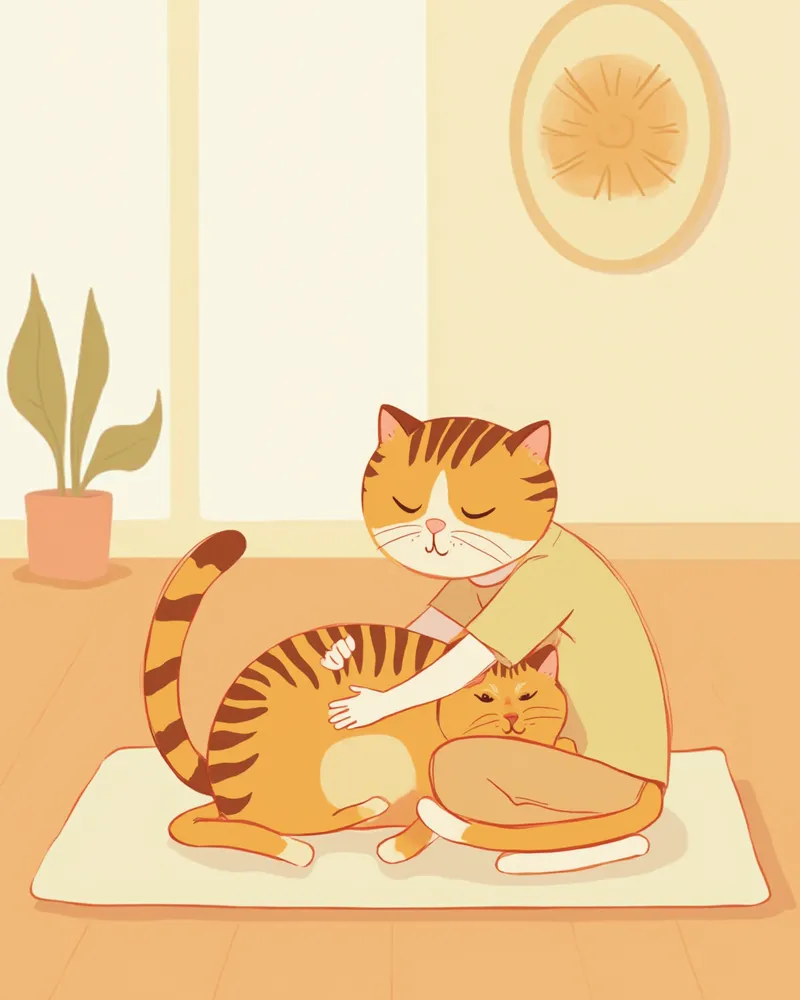
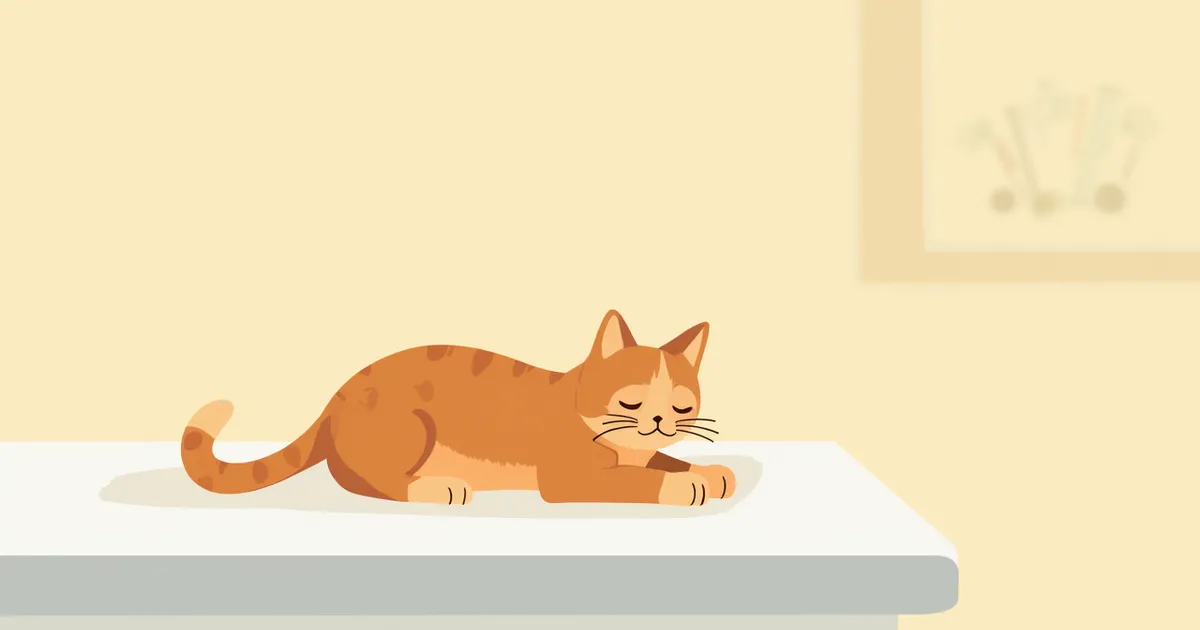
A cat receiving physical therapy from a veterinary rehabilitation specialist
Feline rehabilitation physical therapy is a non-pharmacological treatment led by a veterinarian, designed to help restore muscle and joint function weakened by surgery, injury, or aging. Veterinary pain management textbooks also highlight physical rehabilitation as a key component of a multimodal pain management plan, which integrates medication, home environment modifications, and other therapies like acupuncture and photobiomodulation. Since the timing and intensity of treatment vary depending on the cat’s condition, it is safest and most effective to follow a veterinarian’s diagnosis and prescription rather than making independent decisions. Common techniques include underwater treadmill therapy, low-level laser therapy, passive range-of-motion exercises, and massage, with the specific combination tailored to each individual cat by the veterinarian.

When Is Rehabilitation Therapy Needed?

These are common situations where cats benefit from rehabilitative physical therapy.
Post-surgical recovery: Essential for restoring muscle strength after orthopedic surgeries (such as fractures, patellar issues, or hip conditions).
Arthritis (osteoarthritis): Helps slow joint degeneration and reduce pain in older cats.
Spinal and neurological conditions: Supports functional recovery when cats have difficulty using their legs due to intervertebral disc disease or nerve damage.
Conservative management of fractures and dislocations: Used alongside pain management and functional maintenance when surgery isn't an option.
The longer symptoms persist, the more time recovery may take, so it's important to consult your veterinarian promptly if you notice any concerning signs.

Comparison of Feline Rehabilitation Treatment Methods

ItemMain effectsSuitable candidatesKey precautions
Underwater treadmillMuscle strength recovery and reduced weight-bearing loadPost-surgery, arthritisDifficult to apply if the cat refuses water
Low-level laser therapy (PBM)Reduced inflammation and pain reliefArthritis, surgical wound recoveryEye shielding is essential during treatment
Passive range of motion (PROM)Maintaining joint flexibilityImmediately after surgery, paralysisPerform only when there is no pain
Massage and manual therapyMuscle relaxation and improved blood flowMuscle tension, stressExclude during the acute inflammatory phase

Treatment methods are prescribed by the veterinarian in combination according to the cat's condition.

Underwater Therapy — Build Muscle Strength Without Straining Joints
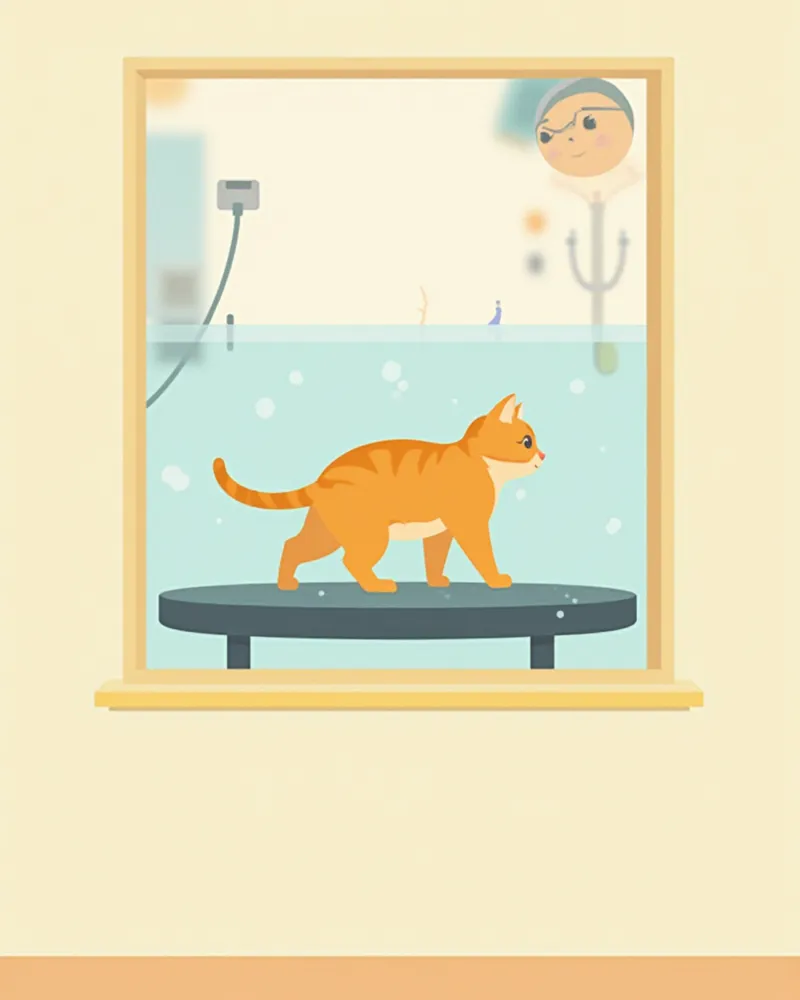
Underwater treadmills help cats exercise by using water buoyancy to reduce joint impact. Physical rehabilitation is recommended in veterinary pain management textbooks as part of an integrated treatment approach, alongside medication and environmental modifications, to alleviate chronic pain from conditions like osteoarthritis and maintain function. However, the type and intensity of exercise must be carefully adjusted based on each cat’s condition, and strenuous activity should be avoided during pain episodes or early recovery stages. Since many cats dislike water, it’s essential to introduce them gradually, starting with short sessions. Because suitability and intensity vary by individual, all sessions should be conducted under the diagnosis and supervision of a veterinary rehabilitation specialist to ensure safety.
A cat undergoing rehabilitation exercise on an underwater treadmill

Important Checks Before Starting Rehabilitation Therapy

All rehabilitation treatments must be conducted under a veterinarian’s prescription and supervision. Do not start or continue treatment in the following situations: when wounds have not fully healed, in cases of acute infection or fever, when fracture fixation is incomplete, or when there are severe cardiopulmonary diseases. If pet owners arbitrarily start treatment or increase its intensity, it could worsen the condition. Always obtain a professional veterinarian’s rehabilitation prescription first.

Low-Level Laser Therapy — Reduces Pain and Aids Tissue Recovery
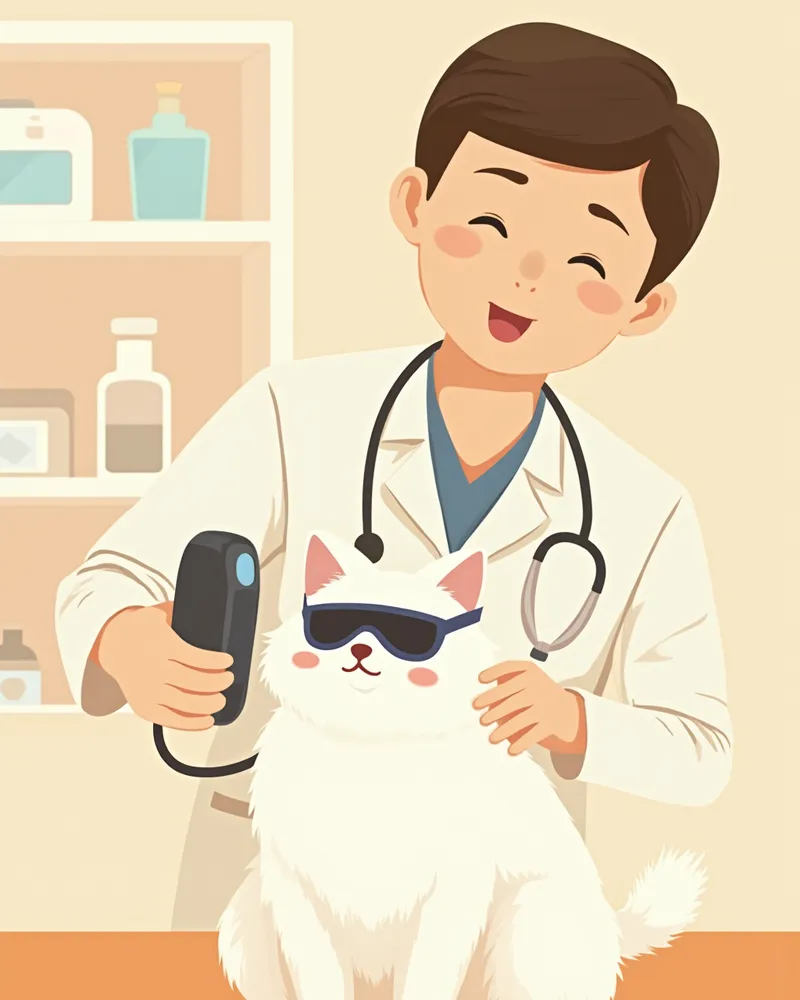
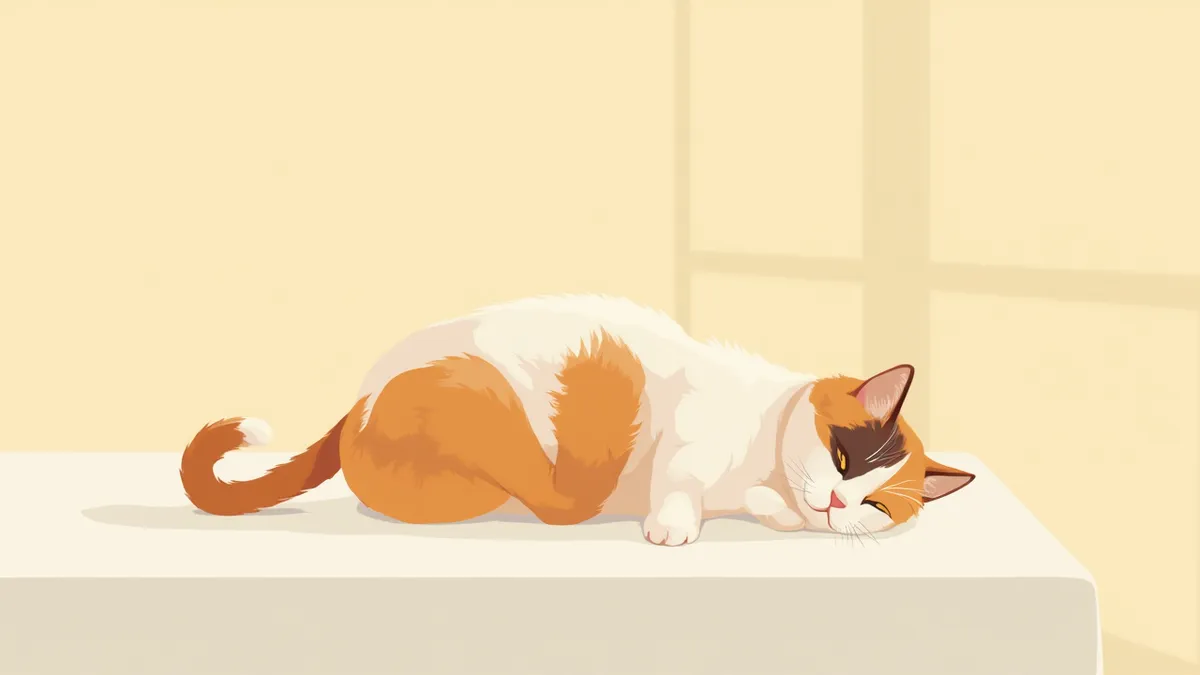
Low-level laser therapy (photobiomodulation) involves applying light at specific wavelengths to tissues. It is known to stimulate cytochrome c oxidase within cells, thereby aiding energy production and the synthesis of proteins involved in cellular recovery. Veterinary pain management textbooks include laser therapy (photobiomodulation) as part of an integrative treatment approach that uses light to stimulate cells, support tissue healing, and reduce inflammation and pain, incorporating it into a multimodal pain management plan. However, because the exact mechanisms of action are not yet fully understood, it is used as an adjunctive therapy. Wound management textbooks report that no clinically significant adverse effects have been observed in patients receiving low-level laser therapy (LLLT). Nevertheless, since this treatment involves direct application of light, the application site and intensity must be determined and supervised by a veterinarian to ensure safety.
A white cat receiving low-level laser therapy

Home Rehabilitation Care Methods

Combining home care with veterinary treatment can speed up recovery.
Passive Range of Motion (PROM): After learning the technique from your veterinarian, gently bend and extend the joint 1–2 times daily.
Environmental Modifications: Install ramps or stairs to allow easy access to elevated areas, and place mats on slippery floors to prevent slipping.
Weight Management: Excess weight increases stress on the joints. Use a veterinarian-prescribed weight management diet.
Warm Compresses: For chronic pain, apply a hot pack wrapped in a towel for about 15 minutes.
Please follow only the home care methods instructed by your veterinarian and do not make any unauthorized changes.
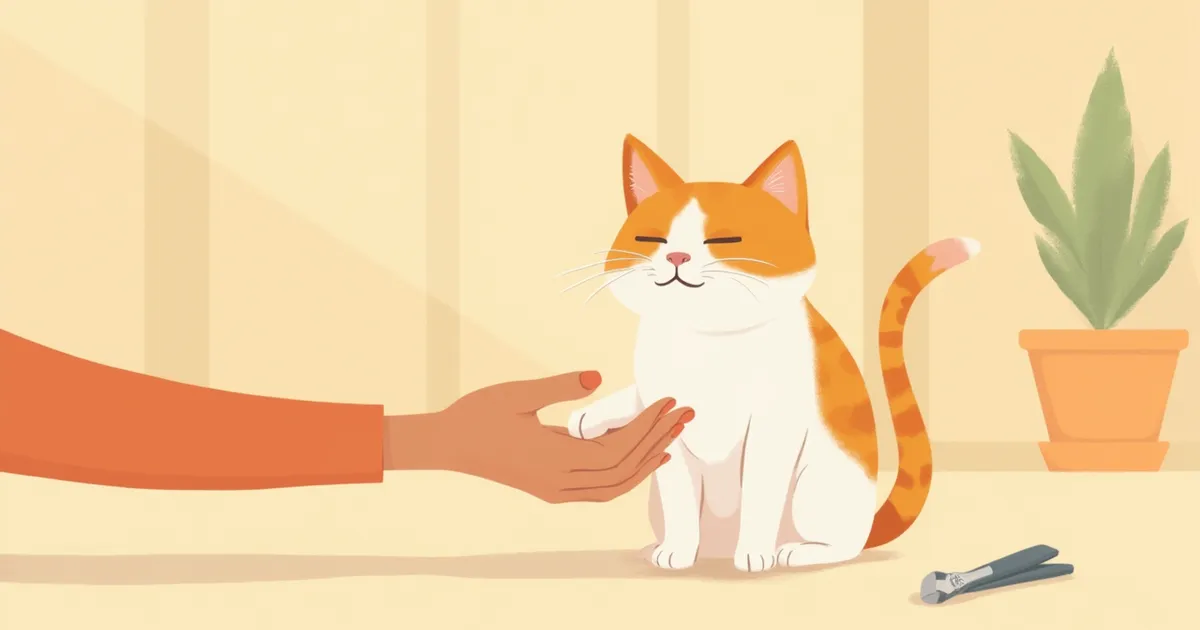
A caregiver who helps with passive joint exercises for cats at home

Senior Cats Often Mask Pain — Owner Observation Is Key

Senior cats aged seven and older often mask joint pain, making it difficult to detect. Reduced jumping, avoidance of stairs, less frequent grooming, and reluctance to jump onto your lap may all be signs of joint discomfort. If these changes persist for more than two weeks, don’t dismiss them as normal aging—schedule an orthopedic evaluation. The earlier the diagnosis, the more effective rehabilitation therapy can be.

Reviewed by a veterinarian

Dr. Tony — Punnawat Phongkittirak

Dr. Tony — Punnawat Phongkittirak

Veterinarian

A veterinarian who majored in veterinary medicine at Khon Kaen University, Thailand, and completed the IVSA program at North Carolina State University in the United States. Drawing on clinical experience at animal hospitals, he works in the pet healthcare field and is dedicated to building a digital care environment that connects pet parents with veterinarians.

Frequently Asked Questions

Can cats receive rehabilitative physical therapy, just like dogs?
Yes, we can accommodate that. Cats are far more sensitive to stress than dogs, so they often require shorter treatment sessions and a longer adjustment period. It’s important to entrust your cat to a veterinarian with experience in feline rehabilitation.
Which veterinary clinics offer rehabilitation therapy?
These services are available at veterinary rehabilitation specialty clinics or at second- and third-tier animal hospitals equipped with rehabilitation equipment such as underwater treadmills and laser therapy devices. It’s a good idea to call ahead and confirm whether the clinic offers feline rehabilitation treatment before making an appointment.
When can rehabilitation therapy begin after surgery?
The timing can vary depending on the type of surgery and the pet’s recovery progress, but passive range-of-motion exercises may begin within 24 to 48 hours after surgery. Since the surgeon determines the exact start time, be sure to ask about it before discharge.
How much does rehabilitation therapy cost?
Costs vary depending on the type of treatment and the clinic, but a typical session ranges from $200 to $700. Some pet insurance plans may cover these expenses, so it’s a good idea to review your policy’s terms in advance.
Are there any rehabilitation exercises that pet owners can do at home?
Learning the proper passive range of motion (PROM) techniques from your veterinarian can help you support your pet at home. However, attempting unlearned methods can cause pain or injury, so always follow the prescribed techniques exactly.

Share

Related Guides

References

[1] Textbook of Veterinary Orthopaedic Surgery, Chapter 15: Physiotherapy and Rehabilitation of Orthopedic Patients, pp. 449–481

[2] Draper WE, Schubert TA, Clemmons RM, Miles SA. Low-level laser therapy reduces time to ambulation in dogs after hemilaminectomy: a preliminary study. Journal of Small Animal Practice. 2012;53:465–469

[3] Riegel RJ, Godbold JC (eds). Laser Therapy in Veterinary Medicine: Photobiomodulation. J Wiley & Sons, Ames, Iowa. 2017

[4] Small Animal Anesthesia and Pain Management: A Color Handbook, 3rd Edition. CRC Press

[5] Lascelles BDX, Henry JB 3rd, Brown J, et al. Cross-sectional study of the prevalence of radiographic degenerative joint disease in domesticated cats. Vet Surg. 2010;39(5):535–544

This information is based on veterinary literature and does not replace diagnosis or treatment. Please consult a veterinarian for specific health concerns.

Metapet Co., Ltd. | CEO: Park Sung-yong | Business Reg. No. 417-88-02562 | Seoul, South Korea | Customer Center

Feline Rehabilitation Physical Therapy: A Complete Guide | Meongsiljang