

How to Administer Eye Drops to Cats: Key Tips for Safe Application Without Struggling
Administering eye drops to cats requires proper technique. Incorrect application can reduce the medication’s effectiveness and cause stress for your cat. In this article, we’ll answer your most frequently asked questions.
Administering Eye Drops to Cats: Owner Technique and Feline Cooperation Are Key
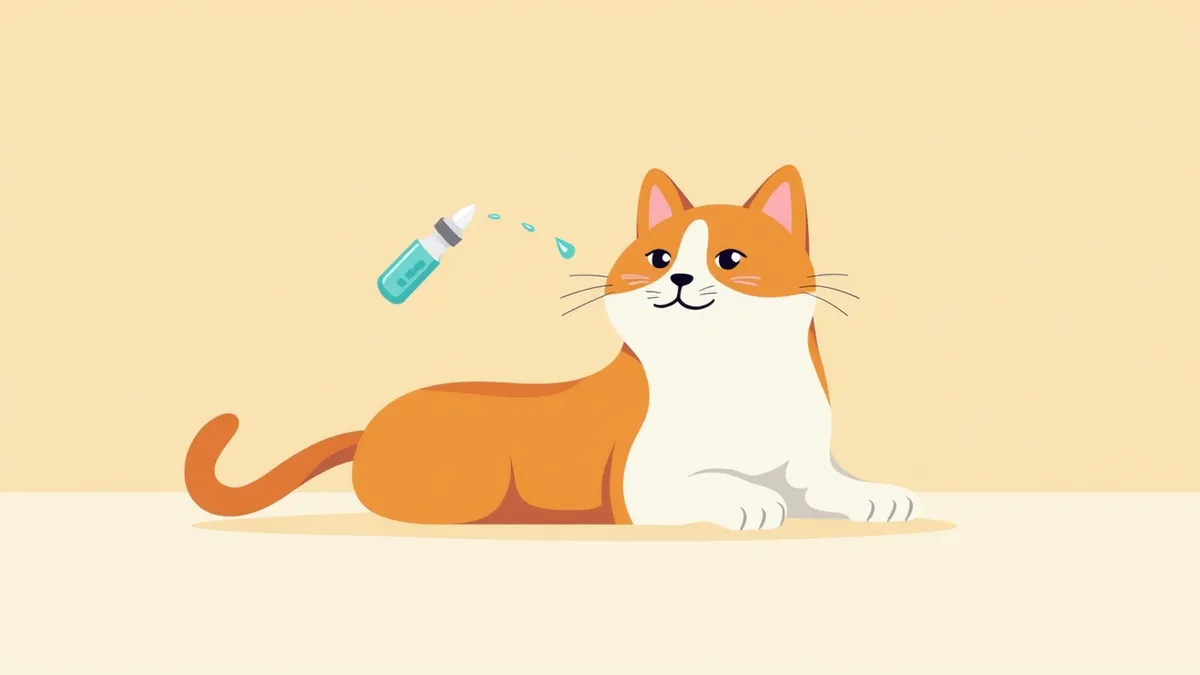
Preparation Before Administering Eye Drops Accounts for 50% of Success
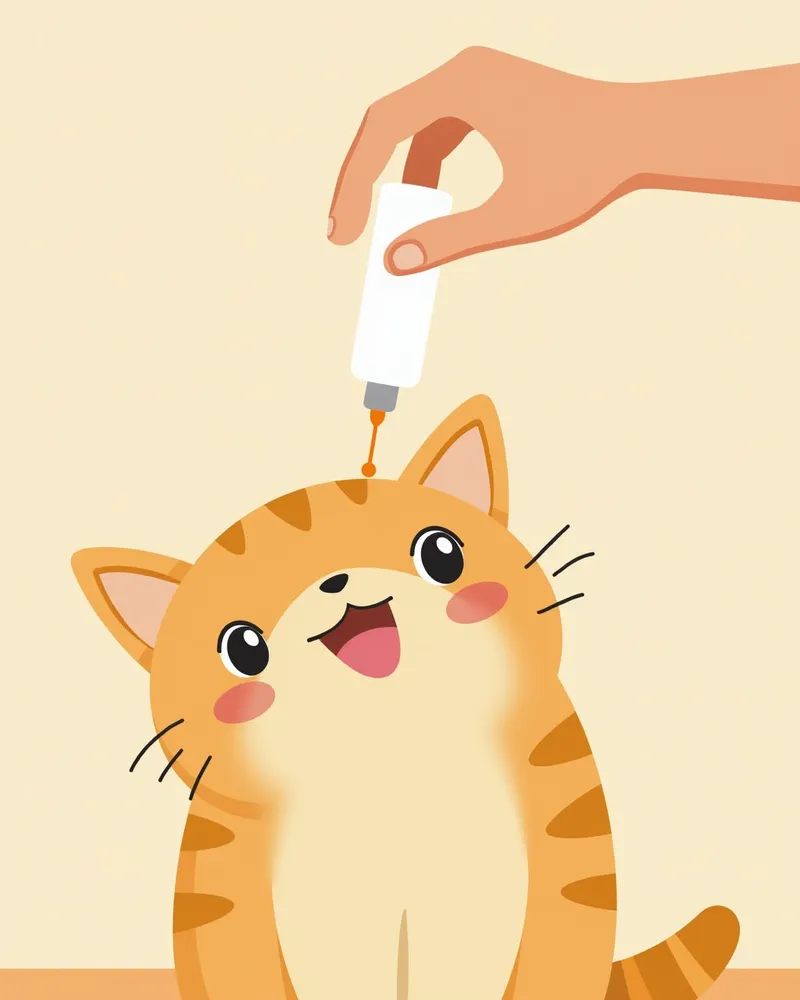
Five Steps for Accurate Administration Technique

Frequently Asked Questions: Why Won’t the Eye Drops Enter the Eye?

Precautions When Administering Eye Drops
When administering eye drops, never let your fingers or the dropper tip touch the eye, as this can cause infection. After applying the medication, keep your cat from rubbing its eyes. If your cat continues to scratch at its eyes, or if you notice redness or light sensitivity, contact your veterinarian immediately.
Post-Administration Care: Monitor Your Cat’s Response

Comparison of Eye Drop Administration Methods: Dropper vs. Spray vs. Gel
| Item | Method | Advantages | Disadvantages | Recommended Situation |
|---|---|---|---|---|
| Dropper (solution-type eye drops) | Precise dosage control is possible | Easy to administer and most widely used | Medication is easily lost if the cat moves or it runs off | Suitable for general eye-drop treatment |
| Suspension eye drops | Administered by dispersing settled drug particles | Shaking well before use makes the concentration uniform | Dosage may be inconsistent if not shaken | Suitable when the drug is formulated as a suspension |
| Gel/ointment | Stays on the eye surface longer | Can reduce the frequency of application | Vision may blur and feel sticky right after application | Suitable for treating conditions requiring continuous drug contact |
The formulation and administration method of eye medication vary depending on the drug's properties and the eye's condition. Topical eye drops are usually made as solutions, suspensions, or ointments, and you must always follow the formulation and method directed by the veterinarian.
Tips to Avoid Mistakes When Administering Eye Drops
Reviewed by a veterinarian

Dr. Tony — Punnawat Phongkittirak
VeterinarianA veterinarian who majored in veterinary medicine at Khon Kaen University, Thailand, and completed the IVSA program at North Carolina State University in the United States. Drawing on clinical experience at animal hospitals, he works in the pet healthcare field and is dedicated to building a digital care environment that connects pet parents with veterinarians.
Reviewed 2026-06-02
Frequently Asked Questions
Should I close my pet’s eyes immediately after applying eye drops?
What should I do if the eye drops won’t go into my pet’s eye?
What happens if too many eye drops are administered?
What should I do if my cat scratches its eyes after administering eye drops?
Can I set a specific time for administering eye drops?
Share
Related Guides

Top 5 Dog Tear Supplements Recommended for 2026

What is Lutein? Effects on Dog Eye Health

The Best Canine Uveitis Management Products and Selection Criteria: A Comprehensive Guide

Should You Feed Prescription Renal Diets to Dogs? — Effects and Feeding Guidelines

What Are Kidney Tumors in Dogs? — How to Spot Early Symptoms

Is Even One Grape Dangerous for Dogs? — Q&A on Raisin Poisoning Symptoms and Emergency Response
Early Screening for Kidney Function in Dogs (SDMA) — Why It’s Needed and When to Get It

Is Your Dog’s Dehydration a Risk to the Kidneys? — Signs You Must Not Miss

Is EPO Deficiency the Cause of Anemia in Dogs with CKD? — From Symptoms to EPO Treatment

Can Canine Chronic Kidney Disease (CKD) Be Cured? — A Complete Guide from Diet to Lifespan
References
[1] Featherstone, J.G. and Heinrich, C.L. (2013). Ophthalmic examination and diagnostics. Part 1: the eye examination and diagnostic procedures. In: Veterinary Ophthalmology, 5e (ed. K.N. Gelatt, B.C. Gilger and T.J. Kern), 533–613. Wiley Blackwell.
[2] Mandell, D.C. and Holt, E. (2005). Ophthalmic emergencies. Vet. Clin. North Am. Small Anim. Pract. 35: 455–480.
[3] Advanced Monitoring for Small Animal Emergency and Critical Care, 2nd Ed. (2020). Chapter on Ophthalmic Procedures. Elsevier.