Like
Share
멍실장
노묘 신장 식이 단계별 가이드

How to Change Kidney Diets for Senior Cats — Key Stage-by-Stage Feeding Guide

KidneyQ&AMeongsiljang Veterinary Advisory Board

Kidney diets for senior cats are tailored to adjust the balance of protein, phosphorus, and sodium according to IRIS stages (1–4). A systematic approach from the early stages can significantly improve their quality of life.

What Are Renal Diets for Senior Cats?
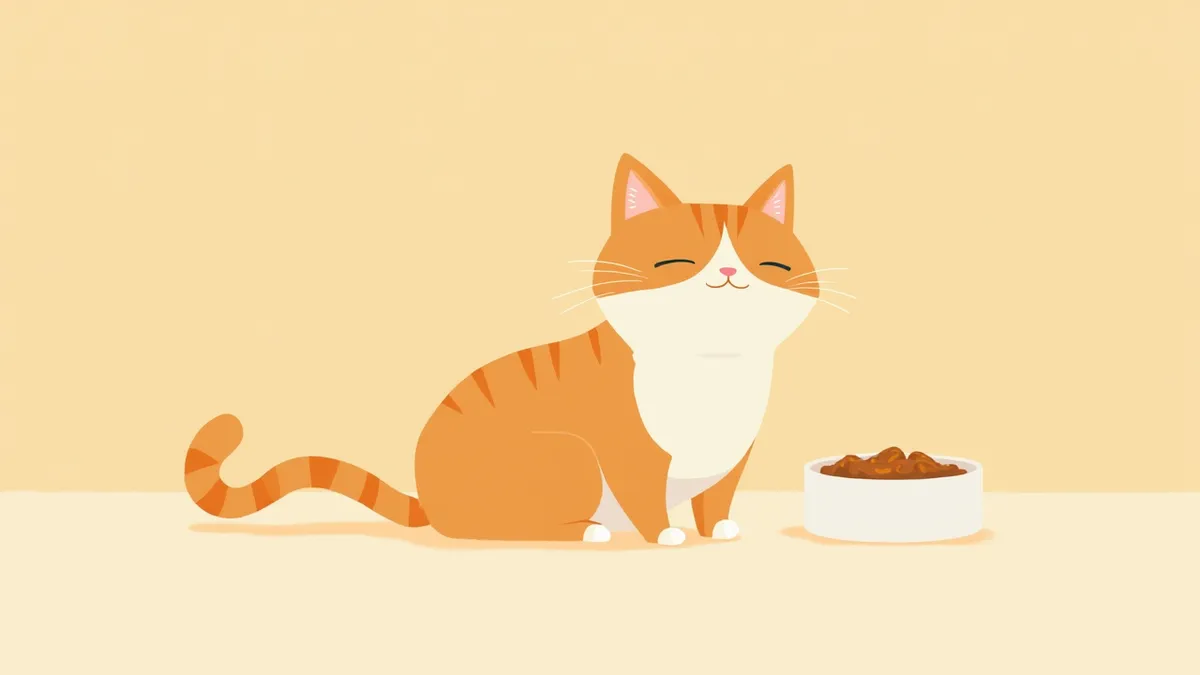
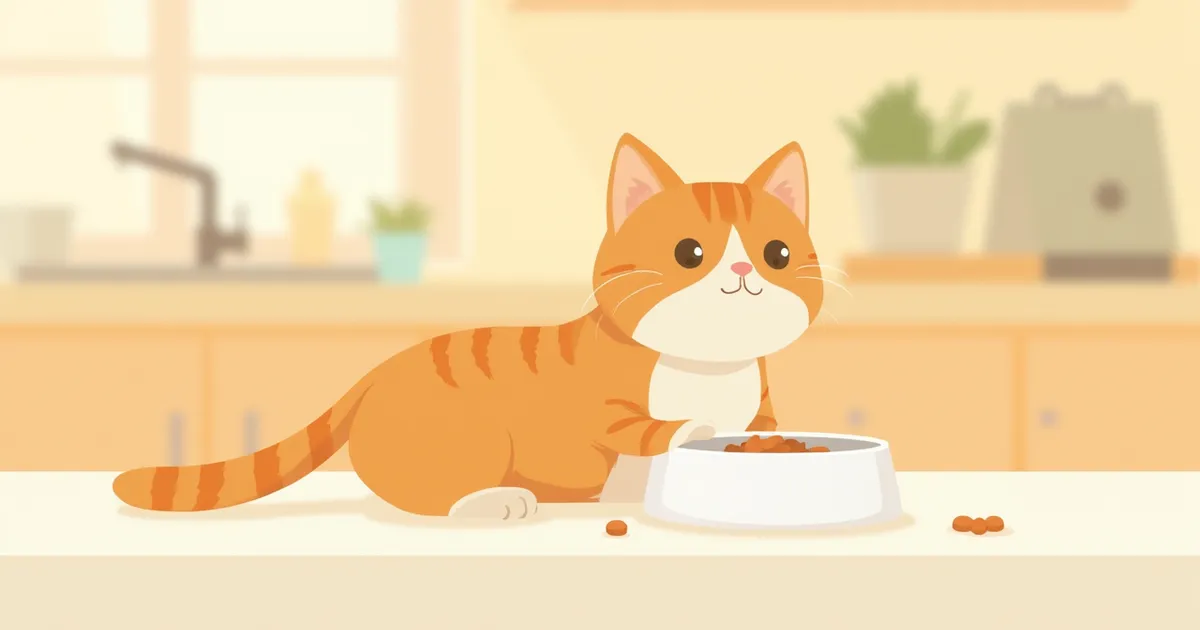
An elderly cat sitting beside its food bowl
Renal diets for senior cats are tailored to reduce kidney strain by adjusting the balance of protein, phosphorus, and sodium according to IRIS (International Renal Interest Society) stages 1 through 4. The key takeaway is that early intervention extends survival time. According to veterinary internal medicine textbooks, cats diagnosed with chronic kidney disease (CKD) who are started on a prescription diet early show significant improvements in both quality of life and lifespan. However, the approach varies by stage.

Why Are Renal Diets Important for Senior Cats?

A significant number of cats over the age of 10 suffer from chronic kidney disease. Since the kidneys are organs that are difficult to recover once damaged, protecting the remaining kidney function is the core of treatment. In particular, phosphorus accumulation is a major cause that rapidly progresses kidney damage. If you notice symptoms such as increased water intake, increased urine volume, and weight loss, it may indicate that a substantial amount of kidney function has already been lost and the kidney's compensatory mechanisms have reached their limit. This is why dietary management is as important as medication.

IRIS Stage-Specific Dietary Points at a Glance

ItemIRIS Stage 1 (early)IRIS Stage 2 (mild)IRIS Stage 3 (moderate)IRIS Stage 4 (end-stage)
Blood creatinine (mg/dL)< 1.61.6–2.82.9–5.0> 5.0
ProteinMaintain within normal rangeSlightly restrictedModerately restrictedPrioritize appetite
Phosphorus restrictionPreventiveEssentialStrongly essentialEssential
Key goalKidney protectionSymptom reliefSlow progressionMaintain quality of life
Introduction of prescription dietOptionalRecommendedEssentialEssential

Summary based on the IRIS 2023 guidelines. The exact stage is determined by a veterinarian by comprehensively assessing blood, urine, and blood pressure.

Stages 1–2: Phosphorus Restriction Comes First
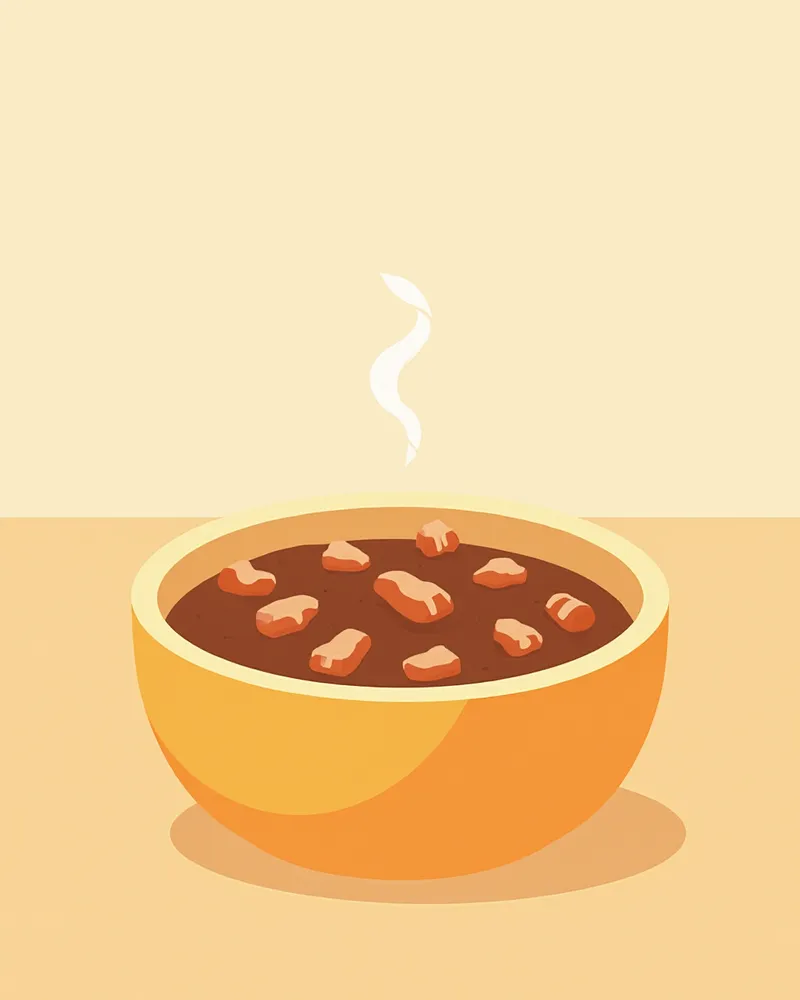
In the early stages, it’s far more important to limit phosphorus than to excessively reduce protein. Multiple clinical studies have confirmed that feeding prescription diets with restricted phosphorus effectively slows the progression of kidney disease. Since regular adult cat foods are high in phosphorus, we recommend switching to a low-phosphorus prescription diet from this stage onward. For protein, the goal is to maintain an appropriate amount of high-quality animal-based protein. Rather than simply reducing protein intake, the priority is preserving muscle mass.
Wet food containing high-quality protein

Essential Principles for Dietary Transition

Sudden dietary changes can lead to decreased appetite, so transition gradually over 7–14 days by mixing the new food with the old. Start with a ratio of 75% current food and 25% new food, adjusting the proportions every 3–4 days for a safe transition. After starting the new diet, schedule a recheck in 2–4 weeks to assess its effectiveness, and continue to regularly evaluate your cat’s nutritional status. If you notice a loss of appetite or persistent vomiting, consult your veterinarian immediately. Veterinary textbooks emphasize the importance of ensuring cats consume adequate calories while monitoring their weight, body condition, and muscle mass. Renal diets are only effective if cats eat enough to meet their caloric needs, so maintaining sufficient food intake to prevent caloric deficiency is crucial.

Stage 3: Protein Regulation and Hydration Are Key
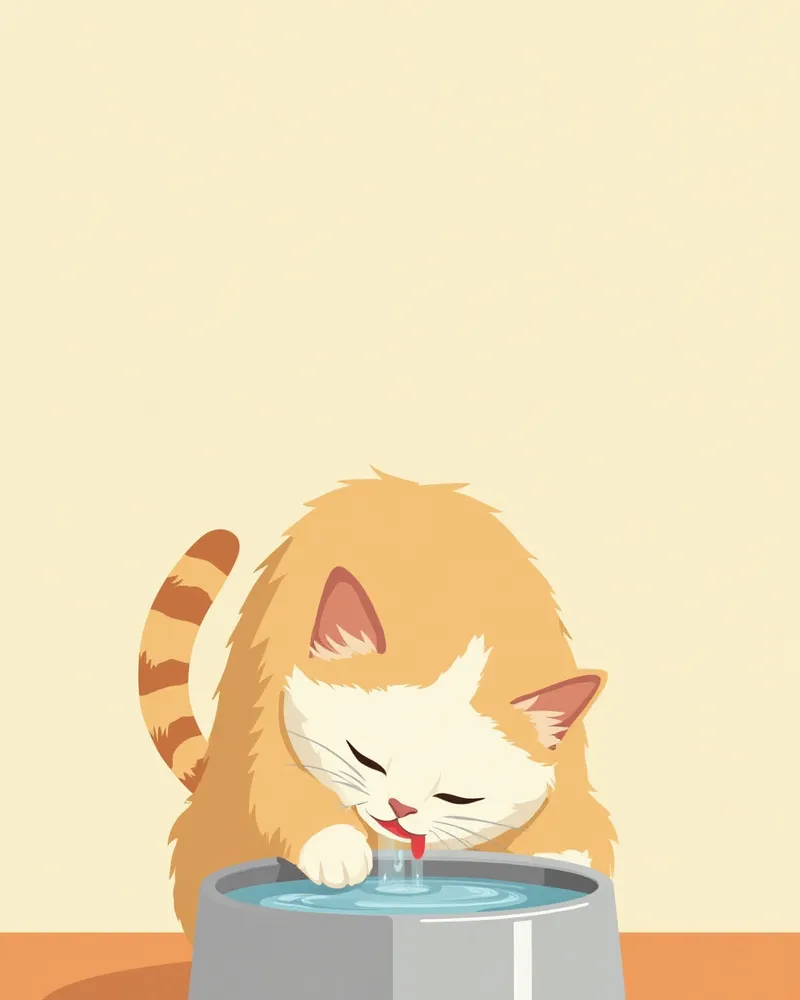
In stage 3, rising blood urea nitrogen (BUN) levels often lead to decreased appetite and vomiting. The standard dietary approach at this stage is a prescription diet with moderate protein restriction and strict phosphorus restriction. Most importantly, the diet should be centered around wet food. According to veterinary internal medicine textbooks, feeding canned food (which contains 70–80% moisture) directly helps prevent dehydration and supports toxin elimination. For pets eating only dry food, be sure to increase their water intake by providing water fountains and moisture-rich treats.
An older cat drinking water from a water fountain

Stage 4: Maintaining Appetite Is the Top Priority

In the end stages, getting your cat to eat takes priority over sticking strictly to prescribed diets. If they refuse prescription food, it’s more important to offer regular wet cat food to prevent weight loss. Work with your veterinarian to combine appetite stimulants, anti-nausea medication, and subcutaneous fluid therapy. During this phase, offer small amounts frequently—about five to six times a day—and consider warming the food, as the enhanced aroma can help stimulate their appetite. The focus shifts to preserving your cat’s quality of life.

Common Points Across Stages — Management Checklist

- Hydration: Prioritize wet food and provide multiple water bowls or a water fountain around the home. - Low-phosphorus diet: Feed a prescription diet tailored to IRIS stage-specific blood phosphorus targets (Stage 2: 2.5–4.5 mg/dL, Stage 3: 2.5–5.0 mg/dL, Stage 4: 2.5–6.0 mg/dL). - Omega-3 fatty acids: EPA and DHA help reduce kidney inflammation. - Weight and muscle mass: Check your cat’s weight at home once a month. - Regular check-ups: Perform blood and urine tests every 3 to 6 months. - Foods to avoid: Steer clear of salty treats, raw fish, and stale or standing food. For more details, please refer to our Guide to Cat Chronic Kidney Disease Symptoms and Stages.

Go to the Vet Immediately If You See These Signs

If your cat refuses food for more than 24 hours, experiences repeated vomiting, severe lethargy, or rapid breathing, these could be signs of a uremic crisis. This is one of the most dangerous conditions in older cats with kidney disease. In cases of severe dehydration, subcutaneous fluid therapy alone can lead to significant improvement, so don't wait at home—seek veterinary evaluation immediately.

Reviewed by a veterinarian

Dr. Tony — Punnawat Phongkittirak

Dr. Tony — Punnawat Phongkittirak

Veterinarian

A veterinarian who majored in veterinary medicine at Khon Kaen University, Thailand, and completed the IVSA program at North Carolina State University in the United States. Drawing on clinical experience at animal hospitals, he works in the pet healthcare field and is dedicated to building a digital care environment that connects pet parents with veterinarians.

Frequently Asked Questions

My pet’s kidney values are only slightly elevated at this early stage—do they really need to be on a prescription diet?
In stage 1, there’s some flexibility. However, many studies show that switching to a prescription diet low in phosphorus can help slow disease progression. Even with regular pet food, opt for a low-phosphorus formula and consult your veterinarian for follow-up blood tests every three to six months.
My pet really doesn’t like the prescription food. Can I feed them regular wet food instead?
It’s far better for your cat to eat than to go without. Veterinary textbooks emphasize that adequate calorie intake is crucial in managing kidney disease, because even renal diets only work if your cat consumes enough to meet its caloric needs. If your cat isn’t eating enough of the prescription food, it’s more practical to offer regular wet food to ensure sufficient calorie intake, while working with your veterinarian on appetite stimulants and fluid therapy.
Which is better, dry or wet prescription food?
Wet food should be your first choice, as adequate hydration is the cornerstone of managing kidney disease. If your dog eats only dry food, supplement their diet with a prescription dry food from the same line, along with water fountains and hydrating treats to help increase fluid intake.
Can I give my pet a separate omega-3 supplement?
Yes, it can be used in conjunction with other treatments after consulting with your veterinarian. There is evidence that EPA and DHA help reduce inflammation in the kidneys. However, the dosage must be determined based on your pet’s body weight, so it is essential to confirm the appropriate amount with your veterinarian.
Can kidney disease be cured with diet alone?
While a complete cure is difficult, **we can significantly slow its progression**. Chronic kidney disease is a condition where damaged kidneys cannot recover, so the goal of treatment is to preserve the remaining kidney function for as long as possible. Diet is one of the most powerful tools we have for this.

Share

Related Guides

References

[1] Langston CE, Eatroff AE. Chronic Kidney Disease. In: Small Animal Critical Care Medicine, 3rd Ed.

[2] The Cat, Clinical Medicine and Management, 2nd Edition — Chronic Kidney Disease chapter

[3] IRIS(International Renal Interest Society) CKD Staging Guidelines, 2023

This information is based on veterinary literature and does not replace diagnosis or treatment. Please consult a veterinarian for specific health concerns.

Metapet Co., Ltd. | CEO: Park Sung-yong | Business Reg. No. 417-88-02562 | Seoul, South Korea | Customer Center

Kidney Diets for Senior Cats: Stage-by-Stage Feeding Guide | Meongsiljang