Like
Share
멍실장
고양이 만성 신장병 IRIS 단계별 완벽 정리

Complete Guide to IRIS Stages of Feline Chronic Kidney Disease

KidneyQ&AMeongsiljang Veterinary Advisory Board

We’ve organized the IRIS stages 1–4 for chronic kidney disease in cats, including stage-specific symptoms, treatment and management strategies, and sub-classifications for proteinuria and hypertension, all based on veterinary standards.

What Are the IRIS Stages?
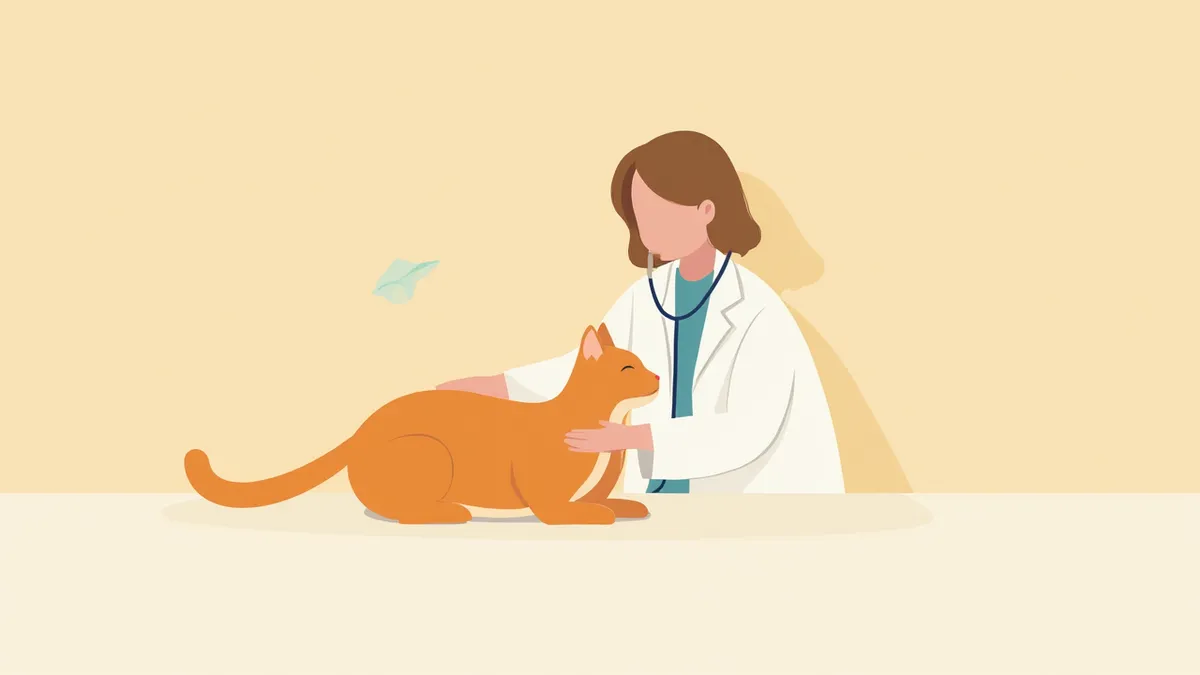
A veterinarian examining a senior cat.
The IRIS staging system for feline chronic kidney disease is an internationally recognized classification developed by the International Renal Interest Society. It categorizes the severity of kidney damage into four stages based primarily on blood creatinine levels, with SDMA used as a supplementary marker. What truly matters is that management and treatment strategies differ significantly depending on the stage. Early detection and intervention help preserve remaining kidney function for longer, and consistent use of appropriate prescription diets alongside regular veterinary check-ups has been shown to meaningfully improve both survival time and quality of life. These stages are not just numbers; they form the foundation of your cat’s treatment plan.

Why Is Staging Important?

Kidney disease often shows no obvious signs in its early stages, and creatinine is a relatively insensitive screening marker for detecting early kidney damage. As a result, relying solely on symptoms often leads to diagnosis only after the disease has progressed significantly. The International Renal Interest Society (IRIS) first stages the disease based on blood creatinine (along with the secondary marker SDMA), then further classifies it by adding urine protein (proteinuria) and blood pressure. This standardized system allows veterinarians worldwide to diagnose and develop treatment plans using consistent criteria. Knowing your pet’s stage is essentially knowing what steps to take next.

IRIS Stages 1–4 Criteria Table

ItemStage 1Stage 2Stage 3Stage 4
Creatinine (mg/dL)<1.61.6–2.82.9–5.0>5.0
Kidney function impairmentMinimalMildModerateSevere
Main symptomsAlmost noneIncreased thirst and urinationWeight loss·decreased appetiteVomiting·lethargy
Average survival timeMost favorableRelatively favorableGradually shortensShortest

Survival time tends to shorten as the IRIS stage rises, and varies greatly depending on whether proteinuria and hypertension are present. Specific durations vary widely between individuals, so consult your veterinarian for judgment.

Characteristics and Symptoms by Stage

Stage 1 is characterized by normal blood values, but with reduced urine concentrating ability, proteinuria, and abnormalities detected on imaging studies. In Stage 2, mild elevations in kidney markers are accompanied by increased thirst and urination. Stage 3 presents with clear signs of uremia, along with decreased appetite, weight loss, and dehydration. Stage 4 is a life-threatening uremic condition that often requires hospitalization. As the stage progresses, the intensity of management also increases.
An elderly cat drinking water from a water dispenser

Key Factors to Confirm When Determining Stage

We don’t determine the stage based on creatinine levels alone. Since values can fluctuate depending on hydration status, diet, and muscle mass, accurate assessment requires at least two measurements taken at least two weeks apart. Additionally, early kidney markers (SDMA), urine specific gravity, urine protein-to-creatinine ratio, and blood pressure measurements must all be included. Please don’t worry or feel reassured based on a single test result; always consult your veterinarian for a comprehensive evaluation.

Management Strategies by Stage

- Stages 1–2: The key is switching to a low-protein, low-phosphorus prescription diet and managing water intake. - Stage 3: Treatment is expanded to include phosphate binders, potassium supplements, and subcutaneous fluid therapy. - Stage 4: Intensive care is required, including hospitalization, intravenous fluids, appetite stimulants, and antiemetics. Regular rechecks are essential at every stage, with treatment adjusted as the condition progresses. The most important things you can do at home are providing a renal prescription diet and monitoring water intake.
A cat on a renal prescription diet

Sub-classifications for Proteinuria and Hypertension

The International Renal Interest Society (IRIS) classifies kidney disease not only by stages 1 through 4, but also by the presence of proteinuria and hypertension. In cats, a urine protein-to-creatinine ratio (UPC) above 0.4 indicates proteinuria, 0.2–0.4 is considered borderline, and below 0.2 is normal. For blood pressure, a systolic reading under 140 mmHg is normal, 140–159 mmHg is pre-hypertensive, and 160 mmHg or higher is classified as hypertension. When proteinuria and hypertension occur together, the prognosis worsens even within the same stage. This changes the medication prescription and the intensity of management, requiring more frequent rechecks. Only by evaluating these sub-classifications can we develop a complete treatment plan.

Recheck Intervals by Stage

- Stages 1–2: Because the condition is relatively stable, recheck intervals are set longer. - Stages 3–4: Because the condition can change rapidly, rechecks are performed more frequently at shorter intervals. The reason recheck intervals shorten as the stage progresses is that the condition changes more quickly. The specific recheck schedule is determined individually by your veterinarian based on the presence of proteinuria and hypertension, as well as overall stability. During rechecks, urine tests and blood pressure measurements should be performed alongside blood tests. Monitoring trends in these values to adjust the treatment plan is key to long-term management.

Reviewed by a veterinarian

Dr. Tony — Punnawat Phongkittirak

Dr. Tony — Punnawat Phongkittirak

Veterinarian

A veterinarian who majored in veterinary medicine at Khon Kaen University, Thailand, and completed the IVSA program at North Carolina State University in the United States. Drawing on clinical experience at animal hospitals, he works in the pet healthcare field and is dedicated to building a digital care environment that connects pet parents with veterinarians.

Frequently Asked Questions

My child is in stage 2. How long can they live?
Survival times vary widely among individual dogs, making it difficult to state a definitive average. However, studies have shown that dogs with lower IRIS stages tend to live longer, and outcomes can differ significantly depending on the presence of proteinuria or hypertension, as well as whether a prescription diet is being fed. According to veterinary textbooks, consistent dietary management has been shown to meaningfully improve both survival time and quality of life.
Does stage 1 require treatment?
Yes, management should begin at Stage 1. We remove potential contributing factors (infections, stones, medications), increase water intake, and start medication if proteinuria is present. Early management is the most effective way to slow disease progression.
Can the stage go back down once it has progressed?
If elevated readings are due to dehydration or a temporary worsening of symptoms, the stage may decrease after rehydration. However, true chronic kidney damage is irreversible, so the goal of treatment is to slow disease progression. To confirm the actual stage, recheck the values every two weeks once the patient is stable.
Why is an SDMA test necessary?
The early kidney marker SDMA can detect declines in kidney function earlier than creatinine. Therefore, the International Renal Interest Society (IRIS) recommends using SDMA as a supplementary indicator alongside creatinine when assigning IRIS stages. Even if creatinine levels are normal, persistently elevated SDMA may suggest early-stage kidney dysfunction.
Is it really necessary to give my pet prescription food?
Yes, renal prescription diets are a well-established dietary management approach that has been shown in studies to extend survival and improve quality of life. Feeding a kidney-specific diet formulated with reduced protein and phosphorus levels can help alleviate the burden of uremia. For cats that don’t drink enough water, wet (canned) food can be beneficial for increasing their fluid intake.

Share

Related Guides

References

[1] Langston CE, Eatroff AE. Chronic Kidney Disease. Small Animal Critical Care Medicine, 3rd Edition

[2] The Cat, Clinical Medicine and Management, 2nd Edition - Urinary Tract Disease: Chronic Kidney Disease

[3] IRIS (International Renal Interest Society) Staging of CKD Guidelines, 2023 Update

This information is based on veterinary literature and does not replace diagnosis or treatment. Please consult a veterinarian for specific health concerns.

Metapet Co., Ltd. | CEO: Park Sung-yong | Business Reg. No. 417-88-02562 | Seoul, South Korea | Customer Center

Feline CKD: Complete Guide to IRIS Stages 1-4 | Meongsiljang