
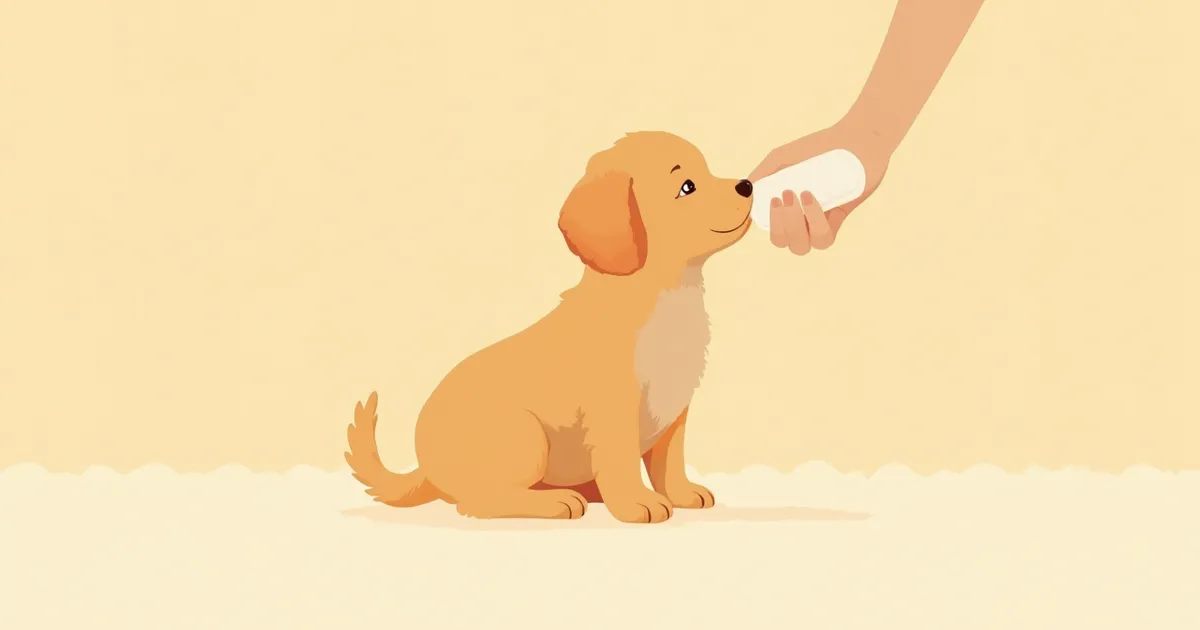
The Ultimate Guide to Dog Ear Cleaning Methods and Frequency
Cleaning your dog’s ears is key to preventing otitis externa. We’ve put together a guide covering cleaning frequency by breed, proper techniques, and warning signs that indicate a vet visit is needed.
Why Dog Ear Cleaning Is Essential
Understanding Ear Anatomy for Safety
Cleaning Frequency by Breed and Ear Shape
Recommended Cleaning Frequency by Ear Shape
| Item | Short/erect ears | Floppy ears/long hair | After swimming/bathing | History of allergy/otitis externa |
|---|---|---|---|---|
| Recommended frequency | Once every 2–4 weeks | Once every 1–2 weeks | Once each time | Frequency as prescribed by veterinarian |
| Example breeds | Shiba Inu, Maltese, Pomeranian | Cocker Spaniel, Beagle, Poodle | All breeds | French Bulldog, West Highland White Terrier |
| Key caution | Avoid over-cleaning | Ventilation is key | Dry completely | No self-diagnosis |
When inflammation is present, use hospital-prescribed products instead of regular cleansers
5-Step Home Cleaning Method

What You Must Never Do
Inserting cotton swabs deep into the ear canal is the most common cause of accidents. This can push earwax inward, causing it to compact, and also risks damaging the eardrum. Home remedies such as water, hydrogen peroxide, alcohol, or diluted vinegar are also prohibited, as their incorrect pH can irritate the skin of the external ear canal and worsen inflammation. Since human cotton swabs and cotton pads may leave behind fibers, always use cotton balls specifically designed for dogs. If you notice pus, a foul odor, or blood coming from the ear, stop cleaning immediately and take your dog to the vet.
How to Choose a Good Ear Cleaner

When to Visit the Vet
Pay Special Attention to Floppy-Eared Breeds
Breeds with long, floppy ears—such as Cocker Spaniels, Beagles, Basset Hounds, and Golden Retrievers—are prone to poor ventilation in the external ear canal, which creates an ideal environment for bacteria and yeast to thrive. Additionally, West Highland White Terriers, French Bulldogs, Shih Tzus, and Shar-Peis have a higher incidence of allergic otitis externa. For these breeds, make it a habit to check your pet’s ear odor and color once a week, even when they appear healthy, and always dry the inside of their ears thoroughly after bathing or swimming. During the humid rainy season, it is advisable to increase the frequency of ear cleaning beyond your usual routine.
Reviewed by a veterinarian

Dr. Tony — Punnawat Phongkittirak
VeterinarianA veterinarian who majored in veterinary medicine at Khon Kaen University, Thailand, and completed the IVSA program at North Carolina State University in the United States. Drawing on clinical experience at animal hospitals, he works in the pet healthcare field and is dedicated to building a digital care environment that connects pet parents with veterinarians.
Reviewed 2026-04-28
Frequently Asked Questions
How often should you clean your dog’s ears?
Can I use a cotton swab?
Can I use the saline or hydrogen peroxide I have at home?
My dog’s ears are smelling bad—should I be cleaning them more often?
My dog really hates having his ears cleaned. What should I do?
Share
Related Guides
Top 5 Medicated Dog Shampoos — For Pyoderma and Bacterial Infections

Veterinarian-Recommended Top 5 Medicated Shampoos for Canine Yeast Dermatitis — Relieves Itching and Greasiness

Top 5 Medicated Cat Shampoos Recommended by Veterinarians — Fungal Dermatitis and Fungal Care
What Is a Veterinary Technician? A Complete Guide to Their Roles and How to Become One

Long-Distance Car Safety (1, 3, and 8 Hours)
The Ultimate Guide to Domestic Flight Procedures for Dogs and Cats

Environmental Stress in a New Home: Is My Pet Okay?
Is Your Lethargic Pet Depressed? — Warning Signs and How to Respond
Complete Guide to Home Emergency First Aid for Pet Burns in Dogs and Cats
How to Measure Dog and Cat Body Temperature at Home (Rectal and Forehead)
References
[1] Miller WH, Griffin CE, Campbell KA. Muller and Kirk's Small Animal Dermatology, 7th ed. W.B. Saunders, Philadelphia, 2012
[2] BSAVA Manual of Canine and Feline Dermatology, 4th Edition, Chapter on Otitis Externa
[3] Nuttall T, Bensignor E. A pilot study to develop an objective clinical score for canine otitis externa. Veterinary Dermatology 2014;25:330-53
[4] Nuttall T, Cole L. Evidence-based veterinary dermatology: a systematic review of interventions for treatment of Pseudomonas otitis in dogs. Veterinary Dermatology 2007;18:69-77