Like
Share
멍실장
분리불안 1-4단계별 대처

How to Handle Separation Anxiety Stages 1–4

Brain & CognitionQ&AMeongsiljang Veterinary Advisory Board

Canine separation anxiety is classified into four stages based on severity. I’ll walk you through the symptoms at each stage, along with tailored behavior modification and medication guidelines.

What Are the Stages of Canine Separation Anxiety?
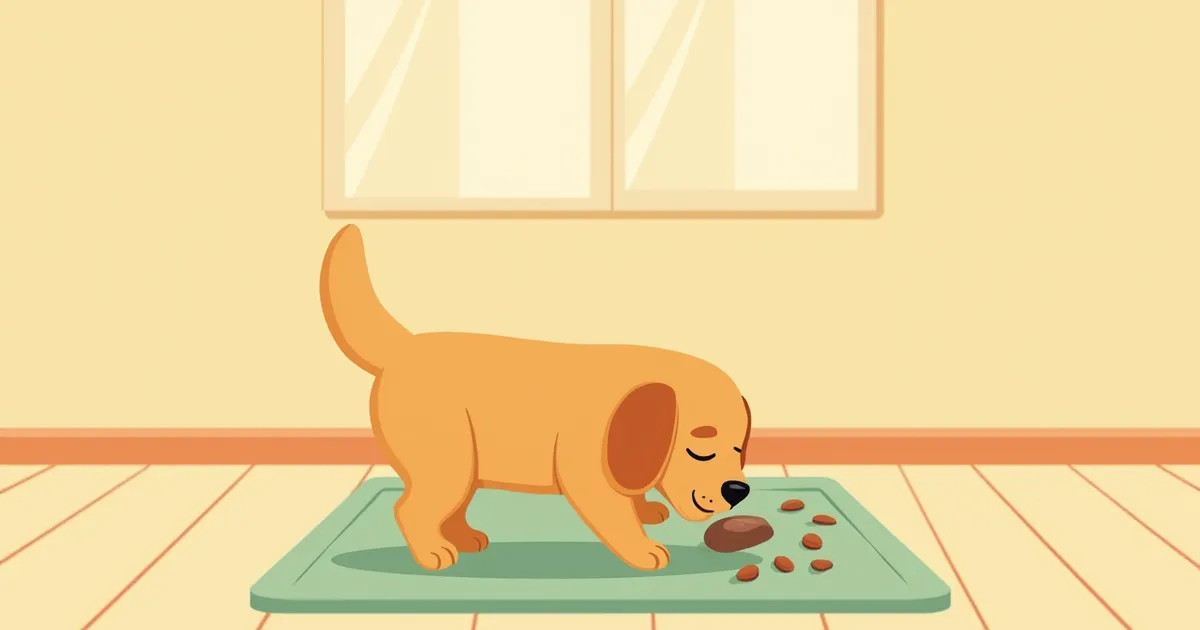
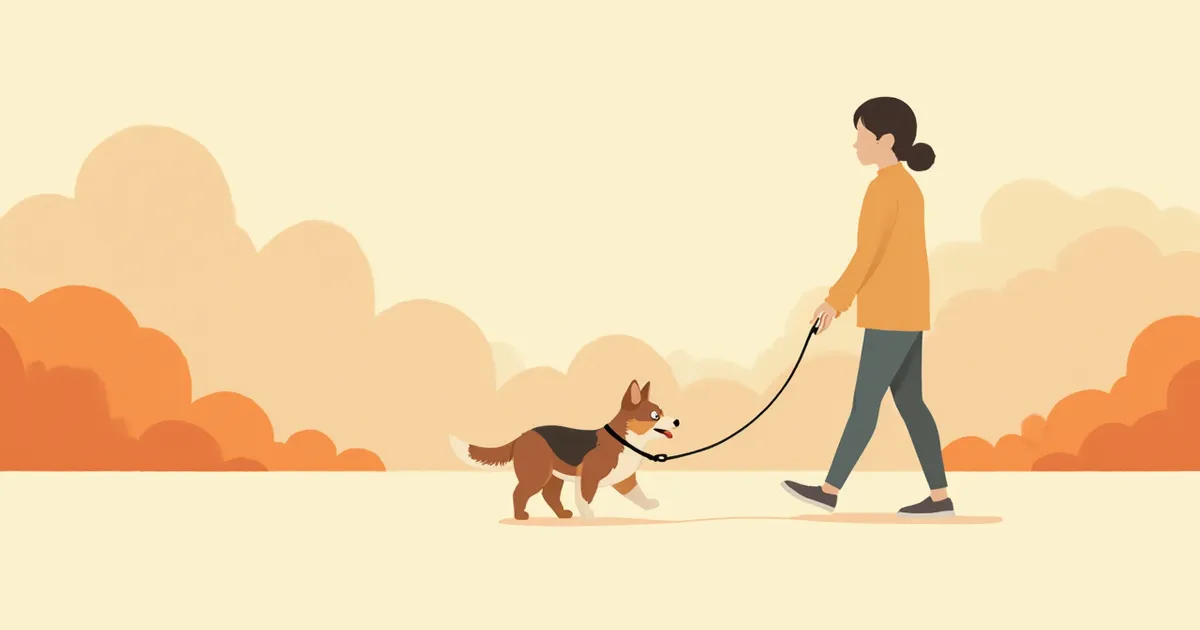
A dog showing stage-by-stage behavioral changes associated with separation anxiety
Canine separation anxiety is a behavioral disorder characterized by anxiety responses when separated from the owner, ranging from mild to severe depending on the intensity of the reaction. The most critical point is that the approach varies significantly based on severity. Mild cases may improve with environmental adjustments and independence training alone, whereas moderate to severe cases require a combination of behavioral modification and medication for recovery. If symptoms such as persistent barking, destructive behavior, or inappropriate elimination recur when you leave, it is advisable to consult a veterinarian or a veterinary behaviorist for an accurate assessment of the severity.

Why Is Stage Classification Important?

Separation anxiety tends to worsen the longer it is left untreated. As anxious experiences repeat, pets may begin to react strongly to even minor triggers. According to veterinary behavior textbooks, chronic separation anxiety—especially in moderate to severe cases—is difficult to resolve with behavior modification alone and often requires maintenance medication such as SSRIs. That’s why accurately identifying your pet’s current stage is the first step toward effective treatment.

Comparison of Separation Anxiety Stages 1–4

ItemStage 1 (Mild)Stage 2 (Moderate)Stage 3 (Severe)Stage 4 (Extreme)
DurationWithin 10 minutes30 minutes to 1 hourPersists 1–3 hoursThroughout the entire absence
Barking/WhiningOccasional whimperingRepetitive barkingContinuous howlingCeaseless wailing
Destructive BehaviorNoneScratching at the doorDamage to furniture and cushionsSevere destruction and escape attempts
House-soiling AccidentsRarelyIntermittentFrequentEvery time
Self-harm RiskNoneNonePaw licking and fur pullingSkin bleeding and tooth damage
Recommended TreatmentEnvironmental adjustmentBehavior modificationBehavior modification + consultationMedication + intensive modification

Stages are clinical guidelines, and an accurate diagnosis requires consultation with a veterinarian

Handling Stages 1–2: Environmental Adjustment and Desensitization
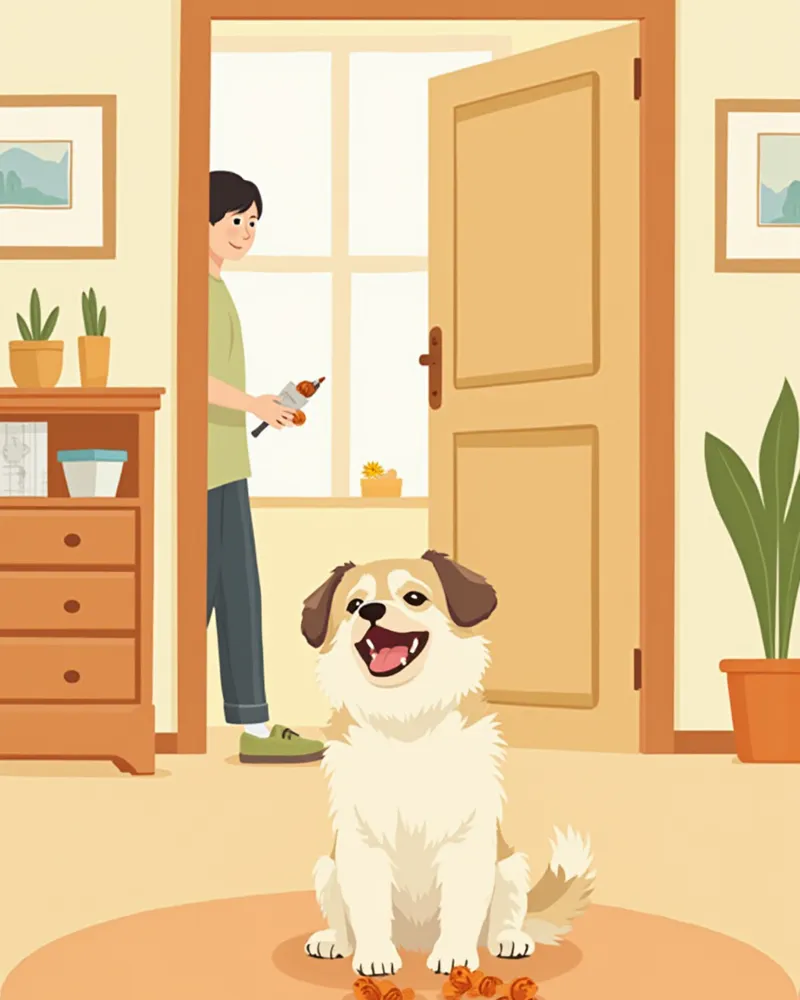
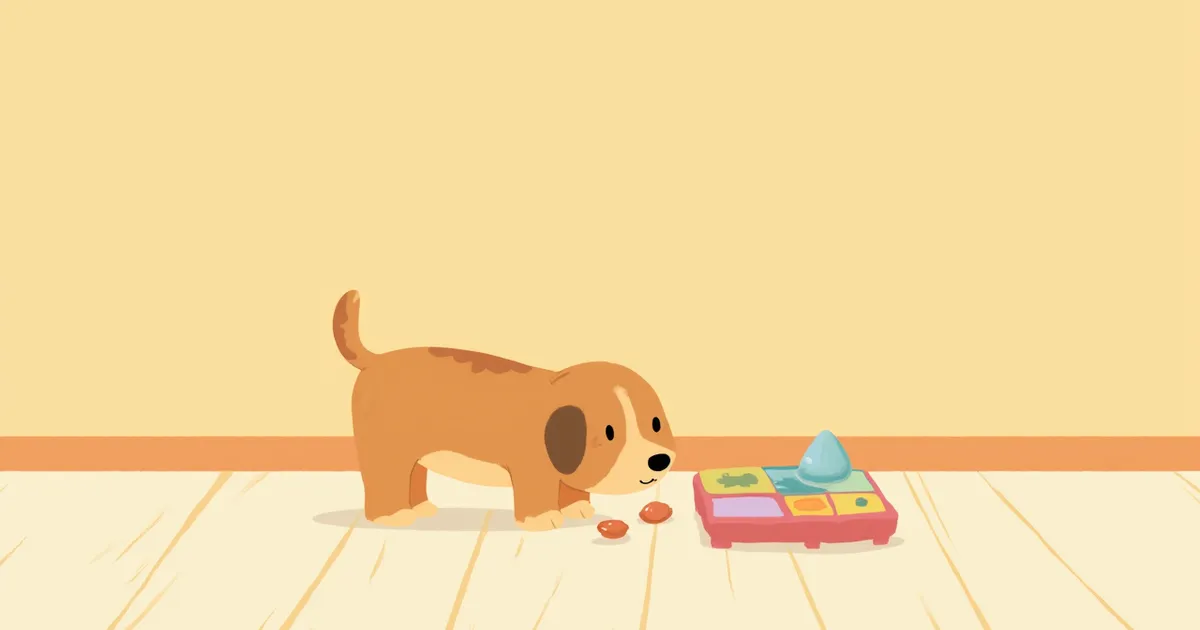
Stages 1 and 2 can be effectively improved at home with a structured approach by the caregiver. The key is Systematic Desensitization. This method involves repeatedly exposing your pet to pre-walk cues (such as the sound of keys or putting on a coat) without actually going out, thereby reducing their anxiety response. - Practice Runs: Put on shoes, wait one minute, then sit down; repeat this sequence. - Short Trips: Gradually increase outing duration from 5 minutes to 10 minutes, then to 30 minutes. - Food Puzzles: Use a Kong toy filled with treats right before leaving to create positive associations.
A dog using a treat puzzle in the entryway

Stages 3–4: A Veterinary Visit Is Essential

If you notice any of the following signs, behavior modification alone is not safe. Seek veterinary advice immediately. - Persistent licking that causes skin abrasions or bleeding - Scratching doors or walls, resulting in broken nails or damaged teeth - Escape attempts, such as trying to jump out of windows or off balconies - Labored breathing and excessive drooling In these cases, attempting to correct the behavior on your own may worsen the condition. Your veterinarian will determine whether anti-anxiety medication is appropriate, based on your pet’s weight and symptoms.

Changing Emotions Through Counterconditioning
Counterconditioning is the most effective technique for stages 2 and 3. It involves associating the negative stimulus of leaving home with positive emotions. Veterinary behavior textbooks recommend combining desensitization with counterconditioning as the core approach for correcting separation anxiety. - Departure practice: Offer special treats only immediately after giving the cue to leave. - Independent space: Practice having your pet stay alone in a spot where they feel comfortable. - Calm reunions: When you return, avoid excited greetings; instead, welcome them calmly and quietly. However, don’t ignore them completely—greet them gently and quietly when all four paws are on the ground, keeping the interaction low-key.
A dog resting comfortably in the living room

When Medication Is Necessary

For stages 3 and 4, behavior modification alone has limited effectiveness. According to veterinary internal medicine textbooks, an imbalance in neurotransmitters, including serotonin, is one of the biological factors contributing to separation anxiety; therefore, regulating these with medication can enhance the effectiveness of behavior modification. The medications most commonly used are SSRIs (such as fluoxetine and paroxetine) and tricyclic antidepressants (such as clomipramine). Since medication requires a certain period to take effect, it is important not to discontinue it without consulting your veterinarian. Your veterinarian will determine the dosage and administration schedule based on your pet's weight and symptoms.

Actions to Absolutely Avoid

Well-intentioned actions can often worsen separation anxiety. In particular, punishment tends to make the situation worse. - ❌ Scolding your dog when you find signs of destruction (after some time has passed, your dog won’t understand why they’re being reprimanded) - ❌ Excessive physical affection and prolonged goodbyes before leaving (this heightens anxiety) - ❌ Overly excited greetings upon returning home (this reinforces the contrast between departure and reunion) - ❌ Suddenly leaving your dog alone for the entire day - ❌ Trying to resolve the issue by adopting another dog (this may actually increase stress)

Reviewed by a veterinarian

Dr. Tony — Punnawat Phongkittirak

Dr. Tony — Punnawat Phongkittirak

Veterinarian

A veterinarian who majored in veterinary medicine at Khon Kaen University, Thailand, and completed the IVSA program at North Carolina State University in the United States. Drawing on clinical experience at animal hospitals, he works in the pet healthcare field and is dedicated to building a digital care environment that connects pet parents with veterinarians.

Frequently Asked Questions

Can pet owners assess the severity of their pet’s separation anxiety on their own?
While you can assess whether your pet is in stage 1 or 2 on your own, a professional evaluation by a veterinarian or a veterinary behaviorist is essential if you notice self-harm or escape attempts. Recording your pet’s behavior for 30 minutes to an hour after you leave via CCTV and sharing the footage during your consultation can help ensure an accurate stage diagnosis.
How long does behavior modification take?
The timeline varies significantly depending on the severity of the symptoms. In mild cases, consistent behavior modification can lead to improvement within a few weeks. For moderate to severe cases, a combination of behavior modification and medication is necessary, requiring long-term management for several months or more. Consistency is key, as stopping treatment midway often leads to relapse.
Will more walks help with separation anxiety?
It can help to some extent. A good walk before you leave helps your pet burn off energy, which can lead to longer rest periods at home and reduce anxiety-related behaviors. However, walking alone isn't a cure-all. It's important to combine it with desensitization and counterconditioning, as recommended in behavioral textbooks.
Can young puppies develop separation anxiety?
Yes, the risk of separation anxiety is particularly high in dogs adopted before eight weeks of age or those with insufficient socialization. Practicing short periods of alone time from an early age—gradually increasing from 10 to 30 minutes—is highly effective for prevention. If symptoms are already present, it is crucial to address them at the earliest stage.
Does medication need to be given for life?
Not at all. In many cases, medication can be tapered once the symptoms of separation anxiety have stabilized. It is recommended to consult with your veterinarian and gradually reduce the dose by approximately 25% every two to four weeks. If symptoms return during the tapering process, revert to the lowest effective dose and reassess the plan. A gradual reduction is far more important than abrupt discontinuation.

Share

Related Guides

References

[1] Landsberg G, Hunthausen W, Ackerman L. Behavior Problems of the Dog and Cat, 3rd ed. Saunders Elsevier, 2013

[2] Horwitz DF, Mills DS. BSAVA Manual of Canine and Feline Behavioural Medicine, 2nd ed. BSAVA, 2009

[3] Overall KL. Manual of Clinical Behavioral Medicine for Dogs and Cats. Elsevier Mosby, 2013

[4] Shaw JK, Martin D. Introduction to Animal Behavior and Veterinary Behavioral Medicine. Wiley-Blackwell, 2023

This information is based on veterinary literature and does not replace diagnosis or treatment. Please consult a veterinarian for specific health concerns.

Metapet Co., Ltd. | CEO: Park Sung-yong | Business Reg. No. 417-88-02562 | Seoul, South Korea | Customer Center

Dog Separation Anxiety: Stages 1–4 Symptoms & Solutions | Meongsiljang