Like
Share
멍실장
고양이 발톱 깎기 적응

Getting Your Cat Used to Nail Trimming

Skin & CoatQ&AMeongsiljang Veterinary Advisory Board

Getting your cat used to nail trimming starts with gentle paw handling and gradually introducing tools through step-by-step training. The key is using treat rewards and keeping sessions short.

What Is Getting Your Cat Used to Nail Trimming?
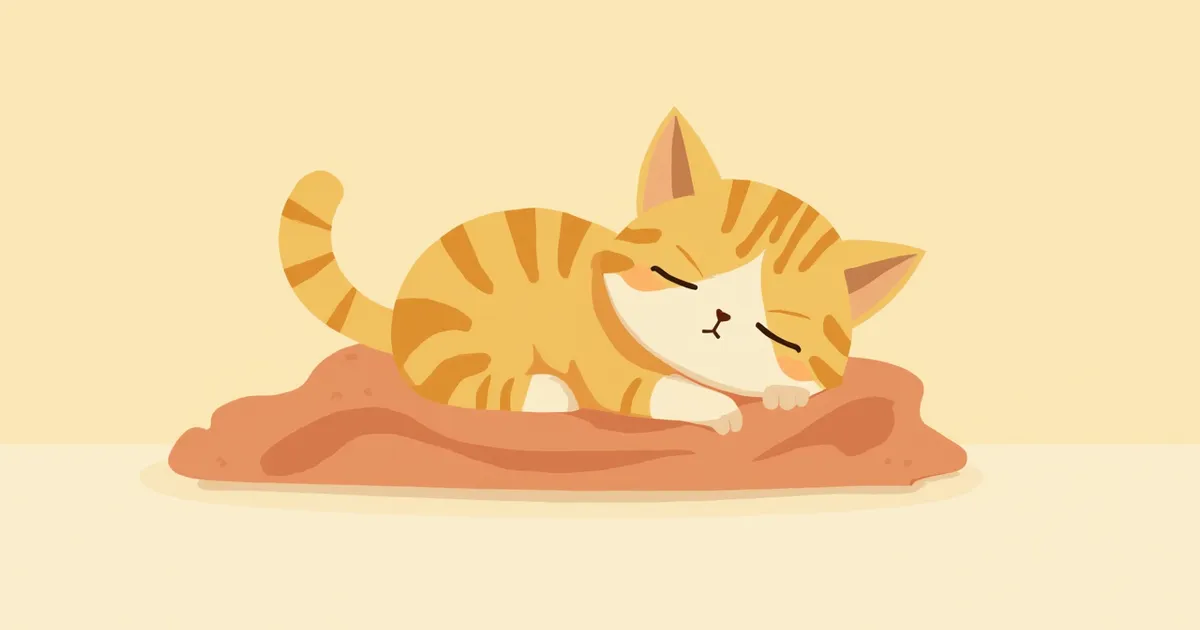
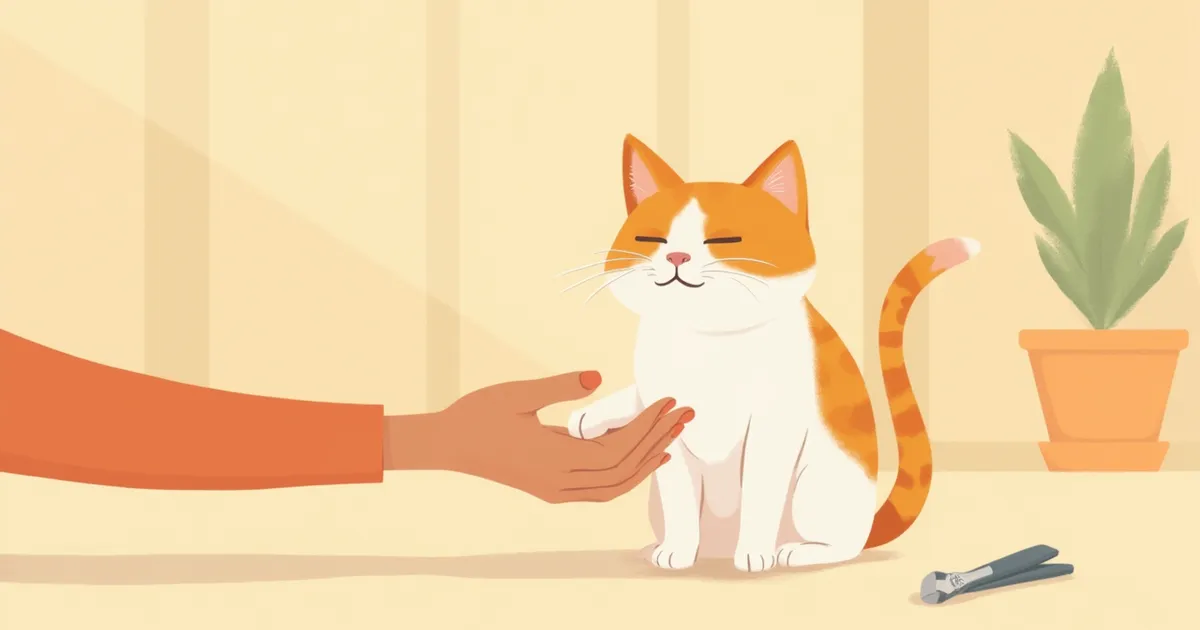
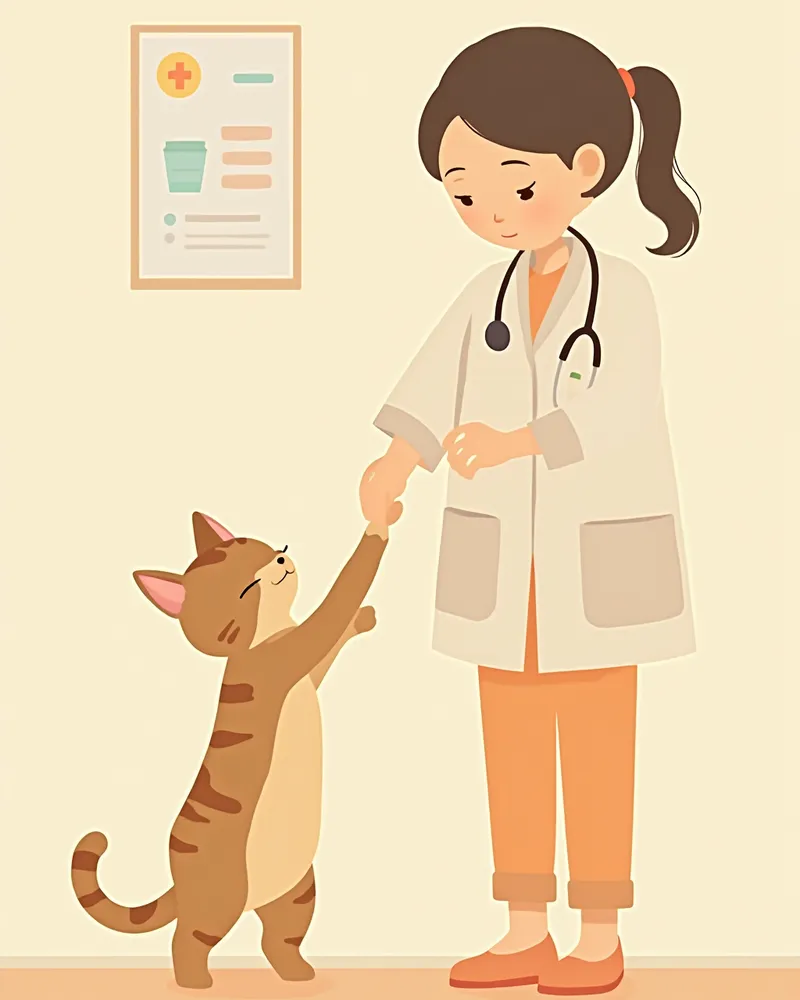
A cat comfortably resting its paw in its owner's hand
Helping your cat get used to nail trimming is a step-by-step behavioral training process that starts with gently touching their paws and gradually familiarizing them with the tools and sounds of nail clippers. The key is to keep sessions short, frequent, and paired with rewards. Don’t try to trim all four paws at once; trimming just one paw a day is plenty. By linking the experience with treats or their favorite playtime, most cats can learn to accept regular nail care comfortably at home.

Why Do Cats Hate Nail Trimming?

Cats are prone to feeling anxious or threatened simply by having their paws handled. The clicking sound of clippers as the nails extend, being forcibly held down by their caregiver, and past painful experiences of cutting into the quick can all leave lasting fear. Cats in pain or distress may avoid touch, unlike their usual behavior, and display fear signals such as dilated pupils or flattened ears. Veterinary textbooks advise that if a cat fears nail trimming, it should not be forced; instead, desensitization and counterconditioning are necessary, starting with low-intensity exposure that allows the cat to remain calm and gradually building familiarity. In other words, a cat’s aversion to having its paws handled can be successfully changed through gradual adaptation and consistent positive reinforcement.

5-Step Adaptation Training at a Glance

It’s best to proceed gradually over several days to weeks, following each step carefully. Sticking to the sequence in the table below will significantly reduce the chances of failure.

5 Steps to Nail Adaptation

ItemStage 1Stage 2Stage 3Stage 4Stage 5
GoalAllow paw touchingExtend the clawsTool exposureTrim just oneFull maintenance
Duration3–7 days3–5 days3–5 days1–2 weeksMaintenance stage
Time per Session10 sec10–20 sec20–30 secUnder 1 min2–3 min
RewardTreatTreatTreat + praisePremium treatEveryday reward

Adjust the duration flexibly based on the cat's reactions

Steps 1–2: Practicing Paw Touching and Extending the Claws
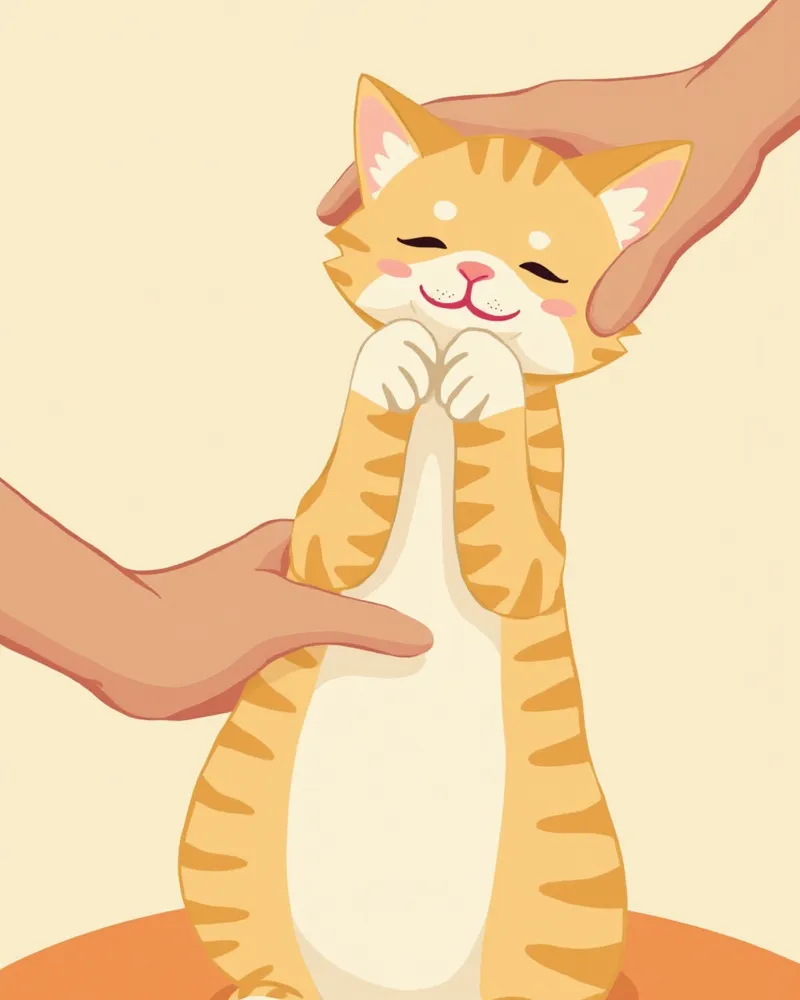
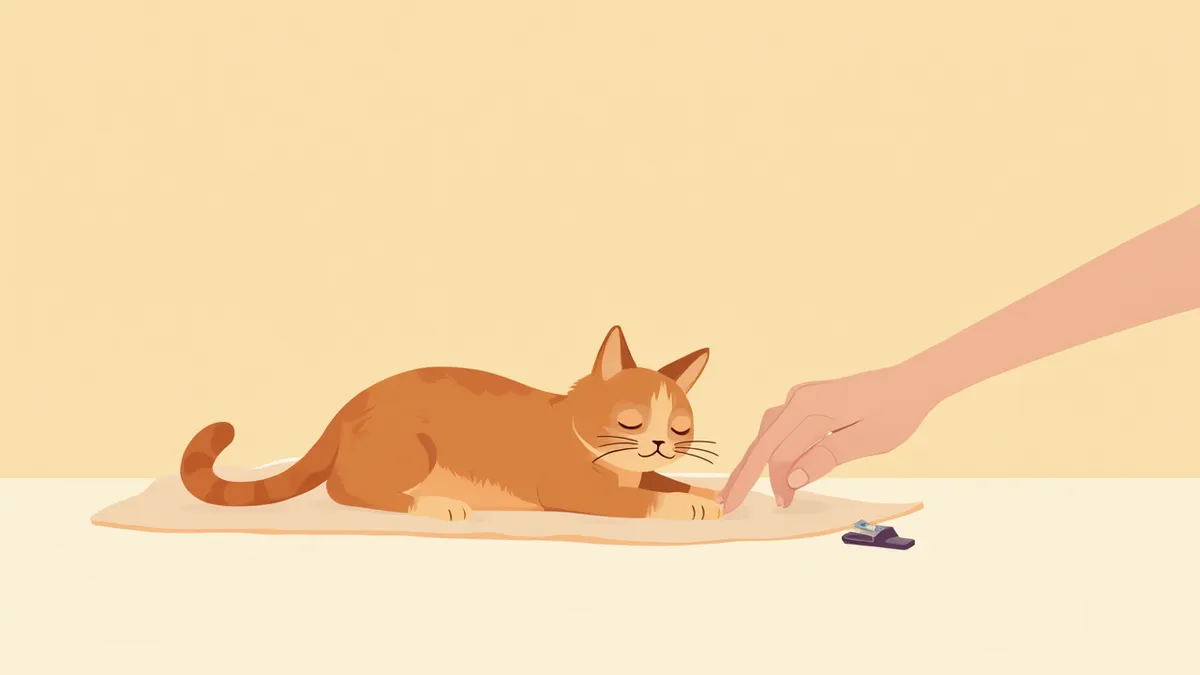
During the first week, focus solely on “paw touching” without using any tools. When your cat is lying down comfortably, gently hold one paw for just 2–3 seconds, then immediately offer a treat. Once your cat shows no resistance, practice lightly pressing the paw pad with your thumb and index finger to encourage the claws to extend naturally. Forcing your cat at this stage can undermine the entire training process from the start. Aim for one to two short sessions per day, ideally during calm periods such as just before mealtime, to increase your chances of success.
Pressing the toe pad to extend the claw

Stop Immediately If You See These Reactions

Ears pinned back, a tail thumping on the floor, or pupils dilating are strong signs of stress indicating that your pet has reached their limit. If you push just one more time, they may develop avoidance learning, causing them to flee at the mere sight of grooming tools in the future. If your pet bites or scratches, stop immediately and skip training for the day. If resistance persists for more than three days, consult a veterinarian or a behavior specialist.

Steps 3–4: Adapting to Tools and Trimming Just One Nail
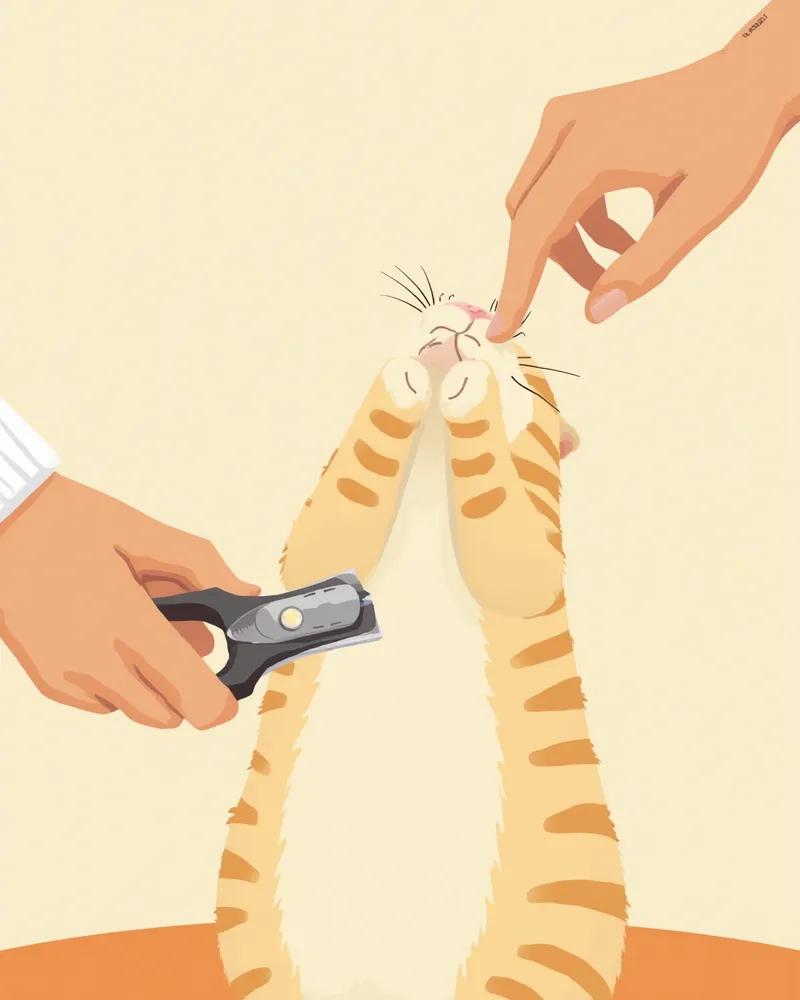
Once your cat is comfortable with having their paws touched, start by simply leaving the trimming tools nearby. Let them sniff the tools and pair this experience with treats to create a positive association. Next, gently touch the claws with the tool, then proceed to lightly trim just the tip of one claw. Never attempt to trim all four paws at once. Trimming one claw per day over the course of a week is sufficient. For transparent claws, avoid cutting above the pink vascular tissue (quick) visible inside; for opaque claws, only trim small amounts from the very tip.
Gently trimming just the tips of the claws

Creating an Environment for Success

Adaptation training is half about the environment. Check the following points.
Quiet space: Conduct the session in a room free from TV or vacuum cleaner noise.
Comfortable posture: The best spot is where your cat usually rests, such as on your lap or the sofa.
Reward timing: Give a treat immediately after trimming the claws to reinforce the association.
Special treat: Prepare a special treat (such as Churu) that is only given during training.
Tool placement: Keep the trimming tool visible in everyday settings to transform it from a source of fear into a familiar object.

What to Do If You Cut the Quick

If your cat’s nail starts bleeding during trimming, stay calm and apply pressure to stop the bleeding. Press firmly with a clean gauze pad or tissue for 1–2 minutes. If you have styptic powder on hand, gently dab a small amount on the tip of the nail. Seek veterinary care if the bleeding doesn’t stop after 5 minutes, or if your cat limps the following day. A painful experience can significantly set back desensitization training, so for the next 2–3 weeks, rebuild trust by repeatedly handling your cat’s paws without tools and offering treat rewards.

When to Have Nails Trimmed at the Vet
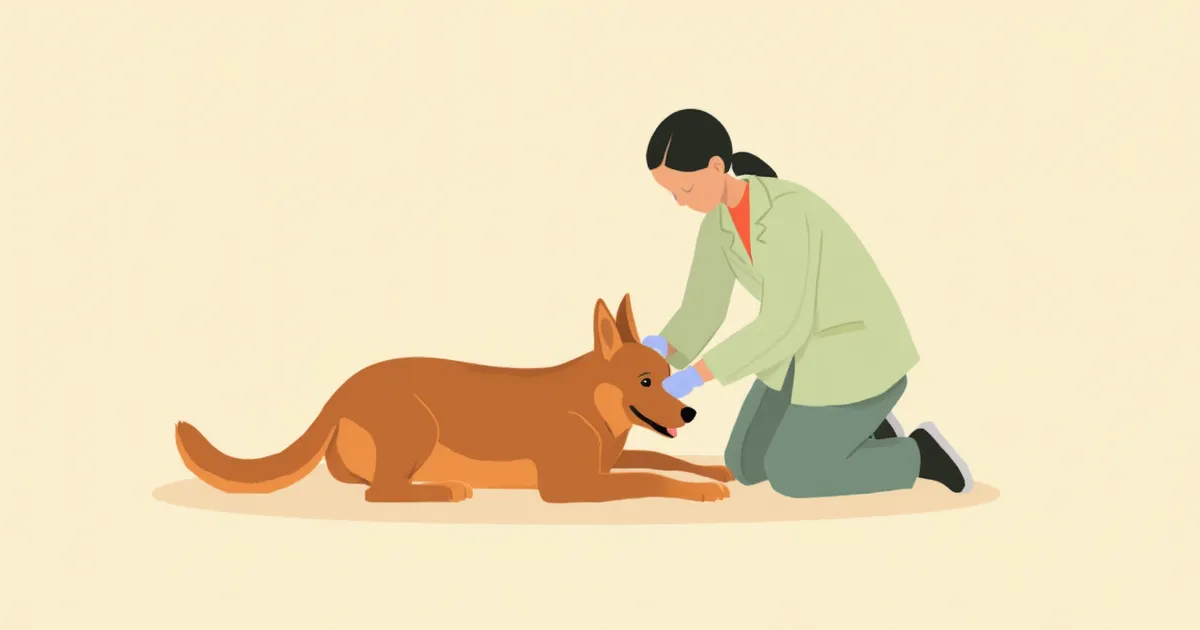
Not all cats are comfortable with having their nails trimmed at home. Even after more than three months of training, if your cat resists intensely, is a senior with joint pain, or has ingrown nails that are digging into the skin, it’s safer to have the procedure done at a veterinary clinic. A veterinarian or trained technician can quickly trim the nails with minimal restraint and, if necessary, use sedation. This is a much better option than risking injury to both you and your cat through forced at-home attempts.
A cat getting its nails trimmed at the clinic

Reviewed by a veterinarian

Dr. Tony — Punnawat Phongkittirak

Dr. Tony — Punnawat Phongkittirak

Veterinarian

A veterinarian who majored in veterinary medicine at Khon Kaen University, Thailand, and completed the IVSA program at North Carolina State University in the United States. Drawing on clinical experience at animal hospitals, he works in the pet healthcare field and is dedicated to building a digital care environment that connects pet parents with veterinarians.

Frequently Asked Questions

How often should I trim my cat’s claws?
For indoor cats, it’s generally recommended to check their nails once a month and trim them if needed. Cats that use scratching posts regularly may require less frequent trims. For senior cats, monthly nail checks are especially important to prevent pain from overgrown nails.
When do kittens start getting used to having their claws trimmed?
It’s effective to start paw-touching play from kittenhood. Veterinary textbooks explain that if kittens learn to associate nail trimming with rewards like treats and praise early on, through kitten classes or similar programs, most owners will be able to manage nail care at home. Building positive experiences during this period makes lifelong nail care much easier.
Do I really need to trim my pet’s back claws too?
Rear claws grow more slowly than front claws, but since they don’t get worn down on scratching posts, they can curl inward. Check them about once a month and trim just the tips.
Is it okay to wrap the pet in a towel while trimming?
While it may work in the short term, repeatedly using the towel method can cause your pet to associate towels with fear. The goal of desensitization training is to build a trusting relationship where your pet willingly offers their paw without needing a towel.
Is it okay to manage my pet's nails using only a scratching post if they dislike having their nails trimmed?
Scratchers only trim the outer claws on your pet’s front paws. Since the inner dewclaws and rear claws don’t wear down naturally, they need to be checked at least once a month.

Share

Related Guides

References

[1] Little SE, The Cat: Clinical Medicine and Management, 2nd Edition, Chapter 8 Preventive Health Care for Cats, 2024

[2] Sirois M, Assessing Essential Skills of Veterinary Technology Students, 4th Edition, 2023

[3] Yeon SC, Flanders JA, Scarlett JM, et al., Attitudes of owners regarding tendonectomy and onychectomy in cats, J Am Vet Med Assoc, 2001;218:43

This information is based on veterinary literature and does not replace diagnosis or treatment. Please consult a veterinarian for specific health concerns.

Metapet Co., Ltd. | CEO: Park Sung-yong | Business Reg. No. 417-88-02562 | Seoul, South Korea | Customer Center

Getting Your Cat Used to Nail Trimming: A 5-Step Guide | Meongsiljang