Like
Share
멍실장
강아지 요실금·요도 괄약근 기능부전 자주 묻는 질문 Q&A — 보호자가 꼭 알아야 할 핵심

Dog Urinary Incontinence & Urethral Sphincter Mechanism Incompetence FAQ — Key Information for Pet Owners

UrinaryQ&AMeongsiljang Veterinary Advisory Board

Urinary incontinence in dogs is a common issue caused by weakened urethral sphincter function. Here’s a summary of key information and management strategies that pet owners should know.

Canine Urinary Incontinence Is a Physiological Issue Caused by Weakened Urethral Sphincter Function
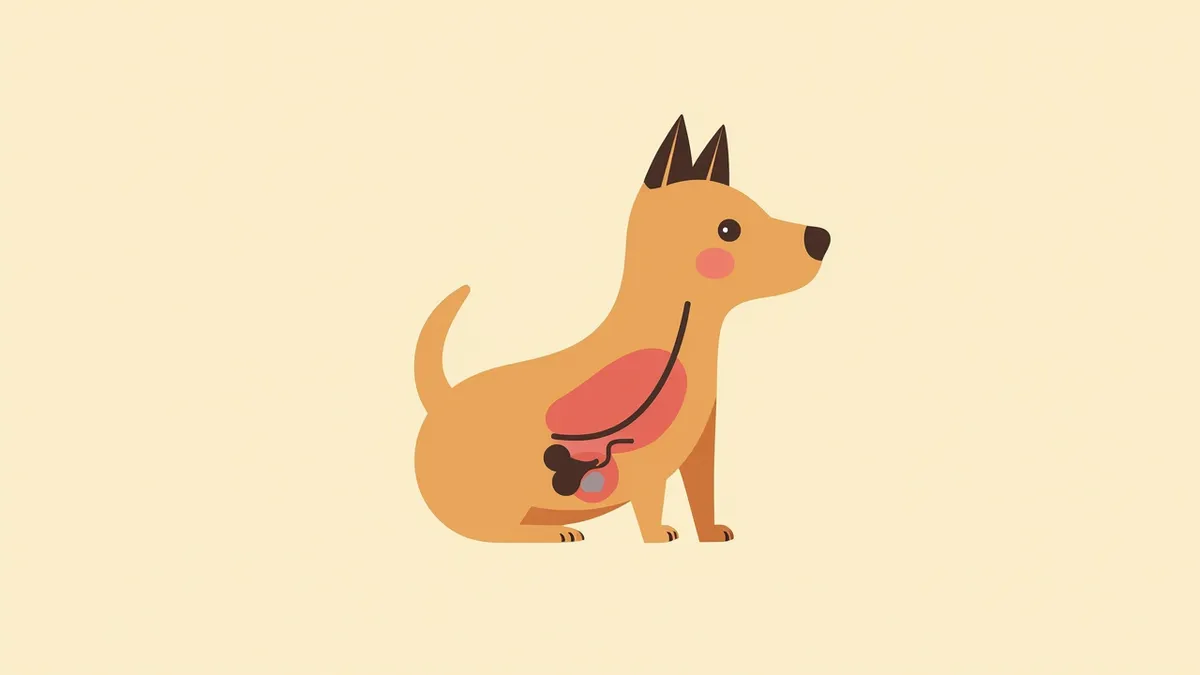
Anatomical diagram of a dog’s urethral sphincter and urinary control structures
Canine urinary incontinence is a condition in which the urethral sphincter muscle becomes weak, preventing the dog from properly retaining urine. It is particularly common in spayed female dogs in middle age and older, and may be related to hormonal changes or aging. This is not a change that can be safely ignored; it is a medical condition requiring diagnosis and management, so it is important to seek veterinary evaluation rather than leaving it untreated. Accurate diagnosis and a tailored treatment plan from your veterinarian are essential. The long-term success rate of medical therapy is reported to be approximately 50%, and lifelong management is often necessary, but with appropriate treatment, symptoms frequently improve or can be stably managed. Therefore, consulting with a veterinarian early on is key.

The Main Cause of Urinary Incontinence Is Urethral Sphincter Mechanism Incompetence
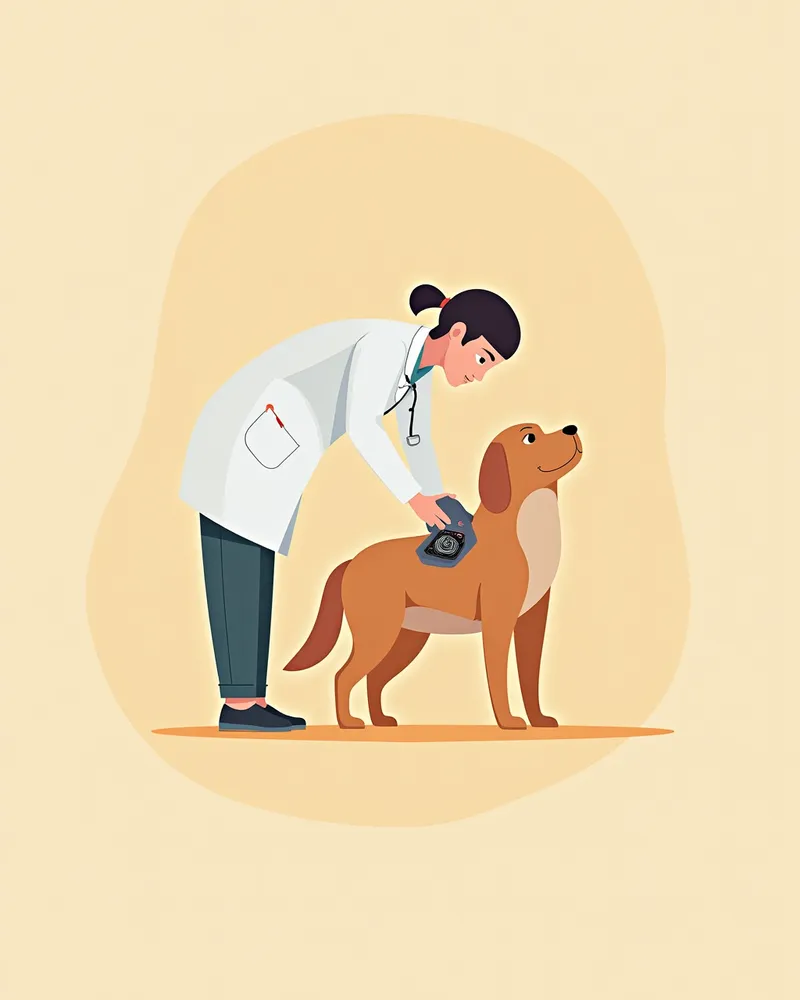
The most common cause of urinary incontinence in dogs is urethral sphincter mechanism incompetence (USMI). This condition can result from hormonal imbalances, aging, nerve damage, or post-surgical complications. Risk levels vary by breed, and it is more frequently seen in female dogs. - Urethral sphincter dysfunction: This occurs when the bladder’s contraction and the urethra’s closing function become uncoordinated, preventing proper urine retention. - Hormonal deficiency: A lack of estrogen reduces the elasticity of the sphincter muscle, leading to incontinence. - Nerve damage: Abnormalities in the nerves controlling the urethra can cause functional impairment. Veterinarians perform diagnostic tests to identify the exact underlying cause.
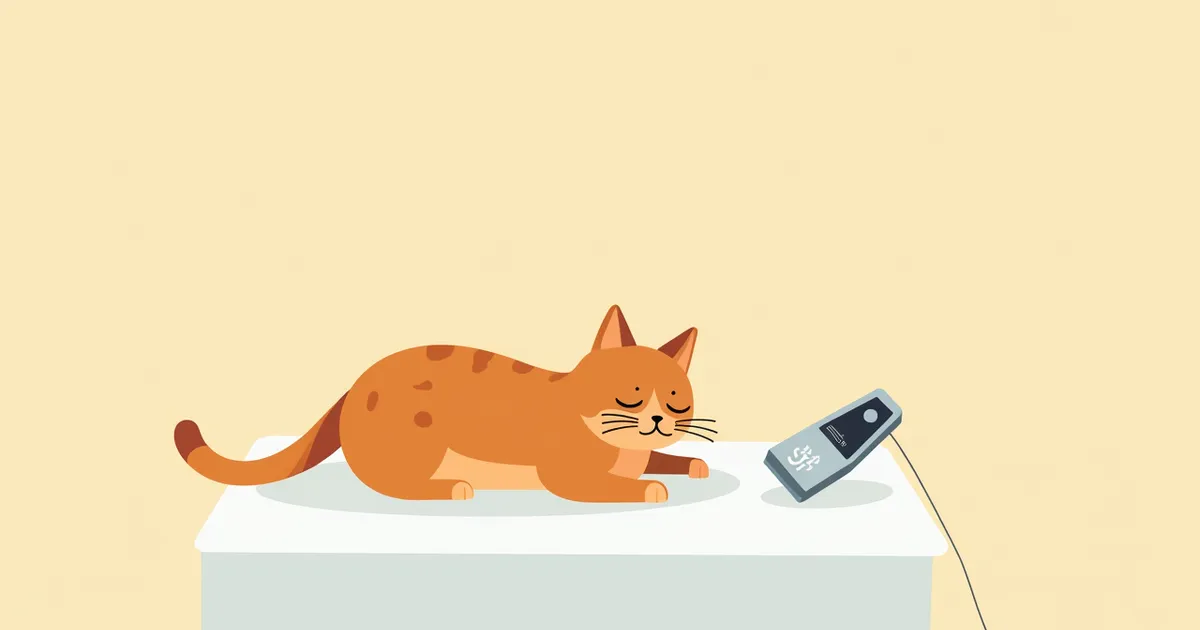
A veterinarian diagnosing a dog’s urethral sphincter function.

Check for Key Signs That May Indicate Urinary Incontinence
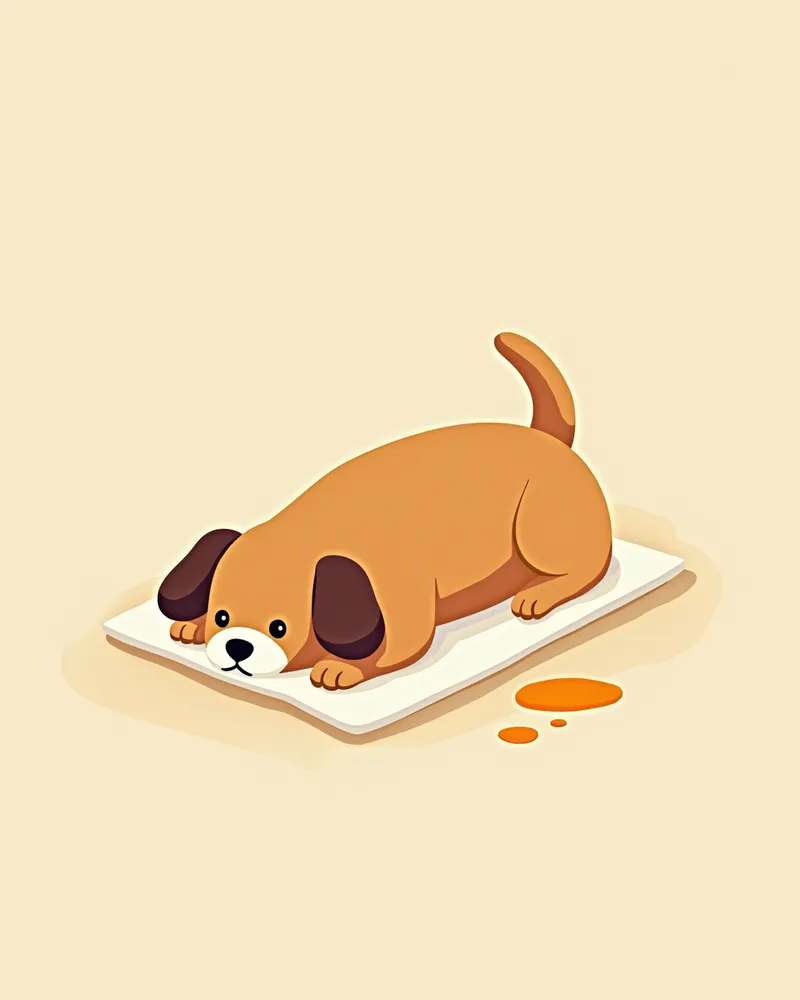
If your dog is urinating frequently, or if you notice urine on the bed or pillows—especially if accidents seem to happen more often when they’re resting—urinary incontinence may be the cause. This condition typically involves involuntary leakage during sleep or rest, when the bladder can’t properly hold urine. Other possible signs include pain during urination and an increased frequency of trips to the bathroom. If these symptoms persist, it’s important to consult your veterinarian.
Urine leakage: Frequent wet spots on the bed or floor.
Increased urination frequency: Your dog may go more often, but pass only small amounts each time.
Pain during urination: Straining, whining, or showing discomfort while trying to urinate.
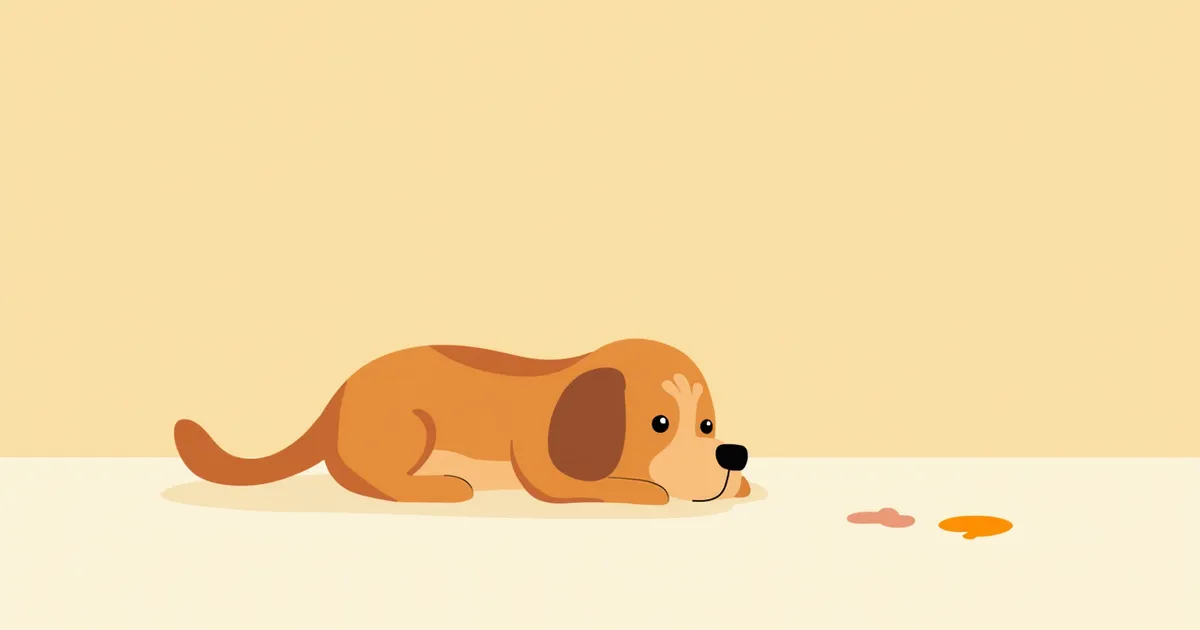
A puppy experiencing urinary incontinence on the bed

When to Seek Immediate Veterinary Care

If your dog suddenly loses control of its bladder, shows pain while urinating, or produces red or cloudy urine, seek veterinary care immediately. These symptoms may indicate serious conditions such as a urinary tract infection, bladder stones, or kidney disease. Prompt diagnosis and treatment are essential.

Comparison of Symptoms and Management Strategies by Severity of Urinary Incontinence

ItemMildModerateSevere
Urine leakage frequencyOccasionally, mainly during sleep/restRelatively frequent during day and nightContinuous leakage
Pain during urinationNoneOccasional straining behaviorExpresses pain every time
Whether treatment is neededObservation neededStart drug treatmentConsider medication/surgery
When to consult a veterinarianConsult if symptoms recur/persistConsult if it persists more than 1–2 weeksVisit immediately

If symptoms worsen or recur, consultation with a veterinarian is essential.

Diagnostic Tests Required for Accurate Diagnosis
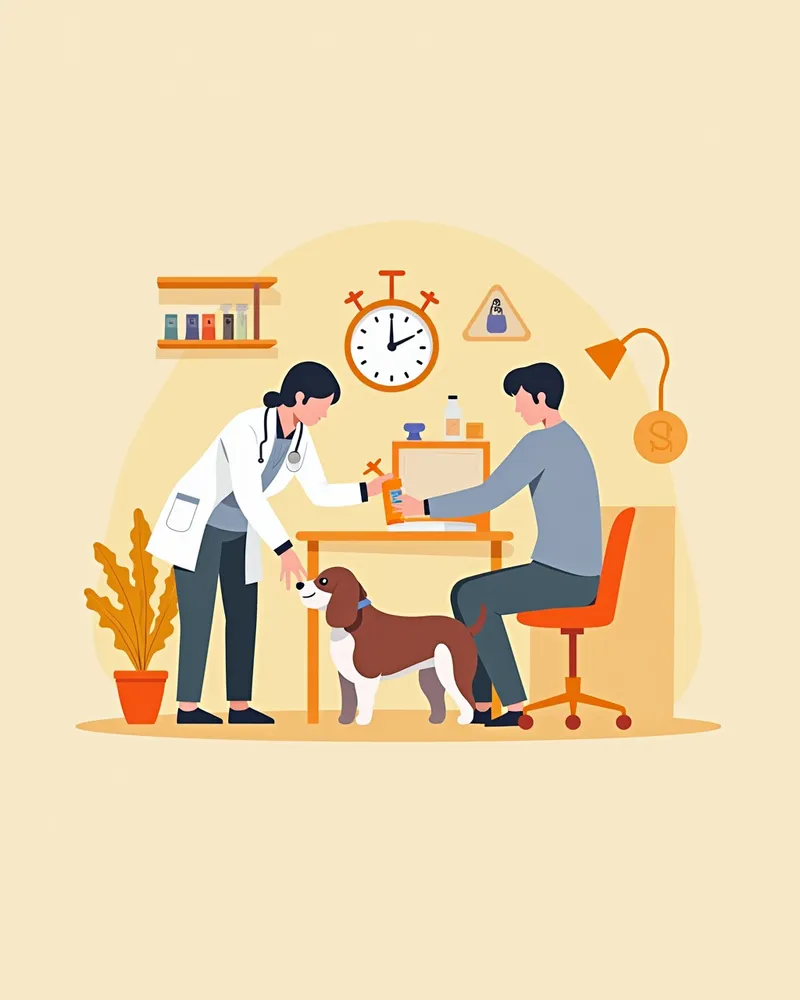
To accurately identify the cause of urinary incontinence, several diagnostic tests are required. - Urinalysis: Checks for infections, hematuria (blood in the urine), proteinuria (protein in the urine), and other abnormalities. - Ultrasound examination: Evaluates bladder size, wall thickness, residual urine volume, and structural integrity. - Urethroscopy: Allows direct visualization of the urethral interior to detect abnormalities or obstructions. - Neurological assessment: Determines whether nerve function is impaired and identifies the location of any lesions. - Cystometrography: Quantitatively assesses bladder contractility and urethral sphincter function. Through these comprehensive evaluations, the veterinarian can pinpoint the underlying cause and develop a tailored treatment plan.
A veterinarian examining a puppy's urine sample

Treatment Methods Vary Depending on the Underlying Cause
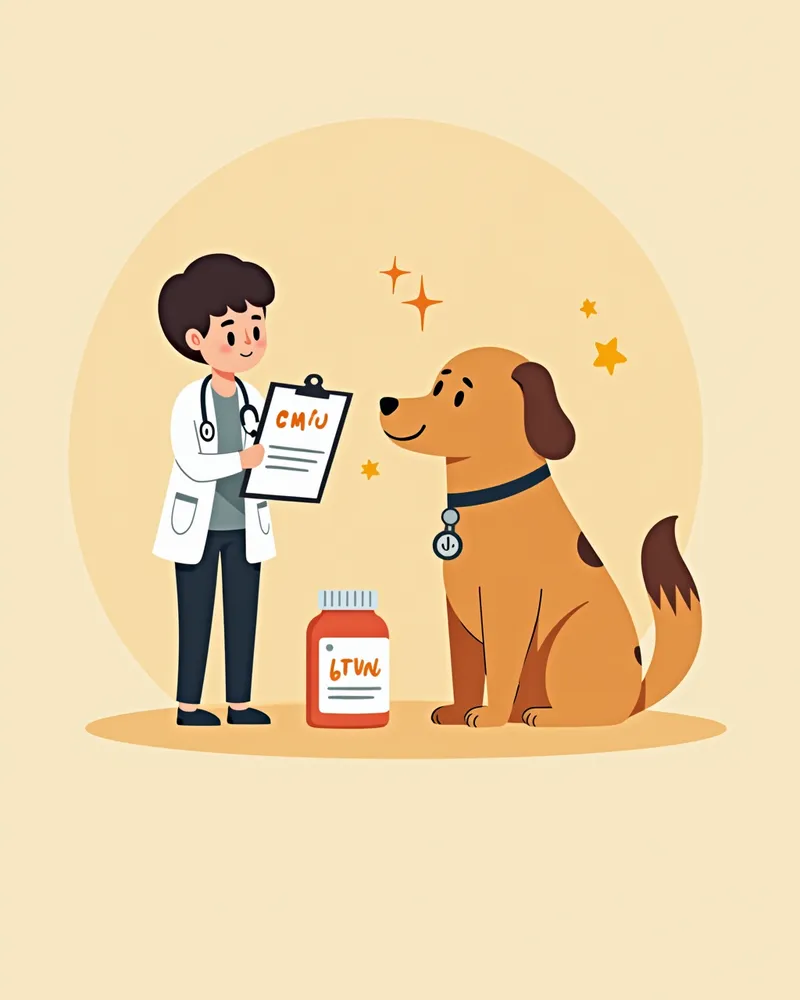
Treatment for urinary incontinence varies depending on the underlying cause. - When caused by hormonal deficiency: Estrogen-based medications (such as estriol) are used to increase the responsiveness of the urethral sphincter, thereby improving symptoms. - Medications to increase urethral tone: Sympathomimetic agents (α-adrenergic drugs) like phenylpropanolamine are used to increase urethral tone and help control urinary incontinence. - Medication-centered treatment: In many cases, symptoms improve with medication, but long-term success rates are reported to be around 50%, and lifelong treatment is often necessary. Weight loss is also recommended for overweight pets. Your veterinarian will adjust the medication and dosage according to your pet’s condition. - Surgical treatment: If medication alone is not sufficiently effective, surgical options such as the insertion of a hydraulic urethral occluder may be considered. During treatment, it is important to maintain regular follow-up examinations and keep records of medication administration.
A veterinarian prescribing medication for a puppy's urinary incontinence.

Home Management Strategies

To manage your dog’s urinary incontinence, it is essential to establish a regular bathroom schedule, clean up any urine leaks immediately, engage in bladder training, and change pee pads frequently. Additionally, administer any medications prescribed by your veterinarian exactly as directed, and report any side effects right away. Creating a low-stress environment can also be very helpful.
Regular bathroom schedule: Guide your dog to urinate at set times, three to four times a day.
Immediate cleaning: Wipe up any urine-soiled areas right away.
Pee pad replacement: Change pads frequently to keep the area dry.
Stress reduction: Maintain a quiet environment and stick to a consistent routine.
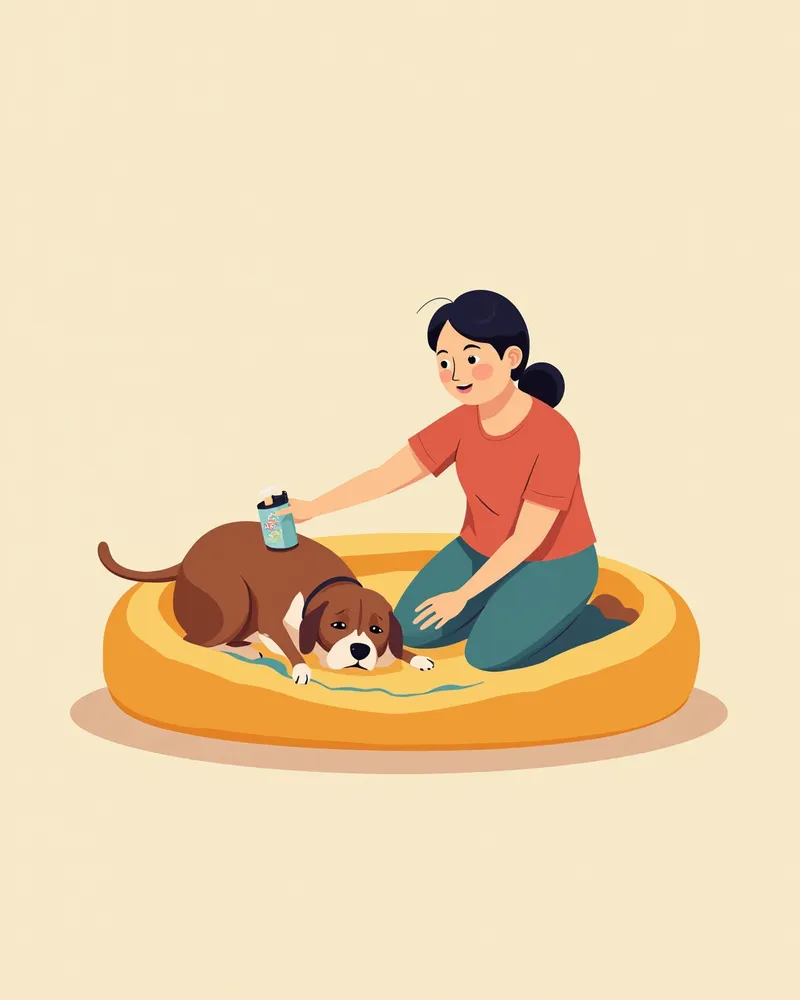
A pet owner cleaning the bed due to their dog’s urinary incontinence

Certain Breeds Are at Higher Risk for Urinary Incontinence

Certain breeds may be at a higher risk of urethral sphincter mechanism incompetence (urinary incontinence). This condition is particularly common in spayed female dogs aged middle age and older, making preventive care essential. Additionally, some studies have reported an increased risk of incontinence in specific breeds, such as German Shepherds, or in dogs spayed at a young age. Since the exact risk varies by breed and individual, we recommend consulting with your veterinarian and scheduling regular check-ups.

Reviewed by a veterinarian

Dr. Tony — Punnawat Phongkittirak

Dr. Tony — Punnawat Phongkittirak

Veterinarian

A veterinarian who majored in veterinary medicine at Khon Kaen University, Thailand, and completed the IVSA program at North Carolina State University in the United States. Drawing on clinical experience at animal hospitals, he works in the pet healthcare field and is dedicated to building a digital care environment that connects pet parents with veterinarians.

Frequently Asked Questions

Can dog urinary incontinence be treated?
Yes, in many cases, symptoms can be improved or managed stably with medication or hormone supplementation. However, the long-term success rate of medication is reported to be around 50%, and lifelong management is often necessary, so ongoing care from a veterinarian is essential.
Is urinary incontinence related to aging?
Yes, as dogs age, the urethral sphincter can weaken, leading to urinary incontinence. This is especially common in female dogs in middle age and older.
Should I take my pet to the vet immediately if they develop incontinence?
If your pet’s urine appears red or cloudy, or if they show signs of pain while urinating, seek veterinary care immediately. Even without these symptoms, consult your veterinarian if the issue persists for more than one to two weeks.
Are there any side effects to incontinence medication?
While the medication is generally considered safe, it can still cause side effects or require certain precautions, like any drug. If you notice any unusual symptoms, please inform your veterinarian.
Can urinary incontinence be prevented?
Regular check-ups and close collaboration with your veterinarian are essential. Stress management, appropriate exercise, and a balanced diet can also help maintain your pet’s health. Factors such as the timing of neutering can influence risk levels, so preventive care in middle age is recommended for certain breeds. However, it is not yet confirmed whether these measures can directly prevent the condition.

Share

Related Guides

References

[1] Clinical Medicine of the Dog and Cat, 4th Ed. (2023). Chapter 16: Urinary Incontinence in Dogs. Elsevier.

[2] Plumb's Veterinary Drug Handbook, 9th Ed. (2022). Sphincter Mechanism Incompetence and Treatment Options. Wiley-Blackwell.

[3] American College of Veterinary Internal Medicine (ACVIM). (2021). Consensus Statement on Canine Urinary Incontinence. Journal of Veterinary Internal Medicine, 35(4), 1456–1468.

This information is based on veterinary literature and does not replace diagnosis or treatment. Please consult a veterinarian for specific health concerns.

Metapet Co., Ltd. | CEO: Park Sung-yong | Business Reg. No. 417-88-02562 | Seoul, South Korea | Customer Center

Dog Incontinence & Urethral Sphincter Incompetence: FAQ | Meongsiljang