
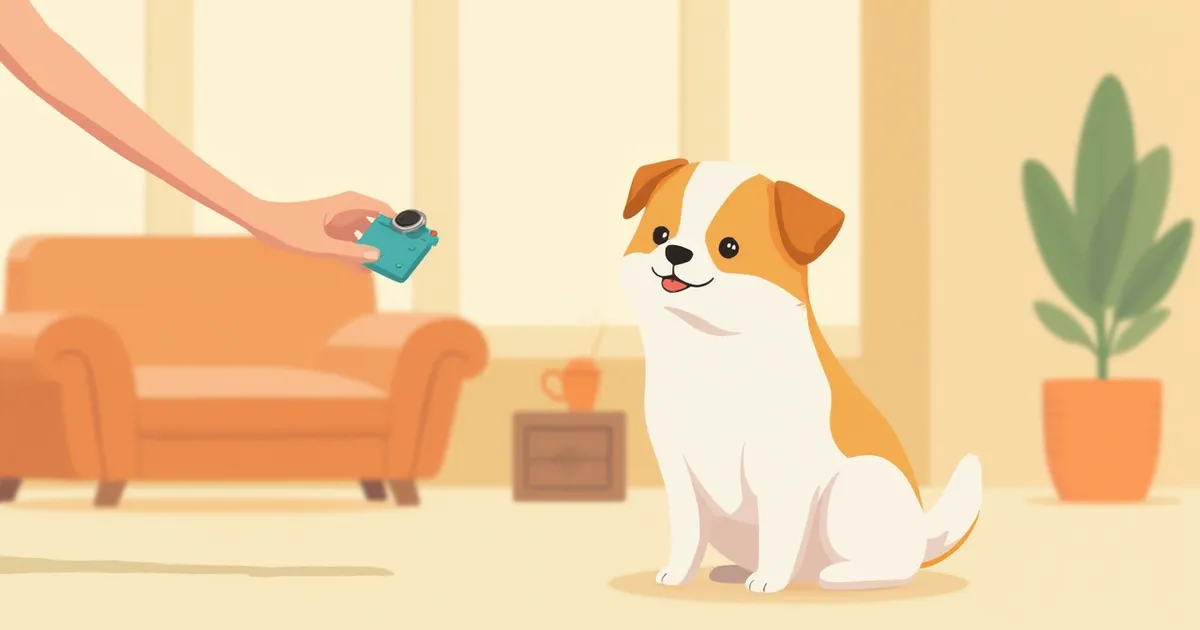
How to Start Dog Clicker Training: 5 Steps from Charging to Behavior Formation
Dog clicker training follows five steps: charging (associating the sound), capturing the behavior, adding a cue, fading the reward, and real-world application. Here’s a quick rundown of the key points and common mistakes for each stage.
What Are the Clicker Steps? Understanding the Core Flow in 5 Steps
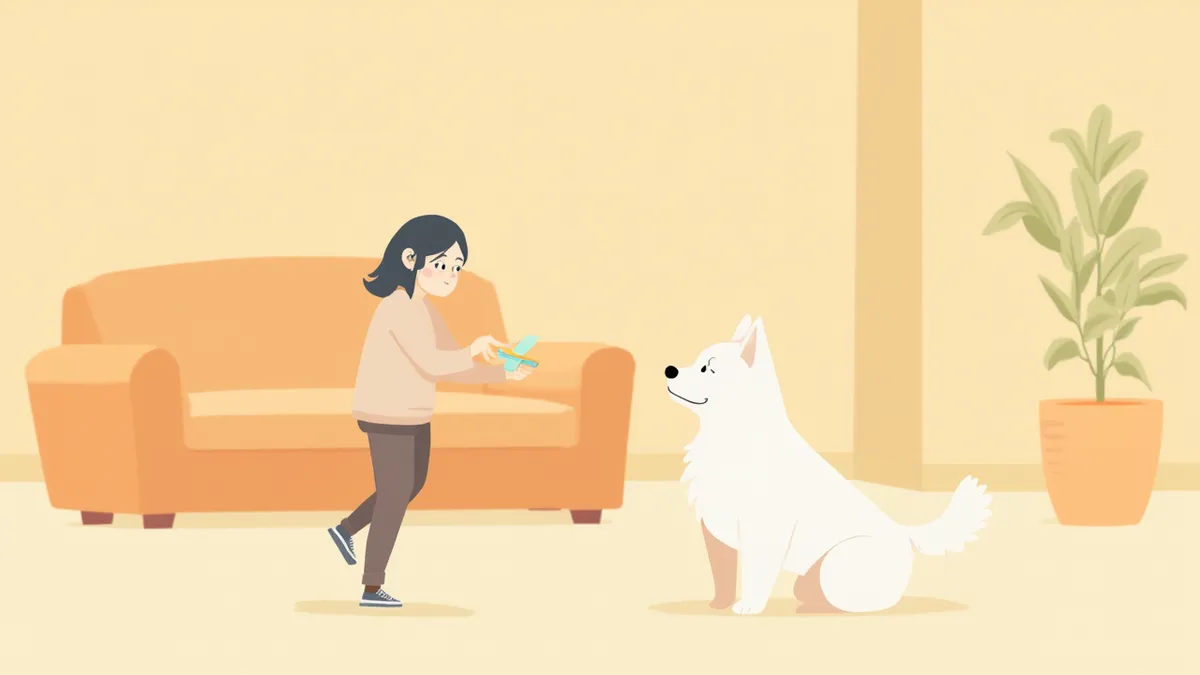
Why Is It Important to Follow the Steps?
Dog Clicker Training 5 Steps at a Glance
| Item | Stage 1: Charging | Stage 2: Capturing | Stage 3: Cue Word | Stage 4: Reducing Rewards | Stage 5: Real-World Practice |
|---|---|---|---|---|---|
| Goal | Imprint click = treat | Capture the desired behavior | Link a command to the behavior | Reduce dependence on treats | Apply to walks and outdoor settings |
| Duration | 2–3 days | 3–7 days | 5–7 days | 7–14 days | Ongoing reinforcement |
| Tools Needed | Clicker, treats | Clicker, treats | Clicker, treats, cue word | Clicker, intermittent rewards | Clicker, praise |
| Success Signal | Perks ears at the sound | Attempts the behavior on its own | Responds to the cue word | Performs even without treats | Performs even in distracting environments |
Durations are averages and vary by the dog's temperament and focus
Steps 1–2 in Detail: Charging and Capturing Behavior

Mistakes to Avoid
If you click the clicker too close to your dog’s face, the loud noise may startle them and cause them to resist training altogether. Instead, click it behind their back or from inside your pocket. Also, avoid clicking the clicker casually when there’s no treat to follow. If the pairing between the click and the reward isn’t consistently maintained, the clicker will lose its reliability as a signal that a reward is coming. Consistency in giving a reward every time after clicking is especially crucial during the charging phase, as it forms the foundation of the conditioned response. Lastly, keep each training session short. When your dog’s focus wanes, learning becomes less effective, and unwanted behaviors may inadvertently be reinforced.
Steps 3–4: Adding a Cue and Fading the Reward
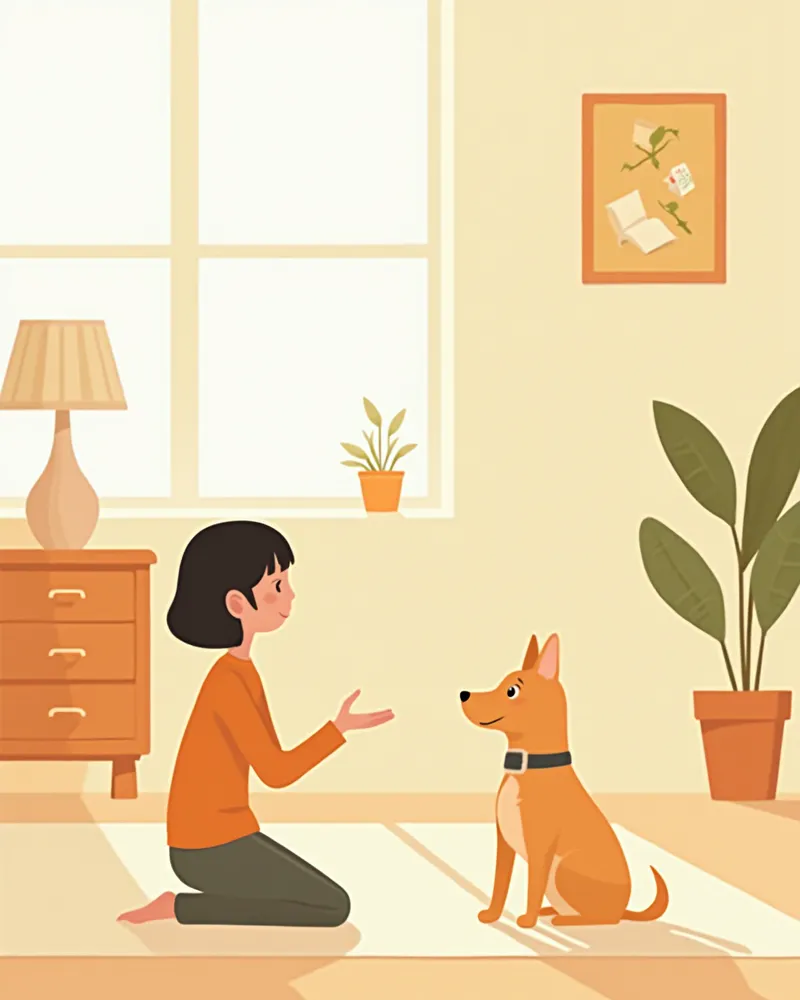
Step 5 Real-World Application: Applying in Walks and External Environments
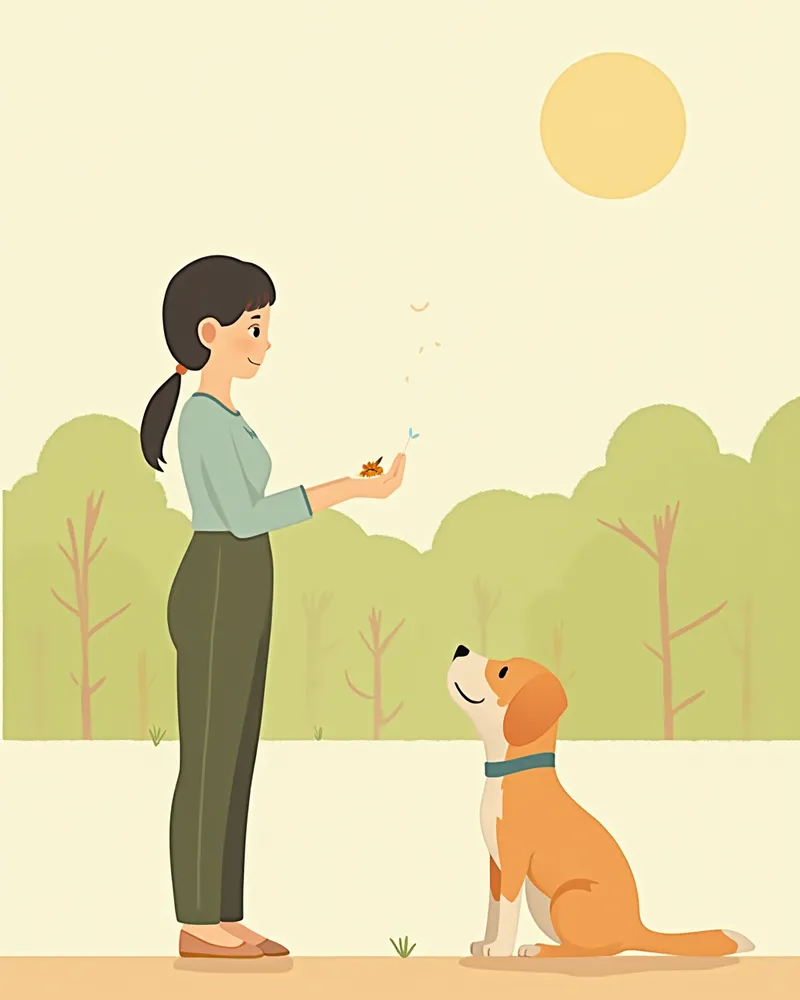
Tips for Adjusting Steps Based on Dog Temperament
Shy dogs may be scared of the clicker sound. In this case, you can wrap the clicker in a towel to muffle the sound or use a short "tsk" sound made with your mouth instead of "click" as a signal. On the other hand, for highly excited dogs, it helps to cut the treats into smaller pieces during the charging phase to prevent excessive excitement. For senior dogs, please allow more time for each stage and proceed slowly.
Reviewed by a veterinarian

Dr. Tony — Punnawat Phongkittirak
VeterinarianA veterinarian who majored in veterinary medicine at Khon Kaen University, Thailand, and completed the IVSA program at North Carolina State University in the United States. Drawing on clinical experience at animal hospitals, he works in the pet healthcare field and is dedicated to building a digital care environment that connects pet parents with veterinarians.
Reviewed 2026-04-27
Frequently Asked Questions
Can’t I just give treats without using a clicker?
It seems like my pet is having trouble progressing to the next stage. Should I wait a few more days?
Can I teach my pet multiple behaviors at the same time?
My dog barks at the clicker sound. What should I do?
Can adult dogs also be trained using a clicker?
Share
Related Guides

7 Behavioral Enrichment Strategies for Mental Stimulation Recommended by Veterinarians

Top 5 Calming Supplements for Dogs and Cats in 2026

L-Theanine Effects and Calming Support

Is Proteinuria in Dogs Really Dangerous? — Q&A on Interpreting and Managing the UPC Ratio
My Dog Is Drinking Too Much Water — Causes of Polyuria and Polydipsia and When to Visit the Vet Q&A
Is a Feline Liver Biopsy Really Necessary? — Q&A on the Procedure, Pain, and Recovery

Cat Eyes and Gums Turning Yellow? Q&A on Jaundice Causes and Treatment
Are Cat Liver Protectants (SAMe and Milk Thistle) Effective? When and How to Administer Them

Frequently Asked Questions About Feline Hepatic Enlargement (Hepatomegaly) — Key Information for Pet Owners

If Your Cat Is Lethargic and Stumbling — Causes and Management of Hepatic Encephalopathy Q&A
References
[1] Karen Pryor, Don't Shoot the Dog: The New Art of Teaching and Training, Revised Edition
[2] Steven R. Lindsay, Handbook of Applied Dog Behavior and Training, Volume 3: Procedures and Protocols
[3] 수의행동학 교과서 — Veterinary Behavior Reference (학습이론·조작적 조건형성 챕터)