Like
Share
멍실장
고양이 모색·패턴의 유전 의미

The Genetic Meaning of Cat Coat Colors and Patterns

ImmunityQ&AMeongsiljang Veterinary Advisory Board

A cat’s coat color and pattern are not just about looks—they’re the result of genetic combinations. We’ve also outlined the health traits associated with each color and pattern.

What Is a Cat’s Coat Color?

A calico cat sitting by the window
A cat’s coat color and pattern are determined by the combination of melanin pigment genes. What’s truly important is that certain coat colors can be linked to health risks. For example, calico cats are almost always female, and cats with white-tipped ears have a higher risk of sun-induced skin cancer. Understanding the genetic information behind their appearance helps you identify the specific care needs of your pet.

Basic Genes That Create Color

A cat’s coat color is determined by two main types of pigment: - Eumelanin: Produces black and brown shades. - Pheomelanin: Produces orange and cream shades. - B gene: Determines whether the base color is black or chocolate. - D gene: Determines whether the color is solid or diluted (such as blue or lilac). - O gene: Located on the X chromosome, this gene regulates the expression of orange coloration. These genetic combinations interact to create dozens of distinct coat colors.

Genetic Characteristics of Major Coat Colors and Patterns

ItemGenetic TraitSex Tendency
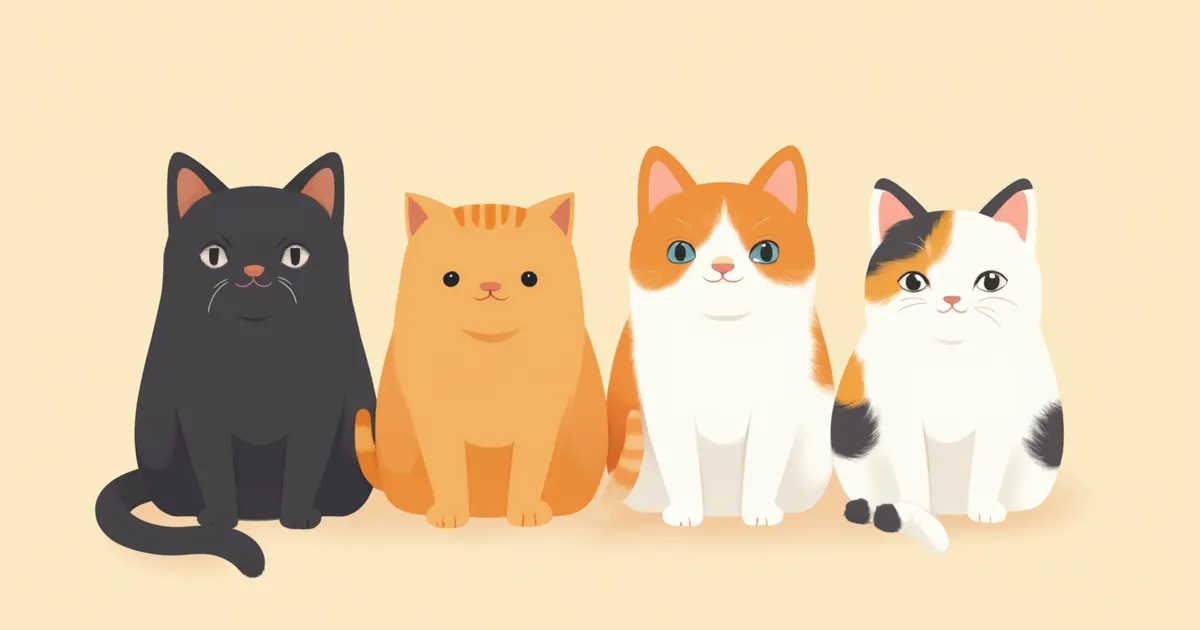
Solid (single color)a/a recessive combinationSame in males and females
Tabby (striped)Wild-type dominant patternSame in males and females
Tricolor (Calico)Requires two X chromosomesAlmost always female
TortoiseshellRequires two X chromosomesMostly female
Predominantly WhiteW gene dominantSame in males and females

Tricolor/tortoiseshell males are rarely found, and according to veterinary textbooks, most are genetic chimeras, so they are often infertile.

Why Most Calico and Tortoiseshell Cats Are Female
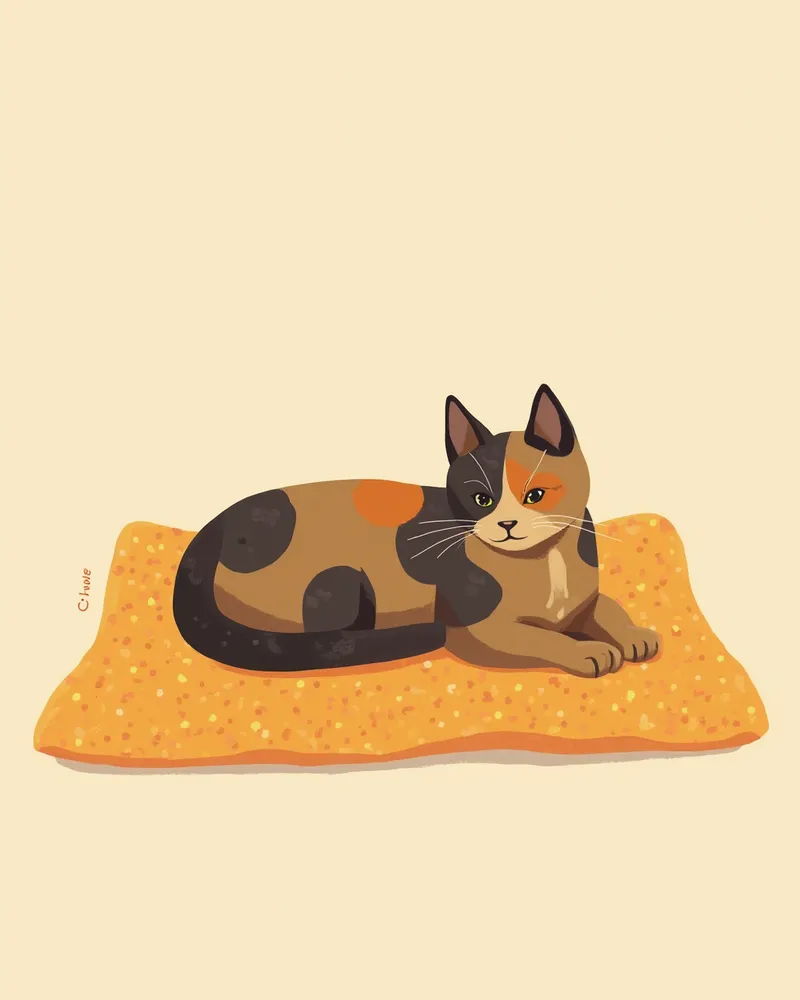
The orange gene (O) is located on the X chromosome. Since females have two X chromosomes, they can carry the orange gene on one and the black gene on the other, making the black + orange + white combination possible. In contrast, males have only one X chromosome, so they typically display just one color. Although rare tricolor males do occur, veterinary textbooks indicate that most are genetic chimeras and are often infertile.
A Tortoiseshell cat lying on a blanket

What White Cats Need to Watch Out For

White cats with unpigmented pink noses and ear tips are at an increased risk of developing squamous cell carcinoma of the ear if exposed to sunlight for prolonged periods. According to veterinary dermatology textbooks, repeated ultraviolet (UV) exposure is the primary cause. Additionally, among pure white cats carrying the W gene, those with blue eyes have a relatively higher likelihood of congenital deafness. Regular UV protection and monitoring of hearing responses are essential.

Four Types of Tabby Patterns
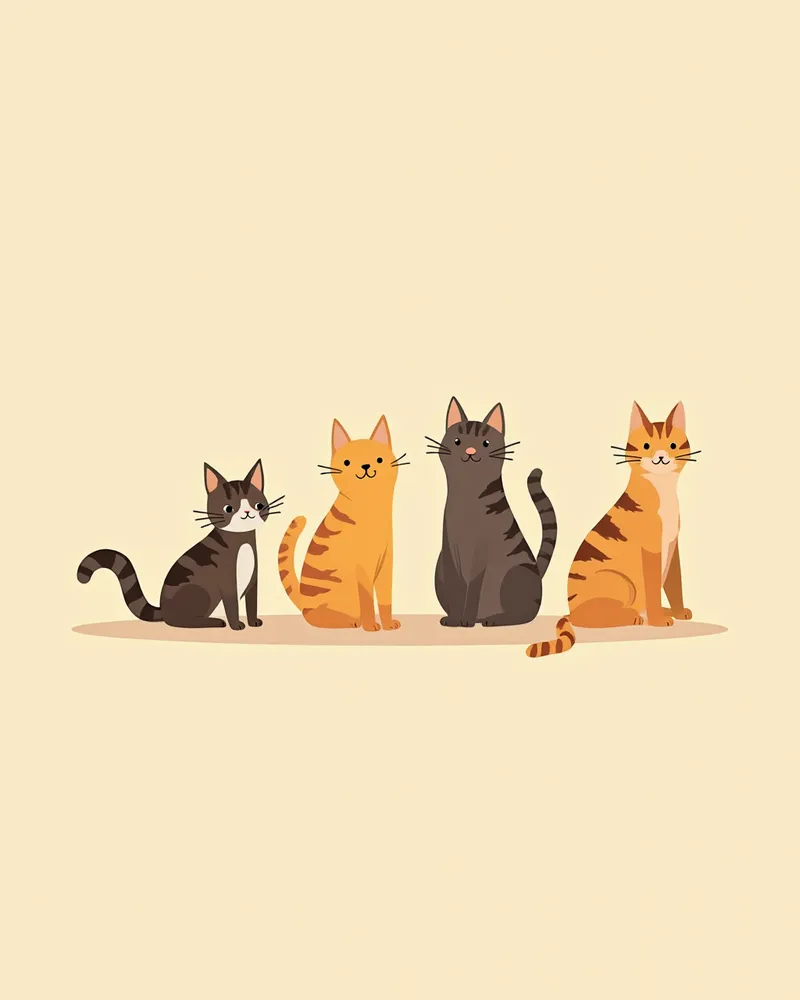
Tabby refers to the natural coat patterns found in wild cats. - Mackerel: Features long, vertical stripes running down the sides. - Classic: Displays swirling, bullseye-like patterns on the flanks. - Spotted: Characterized by distinct spots scattered across the coat. - Ticked (Abyssinian type): Each hair has multiple bands of color, creating a subtle, almost patternless appearance. The distinctive M-shaped marking on the forehead is a common ancestral trait seen in nearly all tabby cats.
Illustration comparing four types of tabby coat patterns

Breed Clues Suggested by Coat Color

Certain colors and patterns are often associated with specific breeds. - Point coloration (darker color on the face, paws, and tail only): This is characteristic of Siamese, Ragdoll, and Himalayan breeds. - Sepia and mink points: These are typical of Burmese and Tonkinese breeds. - Ticked tabby: This is a distinctive feature of Abyssinian and Somali cats. - Solid white long-haired coat: This may indicate a Turkish Angora. However, breed cannot be determined by coat color alone; accurate identification requires reviewing pedigree documentation and conducting genetic testing.

Health Care Points Based on Coat Color

Care needs vary depending on your cat’s coat color. - White or light-colored cats: Provide sun protection and regularly check the skin at the tips of their ears. - White cats with blue eyes: Monitor their hearing by observing whether they respond to their name being called from behind or to sounds like footsteps. - Black cats: Prolonged exposure to direct sunlight in summer can be stressful for all cats, so ensure they have ample access to cool, well-ventilated spaces. While coat color itself doesn’t cause disease, being aware of associated risk factors makes early intervention much easier.

Reviewed by a veterinarian

Dr. Tony — Punnawat Phongkittirak

Dr. Tony — Punnawat Phongkittirak

Veterinarian

A veterinarian who majored in veterinary medicine at Khon Kaen University, Thailand, and completed the IVSA program at North Carolina State University in the United States. Drawing on clinical experience at animal hospitals, he works in the pet healthcare field and is dedicated to building a digital care environment that connects pet parents with veterinarians.

Frequently Asked Questions

Are all calico cats female?
Almost all calico cats are female. While male calicos do exist, they are rare, and according to veterinary textbooks, most are genetic chimeras and are often infertile.
Are all white cats deaf?
Not at all. The risk of hearing loss increases only when the W gene and blue eyes overlap, not all white cats are deaf. It depends on the combination of gene expression.
Does coat color directly affect health?
It’s not the color itself but the underlying genetic combinations that matter. Skin lacking pigment is more vulnerable to UV damage, and certain pigment-related genes can also interact with genes involved in hearing and vision.
Does a cat’s coat color change from kittenhood to adulthood?
Yes, they change quite a bit. In particular, color-point breeds like Siamese and Himalayans have a characteristic where their faces and paws gradually darken as they grow. This is related to the pigment expression pattern regulated by the TYR gene.
Can you tell a dog’s personality by its coat color?
The scientific evidence is weak. While some survey studies have reported trends, individual variation is far greater, so we don't recommend judging a dog's personality based solely on its coat color.

Share

Related Guides

References

[1] Little S., The Cat: Clinical Medicine and Management, 2nd Edition, Chapter on Feline Genetics and Coat Color

[2] Jackson HA, Marsella R., BSAVA Manual of Canine and Feline Dermatology, 4th Edition

[3] Lyons LA, Feline genetics: clinical applications and genetic testing, Topics in Companion Animal Medicine, 2010

This information is based on veterinary literature and does not replace diagnosis or treatment. Please consult a veterinarian for specific health concerns.

Metapet Co., Ltd. | CEO: Park Sung-yong | Business Reg. No. 417-88-02562 | Seoul, South Korea | Customer Center

The Genetic Meaning of Cat Coat Colors & Patterns | Meongsiljang