
Like
Share
멍실장
야외 응급 키트, 뭘 챙겨야 할까? 반려동물 필수 구성 가이드

Pet Outdoor Emergency Kit: What to Pack — A Complete Guide to Essential Components and Preparation

ImmunityQ&AMeongsiljang Veterinary Advisory Board

We’ve compiled a veterinary-backed guide to the essential components and proper use of an emergency kit for pets, helping you prepare for unexpected situations during outdoor activities like walks, camping, and hiking.

What Is an Outdoor Emergency Kit? Why Is It Essential?

An emergency kit placed next to your pet outdoors
An outdoor emergency kit is a portable first-aid set prepared in advance to immediately respond to injuries and unexpected situations that may occur in pets during outdoor activities such as walks, camping, or hiking. The key is to stabilize the pet for the critical "first 10 minutes" before reaching the hospital. The speed of recovery from accidents like bleeding, burns, insect stings, or ingestion of foreign objects can vary significantly depending on the initial response. It is important to keep the kit readily available in your car or bag and to check its contents once per season.

Common Emergency Situations Outdoors

The most common accidents on walking trails and at campsites are paw pad injuries, tick attachments, bee stings, dehydration, and heatstroke. Even minor wounds can quickly become inflamed if contaminated with dirt, grass, or foreign objects. In summer, there’s a risk of burns from hot asphalt; in winter, frostbite and hypothermia are concerns. Year-round, ingestion of foreign objects—such as skewer sticks, plastic, and acorns—is frequent. To handle all these situations effectively, your first-aid kit should be simple yet comprehensive.

Essential vs. Optional Components of an Outdoor Emergency Kit

ItemEssential ItemsAdditional Items
Hemostasis / Wound CareSterile gauze, self-adhesive bandage, physiological salineHemostatic powder, syringe for wound irrigation
Disinfection / AntimicrobialDiluted chlorhexidine solution, disinfectant wipesAntibiotic ointment (veterinarian-prescribed)
ToolsRound-tipped scissors, tweezers, tick removerThermometer (rectal), flashlight, gloves
Warmth / DehydrationEmergency Blanket, portable water bottleElectrolyte powder, collapsible bowl
OtherElizabethan collar (foldable), sling as a carrier substituteOral syringe, disposable gloves, copies of microchip / insurance certificate

Based on the essentials, under 300g and can be organized into a single zip-lock bag.

When a Wound Occurs — Step-by-Step Response
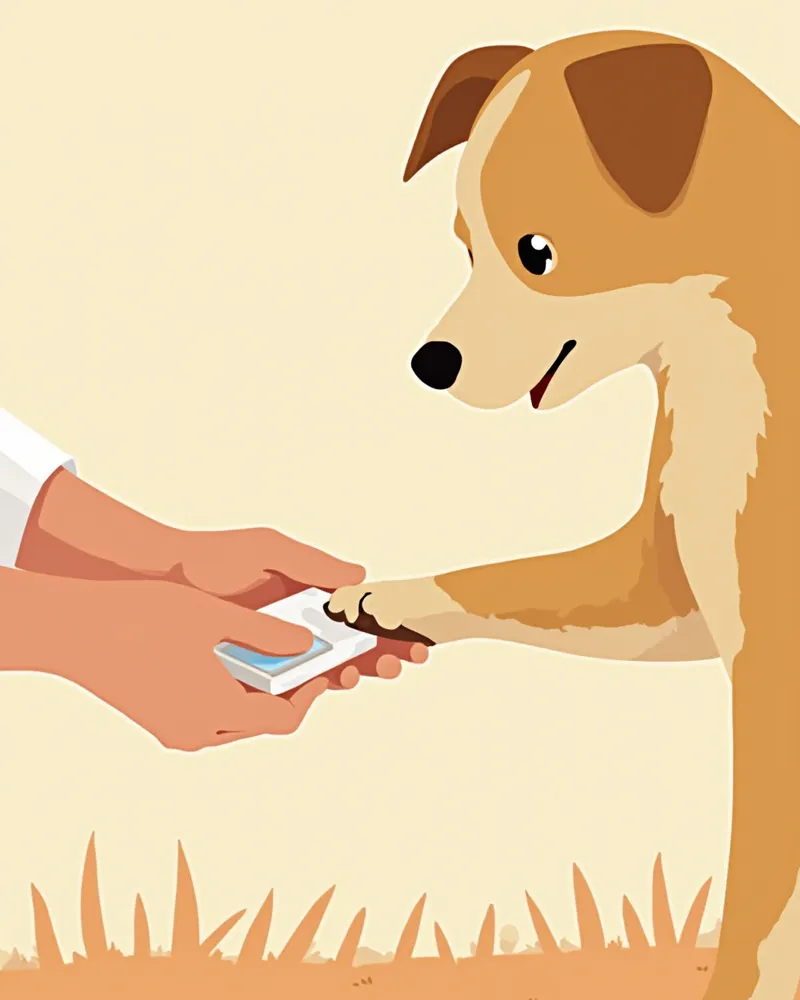
If there is bleeding, first rinse away dirt and foreign debris with sterile saline, then apply direct pressure with sterile gauze for 3–5 minutes. Once the bleeding stops, disinfect the area with diluted chlorhexidine and secure it with a self-adhering bandage, being careful not to wrap it too tightly. If the toes turn purple, it’s a sign that the bandage is too tight. If the wound is widely gaping or bleeding doesn’t stop after more than 10 minutes, sutures may be necessary, so seek veterinary care immediately.
A hand disinfecting a dog’s paw wound outdoors

Signs Requiring Immediate Transport to a Veterinary Clinic

If you notice any of the following symptoms, provide only first aid using an emergency kit and head to a veterinary clinic as quickly as possible: - Gums appear pale or turn purple - Bleeding does not stop after 10 minutes - Breathing is very rapid or panting persists - Consciousness is clouded, or the pet collapses and cannot get up - Suspected ingestion of toxic substances (rodenticides, chocolate, mushrooms) - Facial swelling and vomiting occur after a snake or bee sting

Seasonal Add-Ons for Summer and Winter

- Summer: Pack a portable cooling towel, electrolyte powder, and a tick remover. Heatstroke is a medical emergency that occurs when the body cannot dissipate heat effectively, causing a dangerous rise in body temperature. In the early stages, begin lowering the temperature by dampening the ears, paw pads, and armpits with lukewarm water, then head to the veterinary clinic immediately. - Winter: Add paw protection wax, paw pad moisturizer, and extra towels to your kit. If body temperature drops significantly below the normal range, there is a risk of hypothermia; wrap your pet in a blanket and seek veterinary care right away. Regardless of the season, only use medications prescribed by a veterinarian.
A puppy wrapped in an emergency blanket on a winter mountain

Items That Should Never Be Included in the Kit

Even with the best intentions, some items owners provide can actually be dangerous. - Hydrogen peroxide: Applying it directly to a wound may temporarily increase oxygen partial pressure, but it can actually delay tissue recovery (wound healing). Human-grade concentrations also carry a high risk of mucosal damage, so inducing vomiting should only be done under a veterinarian’s direction. - Human pain relievers (Tylenol, ibuprofen, aspirin): A single pill can be fatal for cats, and dogs are at risk of kidney failure. - Alcohol swabs (70%): Applying them directly to a wound causes significant pain and tissue damage. - Human ointments: If pets lick ointments containing steroids or antifungal ingredients, there is a risk of poisoning.

Kit Maintenance Checklist

- Every 3 months: Check expiration dates (saline solution, disinfectants, ointments) - Every 6 months: Inspect bandages and gauze for moisture, and check tools for rust - Seasonal changes: Replace tick removers, cooling towels, and warming blankets - Always include: Your veterinarian’s contact information, two 24-hour emergency clinics, microchip number, a copy of your pet’s insurance card, and one photo of your pet (in case of loss) - We recommend maintaining two sets—one for your car and one for your bag. The key is to keep them as close as possible to where you use them most.

What Cat Owners Must Know

Cats require different emergency care than dogs. Even chlorhexidine, which is safe for dogs, can irritate cats at high concentrations, and some essential oils and insecticide ingredients can cause poisoning even in small amounts. Always keep a carrier and a laundry mesh bag in your emergency kit. If your cat is injured, don’t force them into your arms; instead, wrap them gently in a towel to reduce stress before transporting them to the clinic.

Reviewed by a veterinarian

Dr. Tony — Punnawat Phongkittirak

Dr. Tony — Punnawat Phongkittirak

Veterinarian

A veterinarian who majored in veterinary medicine at Khon Kaen University, Thailand, and completed the IVSA program at North Carolina State University in the United States. Drawing on clinical experience at animal hospitals, he works in the pet healthcare field and is dedicated to building a digital care environment that connects pet parents with veterinarians.

Frequently Asked Questions

Can I use a human first aid kit instead?
While there is some overlap, human and pet first-aid supplies are not interchangeable. Human pain relievers, alcohol swabs, and hydrogen peroxide can be dangerous for pets, and essential pet-specific items like tick removers, Elizabethan collars, and rectal thermometers are often missing from general kits. We recommend using a dedicated pet first-aid kit.
Where is the best place to buy an emergency kit?
I recommend buying only the essential items separately and assembling your own kit rather than purchasing a pre-made one. Pre-made kits often include unnecessary items or have short expiration dates. You can easily find chlorhexidine, self-adhering bandages, and tick removers at veterinary clinics, veterinary pharmacies, or large pet stores.
What should I do with the kit if my pet gets stung by a bee?
If a stinger is embedded, gently scrape it out sideways using the edge of a credit card (avoid using tweezers, as squeezing can inject more venom), then apply a cold compress with a chilled towel. If you notice any of the following symptoms—swelling of the face, neck, or tongue, vomiting, or difficulty breathing—there is a risk of anaphylaxis, so seek veterinary care immediately.
I found a tick on my pet—can I just pull it off right away?
Remove the tick by grasping it as close to the skin as possible with tick removal tools or fine-tipped tweezers and pulling straight out. Do not twist or burn it, as this can leave the mouthparts embedded in the skin and increase the risk of infection. Disinfect the area after removal, and if fever or lethargy develops within several days to weeks, testing for tick-borne diseases is necessary.
Is it safe to induce vomiting at home?
As a general rule, do not induce vomiting without explicit instructions from a veterinarian. If your pet has ingested corrosive substances (such as bleach or batteries) or sharp foreign objects, inducing vomiting can cause further damage to the esophagus. Always contact a 24-hour animal hospital first for professional assessment, and only proceed with the prescribed medication if specifically instructed to do so.

Share

Related Guides

References

[1] Drobatz KJ, Hopper K, Rozanski E, Silverstein DC. Textbook of Small Animal Emergency Medicine. Wiley-Blackwell, 2018

[2] Little SE. Feline Emergency and Critical Care Medicine, 2nd Edition. Wiley-Blackwell

[3] Creedon JMB, Davis H. Advanced Monitoring and Procedures for Small Animal Emergency and Critical Care, 2nd Edition. Wiley-Blackwell

This information is based on veterinary literature and does not replace diagnosis or treatment. Please consult a veterinarian for specific health concerns.

Metapet Co., Ltd. | CEO: Park Sung-yong | Business Reg. No. 417-88-02562 | Seoul, South Korea | Customer Center

Pet Outdoor Emergency Kit: What to Pack | Meongsiljang