

Why Does Your Cat Bring You Prey as a Gift? — Psychology and Proper Responses
Let us explain the meaning behind your cat’s “gift-giving” behavior—when they place dead insects, toys, or even real prey at your feet—and how you can respond appropriately as a pet owner.
What Is a Cat’s Prey Gift?
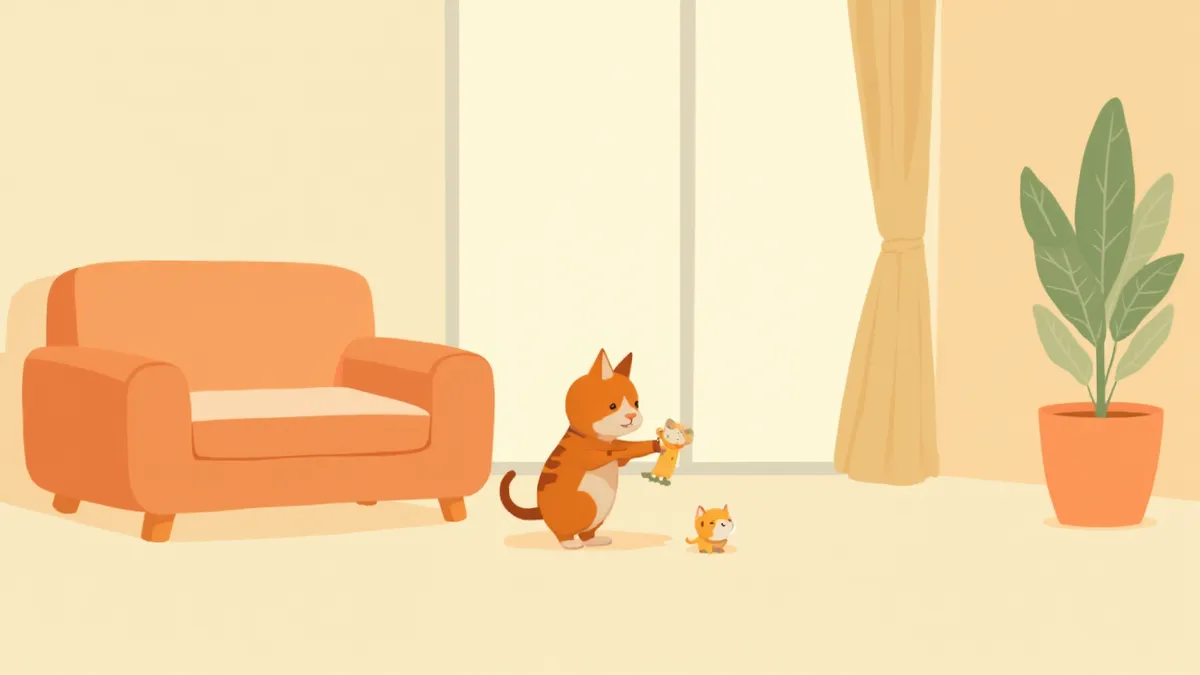
Why Do They Bring Prey? 3 Hypotheses
Summary of the Meaning Behind the Behavior

What Not to Do
Avoid yelling at or scolding your cat when it brings you prey. Cats don’t perceive the “gift” as bad; instead, they learn to associate your loud voice or sudden movements with anxiety, which only increases their stress. It’s also not advisable to forcibly take the prey away or throw it out in front of them. A safer approach is to calmly accept the gift in their presence and then tidy up once you’ve left the room.
3 Steps for the Proper Response
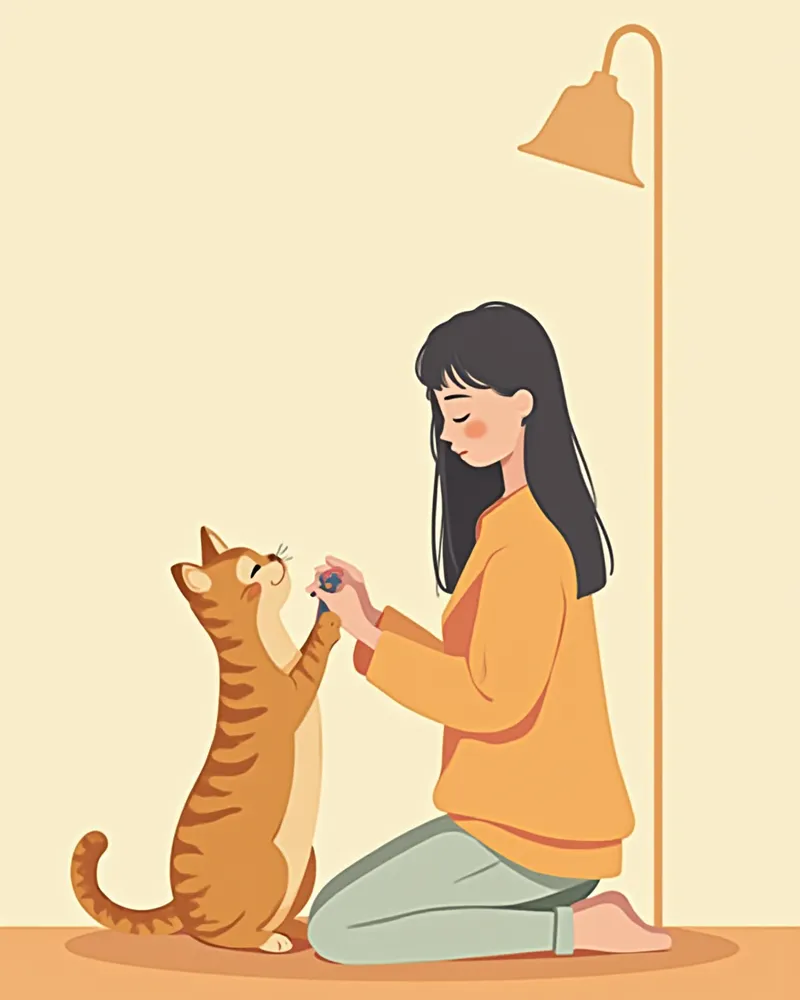
Do Indoor Cats Exhibit This Behavior Too?
If You Want to Reduce the Frequency

When to Consult a Veterinarian
While bringing home prey is generally normal behavior, a behavioral assessment is recommended if you notice any of the following signs: - Frequent vomiting or diarrhea due to repeatedly eating dead insects or bugs - Nightly meowing that wakes up family members, persisting for more than two weeks - Suspected pica, such as swallowing non-food items like plastic, string, or rubber bands - A combination of aggression, hyperactivity, and disrupted sleep patterns In these cases, the behavior may stem from stress or compulsive disorders rather than simple instinct, so a veterinary consultation and environmental review are necessary.
Reviewed by a veterinarian

Dr. Tony — Punnawat Phongkittirak
VeterinarianA veterinarian who majored in veterinary medicine at Khon Kaen University, Thailand, and completed the IVSA program at North Carolina State University in the United States. Drawing on clinical experience at animal hospitals, he works in the pet healthcare field and is dedicated to building a digital care environment that connects pet parents with veterinarians.
Reviewed 2026-04-26
Frequently Asked Questions
I’m worried about germs because my dog brings dead bugs into the entryway. Is that okay?
Won’t praising your dog by saying “thank you” when it brings you prey make the behavior worse?
Does my pet lack affection because they’ve never received any prey-like gifts?
What does it mean if you find a pair of socks by your head while you’re sleeping?
In a multi-cat household, only one specific cat brings gifts. Could this be due to social hierarchy?
Share
Related Guides

7 Behavioral Enrichment Strategies for Mental Stimulation Recommended by Veterinarians
Top 5 Recommended Cognitive Supplements for Cats in 2026

Top 5 Calming Supplements for Dogs and Cats in 2026

Why Do Cats Love Sunbathing Spots? — How to Create a Safe Sunbathing Spot

How should you design a cat window perch?
Cat Wheel Usage Guide and Acclimation Methods

Why Cats Sit on Keyboards and Laptops

Why Cats Stare Fixedly at One Spot
Why Do Cats React to Mirrors? — Behavioral Psychology Pet Owners Should Know

Why Cats Scratch Furniture — A Complete Guide to Redirecting Them to a Scratching Post
References
[1] Bradshaw JWS, Casey RA, Brown SL, The Behaviour of the Domestic Cat, 2nd Edition, CABI, 2012
[2] Turner DC, Bateson P, The Domestic Cat: The Biology of its Behaviour, 3rd Edition, Cambridge University Press, 2014
[3] Horwitz DF, Mills DS, BSAVA Manual of Canine and Feline Behavioural Medicine, 2nd Edition, BSAVA, 2009