Like
Share
멍실장
정전 시 펫 보호, 어떻게 준비하고 대처해야 할까요?

What Happens to Our Pets During a Power Outage? — Essential Response Steps for Pet Owners

ImmunityQ&AMeongsiljang Veterinary Advisory Board

Power outages can put pets at risk due to the loss of heating and cooling, as well as anxiety-related stress. Here’s a guide to essential supplies and step-by-step actions to keep your pet safe.

What Is Pet Protection During a Power Outage?
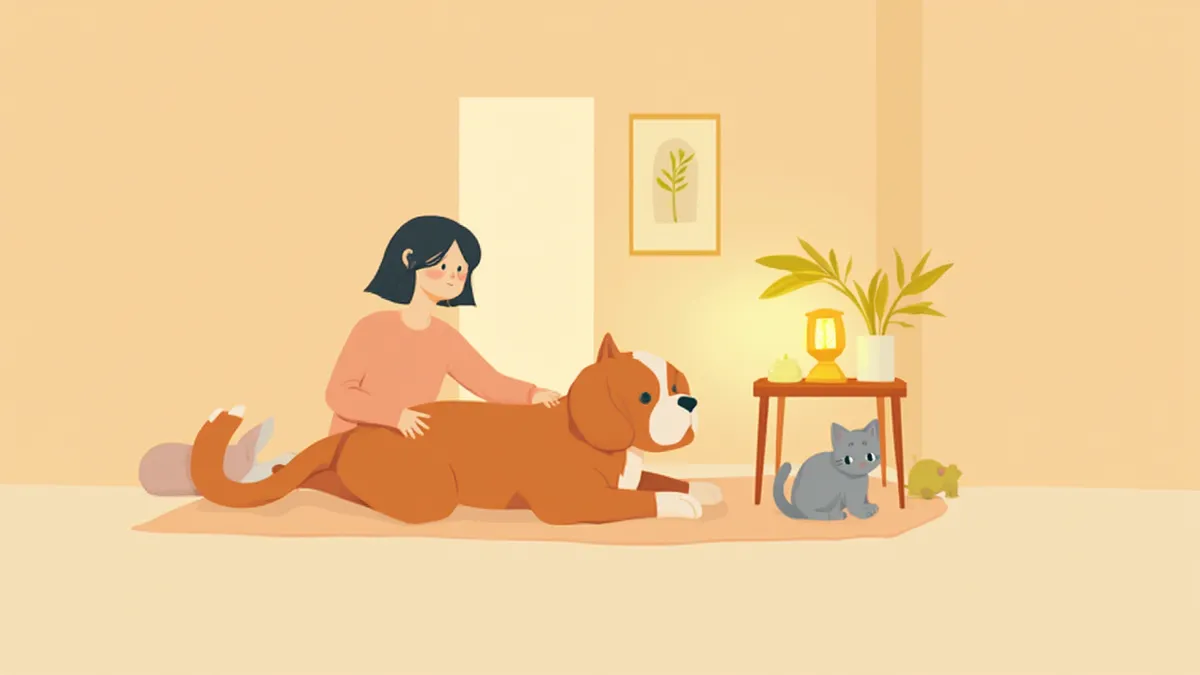
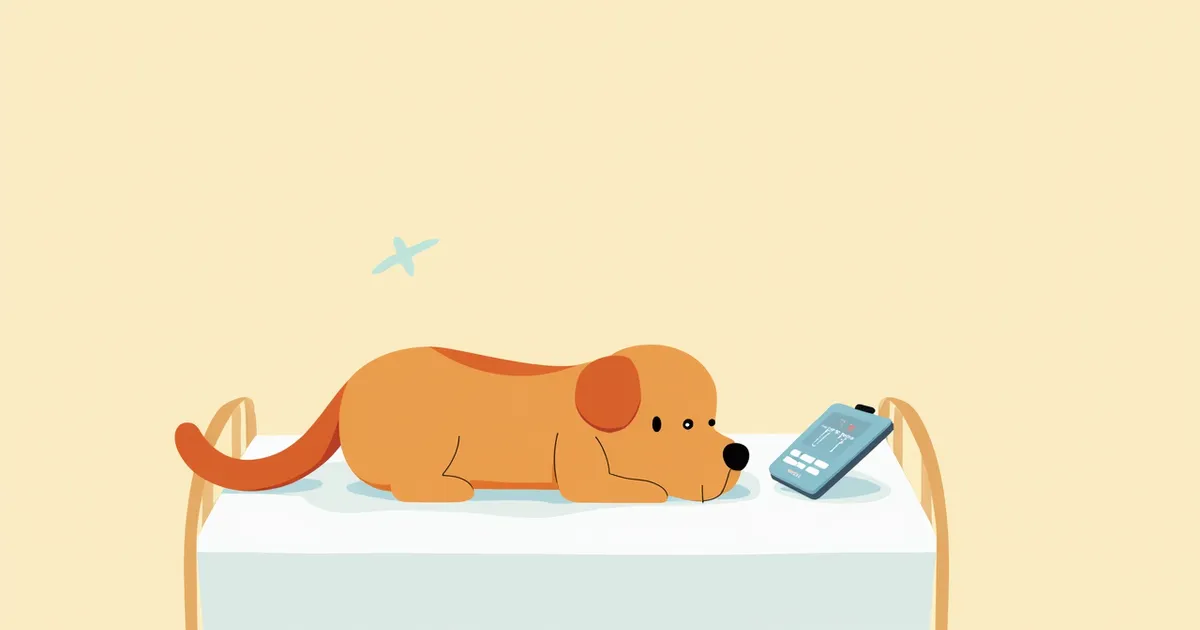
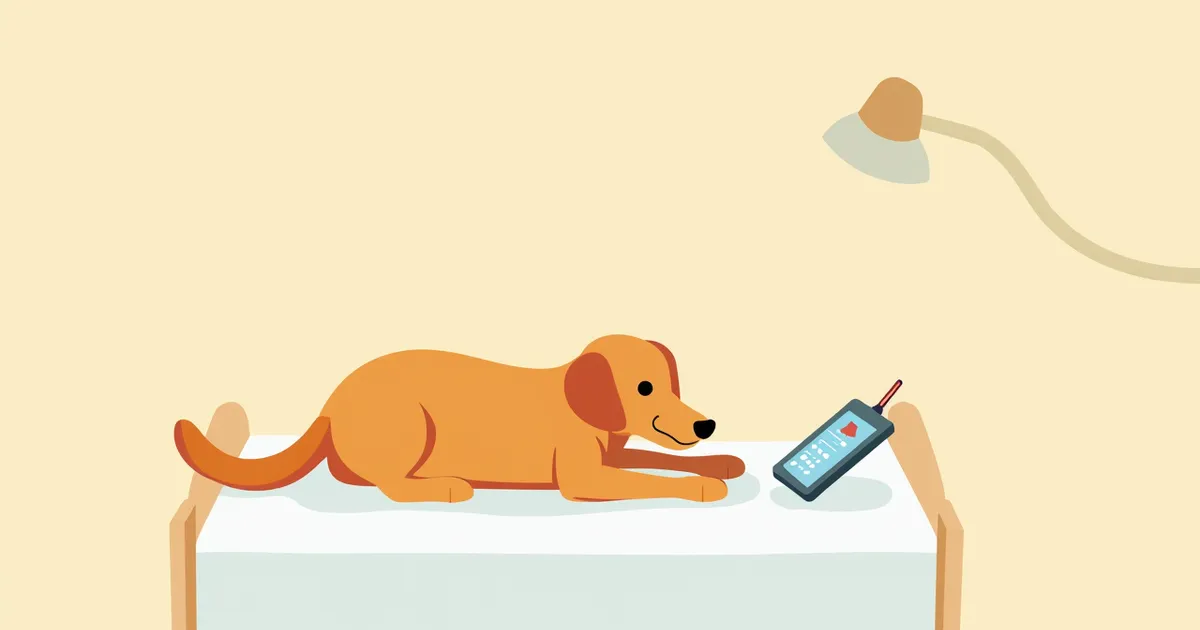
A guardian checking on their pet’s condition in a home that has lost power.
During a power outage, pet care involves emergency preparedness for the loss of heating and cooling, potential water supply issues, and your pet’s anxiety. The most critical priorities are maintaining body temperature and calming anxiety. In summer, a power outage causes indoor temperatures to rise rapidly, increasing the risk of heatstroke. In winter, it can lead to hypothermia, especially in small-breed dogs and senior cats. As soon as you receive a power outage notice, immediately retrieve your lantern, emergency drinking water, and cooling or warming supplies. Move your pet away from windows and keep them in a familiar, secure space.

Why Power Outages Are Dangerous for Pets

A power outage is more than just a loss of electricity. When heating and cooling systems shut down, indoor temperatures can change rapidly, and automatic water dispensers, air purifiers, and oxygen supply devices stop working. Brachycephalic breeds (French Bulldogs, Pugs, Persians) are especially vulnerable because their shortened nasal passages, pharynx, and airway structures impair heat dissipation through panting. As a result, rising indoor temperatures during summer outages can quickly increase the risk of heatstroke (hyperthermia). While healthy cats typically seek out the coolest spot in the house and remain still, brachycephalic, senior, or cats with underlying health conditions have difficulty regulating their body temperature and require extra vigilance. Pets with heart disease or chronic respiratory conditions can deteriorate rapidly, showing signs such as tachypnea or increased respiratory effort, making advance preparation essential.

Immediate Response Comparison by Situation

When a power outage begins, prioritize actions differently depending on the season and your pet’s condition. Refer to the table below to quickly determine the appropriate steps for your current situation.

Priority Actions by Season and Situation

ItemSummer Power OutageWinter Power OutagePower Outage With Water Cutoff
Top-Priority ActionMove to a cool roomPrepare blankets / heating pads (hot packs)Secure emergency drinking water
Temperature ManagementCool the paws / belly with a wet towelKeep warm with the guardian's body heat and a blanketPrioritize providing water
VentilationPartially open windows, block direct sunlightKeep doors closed and retain body heatMinimize cross-ventilation
Breeds to WatchBrachycephalic breeds, senior dogs / catsSmall dogs, short-haired breeds, senior catsPets with kidney failure or diabetes

If your pet begins panting or shivering, contact an animal hospital immediately.

Emergency Kit to Prepare in Advance for Power Outages
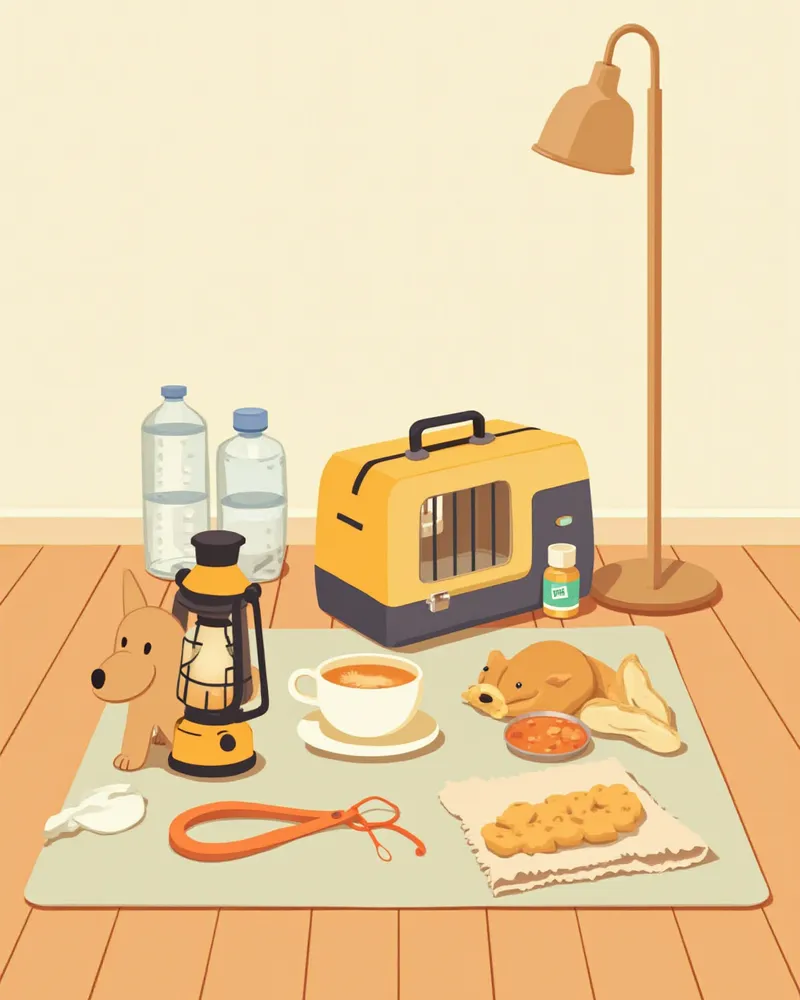
Power outages can strike without warning. Keeping a pet emergency kit stocked and stored in one place will help you respond calmly and effectively. - Emergency water: Stock enough water to last at least 2–3 days. To prevent dehydration, offer small amounts frequently. However, if your pet has gone a long time without water, avoid giving large quantities all at once. - Temperature-control items: Cooling mats, warming blankets, and disposable heat packs (do not allow direct skin contact). - LED lanterns and headlamps: Candles are prohibited due to fire hazards. - Three-day supply of prescription medications: This is especially critical for heart medications, diabetes insulin, and anti-seizure drugs. - Carrier and leash: Essential for immediate use during evacuation. - Familiar blanket and toys: To help soothe anxiety.
An organized view of the contents of a pet emergency kit

Contact Your Veterinarian Immediately in These Cases

Even during a power outage, contact your veterinarian or a 24-hour emergency clinic immediately if you notice any of the following signs: - The tongue or gums turn purple or gray (indicating low oxygen levels) - The ears, armpits, or paw pads feel abnormally hot or cold (suspected overheating or hypothermia) - Persistent panting or rapid breathing that does not subside - Recurrent vomiting, diarrhea, or seizures - A pet with heart disease or diabetes appears unusually lethargic or weak Since power outages can disrupt navigation and communication services, keep a written copy of your regular vet’s phone number on hand.

How to Calm Anxiety Responses During a Power Outage

Sudden changes in lighting and the abrupt cessation of familiar background noises, such as those from refrigerators or air conditioners, can cause environmental stress in pets. From a veterinary perspective, fear and anxiety responses can affect various physiological functions, including heart rate, body temperature, and appetite. If these stress responses persist, they may negatively impact overall health and the outcomes of medical treatments. To help your pet feel secure, speak to them in a calm, familiar voice and keep their usual blanket and toys nearby. Reacting loudly or attempting to force them into your arms can increase their tension. For pets with pre-existing separation anxiety, consider consulting your veterinarian to obtain a prescription for calming medication in advance.
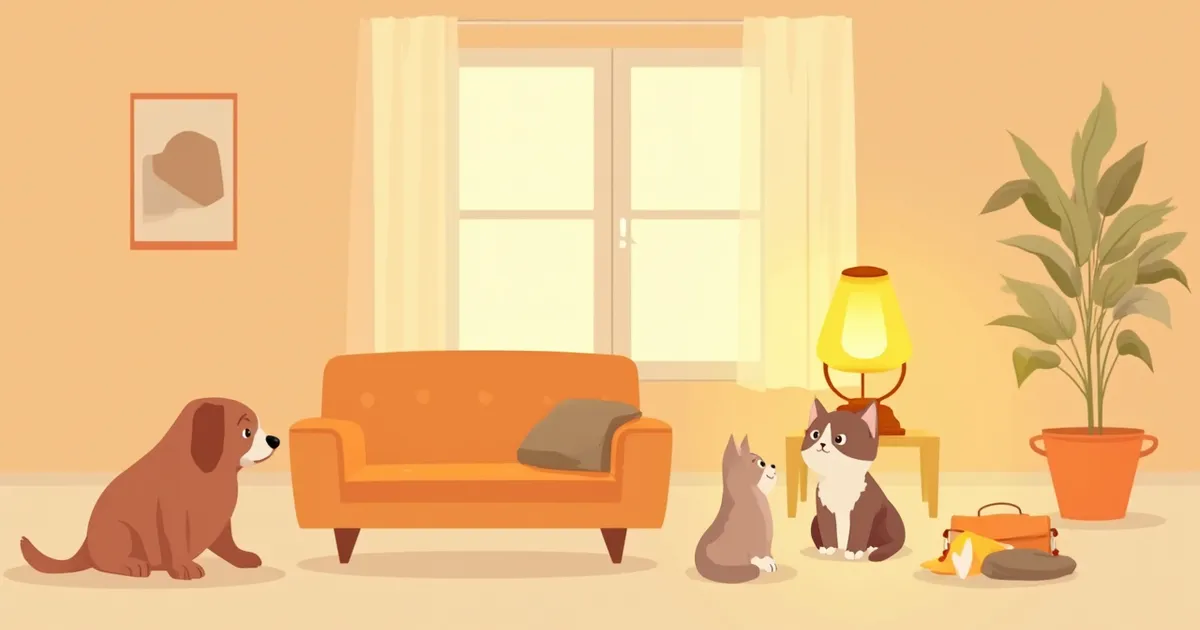
A comforting scene of a pet owner gently stroking their dog and cat to calm them during a power outage.

When Power Outages Last: Long-Term Response Guide

If a power outage lasts more than four hours, your indoor environment will begin to change significantly. In summer, check your pet’s ears and paw pads every one to two hours for signs of overheating, and if needed, place a damp towel on their belly and armpits to help cool them down. In winter, the most effective approach is to stay under the covers with your pet. As a general rule, avoid opening the refrigerator for the first four hours; if prescription or wet food has started to thaw, do not refreeze it—feed it to your pet within the same day. If the outage is expected to last more than twelve hours, arrange a temporary shelter in advance, such as a friend’s home or a pet hotel.

Exercise Extra Caution for Specific Breeds and Conditions

- Brachycephalic breeds (French Bulldogs, Pugs, Shih Tzus, Persians, Exotics): Due to their airway anatomy, these pets struggle to dissipate heat through panting. During summer power outages, even a slight rise in indoor temperature can put them at a much higher risk of heatstroke compared to other breeds. They should be your top priority for evacuation. - Heart disease and tracheal collapse: These conditions can lead to increased respiratory effort and insufficient oxygen supply. Make sure to save the contact information for a 24-hour veterinary clinic that offers oxygen therapy in advance. - Diabetes: Insulin must be kept refrigerated even during power outages. Prepare ice packs and an insulated bag to maintain the proper temperature. - Senior dogs and cats: Older pets have a reduced ability to regulate their body temperature. Please check your emergency kit at least once per season to ensure everything is ready.

Reviewed by a veterinarian

Dr. Tony — Punnawat Phongkittirak

Dr. Tony — Punnawat Phongkittirak

Veterinarian

A veterinarian who majored in veterinary medicine at Khon Kaen University, Thailand, and completed the IVSA program at North Carolina State University in the United States. Drawing on clinical experience at animal hospitals, he works in the pet healthcare field and is dedicated to building a digital care environment that connects pet parents with veterinarians.

Frequently Asked Questions

Should you evacuate with your pet during a power outage?
If your indoor environment becomes unsafe for your pet due to extreme temperatures or an extended power outage, it’s best to evacuate. Bring a carrier, leash, prescribed medications, and emergency water, and head to a friend’s home, a 24-hour pet hotel, or a pet-friendly accommodation.
What kind of lighting should I use instead of candles?
LED lanterns or headlamps are the safest options. Candles pose a fire hazard if knocked over by a pet’s tail or fur, and they consume oxygen in enclosed spaces. We recommend keeping both a rechargeable lantern and a battery-powered lantern on hand.
How do you provide water without using an automatic water dispenser or fountain?
Pour the pre-stored emergency drinking water into your cat’s usual water bowl. Since cats may refuse stagnant water, you can moisten their mouth with a spoon or syringe, or mix in a small amount of tuna broth to encourage hydration.
How should I care for my pet while it’s receiving oxygen therapy?
If you have a portable oxygen canister, prepare it immediately. If not, head to the nearest 24-hour emergency veterinary clinic as quickly as possible. For pets with heart or respiratory conditions, we recommend keeping a portable oxygen supply and an oxygen mask in your emergency kit at all times.
Can I return to my usual routine right after the power outage ends?
If the power has been out for more than four hours, food stored in the refrigerator may have spoiled, so be sure to check the condition of your pet’s food and treats. If your pet shows a loss of appetite, lethargy, or diarrhea for more than 24 hours, it could be due to stress-induced enteritis or dehydration, so please contact your veterinarian.

Share

Related Guides

References

[1] Feline Emergency and Critical Care Medicine, 2nd Ed

[2] Advanced Monitoring for Small Animal Emergency and Critical Care, 2nd Ed

[3] The Veterinary Workbook of Small Animal Clinical Cases, Case 14

This information is based on veterinary literature and does not replace diagnosis or treatment. Please consult a veterinarian for specific health concerns.

Metapet Co., Ltd. | CEO: Park Sung-yong | Business Reg. No. 417-88-02562 | Seoul, South Korea | Customer Center

Pets During a Power Outage: Essential Owner Response Steps | Meongsiljang