

Tylenol is Strictly Prohibited for Cats — Why Even Small Amounts Are Fatal and Emergency Response
Cats lack the enzymes needed to break down Tylenol (acetaminophen), so even a single pill can be fatal, causing methemoglobinemia and liver damage. If you suspect your cat has ingested any, take them to an emergency veterinary clinic immediately.
Why Tylenol Is Absolutely Unsafe for Cats

If You Suspect Ingestion — The 1-Hour Golden Window
If you suspect your pet has ingested something toxic, take them to a 24-hour emergency animal hospital or veterinary clinic immediately. Do not attempt to induce vomiting at home using salt water, milk, or other methods—this can be dangerous and wastes valuable time. To help speed up treatment, write down and bring along the medication packaging, any remaining pills, the estimated time of ingestion, and your pet’s weight. If you arrive within one hour, your veterinarian may perform gastric lavage (stomach pumping) and administer activated charcoal to reduce toxin absorption.
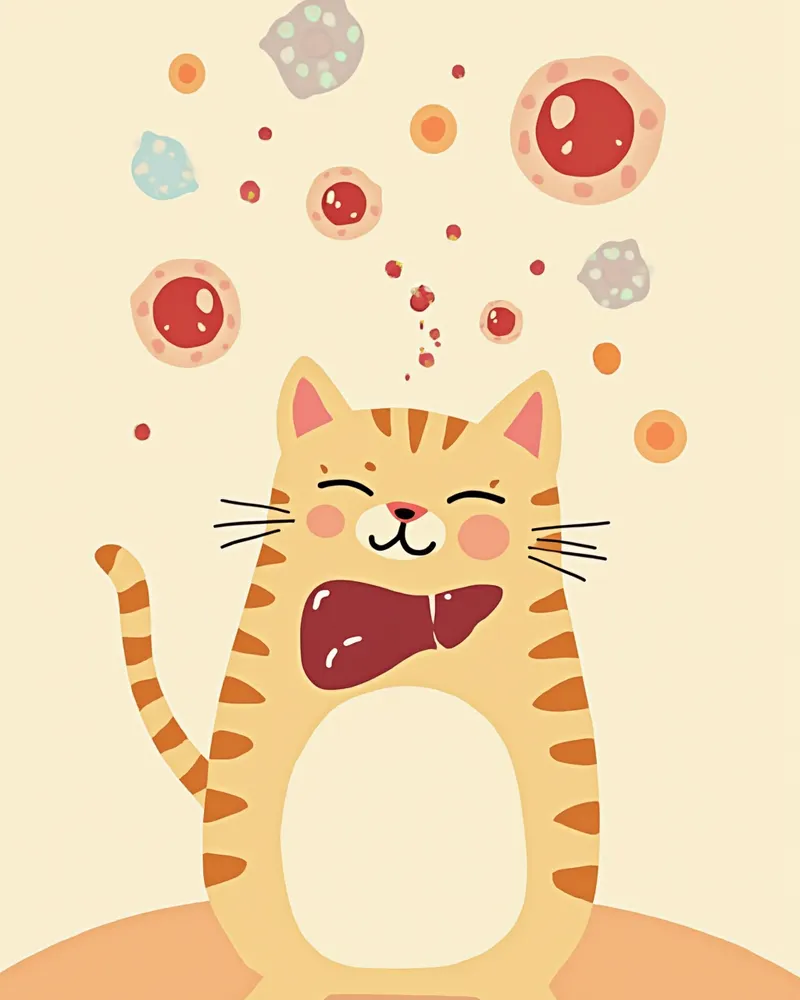
Why Is It So Fatal for Cats?
Risk Dosage by Weight — How Dangerous Is One Pill (500mg)?
| Item | mg/kg for one tablet (500mg) | Risk grade |
|---|---|---|
| 2 kg cat | 250mg/kg | Fatal |
| 3 kg cat | 167mg/kg | Fatal |
| 4 kg cat | 125mg/kg | Fatal |
| 5 kg cat | 100mg/kg | Fatal |
| 6 kg cat | 83mg/kg | Fatal |
According to the textbook, the minimum toxic dose for cats is 10 mg/kg. For a cat of average body weight around 4.5 kg, poisoning can begin with just 50 mg. Also, cats show toxicity at doses 3–4 times lower (≥60 mg/kg) than dogs (≥200 mg/kg). At any of the body weights in the table above, one tablet (500 mg) exceeds the minimum toxic dose by tens of times, so ordinary over-the-counter Tylenol is a potentially fatal amount for cats regardless of pill size.
Cat Acetaminophen Poisoning Symptom Checklist

Go to the Emergency Room Immediately If You See Any of These Symptoms
If your pet’s gums turn gray, blue, or brown, their face swells, or they pant with their mouth open, their ability to transport oxygen has already collapsed. At this stage, their condition can deteriorate by the minute. To save time, call a nearby 24-hour veterinary clinic in advance, state that you suspect acetaminophen poisoning, and ask if they have N-acetylcysteine (NAC) antidote in stock.
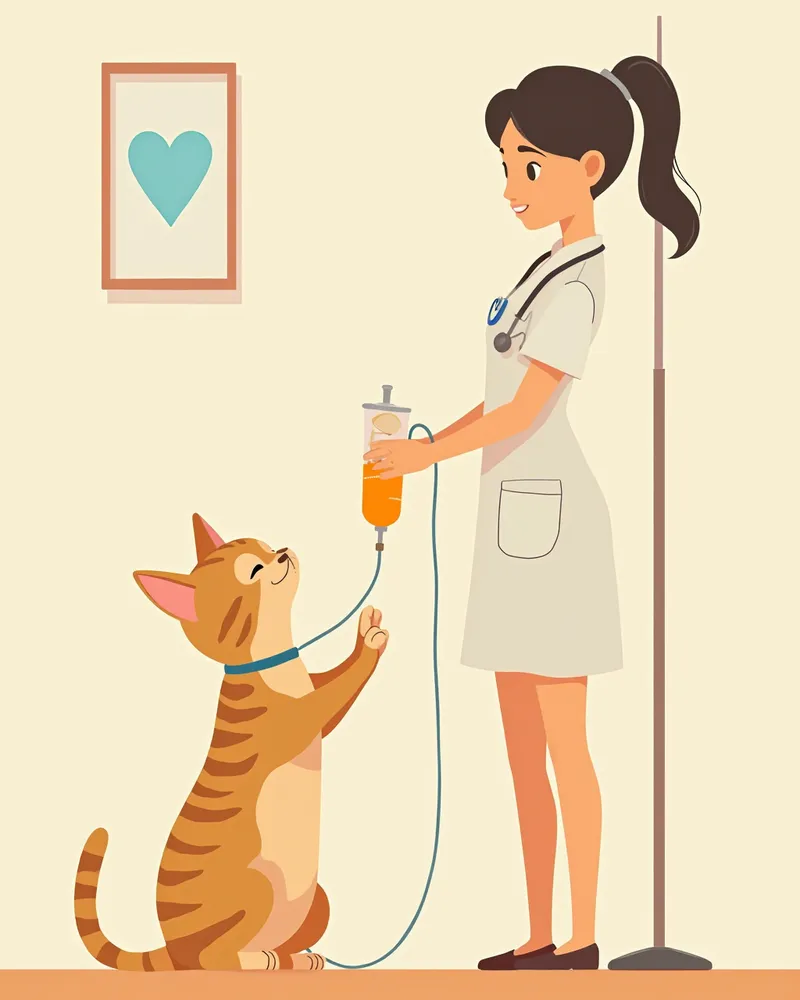
How Do Veterinarians Diagnose and Treat It?
Prevention — 4 Essential Rules to Follow at Home
Post-Recovery — Managing Aftereffects Is Necessary
Even if your pet successfully recovers from methemoglobinemia, liver damage can continue to progress over several weeks. After discharge, it is common to monitor liver enzyme levels every one to two weeks and continue administering hepatoprotective agents such as SAMe and silymarin. Please check your pet’s appetite, activity level, urine color, and gum color daily.
Reviewed by a veterinarian

Dr. Tony — Punnawat Phongkittirak
VeterinarianA veterinarian who majored in veterinary medicine at Khon Kaen University, Thailand, and completed the IVSA program at North Carolina State University in the United States. Drawing on clinical experience at animal hospitals, he works in the pet healthcare field and is dedicated to building a digital care environment that connects pet parents with veterinarians.
Reviewed 2026-05-05
Frequently Asked Questions
Is it safe to give my pet children’s Tylenol syrup?
My cat seems to have only licked the pill without swallowing it. Should I take them to the vet?
Can I give my cat pain medication meant for dogs?
I have N-acetylcysteine at home. Can I give it to my pet?
How much will the treatment cost?
Share
Related Guides

Top 5 Emergency Poisoning Kits for Dogs Recommended by Veterinarians
7 Emergency Checklist Items for Cat Poisoning — Signs to Check Immediately After Exposure
How is kidney stone surgery (pyelolithotomy) performed?

Splenectomy Procedure and Care

Dog Gum Surgery: Differences Between Incision and Reconstruction — Types and Selection Criteria

When and how should cleft palate surgery be performed?

The Ultimate Guide to Cataract Surgery and Recovery in Dogs
Step-by-Step Guide to Pyometra Surgery in Dogs
Dog Patellar Surgery: What Are the Options? — Differences Between TTT and Trochleoplasty

TPLO vs TTA Cruciate Ligament Surgery Comparison
References
[1] Blackwell's Five-Minute Veterinary Consult Clinical Companion, Small Animal Toxicology, 3rd Edition (Acetaminophen chapter)
[2] Small Animal Critical Care Medicine, 3rd Ed (Dyshemoglobinemias, Chapter 107)
[3] McConkey SE, Grant DM, Cribb AE. The role of para-aminophenol in acetaminophen-induced methemoglobinemia in dogs and cats. J Vet Pharmacol Ther 2009;32(6):585–590.
[4] Bischoff K. Toxicity of over-the-counter drugs. In: Gupta RC (ed.) Veterinary Toxicology, 3rd edn. San Diego: Academic Press Elsevier, 2018.