

Frequently Asked Questions on Early Detection of Health Issues in Cats — Key Points for Pet Owners
To detect health issues in cats at an early stage, daily observation habits are key. Here’s a summary of the essential signs and responses that pet owners should know.
Daily Observation Is Key to Early Detection of Health Issues in Cats

Why Is Early Detection of Health Issues in Cats Important?
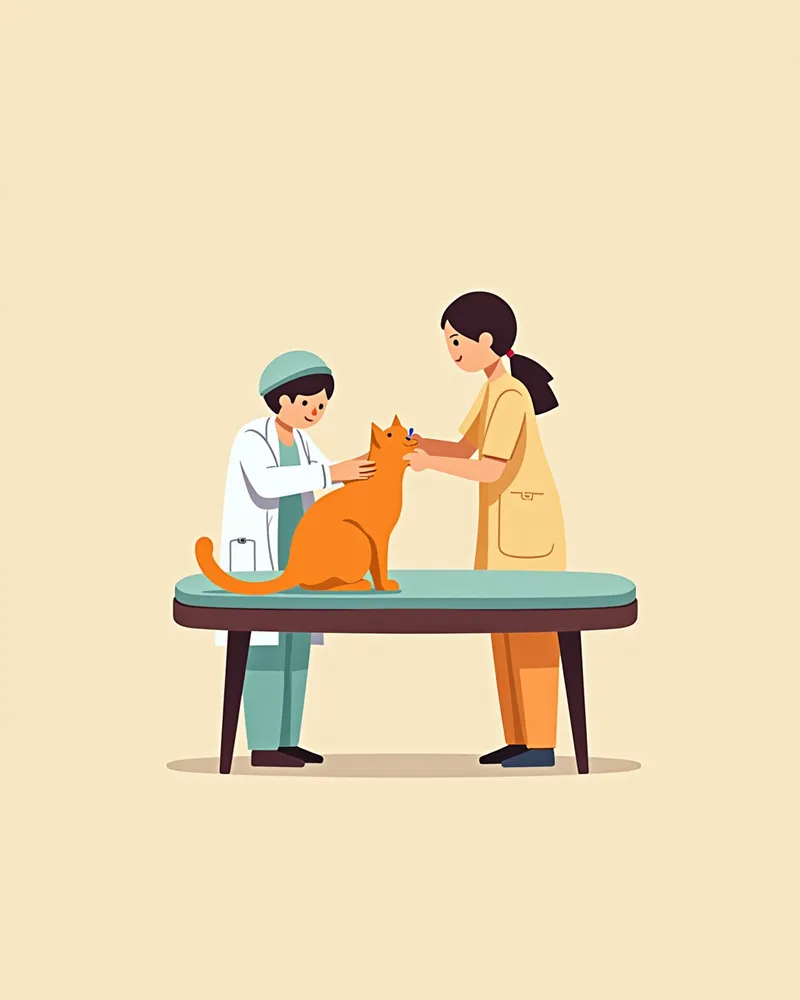
Key Checkpoints for Early Detection of Health Issues in Cats

Step-by-Step Signal Comparison for Early Detection of Health Issues in Cats
| Item | Mild | Moderate | Severe |
|---|---|---|---|
| Appetite | Slightly decreased | Eats almost nothing | Eats nothing at all |
| Activity Level | Tends to sleep more | Movement noticeably decreased | Barely moves |
| Defecation Frequency | Uses places other than the litter box | Stays in the litter box for a long time | No defecation for over 24 hours |
| Respiratory Status | Breathing similar to usual | Breathing becomes rapid | Panting and difficulty breathing |
This table helps you understand the stages of early detection of health problems in cats. Recognize the changes from mild to severe.
Daily Observation Tips for Early Detection of Health Issues in Cats

Signs Requiring Immediate Veterinary Visit
If your cat shows any of the following signs, please visit a veterinary clinic within 24 hours, as it could be an emergency. Immediate treatment is especially necessary if your cat is experiencing severe pain or difficulty breathing.
How to Respond for Early Detection of Health Issues in Cats

Additional Tips for Early Detection of Health Issues in Cats
Reviewed by a veterinarian

Dr. Tony — Punnawat Phongkittirak
VeterinarianA veterinarian who majored in veterinary medicine at Khon Kaen University, Thailand, and completed the IVSA program at North Carolina State University in the United States. Drawing on clinical experience at animal hospitals, he works in the pet healthcare field and is dedicated to building a digital care environment that connects pet parents with veterinarians.
Reviewed 2026-06-29
Frequently Asked Questions
My cat suddenly sat down and won’t move. Should I take it to the vet?
Is it normal for a cat to drink a lot of water?
My cat keeps going to the litter box but doesn’t seem to be passing stool. Why is this happening?
My cat licks its fur excessively. Is this abnormal?
Which app would you recommend for early detection of health issues in cats?
Share
Related Guides

The Best Dog Ear Cleaning Methods, Care Tips, and Selection Criteria

Top Recommendations and Selection Criteria for Cat FIV and FeLV Testing

The Best Tips for Optimal Timing and Selection Criteria for Dog Neutering

Will My Dog’s Bleeding Not Stop If Their Liver Is Bad? — Q&A on Coagulation Abnormality and Bleeding Signs

What is Canine Cirrhosis and Hepatic Fibrosis? — Can It Be Reversed? Key Progression and Management

What Is a Liver Abscess in Dogs? — Key Q&A on Symptoms to Treatment

What is Canine Gallbladder Mucocele? — Symptoms, Diagnosis, and Cholecystectomy

Is the Medicine My Dog Ate Safe for the Liver? — Symptoms and Emergency Response for Drug-Induced Liver Injury

What is Copper-Associated Hepatitis in Dogs? — Causes of Elevated Liver Enzymes and When to Visit the Vet

What if my dog’s liver values remain consistently high? — Key Q&A on the causes and management of chronic hepatitis
References
[1] Vogt AH, Rodan I, Brown M, et al. (2010). AAFP-AAHA: feline life stage guidelines. J Am Anim Hosp Assoc, 46(1):70-85.
[2] Veterinary Guide to Preventing Behavior Problems in Dogs and Cats (2023). Chapter 3: Early Detection and Prevention.
[3] Feline Emergency and Critical Care Medicine, 2nd Ed. (2008). Stockham SL, Scott MA. Ames, Iowa: Blackwell Pub.