Like
Share
멍실장
고양이 건식 vs 습식 vs 생식 선택 자주 묻는 질문 Q&A — 보호자가 꼭 알아야 할 핵심

Frequently Asked Questions on Choosing Dry, Wet, and Raw Cat Food — Key Points Every Pet Owner Should Know

Lifestyle & Age CareQ&AMeongsiljang Veterinary Advisory Board

Choosing between dry, wet, and raw cat food can significantly impact your cat’s health. We’ve compiled the essential questions every pet owner should ask, along with evidence-based answers from veterinarians.

Which type of cat food is best: dry, wet, or raw?
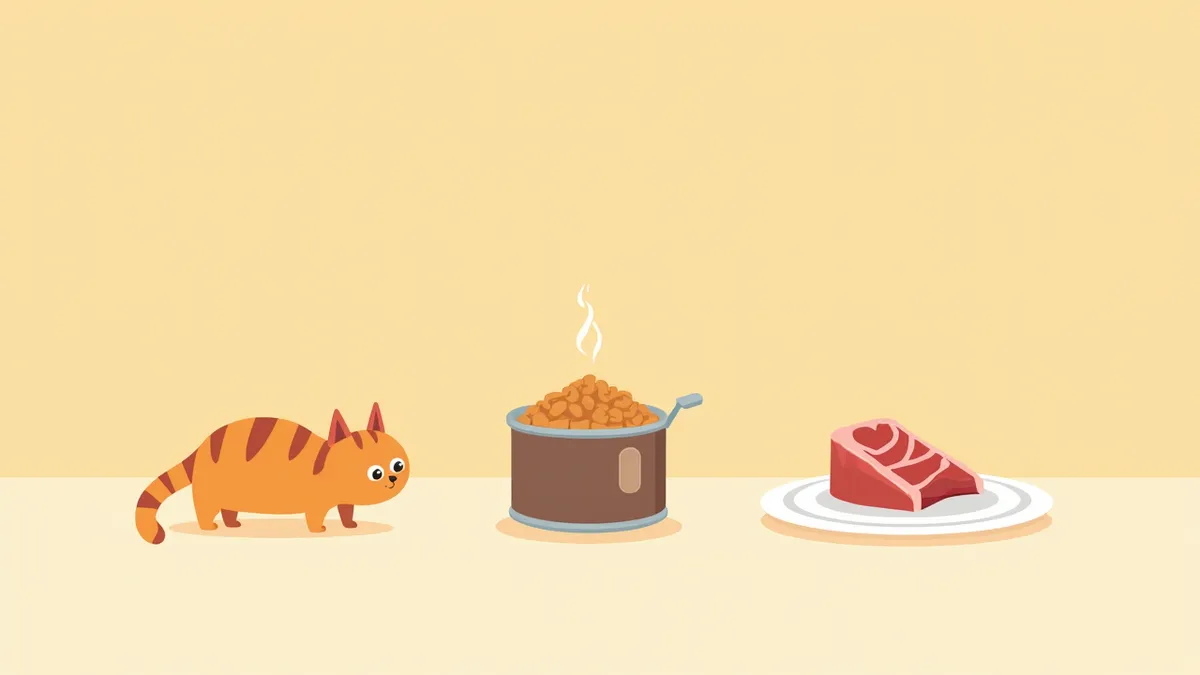
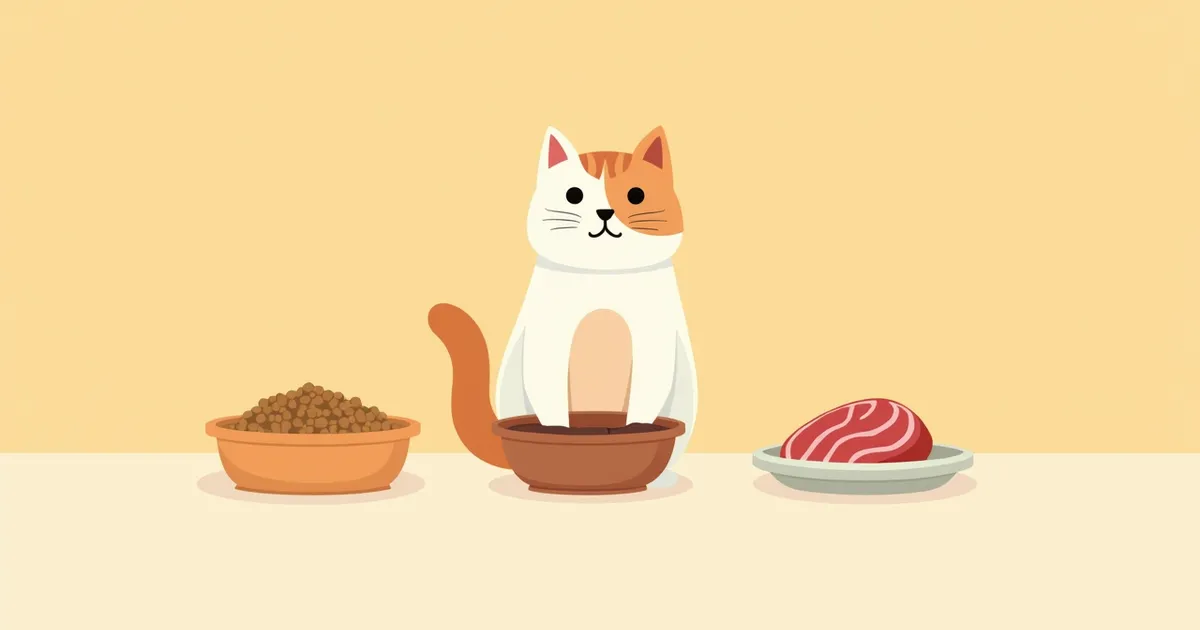
An image showing a cat looking at dry, wet, and raw food.
Choosing the right cat food is an important decision that can impact your cat’s health. Dry food is convenient to store and serve, tends to be more affordable, and some formulas may support dental hygiene. Wet food has a higher moisture content, and studies have shown that cats fed canned food often drink more water and have lower urine specific gravity. However, whether dry or wet food is better remains a topic of debate among experts. Raw food diets may appear closer to a cat’s natural instincts, but even commercial raw products do not always guarantee nutritional balance, and strict hygiene practices are essential. Adequate hydration is crucial for supporting renal blood flow and perfusion, so when selecting a diet, consider both moisture intake and nutritional balance, and consult your veterinarian if needed.

Why might dry food be unsuitable for cats?

Dry cat food tends to have a low moisture content. Since cats are generally prone to drinking less water, studies have reported that cats fed wet food consume more water and exhibit lower urine specific gravity. As a result, some pet owners prefer a diet primarily consisting of wet food to help ensure adequate hydration. However, experts continue to debate whether dry or wet food is superior. Dry food manufactured to meet AAFCO nutritional standards is a complete and balanced diet suitable as a staple meal. Additionally, some dry foods are noted for offering benefits to dental hygiene. Therefore, rather than automatically excluding dry food, it is best to choose based on your cat’s hydration status, age, and health condition, and to consult with a veterinarian if needed.
An enlarged image showing the ingredients of dry pet food

Why is wet food considered better for cats?

Wet food contains significantly more moisture than dry food. Studies have shown that cats fed canned food tend to drink more water and exhibit lower urine specific gravity (USG). Adequate hydration is crucial for supporting blood flow and perfusion to the kidneys. However, it is important to note that the exact mechanisms behind these beneficial effects are not yet fully understood, so we cannot definitively claim that wet food directly prevents urinary or kidney diseases. Therefore, while wet food can be a helpful option for cats who need to increase their water intake, the best choice between dry and wet food should be determined in consultation with your veterinarian, based on your cat’s individual health status.
A cat eating wet food and drinking water together.

Is a raw diet truly a natural diet for cats?
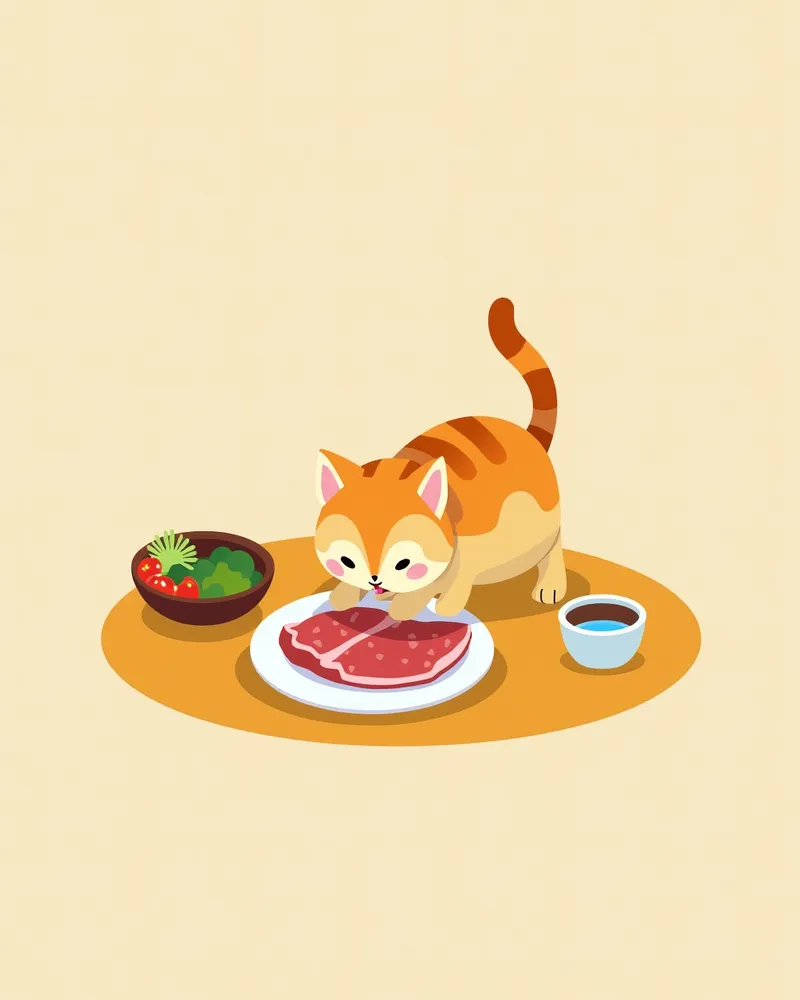
Raw diets may appear to align closely with a cat’s natural eating habits. As obligate carnivores, cats may instinctively seem suited to a raw meat diet. However, nutritional balance is not always guaranteed, whether in homemade meals or commercial raw products that have not undergone heating or sterilization processes. In fact, homemade diets have been reported to fall short of AAFCO-recommended levels for calcium-to-phosphorus ratios, vitamins, and minerals. Additionally, raw diets can be contaminated with pathogens such as Salmonella or Campylobacter. Therefore, if you are considering a raw diet, ensure the product is professionally formulated. If preparing meals at home, it is safest to follow the guidance of a veterinarian or a pet nutrition specialist and undergo regular check-ups.
A cat eating raw meat

Comparison of Cat Food Types: Dry vs. Wet vs. Raw

ItemDry FoodWet FoodRaw Food
Moisture Content10–12%70–80%60–75%
Potential for Nutritional BalanceHigh (by AAFCO complete-diet standard)High (by AAFCO complete-diet standard)Moderate to Low
Hygiene RiskLowLowHigh
Ease of StorageVery EasyModerateVery Difficult
CostInexpensiveHigh cost per calorieHigh

Both dry and wet food can serve as a staple diet if they are AAFCO complete and balanced, and which of the two is better is still debated. For raw food, carefully consider only professional products due to nutritional balance and hygiene risks, and consult a veterinarian.

What key points must be checked when feeding raw food to cats?
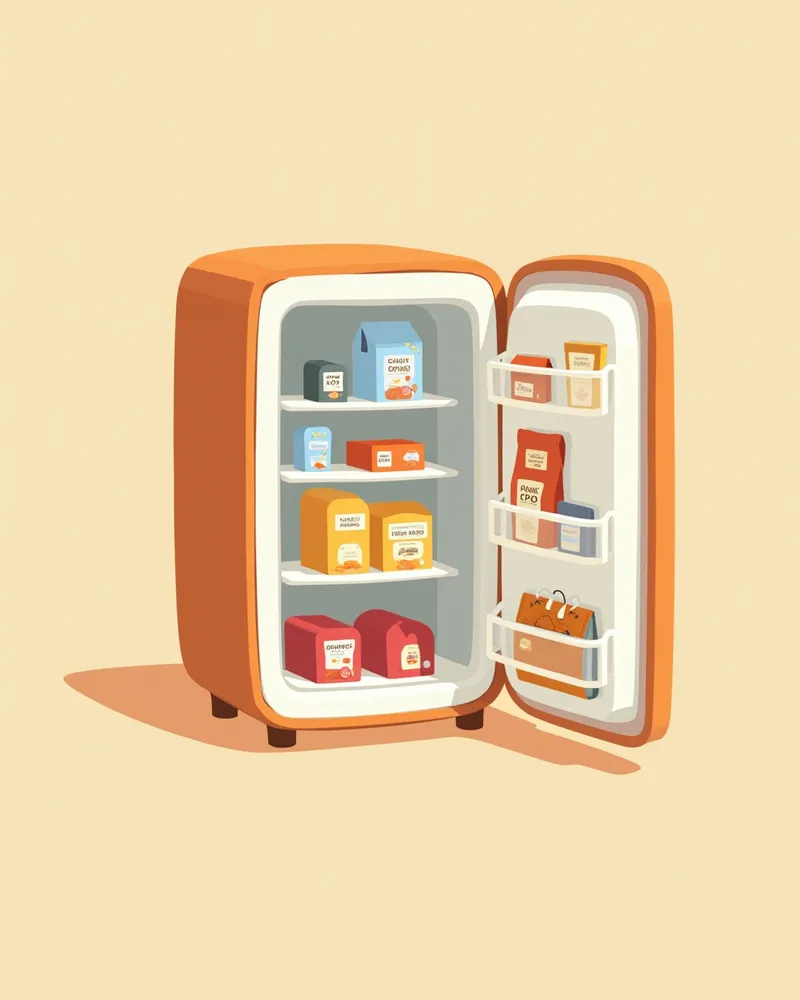
When considering raw food diets, it’s essential to ensure that the product has been professionally developed. - Meets AAFCO standards: Always verify that the product guarantees a balanced nutritional profile. - Strict hygiene management: Confirm that the product is manufactured under conditions that prevent contamination by pathogens. - Refrigeration required: The food should be consumed within 2–3 days after opening. - Gradual introduction: For safety, consult with your veterinarian and introduce the diet slowly. - Prevent nutritional imbalances: Feeding raw food exclusively can lead to nutrient deficiencies. Always seek professional advice before using it.
Raw food packages stored in the refrigerator

Raw food can also pose risks to family health

Raw pet food can be contaminated with pathogens such as Salmonella and Campylobacter. In fact, studies examining commercially available raw pet food products have found that a significant number tested positive for Campylobacter. These pathogens can be transmitted to people when handling the food or cleaning up after your cat. Extra caution is especially important for children, the elderly, and individuals with weakened immune systems. If you choose to feed raw food, always wash your hands thoroughly and diligently clean your cat’s food bowls and living environment.

5 Key Points Pet Owners Must Check When Choosing Cat Food

When choosing cat food, be sure to check the following key points:
Age and health status: Kittens, senior cats, and cats with chronic conditions have different nutritional needs.
Hydration: Wet food is the most effective way to ensure adequate water intake.
Ingredient list: Look for clearly identified protein sources and avoid products containing artificial flavors, colors, or preservatives.
Manufacturer credibility: Verify that the product is AAFCO-certified and has been reviewed by veterinary institutions.
Monitor your cat’s response: Regularly check stool quality, coat condition, and activity levels.
Checklist for Choosing Cat Food Image

Reviewed by a veterinarian

Dr. Tony — Punnawat Phongkittirak

Dr. Tony — Punnawat Phongkittirak

Veterinarian

A veterinarian who majored in veterinary medicine at Khon Kaen University, Thailand, and completed the IVSA program at North Carolina State University in the United States. Drawing on clinical experience at animal hospitals, he works in the pet healthcare field and is dedicated to building a digital care environment that connects pet parents with veterinarians.

Frequently Asked Questions

Is it okay to feed my cat only dry food?
Feeding only dry food isn't necessarily bad. However, cats tend to drink less water, making it easy for them to become dehydrated. Studies have shown that cats eating canned food increase their water intake, so if hydration is a concern, incorporating wet food can be helpful. There's still debate about whether dry or wet food is better, so consult with your veterinarian.
Why is wet food more expensive?
Wet food has a high moisture content, which means it tends to be more expensive per calorie. Additionally, storage and distribution costs are higher.
Can I make raw pet food at home?
Home-cooked diets can lead to nutritional imbalances and carry the risk of pathogen contamination. If you choose to prepare meals at home, it is essential to do so under the guidance of a veterinary nutritionist and with regular check-ups. Whenever possible, prioritize professionally formulated products and consult with your veterinarian.
My cat won’t eat wet food. What should I do?
Try varying the wet food’s flavor, texture, and temperature. You can refrigerate it and then let it come to room temperature before serving, or mix a small amount with a food your cat enjoys. If there’s no improvement, consult your veterinarian.
Does feeding raw cat food make cats healthier?
Raw diets may appear natural, but they do not always guarantee a balanced nutrient profile and can actually be harmful to your pet’s health. Carefully consider only professionally formulated products and consult with your veterinarian.

Share

Related Guides

References

[1] Freeman LM, Chandler ML, Hamper BA et al. (2013) Current knowledge about the risks and benefits of raw meat-based diets in dogs and cats. Journal of the American Veterinary Medical Association, 243(1), 58-65.

[2] Morelli G, Catellani P, Miotti Scapin R et al. (2020) Evaluation of microbial contamination and effects of storage in raw meat-based dog foods purchased online. Journal of Animal Physiology and Animal Nutrition, 104(4), 690-697.

[3] The Dog Care Handbook, Things I Wish My Vet Had Told Me (2024). Chapter 5: Raw Food Diets and Their Risks.

This information is based on veterinary literature and does not replace diagnosis or treatment. Please consult a veterinarian for specific health concerns.

Metapet Co., Ltd. | CEO: Park Sung-yong | Business Reg. No. 417-88-02562 | Seoul, South Korea | Customer Center

Cat Food Guide: Dry vs. Wet vs. Raw – 5 Key Questions Answered | Meongsiljang