Like
Share
멍실장
고양이 동물병원 공포 자주 묻는 질문 Q&A — 보호자가 꼭 알아야 할 핵심

My Cat Panics at the Vet — How to Reduce Veterinary Fear

Brain & CognitionQ&AMeongsiljang Veterinary Advisory Board

We’ve compiled a Q&A on why cats are so terrified of veterinary visits and practical steps owners can take to ease their fear. Learn step-by-step strategies, from pre-visit preparations and in-clinic handling to long-term desensitization training.

Why Cats Are Afraid of the Veterinary Hospital
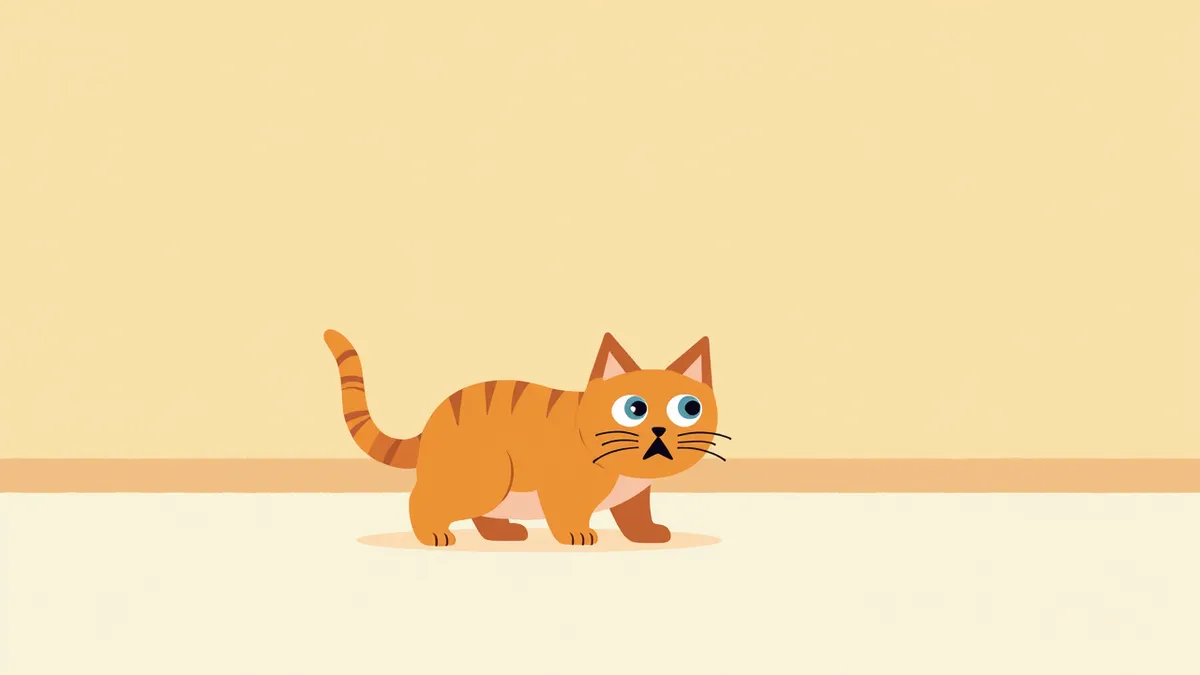
A cat cowering in fear in the examination room
Feline veterinary hospital anxiety is a behavioral issue triggered by the combined effect of unfamiliar environments, strange smells, noises from other animals, and unfamiliar people, leading to intense fear and stress responses. According to veterinary behavior studies, only about 20% of cats remain calm upon entering the examination room, and this figure drops to 15% once they are placed on the examination table. The key takeaway is that the earlier this fear is recognized and addressed proactively, the more effectively its worsening can be prevented. By learning to read early warning signs and preparing accordingly, even routine visits can become much more comfortable for your cat. There are clear, practical steps you can start implementing right away.

Fear, Anxiety, and Stress — How Do They Differ?

In veterinary behavior, we distinguish between these three concepts.
Fear: An immediate emotional response to a direct threat, such as a stranger or medical equipment.
Anxiety: An anticipatory response to the expectation that something unpleasant is about to happen. This can begin the moment a carrier is taken out.
Stress: The body’s physiological reaction to fear and anxiety, characterized by increased heart and respiratory rates.
Because these three factors often occur simultaneously, a visit to the veterinary clinic can be one of the most extreme experiences for a cat.

5 Signs Your Cat Is Scared

Dilated pupils: The eyes remain wide open even in bright light.
Flattened ears: The ears are pressed sideways or backward and appear droopy.
Panting or open-mouth breathing: Cats do not breathe through their mouths unless they have a fever.
Attempts to escape the carrier: They may scratch so intensely that their claws break.
Accidental urination or defecation: This is a physiological response triggered by extreme stress.
If two or more of these signs occur together, the cat is in a state of severe terror. Forcibly removing or handling the cat will only worsen the situation.
A frightened cat with dilated pupils and flattened ears

Alert Veterinary Staff Immediately If You See These Symptoms

If your pet is breathing through its mouth continuously, its gums turn pale or blue, or it collapses in its cage, it may not just be a stress response. These could be signs of a cardiovascular issue or a hyperventilation episode, so please alert the veterinarian or veterinary nurse in the waiting area immediately.

Pre-Visit Preparation — How to Reduce Carrier Aversion
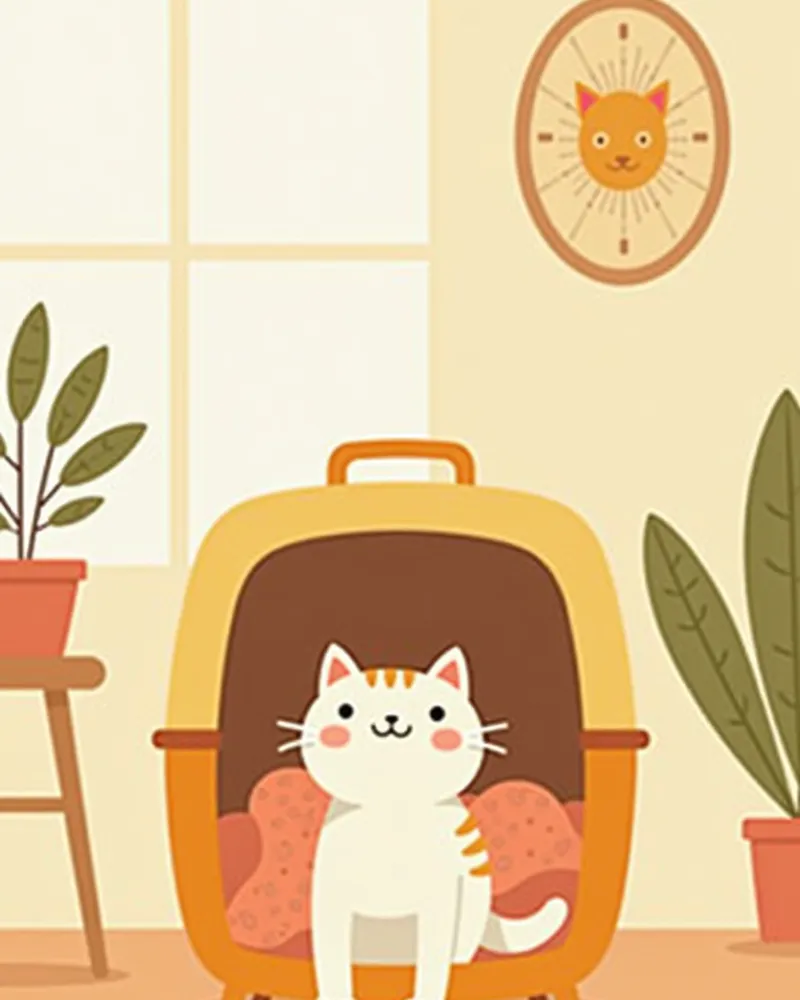
A significant portion of a cat’s fear of the vet begins the moment you take out the carrier. To help your cat view the carrier as a safe haven, leave it open in the living room with their favorite blanket or bedding, and place treats or beloved toys inside. You can also remove the top and door for a few days, leaving just the base so your cat can enter and rest more comfortably. If your cat already has negative associations with the carrier, desensitization and counterconditioning training can gradually shift those negative emotional responses into positive ones. Building these positive associations in advance is key to reducing anxiety on the day of the visit.
A cat that willingly enters its own carrier

At the Hospital — Practical Tips to Reduce Examination Room Fear

In the waiting room, placing the carrier directly on the floor transmits vibrations from people walking by. To help your cat feel more secure, place the carrier on a chair or cover it with a blanket to block visual stimuli. During the examination, it is more effective for the veterinarian to work with only the top of the carrier open, without removing the cat entirely. If you let us know in advance when booking that your cat is extremely afraid of the clinic, the veterinarian can adjust the pace and approach of the examination accordingly.

Preventive Visits — Why Go to the Hospital Without Treatment

For cats already experiencing severe fear, "preventive visits without treatment" can be highly effective. The idea is to take your cat to the clinic just to receive treats and then leave. Over time, this helps retrain your cat to see the veterinary clinic not as a place where bad things happen, but as a place where they get treats, which can reduce fear responses in the long run. Since your regular clinic may require advance reservations, it's best to call ahead and confirm.

Travel Anxiety — Step-by-Step Desensitization Training for Car Rides

Fear of the vet is often actually a fear of car rides. Once your pet is comfortable in their carrier, practice short trips by driving around the parking lot for three minutes and then returning home. Gradually increasing the distance through desensitization training is effective. Offering favorite treats in the car can create positive associations. For severe cases, consult your veterinarian about short-term anti-anxiety medication.
A cat resting comfortably in a carrier inside the car

Reviewed by a veterinarian

Dr. Tony — Punnawat Phongkittirak

Dr. Tony — Punnawat Phongkittirak

Veterinarian

A veterinarian who majored in veterinary medicine at Khon Kaen University, Thailand, and completed the IVSA program at North Carolina State University in the United States. Drawing on clinical experience at animal hospitals, he works in the pet healthcare field and is dedicated to building a digital care environment that connects pet parents with veterinarians.

Frequently Asked Questions

Is it normal for my cat to hide for several days after a vet visit?
It’s not uncommon for a stressed cat to hide for a while. Withdrawing, hiding, or changes in appetite and grooming are common signs that a cat is under stress. Let them be alone in a quiet, familiar space, and it’s okay not to force them out or pet them. However, if they continue to refuse food or stay hidden even after sufficient time has passed, contact your veterinarian.
Can I reduce my pet’s fear of the vet without using sedatives?
Yes, it’s possible. Combining carrier acclimation, preventive veterinary visits, and desensitization training has led to improvement without sedatives in many cases of mild to moderate fear. However, if the fear is so severe that medical care becomes impossible, discussing short-term anti-anxiety medication with your veterinarian may actually be better for your cat.
Are cat-only veterinary clinics better than general ones?
Cats are highly sensitive to stress from other animals’ sounds and smells, as well as unfamiliar people and environments. Therefore, clinics that separate dogs and cats in waiting areas or operate in a cat-friendly manner can provide a calmer, more comfortable experience. If such a clinic is nearby, consider it first. If not, request a “cat-only appointment slot” or a quiet waiting area when booking.
Is the home-visit service better than going to the clinic?
For some cats, house calls significantly reduce stress. This option is especially helpful for cats with severe travel anxiety or those living in multi-cat households. However, because precise diagnostic equipment like X-ray and ultrasound machines isn’t available on-site, visits are often limited to basic health checks and prescription services.
Can positive experiences during puppyhood have lifelong benefits?
Positive experiences during kittenhood can make a big difference. If young cats are exposed to various environments and people in a positive way, it can help reduce their fear of the vet as adults. For adult cats, regular preventive visits, carrier training, and consistent desensitization and counterconditioning can help retrain their emotional responses.

Share

Related Guides

References

[1] Mariti C et al., Perception of pain and awareness of being observed affect the behaviour of cats during a veterinary examination, Journal of Feline Medicine and Surgery, 2016

[2] Lloyd JKF, Minimising Stress for Patients in the Veterinary Hospital: Why It Is Important and What Can Be Done about It, Veterinary Sciences, 2017

[3] Radosta L, Veterinary Guide to Preventing Behavior Problems in Dogs and Cats, Chapter 11: Prevention and the Veterinary Hospital, Wiley-Blackwell, 2023

This information is based on veterinary literature and does not replace diagnosis or treatment. Please consult a veterinarian for specific health concerns.

Metapet Co., Ltd. | CEO: Park Sung-yong | Business Reg. No. 417-88-02562 | Seoul, South Korea | Customer Center

Why Does My Cat Hate the Vet? How to Reduce Veterinary Anxiety | Meongsiljang