Like
Share
멍실장
강아지 아이 출생 후 반려동물 행동 변화 자주 묻는 질문 Q&A — 보호자가 꼭 알아야 할 핵심

My Dog Changed After the Baby Was Born — Is This Normal?

Brain & CognitionQ&AMeongsiljang Veterinary Advisory Board

We’ve compiled a Q&A guide explaining the causes of jealousy, anxiety, and regression in dogs after a baby is born, along with step-by-step adaptation management strategies for the pre- and postpartum periods.

Why Do Dogs’ Behaviors Change After a Baby Is Born?
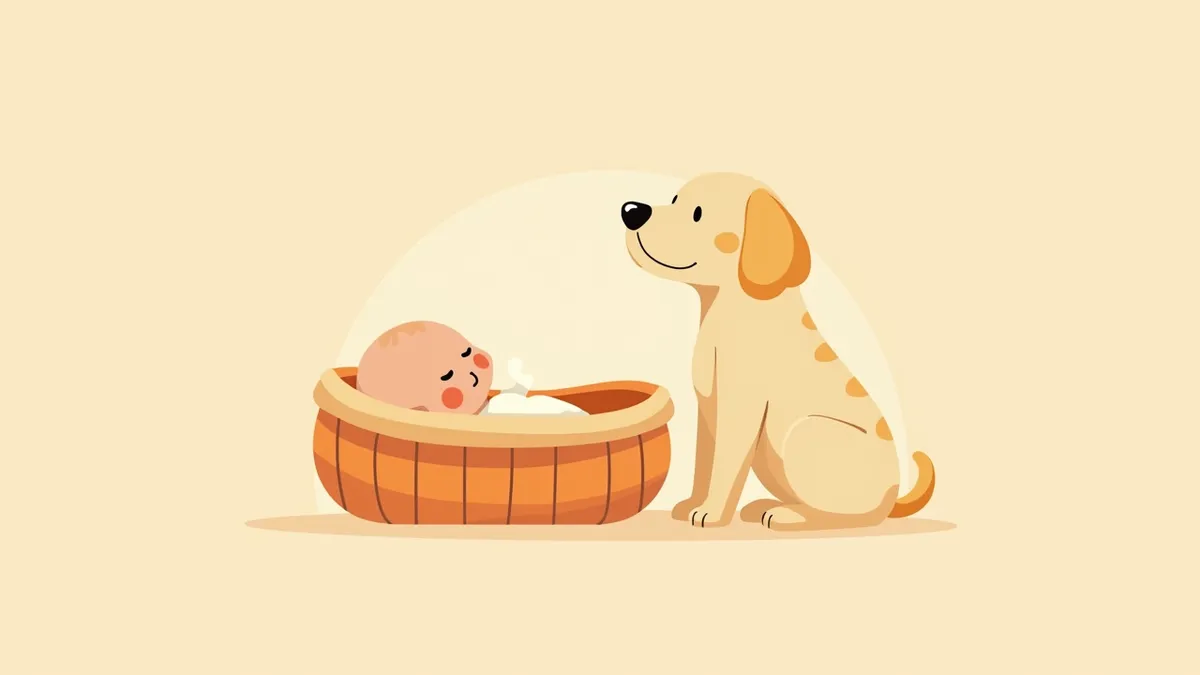
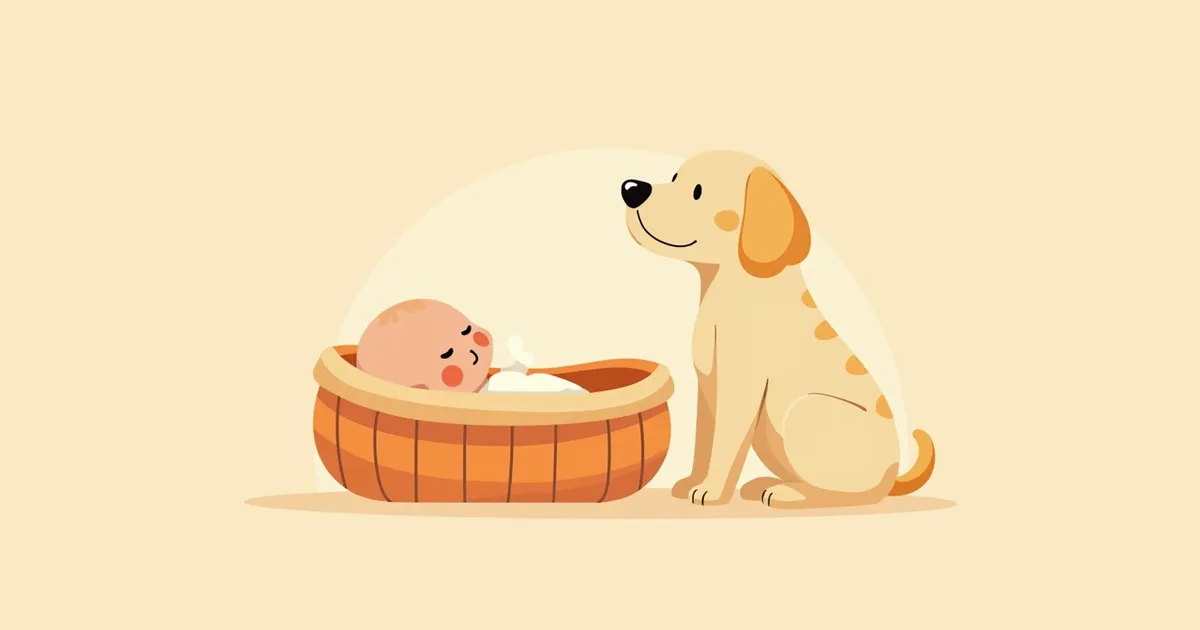
A puppy gazing at a newborn baby beside the crib
Behavioral changes in dogs after the birth of a newborn are a natural response as they adapt to the disruption of their daily routine and the decrease in attention due to the arrival of a new family member. Dogs may feel anxious in unfamiliar or unpredictable situations, which can manifest as signals such as loss of appetite or trembling. What truly matters is starting preparations well before the birth. Gradually familiarize your dog with the baby’s scent, sounds, and space, slowly increasing the intensity of exposure until these stimuli no longer trigger fear or anxiety. Since each dog adapts at their own pace, it’s better to proceed based on their reactions rather than adhering to a fixed timeline. Because divided attention and disrupted routines can heighten a dog’s anxiety, the key is to maintain consistency in walk, meal, and play times as much as possible.

3 Key Causes of Behavioral Changes in Dogs

First, there’s the disruption of routine. When walks, feeding times, and sleep schedules become irregular, your dog finds itself in an unfamiliar and unpredictable environment. Second, there’s reduced attention. As your focus shifts to the baby, your dog may develop attachment anxiety due to the change in your usual interaction. Third, there’s sensory overload from new stimuli. The sudden influx of unfamiliar sounds like the baby’s cries, new smells such as formula and diapers, and an increase in visitors can easily trigger anxiety and stress in your dog. The more these unsettling or unstable situations overlap, the more pronounced the behavioral changes may become. Therefore, it’s best to start preparing before the birth by gradually exposing your dog to each of these stimuli one at a time.

5 Common Behavioral Changes in Dogs After the Birth of a Baby
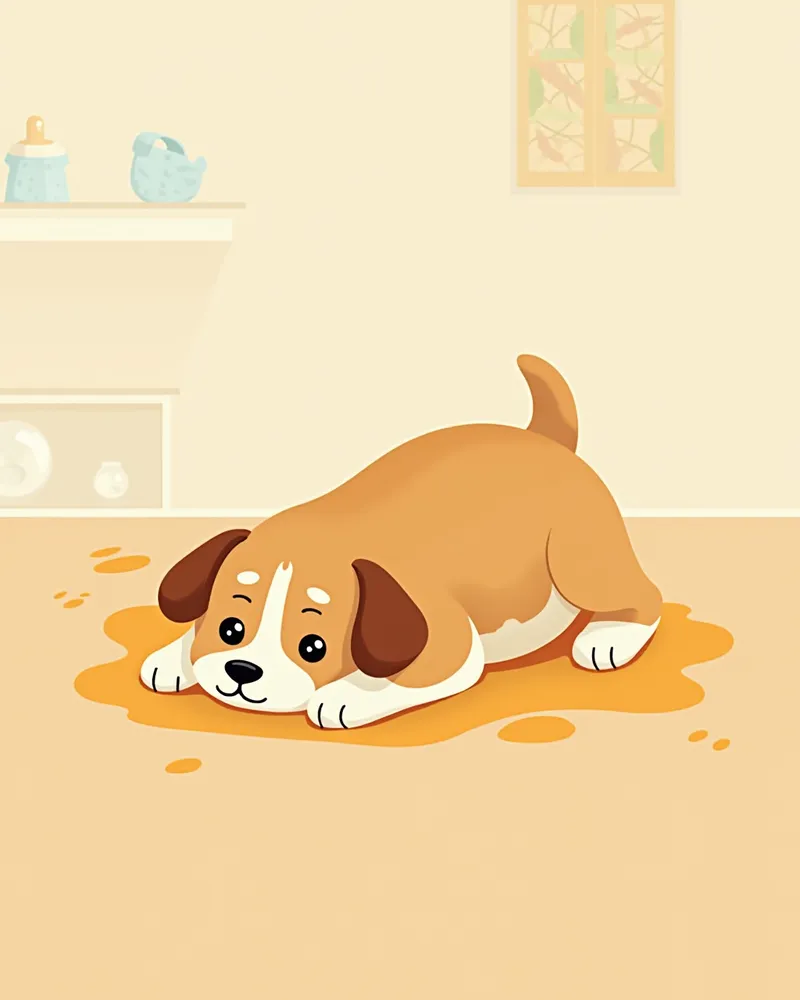
Jealousy and attention-seeking: Your pet may try to wedge themselves between you and the baby, or place their paw on you more frequently than usual.
Anxiety and withdrawal: They may hide from the baby’s cries, show a decreased appetite, or appear lethargic.
Regression in behavior: Previously established house-training may break down, or destructive chewing may reappear.
Overprotective responses: Your pet may guard the baby excessively or become wary when others approach.
Changes in sleep and eating patterns: Disruptions to their routine may lead to changes in sleeping locations or food intake.
A puppy that appears anxious around baby items

Things to Do in Advance 2–4 Weeks Before Birth to Help Your Dog Adjust
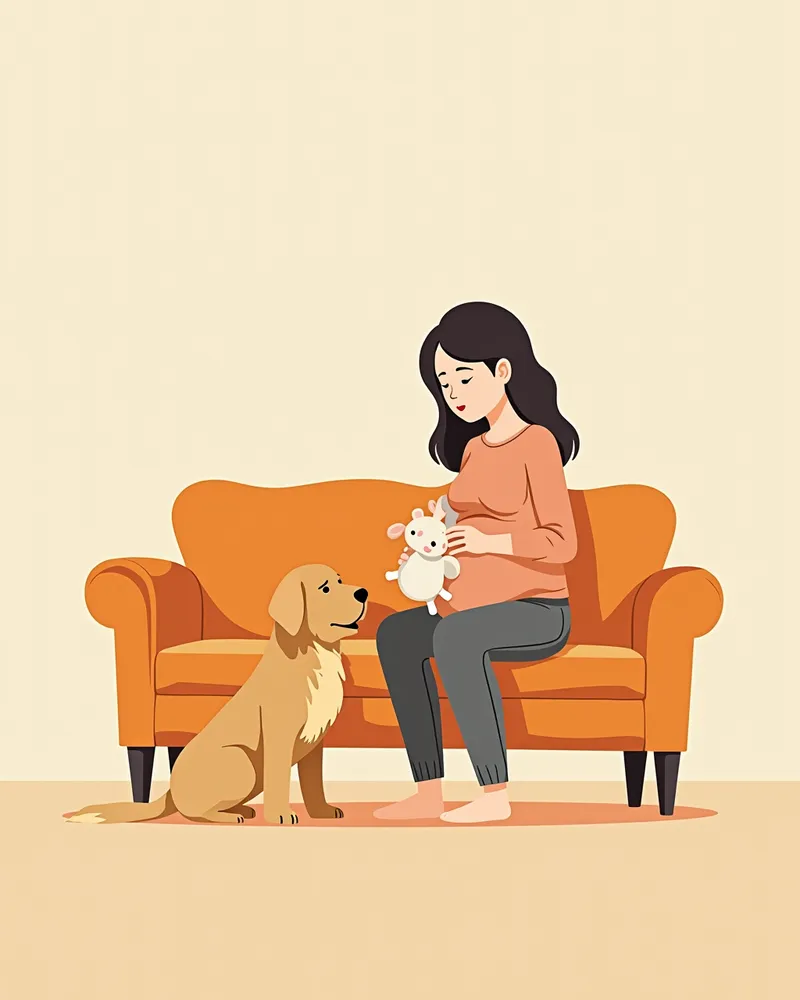
Preparing before the birth is more than half the battle in helping your dog adjust. • Set clear rules for entering and exiting the baby’s room and practice them consistently. • Let your dog sniff items that carry the scent of baby lotion and diapers beforehand. • Play recordings of a baby crying at a low volume, pairing the sound with treats and praise to create positive associations. • Start adjusting your dog’s walk and feeding schedules two weeks before the baby’s arrival to match your expected post-birth routine. • Prepare other family members, besides the primary caregiver, to take part in caring for the dog in advance.
A parent introducing baby items to their dog before the birth

If You See This Behavior, Immediate Consultation with a Veterinary Behavior Specialist Is Needed

If your dog has recently started showing teeth or growling at babies, lunging toward them, or attempting to bite you, seek advice from a veterinary behavior specialist immediately. It is important not to try to handle this on your own, as scolding or physical punishment can actually worsen the aggression.

5 Management Strategies to Stabilize Your Dog’s Behavior After the Baby Arrives
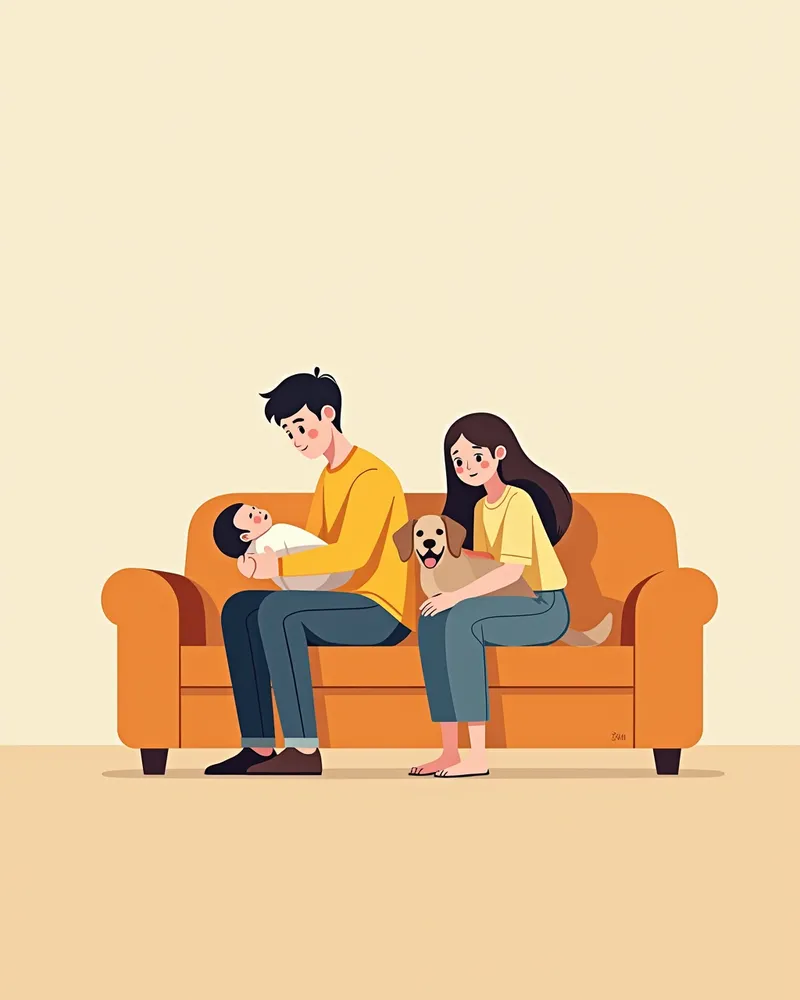
• Make sure to set aside at least 10–15 minutes each day for one-on-one focused time with your dog. • Introduce your dog and baby in a calm, controlled environment. • Consistently reinforce positive associations by rewarding your dog with treats and praise when they are near the baby. • Always keep a safe retreat space, such as a crate or a dedicated mat, available for your dog to rest. • If your dog has accidents or chews on items, restart reward-based training instead of resorting to punishment.
A dog and its family peacefully sharing time with a newborn baby

How Long Should Behavioral Changes Persist Before Going to the Vet?

While every puppy is different, most gradually adjust to their new routine after arriving home. During this adjustment period, mild anxiety or withdrawn behavior can fall within the normal range. However, if decreased appetite, lethargy, or regressive behaviors persist or worsen over time, the issue may be more than simple stress. Sudden behavioral changes or loss of appetite can sometimes mask underlying physical causes such as pain or illness, so it’s important to first rule out medical issues with a veterinary examination. If needed, behavioral assessment and behavioral stabilizing medications can be considered; these maintenance medications typically take about four to six weeks to show their full effect. If your puppy’s condition is deteriorating, seeking care at a veterinary behavior specialty clinic promptly is advisable.

What You Must Never Do When Regressive Behaviors Appear

Yelling at or physically punishing your dog for accidents or destructive behavior only increases their anxiety. Punishment administered while your dog is already stressed can erode their trust in you and potentially lead to aggression. Ignoring your dog or isolating them for long periods can also worsen separation anxiety. Reward-based retraining is the most effective approach.

Reviewed by a veterinarian

Dr. Tony — Punnawat Phongkittirak

Dr. Tony — Punnawat Phongkittirak

Veterinarian

A veterinarian who majored in veterinary medicine at Khon Kaen University, Thailand, and completed the IVSA program at North Carolina State University in the United States. Drawing on clinical experience at animal hospitals, he works in the pet healthcare field and is dedicated to building a digital care environment that connects pet parents with veterinarians.

Frequently Asked Questions

Do dogs really get jealous of babies? Can animals feel jealousy?
In animal behavior, this is explained as "resource competition anxiety" rather than "jealousy." When pets perceive a decrease in their owner's attention and time as a reduction in resources, they exhibit behaviors aimed at reclaiming those resources. Examples include interrupting, placing a paw on you, or following you around.
Is it safe to keep a baby and a puppy in the same room?
It’s essential to never leave a dog and a newborn alone together. Even the gentlest dog can pose a risk when unsupervised with a baby. Start by introducing them at a distance in a controlled setting, and always ensure a caregiver is present, even after trust has been established.
Since having a baby, I haven’t been able to walk my dog as often. What should I do?
When walks become less frequent, pent-up energy can lead to behavioral issues. It’s important to maintain a consistent daily walk schedule, even if the walks are short. If you’re short on time or energy, consider enlisting help from family or friends, or using a professional dog-walking service.
My dog reacts very sensitively to the sound of a baby crying. What can I do about it?
The most effective approach is to play recordings of a baby’s cry at a low volume before the birth, pairing the sound with treats and praise to create positive associations. If the baby has already been born, you can build this association by giving treats whenever you hear crying, reinforcing the idea that “crying equals something good.”
My dog isn’t eating well after giving birth. Should I take her to the vet?
Stress-related temporary loss of appetite often resolves within one to two weeks. However, if your pet refuses food for more than two weeks or shows noticeable weight loss, please visit a veterinary clinic to check for underlying physical causes and assess the level of stress.

Share

Related Guides

References

[1] Horwitz, D.F. & Mills, D.S. (Eds.), BSAVA Manual of Canine and Feline Behavioural Medicine, 2nd ed., BSAVA, 2009

[2] Introduction to Animal Behavior and Veterinary Behavioral Medicine, Wiley-Blackwell, 2022

[3] Nagasawa, M. et al., The behavioral and endocrinological development of stress response in dogs, Developmental Psychobiology, 56, 726–733, 2014

This information is based on veterinary literature and does not replace diagnosis or treatment. Please consult a veterinarian for specific health concerns.

Metapet Co., Ltd. | CEO: Park Sung-yong | Business Reg. No. 417-88-02562 | Seoul, South Korea | Customer Center

My Dog Changed After the Baby Was Born — Is This Normal? | Meongsiljang