

Frequently Asked Questions About Feline Frequent and Urgent Urination — Key Points for Pet Owners
Frequent and urgent urination in cats can be a sign of a serious condition. Here’s a summary of key questions and actions that pet owners should know.
What Is Feline Frequent and Urgent Urination?
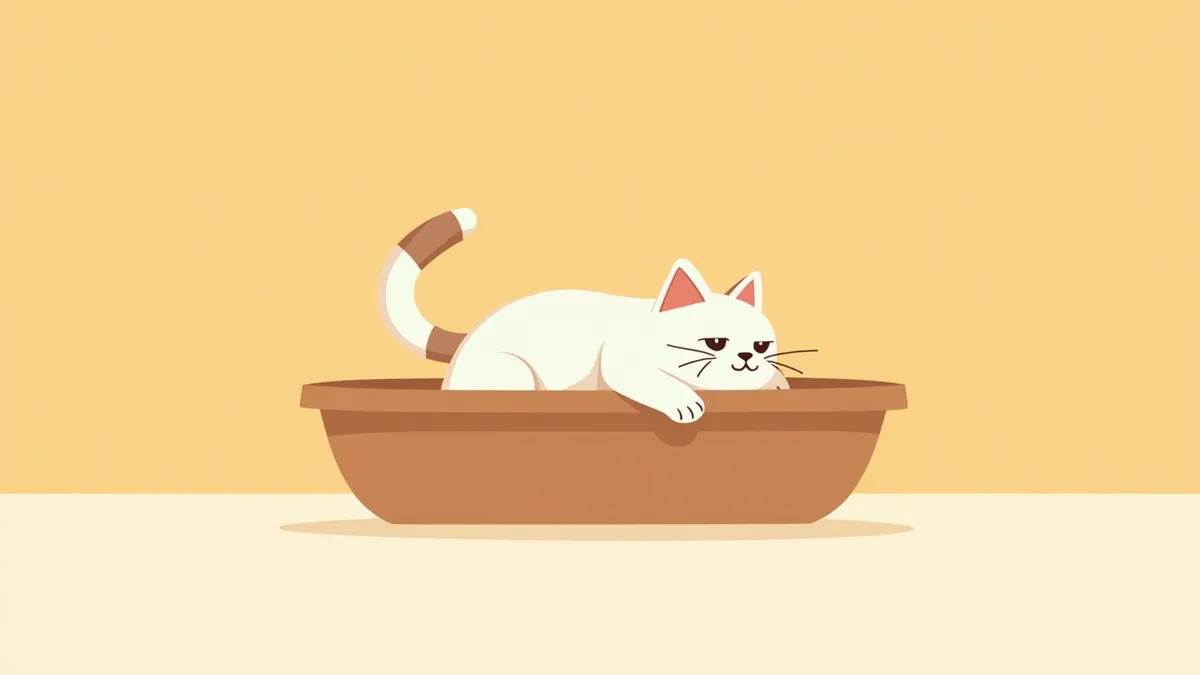
Why Do Cats Experience Frequent and Urgent Urination?

5 Key Signs of Frequent and Urgent Urination
Signs Requiring Immediate Veterinary Care
When a cat attempts to urinate but nothing comes out, it is a life-threatening emergency, especially in male cats who are completely unable to pass urine. In such cases, do not delay; seek veterinary care immediately. A blocked urethra can lead to rapid deterioration of kidney function, and the buildup of potassium in the blood (hyperkalemia) and uremic toxins (uremia) can cause bradycardia and circulatory collapse. The longer the condition goes untreated, the more critical it becomes, so bring your cat to the vet right away if you have any suspicion of this issue.
Diagnosing Feline Frequent and Urgent Urination
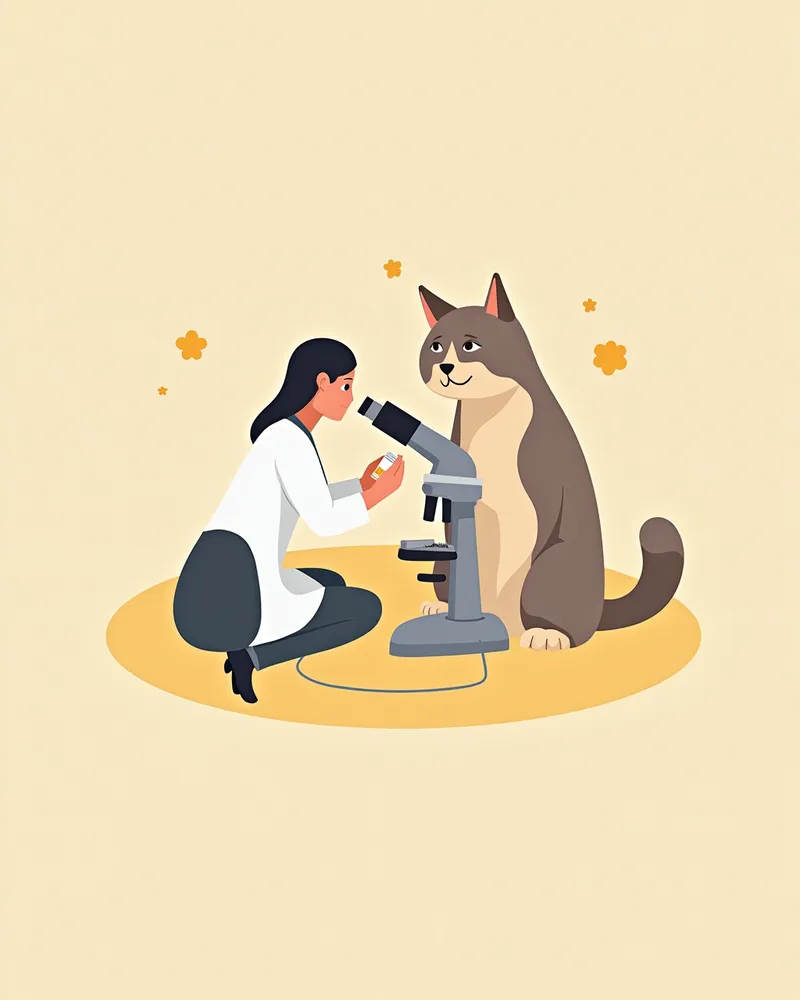
Treatment Options and Management

Home Care Tips
Special Considerations for Male Cats
Male cats have a narrow and elonged urethra, making them highly susceptible to blockages caused by stones, inflammation, or urethral plugs. A blocked urethra is a medical emergency requiring immediate veterinary care. Owners should monitor their male cat’s litter box habits daily and consult a veterinarian right away if they notice any signs of distress or an inability to urinate.
Reviewed by a veterinarian

Dr. Tony — Punnawat Phongkittirak
VeterinarianA veterinarian who majored in veterinary medicine at Khon Kaen University, Thailand, and completed the IVSA program at North Carolina State University in the United States. Drawing on clinical experience at animal hospitals, he works in the pet healthcare field and is dedicated to building a digital care environment that connects pet parents with veterinarians.
Reviewed 2026-06-29
Frequently Asked Questions
My cat keeps going to the litter box, but I don’t see any urine. Should I be concerned?
Why can stress cause frequent urination and urgency?
Can a diet help prevent frequent and urgent urination?
Can urinary frequency and urgency recur in cats after they’ve experienced them?
Will frequent litter box cleaning reduce the frequency and urgency of urination?
Share
Related Guides

Top 5 Prescription Diets for Feline FLUTD — Comparison by Struvite and Calcium Oxalate Stones

Top 7 Prescription Diets for Feline Bladder and Urinary Tract Health Recommended by Veterinarians — Including Selection Criteria

Top 5 Cranberry Urinary Supplements for Dogs — Preventing Cystitis

Cat Tick Prevention & Removal FAQ — Key Information Every Owner Must Know

Frequently Asked Questions About Feline Spot-On Preventatives — Key Information for Pet Owners

Cat Seasonal Parasite Prevention Strategy FAQ — Key Information Every Pet Owner Should Know
Frequently Asked Questions on Parasite Management in Pregnant and Nursing Cats — Key Information Every Pet Owner Should Know
Frequently Asked Questions About Feline Lung Flukes — Key Information Every Pet Owner Should Know

Frequently Asked Questions (FAQ) on Feline Oral Preventives (Isoxazoline Class) — Key Information for Pet Owners

Cat Lice (Felicola subrostratus) Infestation FAQ — Key Information Every Pet Owner Should Know
References
[1] Feline Emergency and Critical Care Medicine, 2nd Ed. (2019). Anderson, J.D., Rondeau, D.A., and Hess, R.S.
[2] The Cat, Clinical Medicine and Management, 2nd Edition. (2017). Barrs, V.R., Beatty, J.A., Tisdall, P.L.
[3] Applied Veterinary Clinical Nutrition, 2nd Ed. (2018). Wright, J., et al.