
Like
Share
멍실장
강아지 간 병증 예후 지표 자주 묻는 질문 Q&A — 보호자가 꼭 알아야 할 핵심

Complete Guide to Prognostic Indicators for Canine Liver Disease — From Test Values to Recovery Signs

Liver HealthQ&AMeongsiljang Veterinary Advisory Board

The prognosis for liver disease in dogs varies significantly depending on early diagnosis and ongoing monitoring. Here’s a summary of the key indicators and management strategies that pet owners should know.

What Are the Prognostic Indicators for Canine Liver Disease?

A diagnostic scene analyzing prognostic indicators for canine liver disease
There are several indicators used to assess the prognosis of liver disease in dogs. - Serum albumin levels: Maintaining normal albumin levels is a positive sign for survival, while decreased levels may indicate impaired hepatic protein synthesis. - Prothrombin time: This value prolongs if the liver fails to produce sufficient clotting factors, increasing the risk of bleeding and requiring careful monitoring. - Liver enzyme levels (ALT, AST): Elevated levels serve as markers suggesting hepatocellular damage. However, significantly high values do not necessarily indicate a poor prognosis on their own. - Serum bilirubin (jaundice): Persistently elevated levels are considered a sign of poor prognosis. - Blood ammonia and hepatic encephalopathy: Although ammonia levels do not always correlate with clinical symptoms, the presence of hepatic encephalopathy is a critical factor in prognostic assessment. It is advisable to monitor these indicators regularly to observe any changes.

What Are the Key Diagnostic Tests for Assessing Prognosis?
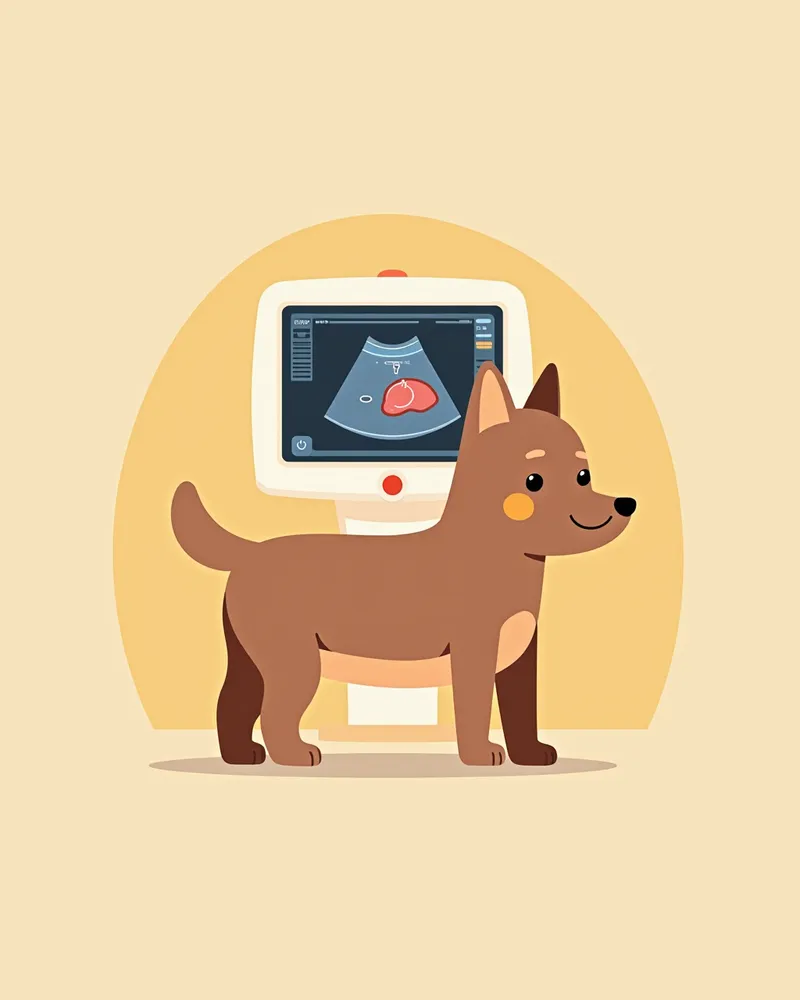
Common diagnostic tests used to assess prognosis include blood tests, urinalysis, and liver ultrasound. - Serum albumin: Reflects liver function. Maintaining normal levels is a positive sign for survival, while decreasing levels warrant careful monitoring of the prognosis. - Prothrombin time: Evaluates the liver’s ability to produce clotting factors. Prolonged times indicate an increased risk of bleeding. - Liver enzymes (ALT, AST): Serve as markers for hepatocyte damage. However, significantly elevated levels alone do not necessarily indicate a poor prognosis. - Bilirubin (jaundice) assessment: Persistent hyperbilirubinemia is considered an indicator of poor prognosis. - Urinalysis and imaging studies: Help evaluate overall health and identify concurrent issues such as hepatic encephalopathy and coagulopathy. Regular testing is essential for effective prognostic management.
Ultrasound imaging for assessing the prognosis of liver disease in dogs

5 Key Survival Indicators Affecting Prognosis

When assessing the prognosis of liver disease in dogs, the following key indicators are considered:
Serum albumin levels: Maintaining normal levels is a positive sign for survival, while decreasing levels may suggest declining liver function.
Prothrombin time: As this time increases, it indicates reduced production of clotting factors, raising the risk of bleeding.
Bilirubin (jaundice): Persistently high levels are considered a poor prognostic indicator.
Presence of hepatic encephalopathy or coagulopathy: If these conditions occur alongside liver disease, they are significant factors in prognosis evaluation.
Changes in liver enzyme levels (AST, ALT): These serve as markers of hepatocyte damage. However, markedly elevated levels do not necessarily mean recovery is unlikely. Prognosis is more strongly influenced by the underlying cause and the response to treatment.
Trend graph of prognostic indicators for canine liver disease

Comparison of Prognostic Stages of Liver Disease and Management Strategies

Item단계주요 지표예후 경향주요 대처
경증알부민 정상, 황달 없음양호원인 교정, 식이 조절과 보조 관리
중등도알부민 감소, 간 효소 상승주의 요함(guarded)원인 질환 치료, 정기 검사
심각황달 지속, 간성 뇌증·응고 장애 동반불량~위중(grave)입원 치료, 집중 보조 치료

간 효소 수치가 많이 올랐다는 것만으로 예후가 나쁘다고 단정할 수 없어요. 예후는 원인 질환, 치료 반응, 간성 뇌증·응고 장애 동반 여부에 따라 크게 달라져요. 정기적인 병원 방문을 유지하세요.

What Conditions Lead to a Good Prognosis?

A good prognosis for canine liver disease hinges on early diagnosis and consistent management. - Early diagnosis: Treatment outcomes are significantly better when the condition is detected while symptoms are still mild. - Regular check-ups: Monitor changes in key indicators through blood tests every one to three months. - Appropriate dietary management: Provide a low-sodium, low-fat diet to reduce the burden on the liver. - Medication adherence: It is essential to administer all prescribed medications without missing any doses. - Adequate hydration: Ensure sufficient water intake to prevent dehydration and protect liver function. When all these conditions are met, your dog’s lifespan can be substantially extended.
A scene showing the provision of a special diet to improve the prognosis of liver disease in dogs.

Signs Requiring Immediate Veterinary Attention

If your dog suddenly loses its appetite, vomits repeatedly, or develops yellowing of the eyes or gums (jaundice), seek veterinary care immediately. Bleeding tendencies, unsteadiness, or changes in consciousness may also indicate an emergency. These signs can signal a rapid decline in liver function, making prompt intervention critical.

Key Points Pet Owners Must Follow for Prognosis Management

The most important thing for pet owners to remember in managing prognosis is to never miss a dose of medication. - Medication adherence: Administer prescribed medications at the exact times indicated. - Dietary management: Avoid fatty and high-sodium foods that place additional strain on the liver. - Hydration: Encourage frequent water intake to prevent dehydration. - Activity regulation: Avoid excessive exercise and maintain a comfortable, low-stress environment. - Symptom tracking: Record daily observations such as appetite, vomiting, and bowel movements. These habits significantly contribute to improving the prognosis.
A scene showing schedule management for prognosis care of canine liver disease

Reviewed by a veterinarian

Dr. Tony — Punnawat Phongkittirak

Dr. Tony — Punnawat Phongkittirak

Veterinarian

A veterinarian who majored in veterinary medicine at Khon Kaen University, Thailand, and completed the IVSA program at North Carolina State University in the United States. Drawing on clinical experience at animal hospitals, he works in the pet healthcare field and is dedicated to building a digital care environment that connects pet parents with veterinarians.

Frequently Asked Questions

How good is the prognosis for liver disease in dogs?
The prognosis varies widely. It depends on the type of underlying disease, the response to treatment, and whether complications such as hepatic encephalopathy or coagulopathy are present. The earlier the condition is detected and the more consistently it is managed, the better the outcome can be expected.
Does an elevated liver enzyme level always mean a poor prognosis?
A significantly elevated liver enzyme level alone doesn’t necessarily indicate a poor prognosis. However, since levels can fluctuate and persist over time—as seen in chronic hepatitis—it’s important to identify the underlying cause and monitor your pet consistently.
Can dietary management alone improve the prognosis?
In mild cases, symptoms can improve with dietary management. However, moderate to severe cases require medication alongside diet changes. Your care and attention are key.
How can I monitor prognostic indicators at home?
While you can't perform medical tests at home, consistently tracking changes in your pet's weight, appetite, activity level, and any vomiting episodes will be very helpful during their veterinary examination.
Can liver disease recur?
Yes, liver disease can recur or become chronic. If care is neglected, it can worsen again, so regular check-ups and consistent management are essential.

Share

Related Guides

References

[1] Notes on Canine Internal Medicine, 4th Ed, 2023

[2] Clinical Medicine of the Dog and Cat, 4th Ed, 2022

[3] Plumb's Veterinary Drug Handbook, 9th Ed, 2023

This information is based on veterinary literature and does not replace diagnosis or treatment. Please consult a veterinarian for specific health concerns.

Metapet Co., Ltd. | CEO: Park Sung-yong | Business Reg. No. 417-88-02562 | Seoul, South Korea | Customer Center

Canine Liver Disease Prognosis: Test Values to Recovery Signs | Meongsiljang