Like
Share
멍실장
강아지 고양이 실밥 제거 시기와 주의사항

Suture Removal Timing and Precautions for Dogs and Cats

ImmunityQ&AMeongsiljang Veterinary Advisory Board

Sutures are typically removed 10 to 14 days after surgery. Here’s a breakdown of the ideal timing by body area, along with care instructions for before and after removal.

When Should Sutures Be Removed?
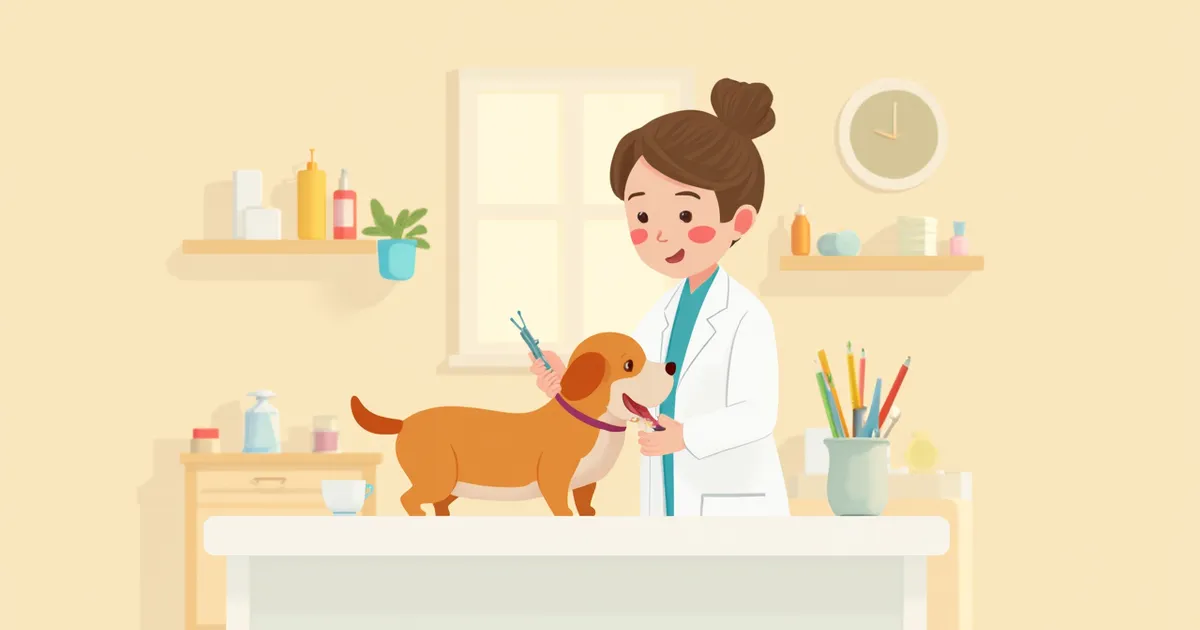
A veterinarian checks the sutures on a puppy’s abdominal surgery site.
Suture removal is a procedure in which sutures (stitches) or staples (skin fixation clips) are taken out after the skin at the surgical site has healed sufficiently. The most critical factor is timing. According to small animal clinical literature, the standard guideline for removing most skin sutures and staples is 7 to 10 days post-surgery. However, if the wound is large, the suture tension is high, or depending on your pet’s recovery rate, your veterinarian may determine that a longer period is necessary. Removing them too early can cause the wound to reopen, while delaying removal can make it difficult to maintain proper care and hygiene at the suture site, so it is essential to keep your scheduled follow-up appointment.

Why Is Timing Important?

Sutures hold the wound edges together while the skin heals. Removing the stitches before the tissue has fully recovered can cause the wound to reopen (suture dehiscence). Conversely, leaving them in too long makes it harder to keep the suture site clean and delays follow-up wound checks. This is especially important for active dogs or cats that frequently lick their wounds, as self-trauma can easily irritate the suture area, so timely removal is key.

Suture Removal Timing by Surgical Site

Suture removal timing varies depending on the type and location of the surgery. The following are general guidelines based on small animal clinical literature.
Surgical SiteRemoval Timing
Spay/Neuter (abdominal)7–10 days
Skin tumor excision7–10 days (if the wound is large or under high tension, sutures may be removed in stages, taking up to 3 weeks)
Orthopedic (bone/joint)10–14 days (may be longer depending on tension and location)
Around eyes/ears7–10 days
Oral cavityAbsorbable sutures used (no removal necessary)
Skin sutures or staples are typically removed 7–10 days after surgery, with follow-up appointments commonly scheduled between 10–14 days post-operation. However, if the wound is large or the sutures are under high tension, staged removal (taking them out in portions) may be considered, which can extend the healing period. These are average guidelines; ultimately, your veterinarian will determine the appropriate timing after directly assessing the wound’s healing progress. Please be sure to keep your post-operative follow-up appointment.

How Is Suture Removal Performed?

Suture removal is typically performed without anesthesia. The veterinarian uses sterilized scissors or specialized instruments to grasp the knots and cut out each stitch one by one. If staples were used, a dedicated staple remover is employed to open and extract them. The procedure usually takes only 5 to 10 minutes. While there may be a slight stinging sensation, most pets tolerate it well. For anxious or pain-sensitive animals, you can consult your veterinarian about administering mild sedation.
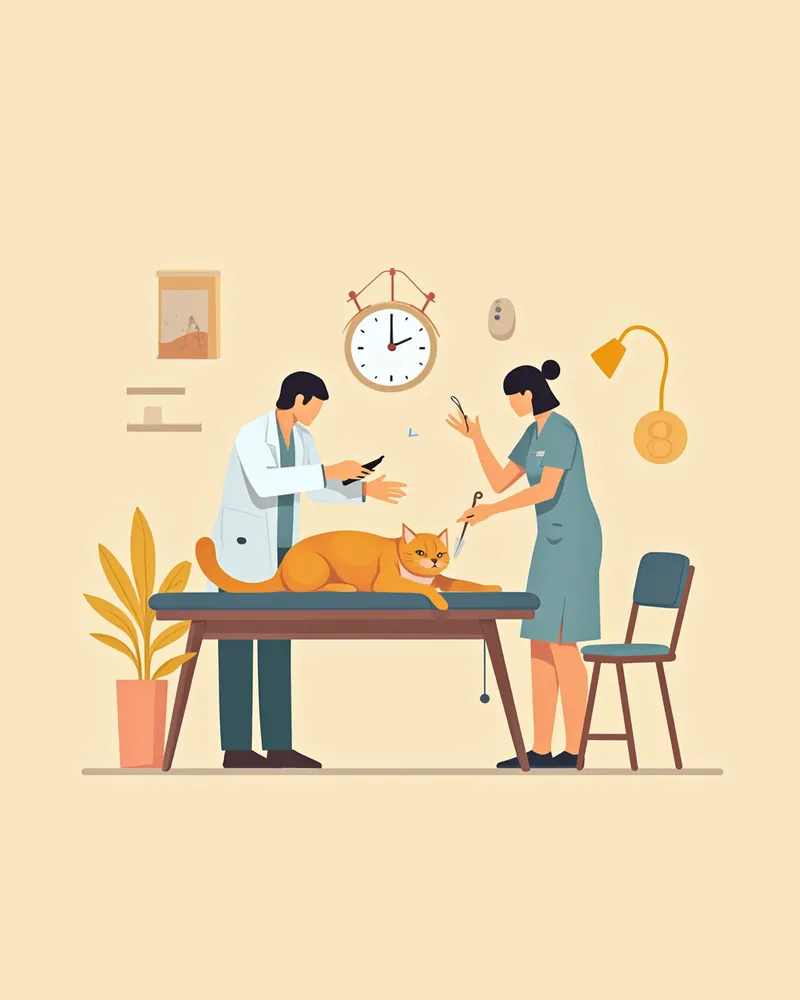
A veterinarian carefully removing sutures from a cat.

Go to the Vet Immediately If You Notice These Symptoms, Even Before the Removal Date

If the surgical site becomes red and swollen, oozes fluid or pus, if sutures come loose or the wound opens, if your pet excessively licks or scratches the area, or if they develop a fever or a sudden loss of appetite, these could be signs of infection or suture complications. Do not wait for the scheduled suture removal date; seek immediate veterinary care.

Care Before Suture Removal
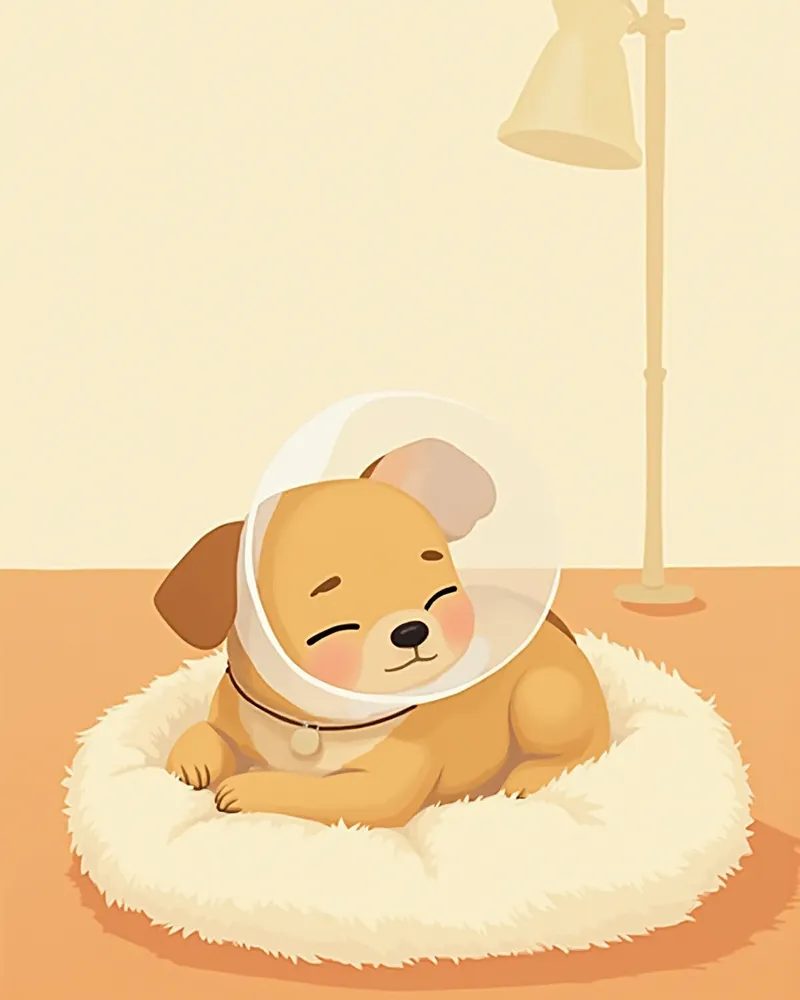
Elizabethan collar (e-collar) use: Keep the e-collar on at all times until the sutures are removed. Licking or chewing the incision can cause the stitches to come apart or lead to infection.
Keep the surgical site clean: Disinfect the area only as directed by your veterinarian. Do not apply any ointments or antiseptics without professional guidance.
Restrict activity: Avoid jumping, climbing stairs, and vigorous play. Following orthopedic surgery, strict cage rest may be required.
No bathing: Prevent the surgical site from getting wet until the sutures have been removed.
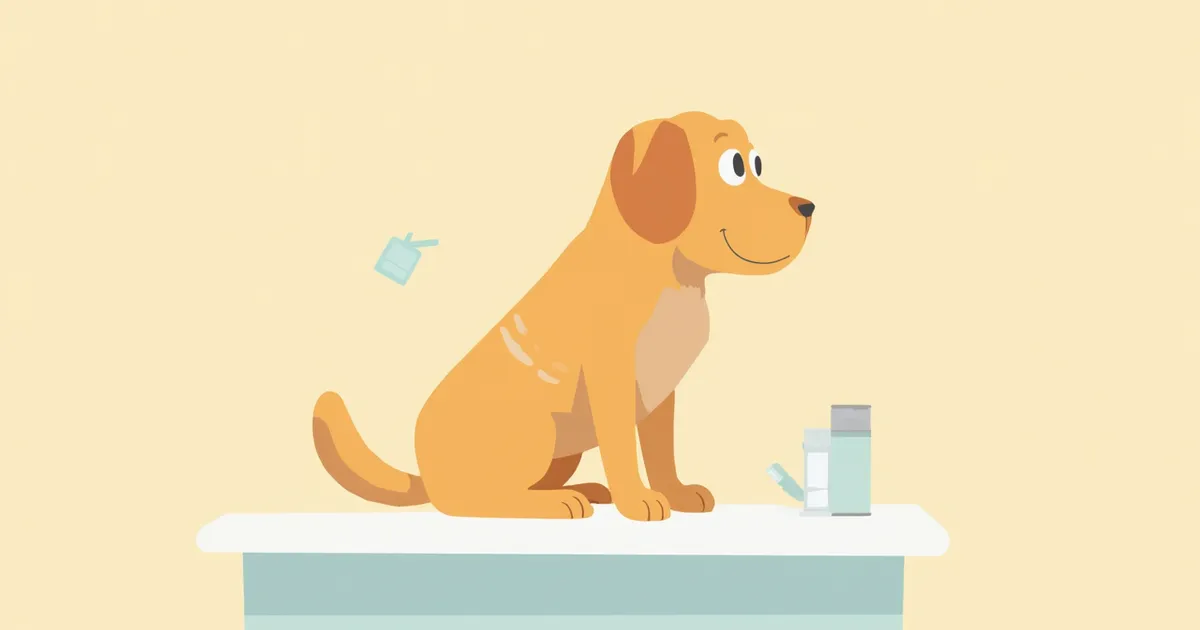
A dog resting comfortably while wearing a neck collar.

Care After Suture Removal

Observation right after removal: The area where the sutures were removed may appear slightly red or have a scab, which is normal if it improves within 1–2 days.
Continue using the e-collar: Do not remove the e-collar until your veterinarian confirms it is safe. It is generally recommended to keep it on for an additional 2–3 days after suture removal.
Bathing timing: Avoid bathing for at least 2–3 days after suture removal, and only give a light bath after receiving permission from your veterinarian.
Scar care: In most cases, scars will naturally become hidden as the fur grows back over time. If the scar enlarges like a keloid, please consult your veterinarian.
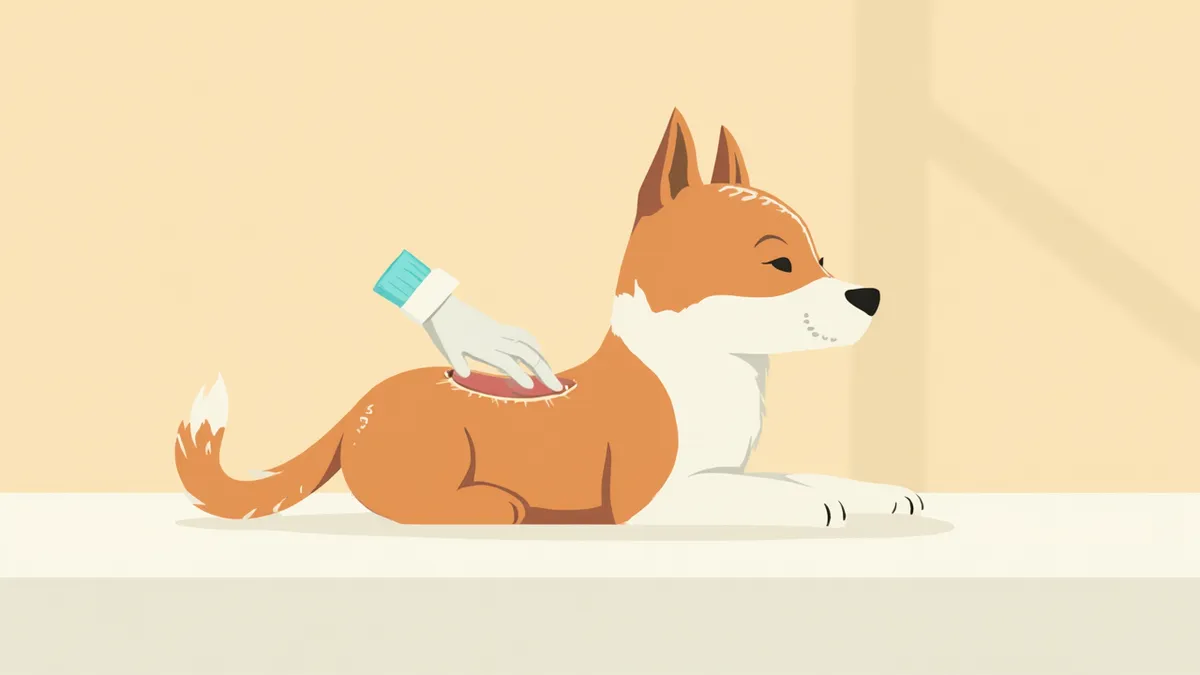
A cat sitting comfortably with its surgical site healed cleanly.

If Absorbable Sutures Were Used

For neutering surgeries or internal sutures, we sometimes use absorbable sutures that naturally dissolve over time. In such cases, no separate suture removal is needed. However, if absorbable sutures are used on the outside of the skin, it may take several weeks for them to dissolve. Even if the sutures appear to still be present, do not pull or cut them yourself. Your veterinarian will check the condition during a follow-up visit.

Reviewed by a veterinarian

Dr. Tony — Punnawat Phongkittirak

Dr. Tony — Punnawat Phongkittirak

Veterinarian

A veterinarian who majored in veterinary medicine at Khon Kaen University, Thailand, and completed the IVSA program at North Carolina State University in the United States. Drawing on clinical experience at animal hospitals, he works in the pet healthcare field and is dedicated to building a digital care environment that connects pet parents with veterinarians.

Frequently Asked Questions

Does it hurt when the stitches are removed?
Most pets tolerate the procedure well. There’s only a slight stinging sensation, and the thread removal is quick. For anxious pets, you can discuss sedation options with your veterinarian.
Can I remove the sutures myself?
Absolutely not. A professional assessment is needed to determine whether the wound has fully healed, and using unsterilized tools significantly increases the risk of infection. It must be removed at a veterinary clinic.
How much does it cost to remove sutures?
While practices vary by clinic, the cost is often included in the overall surgery fee with no additional charges. It’s best to confirm this with your veterinarian beforehand.
Can the wound reopen after the stitches are removed?
It’s rare, but possible. Avoid strenuous activity for 2–3 days after suture removal, and closely monitor the wound site. If you notice any signs of the incision opening, seek veterinary care immediately.
I missed the scheduled date for suture removal. What should I do?
A delay of one to two days is often not a major concern, but since the suture can become embedded in the skin, it’s best to visit the clinic as soon as possible. If it’s been over a week, be sure to have your veterinarian check the site.

Share

Related Guides

References

[1] Blackwell's Five-Minute Veterinary Consult Clinical Companion, Small Animal Toxicology, 3rd Edition

[2] Techniques in Small Animal Wound Management, Kristin Coleman, DVM, MS, DACVS

[3] Textbook of Veterinary Orthopaedic Surgery

This information is based on veterinary literature and does not replace diagnosis or treatment. Please consult a veterinarian for specific health concerns.

Metapet Co., Ltd. | CEO: Park Sung-yong | Business Reg. No. 417-88-02562 | Seoul, South Korea | Customer Center

When to Remove Pet Stitches: Essential Guide for Dogs and Cats | Meongsiljang