Like
Share
멍실장
강아지 지방 저장 세포 활성화 자주 묻는 질문 Q&A — 보호자가 꼭 알아야 할 핵심

What Is the Activation of Fat-Storing Cells in Dogs? — The Process of Liver Fibrosis and How to Manage It

Liver HealthQ&AMeongsiljang Veterinary Advisory Board

The activation of fat-storing cells in dogs is a significant physiological change that greatly impacts liver health. Here’s a summary of the key information every pet owner should know.

What Is the Activation of Fat-Storing Cells in Dogs?
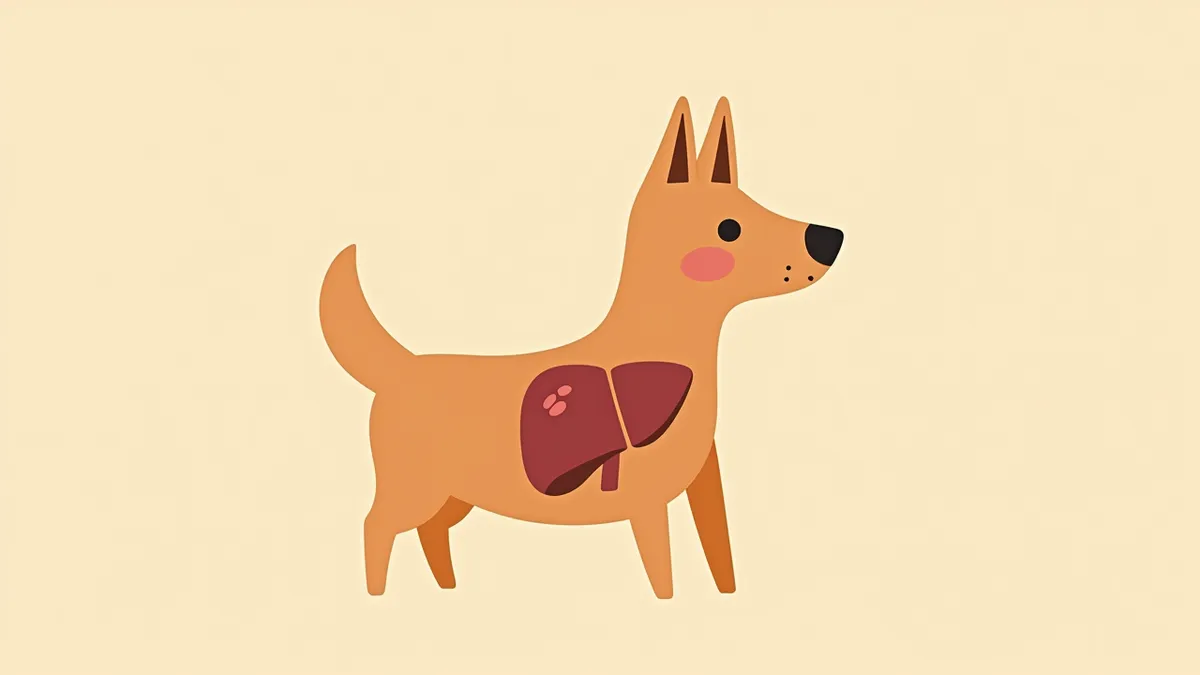
Activated fat-storing cells and fibrotic tissue in a dog’s liver
The activation of fat-storing cells in dogs is a change associated with the progression of fibrosis (scar tissue formation) after liver damage. As liver cells are lost and fibrosis advances, normal blood flow and function within the liver can be compromised, making early detection crucial.
Progression of Liver Fibrosis: Chronic liver injury leads to a gradual buildup of fibrosis in liver tissue.
Persistent Stimulation: Repeated inflammation lasting more than six months, such as in chronic hepatitis, causes cumulative damage.
Early Detection is Key: Since symptoms may not be obvious in the early stages, regular check-ups are helpful.
Manageability: Identifying the underlying cause and intervening early can help slow disease progression.

Why Do Fat-Storing Cells Become Activated in Dogs?
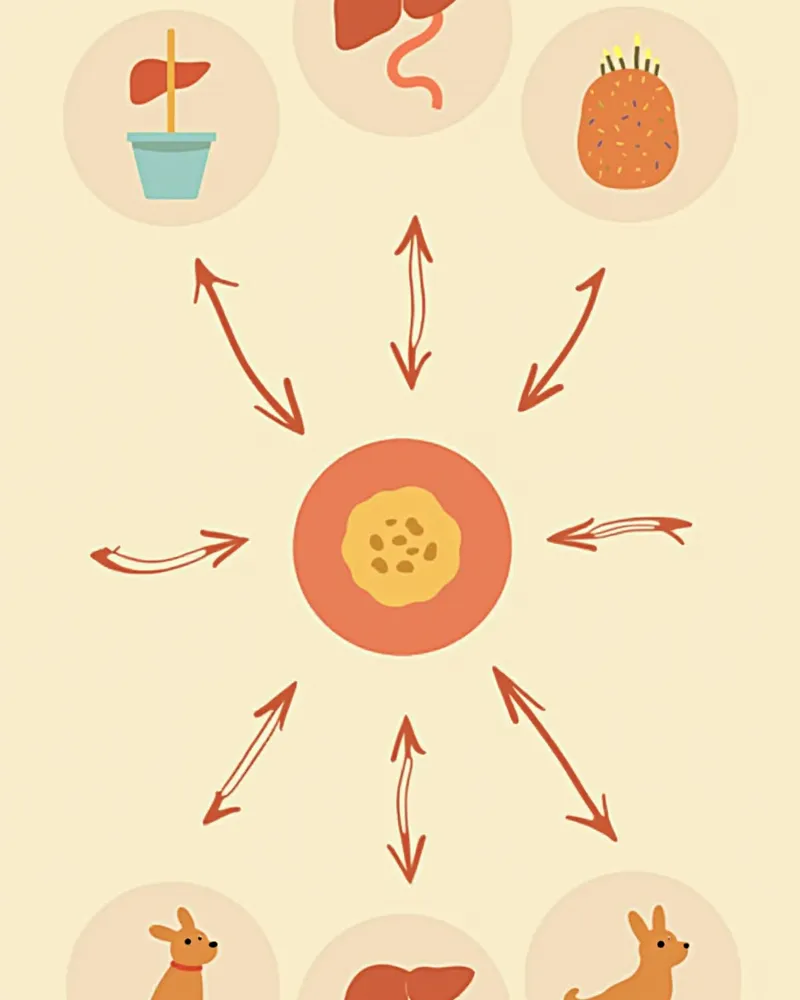
Hepatic fibrosis in dogs can develop through repeated cycles of liver cell damage and repair. Various factors can trigger this process.
Chronic hepatitis: Inflammation of the liver lasting more than six months leads to cumulative damage. It can arise from infectious, metabolic, toxic, or immune-mediated causes.
Exposure to toxic substances: Certain medications or chemicals can damage liver cells.
Metabolic and immune disorders: Metabolic diseases or immune-mediated reactions can also cause chronic liver injury.
Intrahepatic fat accumulation: Excessive buildup of fat in liver cells can strain liver function (hepatic lipidosis is primarily a concern in cats).
Concurrent diseases: Other conditions, such as pancreatitis or gastrointestinal disorders, can contribute to liver damage.
Diagram of the main causes that trigger liver cell activation in dogs

What Are the Main Symptoms of Fat-Storing Cell Activation?

Liver fibrosis often shows no obvious symptoms in its early stages. However, as the condition progresses and liver function declines, various signs may appear.
Loss of appetite: Reduced appetite (anorexia) is commonly seen with liver disease.
Lethargy: Your pet may show decreased energy and appear more sluggish than usual.
Weight loss: Poor appetite and impaired nutrient utilization can lead to weight loss.
Jaundice: If bile flow is obstructed (cholestasis), the eyes, gums, and skin may turn yellow.
Abdominal distension: The abdomen may appear swollen due to an enlarged liver or the accumulation of fluid (ascites).
A dog showing signs of liver dysfunction caused by activation of fat-storing cells

Signs That Require Immediate Veterinary Care

If your pet develops jaundice, severe vomiting, bloody stools, or decreased consciousness, seek veterinary care immediately. These are signs of serious liver damage.

How Is It Diagnosed?
Because liver fibrosis is difficult to confirm based on symptoms alone, we diagnose it by integrating results from multiple tests.
Blood tests: We check levels of hepatocellular enzymes such as ALT and AST, as well as enzymes associated with cholestasis. These values can fluctuate over several months.
Imaging studies: We use ultrasound and other imaging modalities to evaluate the liver’s structure, texture, and any structural changes.
Liver biopsy: This is the most definitive method, involving the collection of a liver tissue sample to directly assess the extent of inflammation and fibrosis.
Integration of clinical information: Diagnosis is made by combining clinical signs, laboratory results, imaging findings, and biopsy results.
Monitoring progression: Because enzyme levels can vary, we monitor trends through repeated testing.
Scene of a puppy undergoing an ultrasound examination of the liver

What Are the Treatment Options?

Treatment involves addressing the underlying cause alongside nutritional and pharmacological therapy. Early intervention yields the best results.
Cause Management: Identify and manage any underlying conditions. For example, dogs with copper-associated hepatotoxicity require a copper-restricted diet.
Pharmacological Therapy: Glucocorticoids, such as prednisolone, are the most commonly used treatment for chronic hepatitis in dogs. Medication is used in conjunction with dietary management.
Nutritional Management: Provide adequate carbohydrates and fats to prevent protein catabolism and ammonia production, while avoiding excessive protein restriction.
Monitoring Progress: Regular tests are used to assess the response to treatment.
Veterinary Consultation: Always adjust medications and diet under the guidance of your veterinarian.
A veterinarian administering liver protectants to a dog

Home Care Management

Home care serves as a supportive measure to complement veterinary treatment, and consistent management is key to helping your pet.
Adherence to Prescription Diet: Consistently feed the diet recommended by your veterinarian to prevent protein breakdown and ammonia production. Do not restrict protein intake without veterinary guidance.
Adequate Nutritional Support: Nutritional deficiencies can worsen liver disease, so use supplemental feeding methods if necessary to ensure your pet receives proper nutrition.
Do Not Discontinue Medication Without Consultation: Never stop prescribed medications without your veterinarian’s approval.
Regular Check-ups: Monitor your pet’s condition by undergoing liver function tests at the intervals recommended by your veterinarian.
Management of Underlying Conditions: If other diseases are contributing to liver damage, manage them concurrently to support overall health.
A puppy enjoying a meal that supports liver health.

Comparison of Management Strategies by Treatment Stage

ItemMain CharacteristicsRecommended Actions
Early (fibrosis begins)No distinct symptoms, early changes can only be confirmed by biopsyManage the underlying cause, monitor progression with regular check-ups
Intermediate (fibrosis progresses)Elevation of liver enzymes such as ALT/AST, mild lethargyCause-specific medication (e.g., prednisolone for chronic hepatitis), nutritional management
Late (severe fibrosis)Jaundice, ascites, loss of appetiteHospitalization and intensive care, fluid/electrolyte correction and adequate nutritional supply

The earlier the intervention, the more helpful it is. Diagnosis and treatment must be discussed with a veterinarian and carried out stage by stage.

Reviewed by a veterinarian

Dr. Tony — Punnawat Phongkittirak

Dr. Tony — Punnawat Phongkittirak

Veterinarian

A veterinarian who majored in veterinary medicine at Khon Kaen University, Thailand, and completed the IVSA program at North Carolina State University in the United States. Drawing on clinical experience at animal hospitals, he works in the pet healthcare field and is dedicated to building a digital care environment that connects pet parents with veterinarians.

Frequently Asked Questions

Can activated fat-storing cells (hepatic fibrosis) be treated?
Identifying the underlying cause and starting early management can help slow disease progression. However, once fibrosis has developed, it may be difficult to reverse completely, making early detection and consistent care essential.
Is it okay to give my dog liver protectants or liver medication?
Always administer this medication under the guidance and direction of your veterinarian. It is used in conjunction with dietary management, so please do not give it to your pet based on your own judgment.
Does fatty liver always progress to fibrosis?
Not all fat accumulation leads to fibrosis. For reference, hepatic lipidosis (fatty liver disease), which involves excessive fat buildup in the liver, is primarily a concern in cats, and early management of the underlying cause is important in any case.
Are certain breeds at higher risk?
Chronic hepatitis can arise from a variety of causes, including infectious, metabolic, toxic, and immune-mediated factors, with risk factors varying from pet to pet. The most accurate way to identify your pet’s specific risk factors is through a consultation with your veterinarian.
Can it be resolved with dietary management alone?
Nutritional management plays a supportive role in most liver diseases. Therefore, dietary adjustments alone are often insufficient, and medication targeting the underlying cause is typically required as well.

Share

Related Guides

References

[1] Huang, Y., et al. (2021). Hepatic stellate cell activation in canine liver fibrosis: Mechanisms and biomarkers. Journal of Veterinary Internal Medicine, 35(4), 1678–1689.

[2] Plumb's Veterinary Drug Handbook, 9th ed. (2022). Wiley-Blackwell. Chapter on hepatic diseases and drug metabolism.

[3] AAFCO (2023). Nutrient Profiles for Canine Diets: Guidelines for Liver-Healthy Formulations. American Association of Feed Control Officials.

This information is based on veterinary literature and does not replace diagnosis or treatment. Please consult a veterinarian for specific health concerns.

Metapet Co., Ltd. | CEO: Park Sung-yong | Business Reg. No. 417-88-02562 | Seoul, South Korea | Customer Center

Fat-Storing Cell Activation in Dogs: Liver Fibrosis & Care | Meongsiljang