

If Your Cat Is Missing — Search Strategies and Golden Time for Indoor Escape and Outdoor Outing Cases
We’ve organized step-by-step guidance for finding a lost cat, divided into indoor escape and outdoor outing scenarios, covering everything from the critical 24-hour response window to search areas and capture tips.
What Is a Lost Cat? Golden Time and Initial Response

Indoor Escape vs. Outdoor Outing: Different Behavioral Patterns
Comparison of Search Radius and Timeframes by Case
| Item | Indoor Escape | Outdoor Case |
|---|---|---|
| Initial Search Direction | Search nearby hiding spots around the home first | Search along the usual routes |
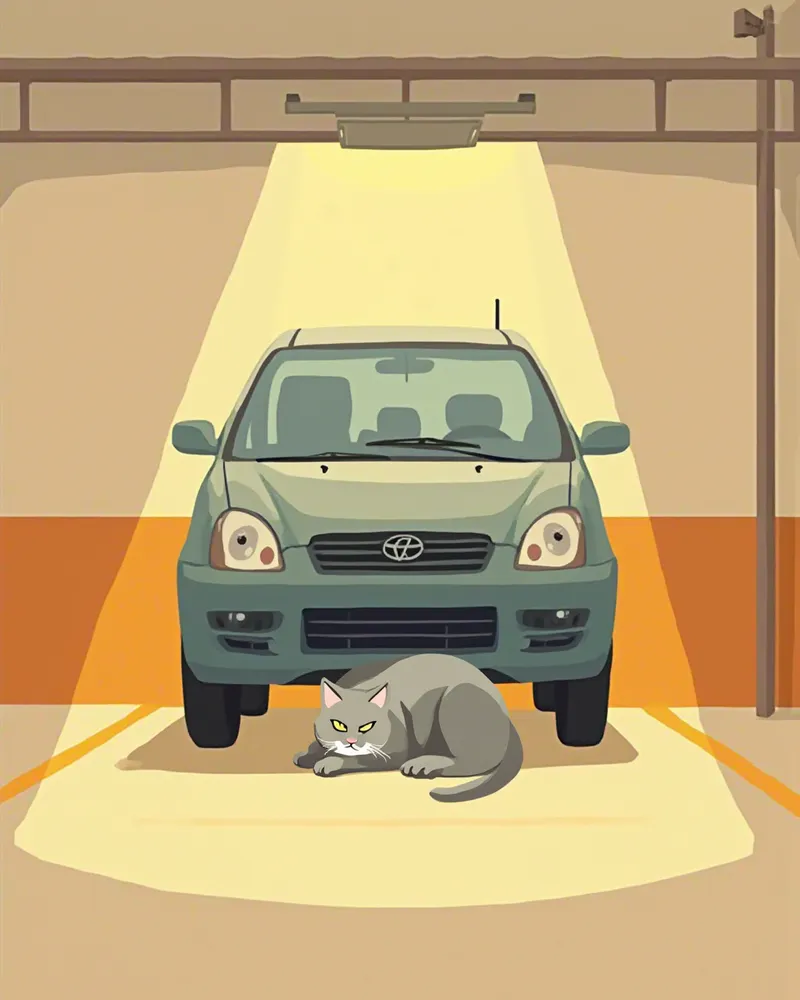
| Most Likely Hiding Spots | Under vehicles, outdoor AC units, underground parking lots, flower beds | Neighbors' yards, sheds, empty houses, park bushes |
| Effective Search Times | 10 PM–4 AM (when quiet) | Dusk and dawn (active hours) |
| Necessary Tools | Flashlight, familiar blanket, food | Trap cage, trail camera, treats |
| Average Time to Find | Varies by situation | Varies by situation |
Since behavior patterns differ by individual, flexibly adjust the search range and timing according to the situation
How to Find an Indoor Escape Cat
If You See These Signs, Prepare to Contact the Vet Immediately
There are situations where a lost pet needs to be taken to a vet immediately after being found. Bleeding, limping, keeping one eye closed, and difficulty breathing are all signs of an emergency. In particular, if the pet is panting with its mouth open, this indicates severe respiratory distress, and you should head to the vet right away. Dehydration is also a serious concern if the pet has gone without food or water for an extended period. As soon as you find the pet, gently wrap it in a soft blanket, place it in a carrier, and take it to a 24-hour animal hospital. Because the pet may be frightened and could bite or try to escape, avoid holding it with bare hands and keep strangers from touching it.
Outdoor Outing Case: Using Humane Traps and Automatic Cameras

Reporting Channels You Must Register With
Key Points to Follow When Sharing Flyers and on SNS
Flyers should include two photos of the cat (front and side views), the location where it was lost, and two contact numbers for the owner. Avoid offering a reward, as this can lead to false reports and even intentional capture and handover of the cat. On social media and community platforms, avoid sharing overly specific location details; instead, highlight distinctive features such as scars, ear tips, or whether the cat has a microchip. Distribute printed flyers within a 500-meter radius, focusing on utility poles and local businesses.
Health Check and Reacclimation Management After Recovery
Reviewed by a veterinarian

Dr. Tony — Punnawat Phongkittirak
VeterinarianA veterinarian who majored in veterinary medicine at Khon Kaen University, Thailand, and completed the IVSA program at North Carolina State University in the United States. Drawing on clinical experience at animal hospitals, he works in the pet healthcare field and is dedicated to building a digital care environment that connects pet parents with veterinarians.
Reviewed 2026-04-20
Frequently Asked Questions
My indoor cat has been missing for a day with no sign of them. Could they have gone far?
How long does it take to find a lost cat?
Would it be okay to put a bounty on it?
They can be mistaken for stray cats. How can you tell the difference?
Is it harder to find a pet if they don’t have a microchip?
Share
Related Guides

Primary vs. Secondary Veterinary Hospitals: A Comparison

5 Easy-to-Raise Cat Breeds for First-Time Owners — Grooming Difficulty Comparison

Top 7 Short-Legged Dog Breeds

Are Dog Steroids Really Dangerous? — A Guide to Side Effects and Safe Use

When is a cat blood transfusion absolutely necessary? — From anemia and blood type testing to the golden hour

Complete Guide to Post-Neutering Recovery for Cats — Key Points for Pet Owners

Complete Guide to Post-Neutering Recovery for Dogs — Key Points for Pet Owners

Is General Anesthesia in Cats Really Safe? — From Pre-anesthetic Tests to Risk Factors

Which Cat Dewormer Should You Choose? — Differences by Type and Selection Criteria

Complete Guide to Post-Tooth Extraction Care for Cats — Key Points for Owners
References
[1] Huang, L. et al., Lost and Found: Search Methods and Outcomes for Missing Cats, Animals, 2018
[2] Weiss, E. et al., Frequency of Lost Dogs and Cats in the United States and Methods Used to Locate Them, Animals, 2012
[3] American Association of Feline Practitioners, Feline Behavior Guidelines, 2022