Like
Share
멍실장
강아지가 모자 쓴 사람 무서워하는 이유

Why Dogs Fear People Wearing Hats

ImmunityQ&AMeongsiljang Veterinary Advisory Board

Dogs may fear people wearing hats because the altered silhouette and field of vision make them appear unfamiliar. This fear can be effectively reduced through gradual desensitization training.

Why Do Dogs Develop Hat Phobia?
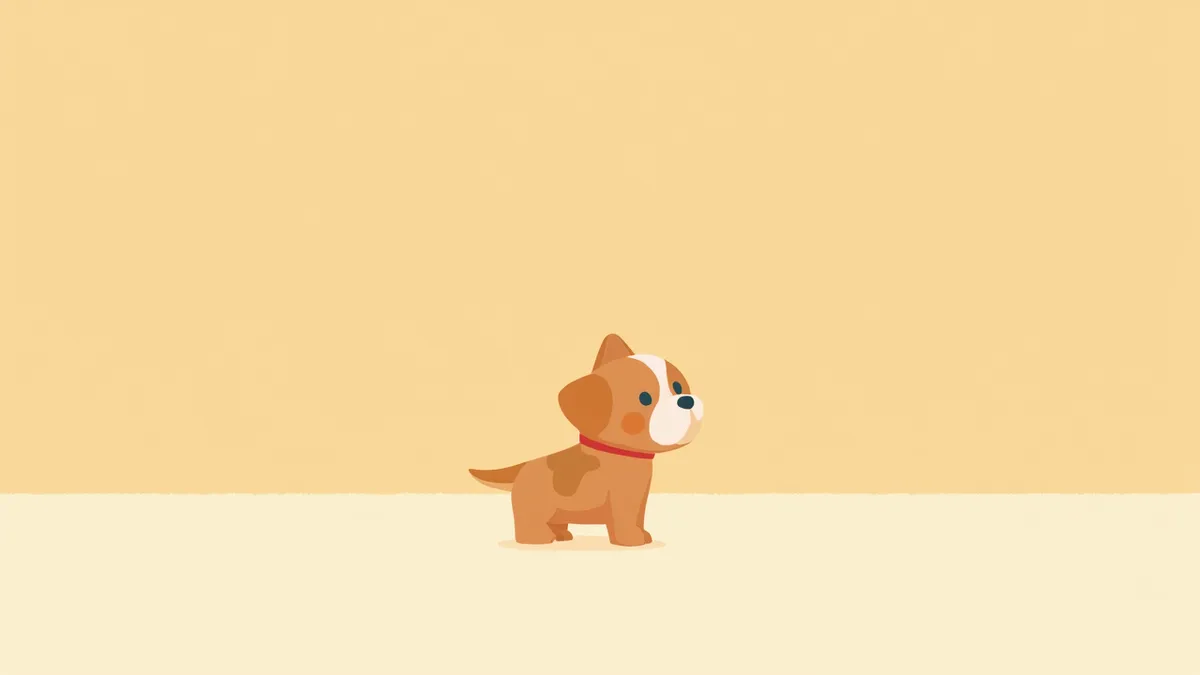
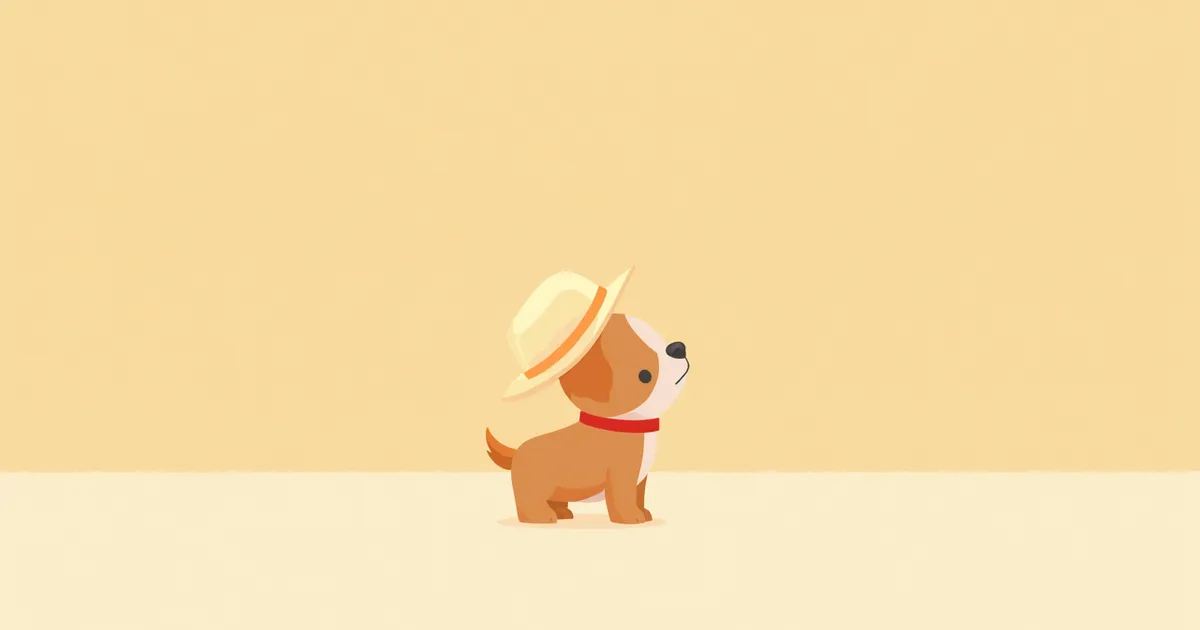
A dog cautiously eyeing someone wearing a hat.
Hat phobia in dogs is a defensive reaction triggered when the silhouette and facial contours of a person wearing a hat appear unfamiliar, causing the dog to perceive them as a stranger. The most important thing is to avoid scolding the dog or forcing it to approach someone wearing a hat. Fear responses are instinctive defense mechanisms, not matters of willpower, so forced exposure can actually worsen trauma. If the dog barks, tucks its tail, or runs away, first establish a safe distance and then gradually desensitize it at a slow pace.

Why Hats Are Particularly Scary for Dogs

Dogs recognize people by their facial contours, eyes, and expressions. A hat can instantly alter these features, and a brim that covers the eyes makes it difficult for dogs to read where you’re looking. Dogs tend to become anxious and wary when faced with unfamiliar or suddenly changed appearances, so they may perceive someone whose look has abruptly changed as a threat. This reaction is especially pronounced in dogs that lacked adequate socialization during puppyhood and were not exposed to a variety of clothing styles. Keep in mind that the more unfamiliar a stimulus is, the more anxiety it can provoke.

Types of Hats That Are Especially Frightening

Not all hats are equally intimidating for dogs. The more a hat obstructs their vision and alters their silhouette, the stronger their defensive reaction tends to be. Check out the table below to see the order in which dogs commonly struggle with different types of hats.

Intensity of Fear Response by Hat Type

ItemWide-Brimmed HatHood / BeanieBaseball CapHeadband
Degree of vision blockingVery highHighModerateLow
Silhouette changeVery largeLargeModerateSmall
Average wariness reactionBarking, fleeingFreezing, avoidanceStaring, tensionAlmost none
Desensitization difficultyHighMediumLowVery low

Reactions may differ depending on each individual's socialization experience.

These Behaviors Indicate a Fear Response
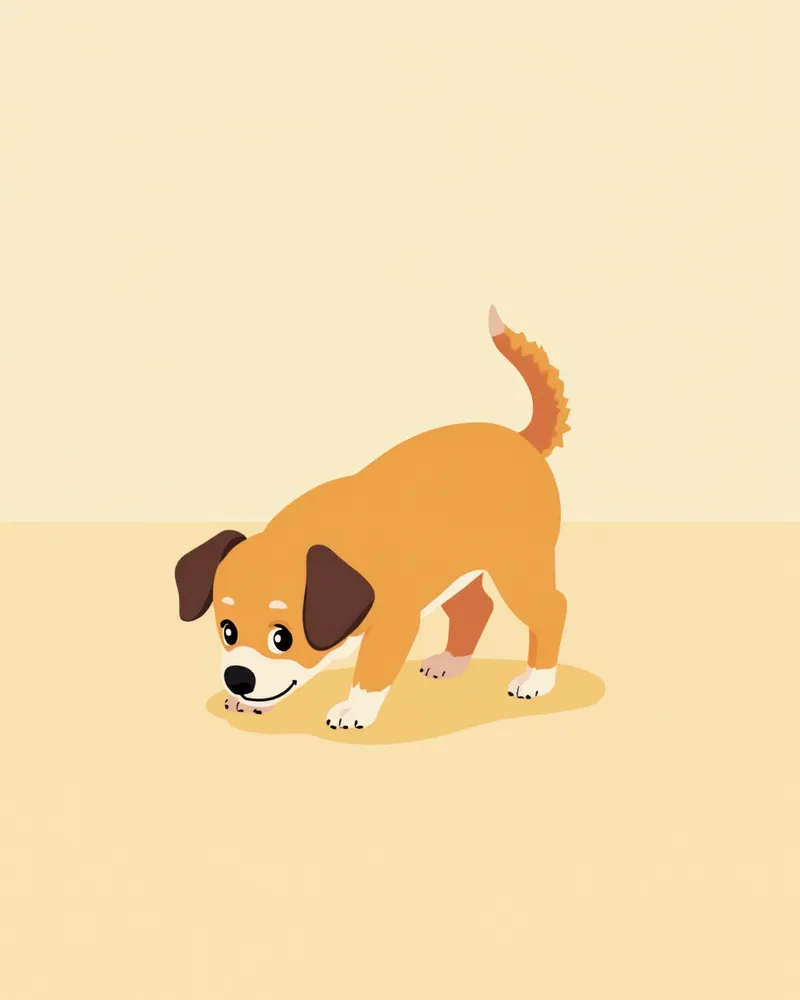
It’s important to distinguish between simple curiosity and genuine fear. If you notice any of the following signs, your dog is likely experiencing stress: - Barking or growling: The most common defensive warning signals. - Tail tucked: When the tail is lowered and tucked between the legs, it indicates fear. - Dilated pupils and visible whites of the eyes: Often called “whale eye,” this is a strong sign of tension. - Lowering the body: A lowered posture accompanied by backing away suggests the dog is preparing to flee. - Panting: Panting with the tongue out in a non-hot environment is a stress response.
A puppy showing fear responses by lowering its tail and pinning its ears back.

Do Not Force Exposure in These Situations

Forcing a dog into close proximity with someone wearing a hat, or grabbing a fleeing dog to “get them used to it,” is one of the most common mistakes. This method, known as flooding, may appear to result in short-term compliance, but it actually induces a state of learned helplessness. In the long run, it can deepen the fear and lead to generalized fear of people. Always start at a distance where your dog feels comfortable.

Step-by-Step Desensitization Training
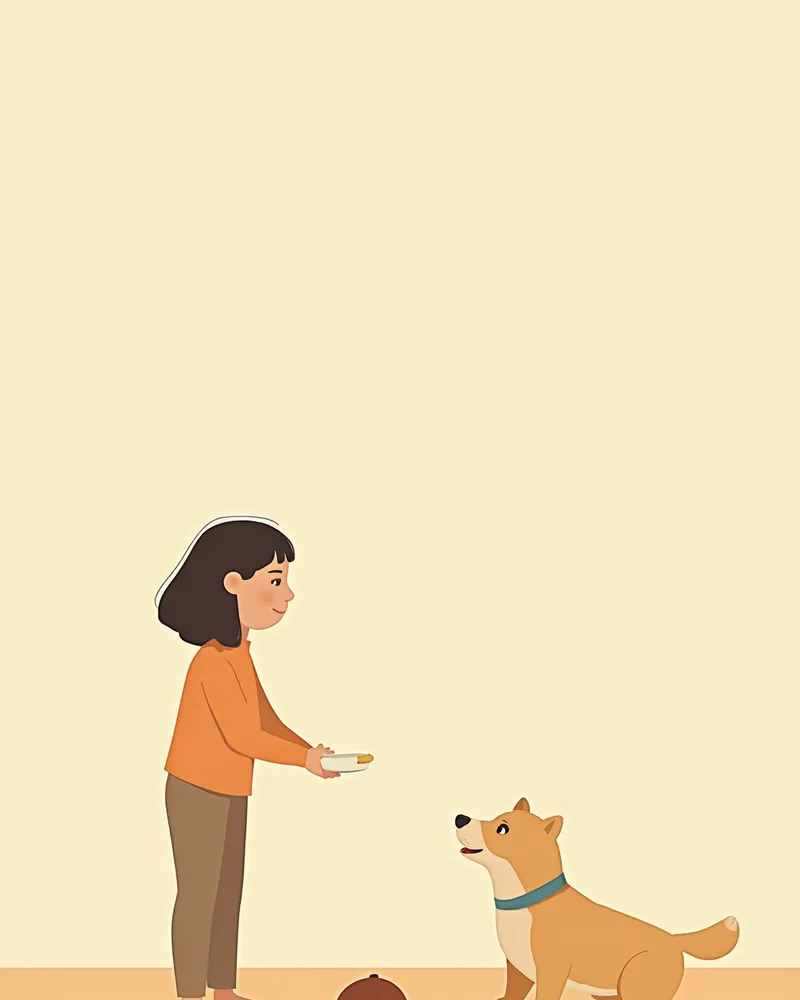
Desensitization and counterconditioning are training methods that change your dog’s response by pairing a “fear-inducing stimulus” with “positive experiences” like treats or play that your dog enjoys. The key is to start with a very low intensity of the stimulus—just enough that it doesn’t trigger fear. Consistent daily sessions of 5–10 minutes typically show improvement within 4–6 weeks. - Step 1: Place the hat on the floor and give treats (3–5 days) - Step 2: Give treats when a person holds the hat at a distance (3–5 days) - Step 3: Have a person slowly place the hat on their head and take it off (1 week) - Step 4: Toss treats from 3 meters away while wearing the hat (1 week) - Step 5: Gradually decrease the distance while the person wearing the hat gives treats directly
A puppy receiving a treat next to a hat placed on the floor

Principles to Follow During Training

To increase your chances of success, keep these principles in mind: - Go at your puppy’s pace: Move on to the next step only after your puppy shows relaxed body language, such as a wagging tail, soft ears, and a loose posture. - Use high-value treats: Reserve special treats like chicken breast or cheese—rather than regular kibble—exclusively for this training. - Keep sessions short and frequent: Limit each session to no more than 10 minutes and spread them out over two to three times a day. - It’s okay to step back: If your puppy struggles, simply return to the previous step and build back up from there. - Generalize the behavior: Practice with different people (family members, friends, strangers) and various types of hats to help your puppy generalize the learned behavior.

When to Consult a Veterinarian or Behavior Specialist

If you’ve consistently applied desensitization for 4–6 weeks or longer without any progress beyond Stage 1, or if your pet shows similarly intense fear toward multiple stimuli such as hats, umbrellas, masks, and bags, the issue may have progressed from simple fear to a generalized phobia. If aggressive behaviors like lunging and biting occur, or if anxiety signs such as decreased appetite or trembling are present, please consult a veterinarian or a veterinary behavior specialist. In some cases, combining treatment with anti-anxiety medication can be helpful, but such medications must only be used under a veterinarian’s diagnosis and prescription.

Reviewed by a veterinarian

Dr. Tony — Punnawat Phongkittirak

Dr. Tony — Punnawat Phongkittirak

Veterinarian

A veterinarian who majored in veterinary medicine at Khon Kaen University, Thailand, and completed the IVSA program at North Carolina State University in the United States. Drawing on clinical experience at animal hospitals, he works in the pet healthcare field and is dedicated to building a digital care environment that connects pet parents with veterinarians.

Frequently Asked Questions

Is desensitization training still effective once a dog has reached adulthood?
Yes, it can be quite effective. While the progress may not be as rapid as with puppies, adult dogs can also show noticeable improvement over a few weeks with consistent daily desensitization and counterconditioning. However, it's best to start more gradually, use lower-intensity stimuli, and offer higher-value treats compared to what you might use with younger dogs.
My pet gets scared even when I put on a hat. What should I do?
Wear the hat indoors for short periods each day, acting as usual. Repeatedly pairing hat-wearing with treats and walk preparations will help your dog associate the hat with positive experiences. However, if your dog becomes overly stressed, remove the hat immediately.
What should I do if my dog encounters a person wearing a hat while we’re on a walk?
Please give your dog plenty of space by passing at a distance that makes them feel comfortable. Have some treats ready, and offer them continuously from the moment you see someone wearing a hat until you’ve passed by. Avoid forcing any face-to-face encounters or greetings.
Are certain breeds more susceptible to ringworm?
It’s difficult to definitively say that certain breeds are more vulnerable. Rather than the breed itself, an individual dog’s temperament, past experiences, and how accustomed they are to unfamiliar appearances have a much greater impact. Dogs tend to feel more anxious around novel and unfamiliar stimuli, so puppies with limited socialization may be particularly sensitive to unusual visual cues, such as wearing a hat.
I feel like I’m giving too many treats during training. Is that okay?
Please keep training treats to a small portion of your dog’s daily food intake. Using tiny pieces of a highly motivating treat, such as chicken breast, allows you to maintain effective training without significantly increasing the total amount of food given.

Share

Related Guides

References

[1] Landsberg G, Hunthausen W, Ackerman L, Handbook of Behavior Problems of the Dog and Cat, 3rd ed., Saunders, 2013

[2] Horwitz DF, Mills DS, BSAVA Manual of Canine and Feline Behavioural Medicine, 2nd ed., BSAVA, 2009

[3] Overall KL, Manual of Clinical Behavioral Medicine for Dogs and Cats, Elsevier, 2013

This information is based on veterinary literature and does not replace diagnosis or treatment. Please consult a veterinarian for specific health concerns.

Metapet Co., Ltd. | CEO: Park Sung-yong | Business Reg. No. 417-88-02562 | Seoul, South Korea | Customer Center

Why Dogs Fear People in Hats & How to Fix It | Meongsiljang