Like
Share
멍실장
고양이 비만세포종 등급·치료 자주 묻는 질문 Q&A — 보호자가 꼭 알아야 할 핵심

Frequently Asked Questions About Feline Mast Cell Tumor Grading and Treatment — Key Information Every Pet Owner Should Know

Oncology/CancerQ&AMeongsiljang Veterinary Advisory Board

The treatment and prognosis for feline mast cell tumors vary depending on the grade. We’ve compiled the essential information every pet owner should know in a Q&A format.

The Prognosis for Feline Mast Cell Tumors Varies Depending on the Grade

A scene of a veterinarian examining a cat's skin tumor
Feline mast cell tumors are classified into two groups based on mitotic index and cellular morphology: Group 1 (benign) and Group 2 (malignant). While dogs are graded on a scale of 1 to 3, cats are categorized using this two-group system. Most cutaneous mast cell tumors are well-differentiated benign tumors, and surgical excision often leads to a cure. For solitary skin tumors, surgery is the primary treatment. Cats with stage 1 to 3 disease rarely die from mast cell tumors, and most achieve long-term survival with surgery alone. However, some tumors may recur, and Group 2 (malignant) tumors have the potential to metastasize, requiring comprehensive management. Therefore, early detection and regular check-ups are crucial, as earlier discovery significantly improves treatment outcomes.

How Is the Grade of a Mast Cell Tumor Determined?
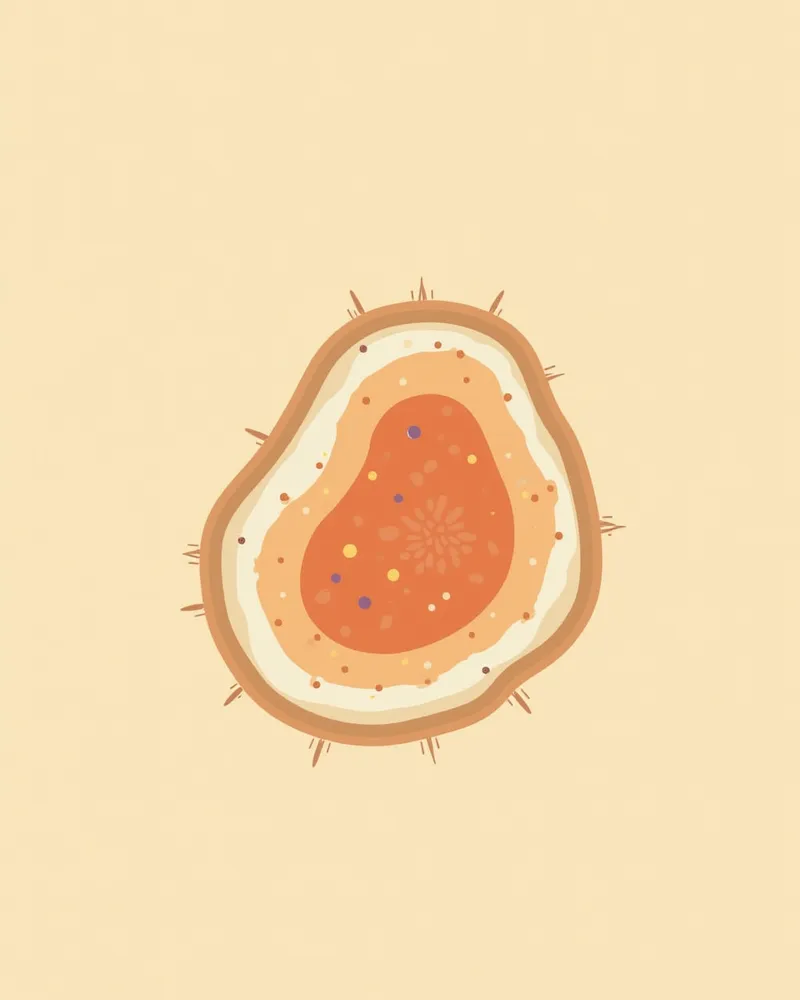
Veterinarians confirm the cells by performing a fine-needle aspiration on the tumor or by histopathologically analyzing a biopsy specimen to determine its grade. The classification criteria for feline mast cell tumors are based on the mitotic count (mitotic index) and cellular morphology. Based on these criteria, tumors are categorized into Group 1 (benign) and Group 2 (malignant). Histologically, they are divided into well-differentiated mast cell type, pleomorphic mast cell type, and anaplastic (histiocytic) type, with the well-differentiated form being the most common at approximately 60%. Since test results are crucial for determining the treatment plan, accurate analysis is essential. The more malignant the tumor (Group 2), the more cautiously the prognosis must be considered; therefore, biopsies and cytological examinations must be performed accurately.
Microscopic image of feline mast cell tumor tissue

How Do Treatment Guidelines Differ by Grade?

Surgical excision is the primary treatment for solitary cutaneous mast cell tumors. Since most of these tumors are well-differentiated and benign (Group 1), surgery alone is often curative, and postoperative monitoring is typically sufficient. In fact, death from mast cell tumors is rare in cats with Stage 1–3 disease, and most achieve long-term survival with surgery alone, making the need for chemotherapy limited in most cases. However, additional treatment should be considered if the tumor is malignant (Group 2), difficult to completely excise, or if metastasis is suspected. In select cases, tyrosine kinase inhibitors targeting cKIT mutations (such as masitinib and toceranib) may be beneficial, although their efficacy has not yet been confirmed by large-scale studies. The treatment plan is tailored to the cat’s overall condition, and efficacy is monitored through regular follow-up examinations.
A cat recovering after surgery

Comparison of Treatment and Prognosis by Mast Cell Tumor Grade

ItemMalignancyMain treatmentRecurrence probability
Group 1 (benign)LowSurgical excisionLow (some recurrence possible)
Group 2 (malignant)HighSurgery + consider chemotherapy/targeted therapy if neededPresent (metastasis possible)

Feline mast cell tumors are classified into two stages, Group 1 (benign) and Group 2 (malignant), based on mitotic count and cell morphology; surgery is the primary treatment, and most achieve long-term survival with surgery alone.

Can Mast Cell Tumors Recur?

Feline cutaneous mast cell tumors are often cured with surgery, though some may recur after the procedure. However, it has not been proven that the completeness of excision (i.e., whether the surgical margins are clear) reliably predicts recurrence. Still, early detection of any returning tumor improves treatment outcomes, making regular skin examinations essential. While most feline mast cell tumors occur in the skin, they can rarely develop in internal organs such as the spleen or intestines, so an abdominal ultrasound may be helpful when indicated. If the tumor site grows rapidly, becomes red, or swells, seek veterinary care immediately. Treatment options for recurrence may differ from the initial approach, so prompt action is crucial.
An image of a cat undergoing an abdominal ultrasound examination.

Seek Immediate Veterinary Care in These Cases

Seek immediate veterinary care if the tumor grows rapidly, the skin becomes red and swollen, or your cat persistently scratches and irritates the area. Additionally, a loss of appetite or repeated vomiting may indicate systemic symptoms related to the tumor, requiring professional evaluation. These signs could suggest a malignant (Group 2) tumor or progression to internal organs.

Management Points Every Pet Owner Must Check

- Regular check-ups: Have your pet’s skin and lymph nodes carefully examined every six months. - Itch management: Prevent your pet from scratching the tumor area and remove any sharp objects that could cause injury. - Nutritional care: Consistently provide a balanced diet designed to support immune health. - Stress reduction: Ensure your pet lives in a calm, quiet environment where they can feel comfortable and relaxed. - Medication management: Administer chemotherapy or other medications at the correct times and in the exact prescribed doses. - Record keeping: Keep a detailed log of veterinary visits and any changes in symptoms, much like a daily journal.
A cat resting comfortably in a cozy environment, with its food nearby.

Points to Note During Treatment

Cats taking chemotherapy may experience side effects such as loss of appetite, vomiting, and diarrhea. Consult your veterinarian before administering the medication, and offering a simple change in diet can also help.

Reviewed by a veterinarian

Dr. Tony — Punnawat Phongkittirak

Dr. Tony — Punnawat Phongkittirak

Veterinarian

A veterinarian who majored in veterinary medicine at Khon Kaen University, Thailand, and completed the IVSA program at North Carolina State University in the United States. Drawing on clinical experience at animal hospitals, he works in the pet healthcare field and is dedicated to building a digital care environment that connects pet parents with veterinarians.

Frequently Asked Questions

Are mast cell tumors common in cats?
Mast cell tumors are the fourth most common skin tumor in cats, typically appearing on the head, neck, and trunk, and are most frequently seen in middle-aged to older cats (median age approximately 10 years). If you notice a small lump on your cat’s skin, prompt veterinary examination is essential.
Can mast cell tumors be transmitted to humans?
No. Feline mast cell tumors are a type of cancer that does not spread to humans, so it is perfectly safe for your cat to live with you.
Can surgery alone lead to a complete cure?
Most feline cutaneous mast cell tumors are well-differentiated, benign (Grade 1) neoplasms that are often cured with surgery alone. However, if the tumor is malignant (Grade 2) or if recurrence or metastasis is suspected, additional treatment will be necessary, so it is essential to review the histopathology results.
Can mast cell tumors metastasize?
Yes, malignant (Grade 2) tumors can metastasize. Since cats can develop mast cell tumors not only in the skin but also in internal organs such as the spleen and intestines, regular check-ups are essential.
What are some ways to help prevent recurrence?
Regular post-operative check-ups are essential for early detection of any changes. A balanced nutritional plan, minimizing stress, and preventing the pet from scratching the tumor site can also be beneficial. Work with your veterinarian to develop a comprehensive care plan.

Share

Related Guides

References

[1] Hawkins E, et al. (2018) Feline mast cell tumors: diagnosis, grading, and treatment. Veterinary Clinics of North America: Small Animal Practice, 48(3), 487–504.

[2] Bergman PJ, et al. (2015) Prognostic factors in feline cutaneous mast cell tumors: a retrospective study of 128 cases. Journal of Veterinary Internal Medicine, 29(4), 1175–1181.

[3] American Veterinary Medical Association. (2022) Feline Mast Cell Tumors: Information for Pet Owners. AVMA Guidelines.

This information is based on veterinary literature and does not replace diagnosis or treatment. Please consult a veterinarian for specific health concerns.

Metapet Co., Ltd. | CEO: Park Sung-yong | Business Reg. No. 417-88-02562 | Seoul, South Korea | Customer Center

Cat Mast Cell Tumor: Grading, Treatment & FAQs | Meongsiljang