

How should you design a cat window perch?
A cat window perch is a key space that satisfies your cat's need for sunlight, observation, and immune support. We've summarized everything you need to know about safe design, materials, and height all in one place.
What is a cat window perch?
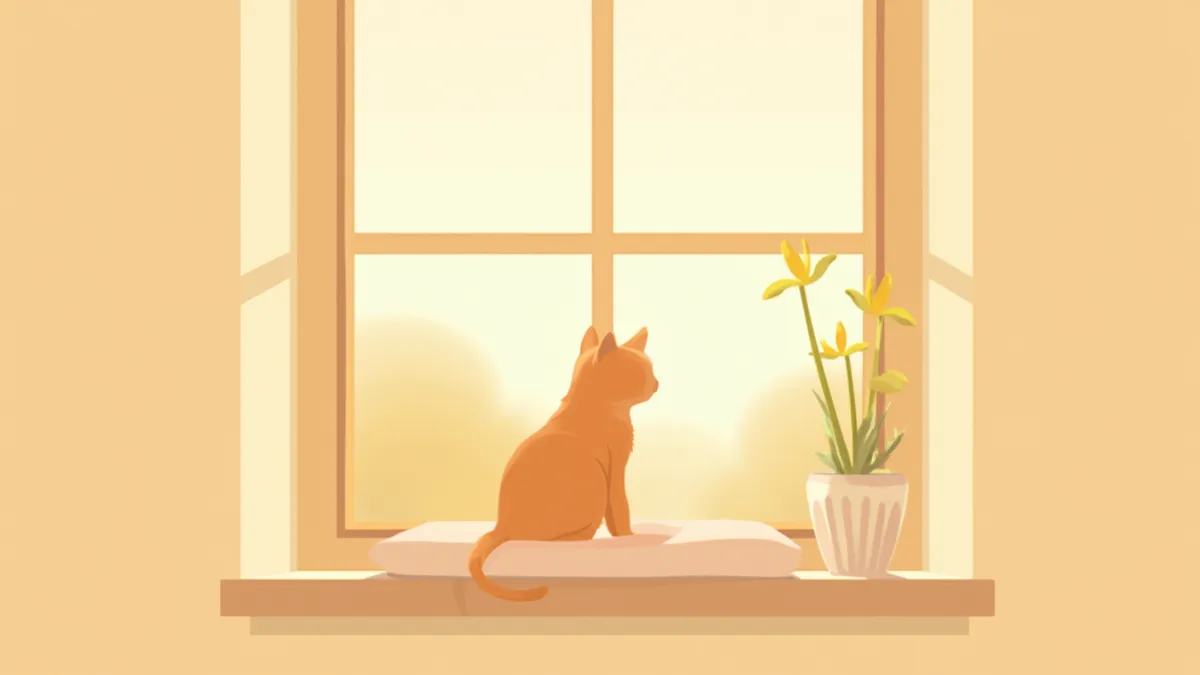
Why is a window perch important for your cat's health?
Comparison of window perch types
| Item | Suction-cup hammock | Window cat tower | Built-in shelf |
|---|---|---|---|
| Installation difficulty | Easy | Medium | Hard |
| Load support | 5–10kg | 10–15kg | 20kg or more |
| Fall risk | Medium | Low | Low |
| Sunlight proximity | Very high | High | Medium |
| Ease of cleaning | High | Medium | Low |
For cats over 5kg or multi-cat households, we recommend a cat tower or built-in type over a suction-cup hammock
5 points for creating a safe window perch
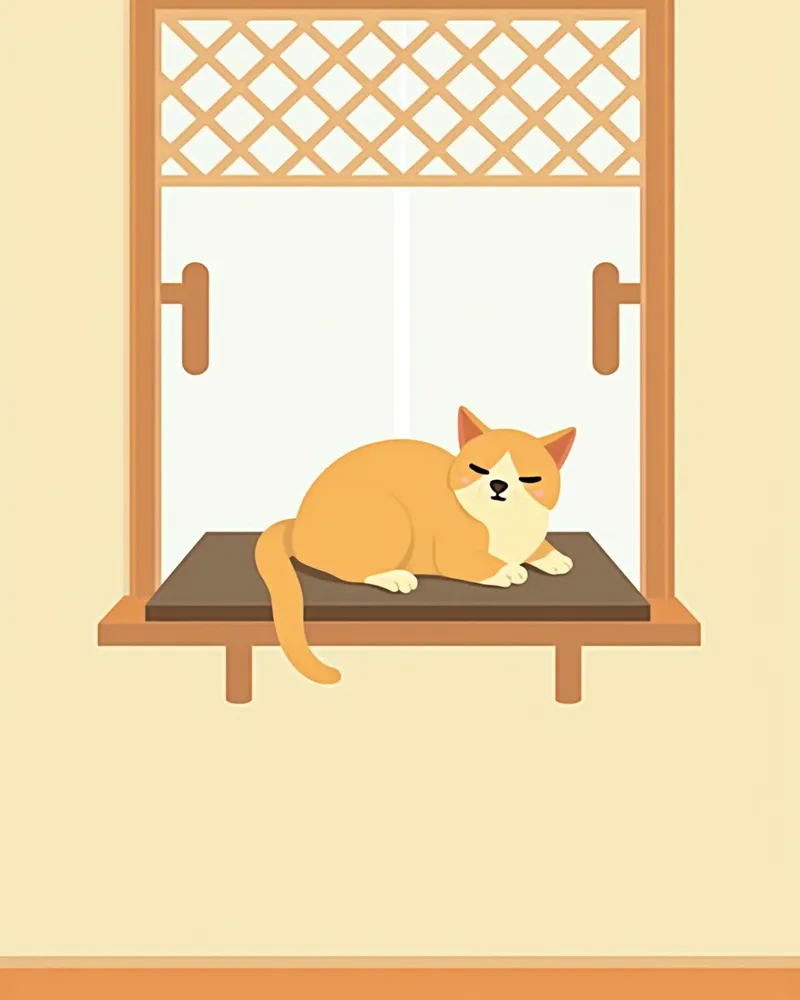
Reconsider installing a window perch in these situations
In environments where high-rise apartment windows are frequently left open, or if windows are only equipped with insect screens, it is essential to install a window perch along with a safety net and a stepped access path, especially for senior cats aged 15 or older who suffer from arthritis. Be particularly cautious of "High-rise syndrome," as falls from the second floor or higher can result in severe injuries or even death. We also recommend installing window stoppers to limit the opening angle to 10 centimeters or less.
How much sun exposure is good for immunity?
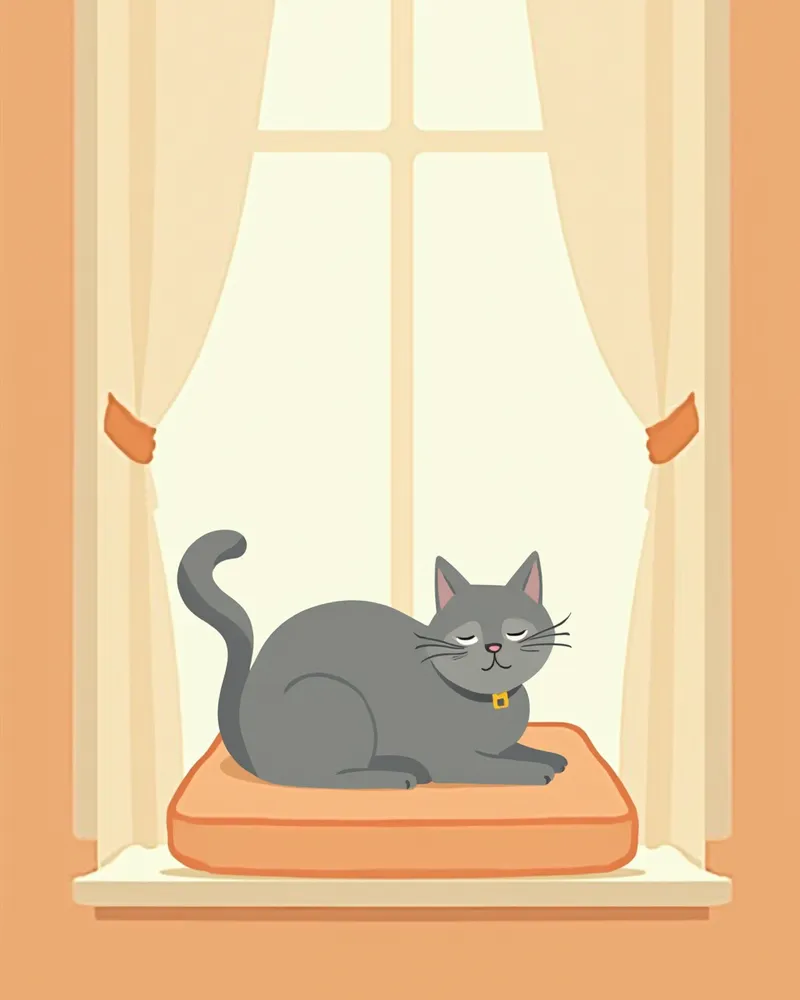
Design it this way for multi-cat households
'Accessibility' is key for senior cat window perches
Joint issues are clinically very common in senior cats. Even if pain isn’t obvious, degenerative joint changes may already be present, so jumping to reach window perches can strain their joints. Provide step or ramp-style access routes, and use memory foam platform cushions to reduce joint pressure. Enriching their environment encourages continued joint movement and stimulates mental activity, which can help maintain cognitive function. If a cat that previously enjoyed window perches suddenly avoids them, it could be a sign of joint pain. Consult your veterinarian and review joint supplements and weight management.
Reviewed by a veterinarian

Dr. Tony — Punnawat Phongkittirak
VeterinarianA veterinarian who majored in veterinary medicine at Khon Kaen University, Thailand, and completed the IVSA program at North Carolina State University in the United States. Drawing on clinical experience at animal hospitals, he works in the pet healthcare field and is dedicated to building a digital care environment that connects pet parents with veterinarians.
Reviewed 2026-04-26
Frequently Asked Questions
What kind of material is best for a window seat cushion?
Suction cup window hammocks—are they really safe?
Wouldn’t seeing birds or pigeons outside the window actually cause stress?
Won't the window seat be too cold in winter?
Share
Related Guides

Primary vs. Secondary Veterinary Hospitals: A Comparison

5 Easy-to-Raise Cat Breeds for First-Time Owners — Grooming Difficulty Comparison

Top 7 Short-Legged Dog Breeds

Basics of Auscultation at Home

Guide to Veterinary Neurology Consultations: When and How to Seek Care
Our Pet’s Dentist: General Clinic vs. Specialist — A Guide to Choosing Care
Indications for Veterinary Acupuncture (TCVM)

Comparing Implantable Microchips and External ID Tags

What Is Therapeutic Massage for Dogs and Cats? — Safe Techniques and Precautions at Home

Low-Level Laser Rehabilitation Therapy
References
[1] Little, S.E., The Cat: Clinical Medicine and Management, Saunders, 2012
[2] Rodan, I. & Heath, S., Feline Behavioral Health and Welfare, Elsevier, 2016
[3] Ellis, S.L.H. et al., AAFP and ISFM Feline Environmental Needs Guidelines, Journal of Feline Medicine and Surgery, 2013