Like
Share
멍실장
고양이 천천히 깜빡임 인사의 의미와 답하는 방법

Why Does Your Cat Slowly Blink? — How Should You Respond?

ImmunityQ&AMeongsiljang Veterinary Advisory Board

When a cat slowly blinks its eyes, it's sending a signal of trust and affection to its owner. Here's a summary of what it means and how to respond appropriately.

What Is a Cat’s Slow Blink Greeting?
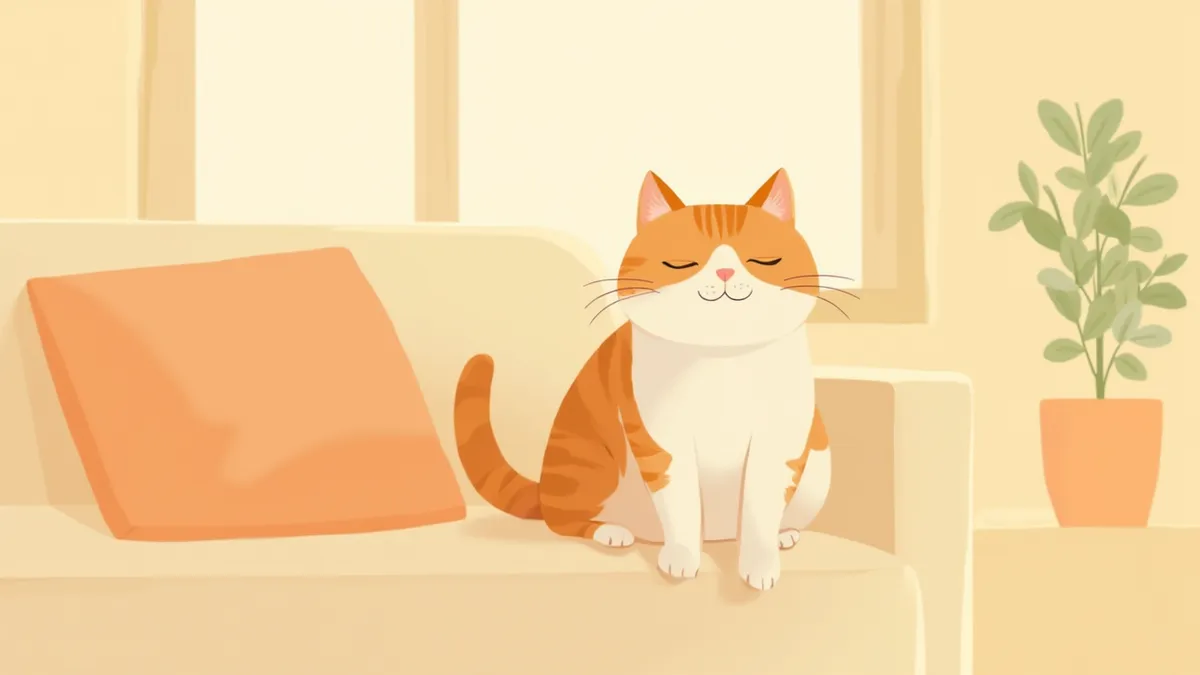
A Thai cat slowly closing its eyes toward its owner while lying on the sofa.
A slow blink in cats is an affectionate and trusting gesture, showing that they are relaxed and at ease with you. The key takeaway is that this behavior serves as a "peace signal," indicating no aggressive intent. In veterinary behavioral literature, a cat slowly blinking at another cat or its owner is classified as an "affiliative gesture." Animal behavior research supports that when owners respond by slowly blinking back, it helps strengthen the bond between them and their cat.

Why Do They Slowly Blink? The Meaning Behind the Behavior

According to veterinary behavior literature, a hard stare is perceived as a threat signal in cats. Conversely, slowly closing the eyes to narrow the field of vision is interpreted as a friendly signal indicating no aggressive intent. Domestic cats also use this method to send slow blinks to trusted humans or cohabiting animals. This behavior tends to be observed when the cat is psychologically stable and relaxed. It is important to interpret eye signals in context alongside other body language cues, such as posture, ear position, and tail direction, rather than relying on eye signals alone.

How to Distinguish a Slow Blink Greeting from Other Eye Signals
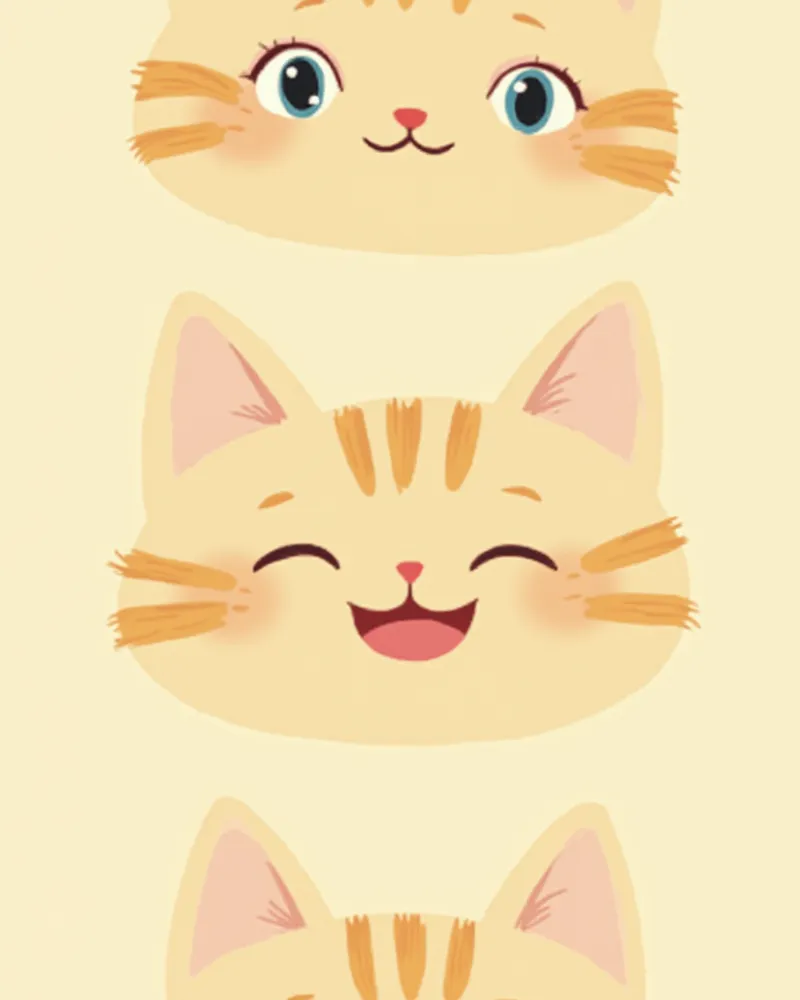
Even if it looks like your pet is blinking, the meaning can vary. Use the table below to tell the difference.
Comparison images of cat eye expressions

Comparison of Cat Eye Signals

ItemSlow blinkingSquintingDilated pupils
StateRelaxed & trustingPain & discomfortExcited & fearful
EyelidsHalf-closedSqueezed shut or narrowly openWide open
PupilsNormal to smallSmallWidely dilated
PostureRelaxedCrouchingTense & flattened
ResponseSlow-blink back at themVeterinary careReduce stimulation and give space

If pupil dilation persists for a long time or only one eye responds differently, an ophthalmology visit is needed.

The Correct Way for Owners to Respond
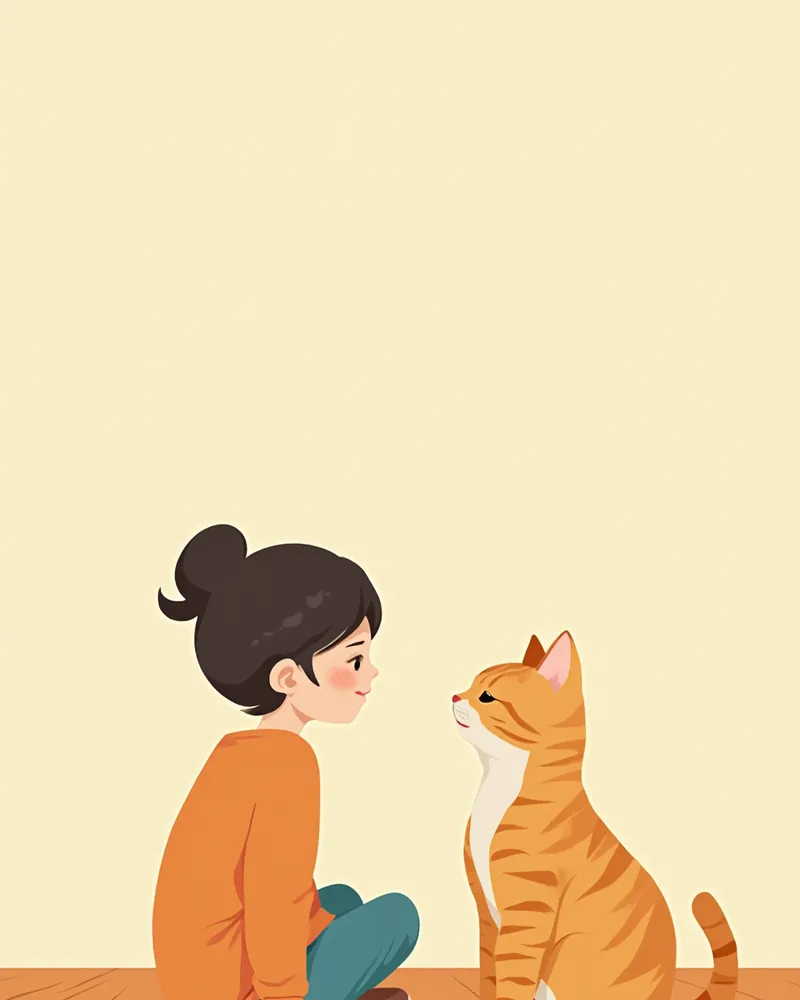
Responding to your cat’s slow blink is simple. The key is to be slow, gentle, and relaxed.
Maintain distance: Start from about 30 cm to 1 m away. Getting too close can make your cat feel uncomfortable.
Soft gaze: Avoid staring directly into their eyes. Instead, look at them with your eyes half-closed.
Blink slowly: Close and open your eyes gently over 1–2 seconds.
Don’t repeat: Respond once and then wait. Repeated blinking may overwhelm your cat.
A pet owner and cat slowly closing their eyes in mutual connection

When Slow Blinking May Be a Sign of Disease

Blinking isn’t always a greeting; it can also be a symptom of an underlying condition. If your pet repeatedly squints or closes just one eye, produces excessive tears or discharge, or frequently rubs its eyes, suspect an eye disease such as conjunctivitis, corneal ulcer, or uveitis. In particular, corneal ulcers and uveitis are often painful and may indicate serious underlying causes, manifesting as narrowed eyes or a squinting expression. Additionally, inadequate blinking can lead to dryness and damage to the cornea. If these symptoms persist or worsen, please seek veterinary care promptly.

How to Encourage More Slow Blink Greetings

Trust isn’t built overnight. Consistent care of your cat’s living environment is the most effective way to encourage more frequent blinks—a sign of comfort and affection.
Predictable daily routine: Keep meal, play, and rest times consistent to help reduce anxiety.
Safe hiding spots: Provide elevated areas and enclosed spaces where your cat can feel secure.
Speak softly: Loud noises and sudden movements can increase stress and wariness.
Avoid forced physical contact: If your cat resists being picked up or having their face touched, give them space.
Playtime: Engage in 10–15 minutes of interactive hunting-style play each day to help relieve stress.

Differences in Blinking Frequency by Age and Breed
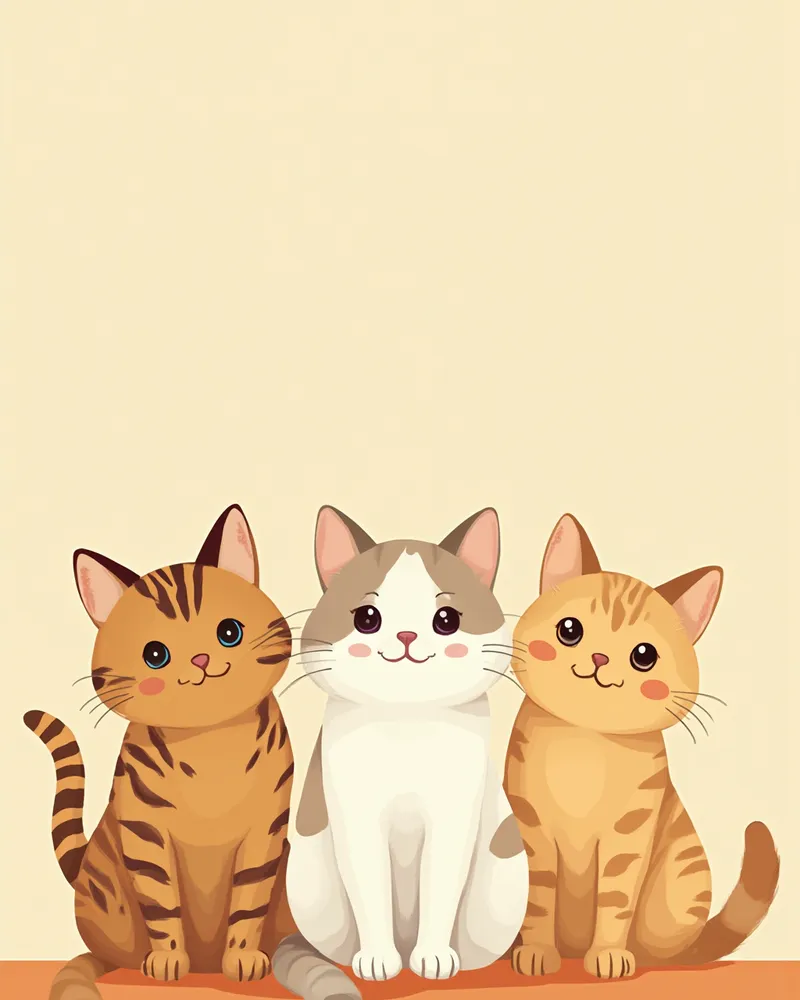
Kittens are naturally curious and tend to spend a lot of time exploring with their eyes wide open. As they grow and build trust with their caregivers, they gradually begin to blink more often. Blinking patterns can vary depending on breed and individual temperament, as well as activity levels. Cats that are more active or independent may blink less frequently, but this simply reflects their unique personality—not a lack of affection.
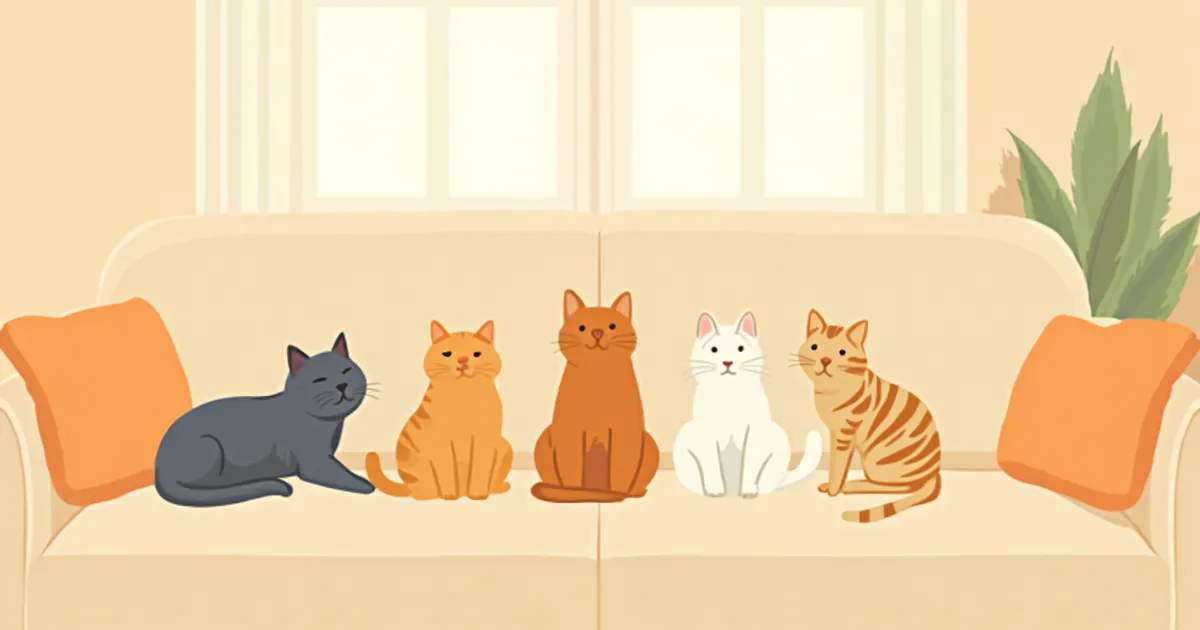
Persian, Ragdoll, and Bengal cats sitting together in the living room

What If the Blinking Suddenly Stops?

If your cat, who usually greets you with blinks, suddenly avoids eye contact or hides in corners, it may be a sign of stress, pain, or illness. First, check if there have been any environmental changes, such as moving, adding a new family member or pet, or visiting the vet. If these behavioral changes persist without any obvious environmental triggers, it’s a good idea to consult your veterinarian or schedule a health checkup.

Reviewed by a veterinarian

Dr. Tony — Punnawat Phongkittirak

Dr. Tony — Punnawat Phongkittirak

Veterinarian

A veterinarian who majored in veterinary medicine at Khon Kaen University, Thailand, and completed the IVSA program at North Carolina State University in the United States. Drawing on clinical experience at animal hospitals, he works in the pet healthcare field and is dedicated to building a digital care environment that connects pet parents with veterinarians.

Frequently Asked Questions

My cat doesn’t blink back at me. Does that mean they don’t like me?
The trust bond may not yet be strong enough, or the timing might simply be off. Rather than forcing the issue, try again in a calm, relaxed setting. As you build trust through consistent interaction and a stable home environment, your pet will gradually begin to respond.
One eye slowly closes. Is it winking?
If your pet repeatedly rubs just one eye, especially with tearing or discharge, it may indicate corneal damage or conjunctivitis. This could be a sign of pain rather than affection, so please consult a veterinarian.
Do baby cats also greet with a slow blink?
Kittens are naturally curious about their surroundings, so they often keep their eyes wide open while exploring. As they grow and build trust with their caregivers, gradual blinking may start to appear. Rather than beginning at a specific age, this behavior varies depending on each kitten’s individual development and environment.
My cat sleeps with its eyes half-open. Is this normal?
Cats may doze lightly with only their third eyelid (nictitating membrane) lowered, a state known as light sleep. This is a normal behavior that allows them to rest while remaining aware of their surroundings. If your cat opens its eyes normally upon waking, there’s no cause for concern.
If you have multiple cats, one of them may be showing signs of blinking.
Cats form individual bonds with each other. If your cat slowly blinks at a specific cat, it means they trust that cat more. With other cats, try building relationships over time through play and treats.

Share

Related Guides

References

[1] Turner DC, Bateson P, The Domestic Cat: The Biology of its Behaviour, 3rd Edition, Cambridge University Press, 2014

[2] Humphrey T et al., The role of cat eye narrowing movements in cat-human communication, Scientific Reports, 2020

[3] Rodan I, Heath S, Feline Behavioral Health and Welfare, Elsevier, 2016

This information is based on veterinary literature and does not replace diagnosis or treatment. Please consult a veterinarian for specific health concerns.

Metapet Co., Ltd. | CEO: Park Sung-yong | Business Reg. No. 417-88-02562 | Seoul, South Korea | Customer Center

Why Do Cats Slow Blink? How to Respond | Meongsiljang