Like
Share
멍실장
강아지 광견병 예방접종 자주 묻는 질문 Q&A — 보호자가 꼭 알아야 할 핵심

Frequently Asked Questions About Puppy Rabies Vaccination — Key Information Every Owner Must Know

Lifestyle & Age CareQ&AMeongsiljang Veterinary Advisory Board

Rabies vaccination for dogs is both a legal requirement and a crucial preventive measure to protect their lives. Here’s a summary of the key information that pet owners should know.

Rabies Vaccination for Puppies Is a Mandatory Legal Requirement

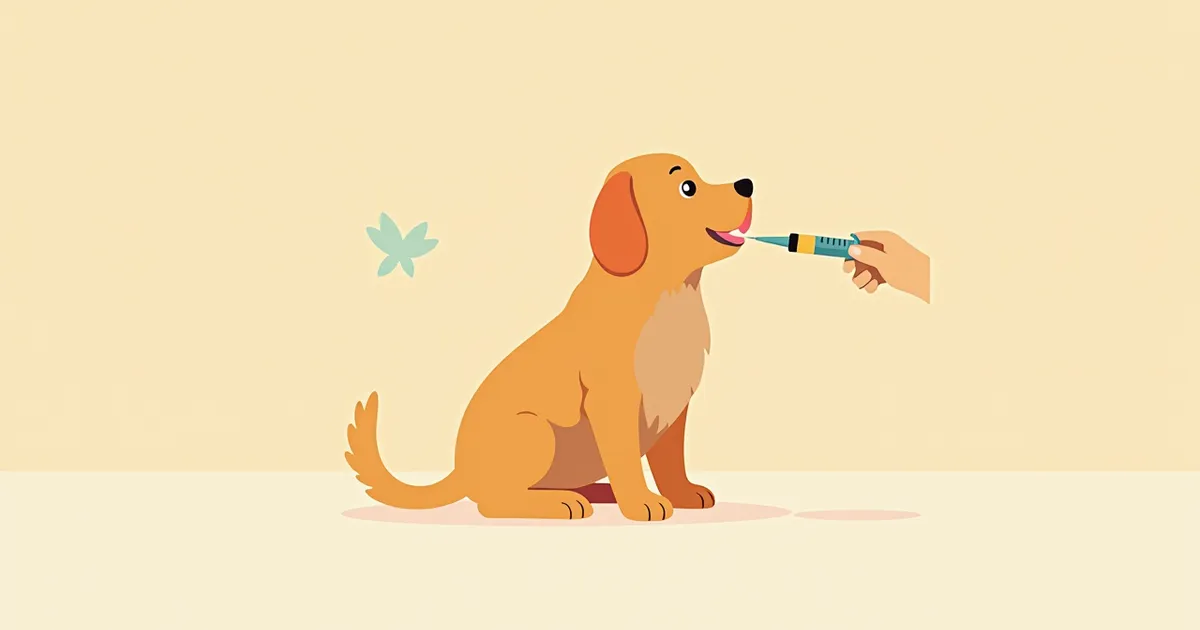
A puppy wearing a rabies vaccination certificate tag
Rabies vaccination is a vital measure to protect your dog’s life and a legal requirement that must be fulfilled. All puppies should receive their first rabies vaccine after 12 weeks of age, followed by regular booster shots. This is not only crucial for your pet’s health but also essential for safeguarding the entire community. - Legal Requirement: Rabies vaccination is mandated by animal protection laws, and failure to comply may result in fines. - Immune Protection: Immune response begins within a few days after the initial vaccination, and regular boosters help maintain this protection. - Regular Care: Vaccination schedules can vary depending on national and local regulations, so it’s important to work with your veterinarian to create a personalized care plan. Always consult your vet to establish a tailored prevention strategy.

The Core Purpose of Rabies Vaccination Is to Protect Life
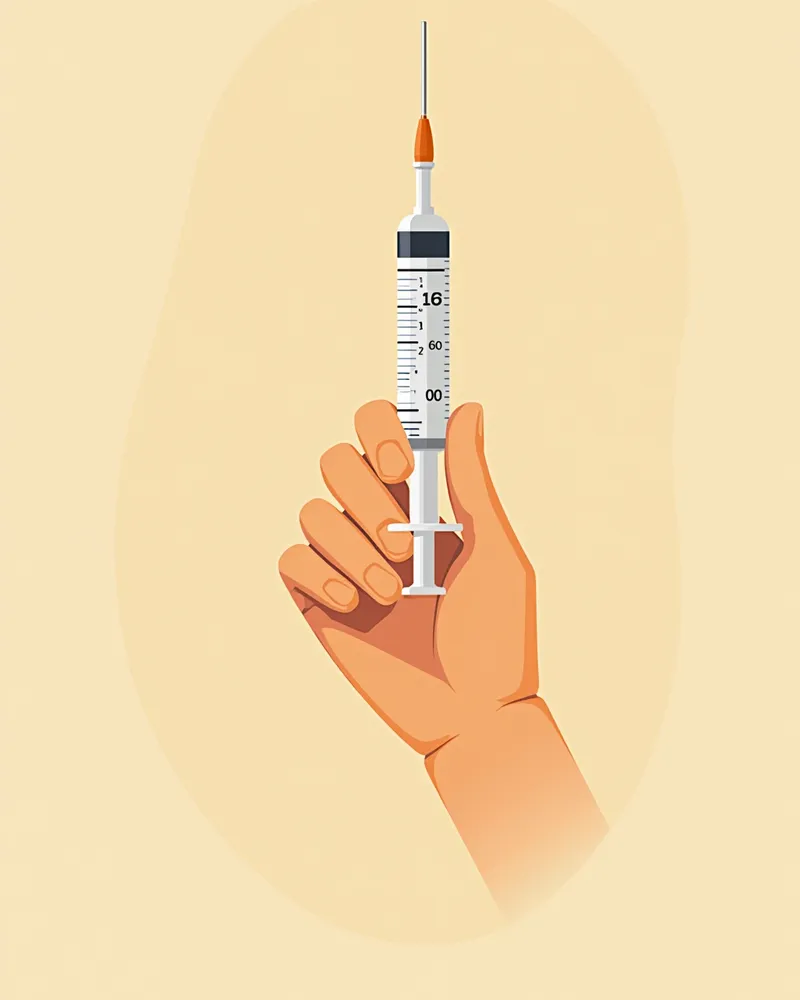
Rabies is a fatal viral disease that affects both humans and animals, with a mortality rate of nearly 100% once infected. Vaccination is the only way to overcome this risk. - Preventive Effect: Vaccination activates your dog’s immune system, significantly reducing the risk of infection. - Social Responsibility: Since rabies can be transmitted to humans, vaccination is not only a pet owner’s responsibility but also an act of safeguarding community safety. - Long-Term Protection: Regular booster shots help maintain lasting immunity, though the schedule may vary depending on national and local regulations. - Vaccination Timing: It is generally recommended to begin the first vaccination after 12 weeks of age. - Veterinary Advice: Consult your veterinarian to develop a prevention plan tailored to your pet’s individual needs.
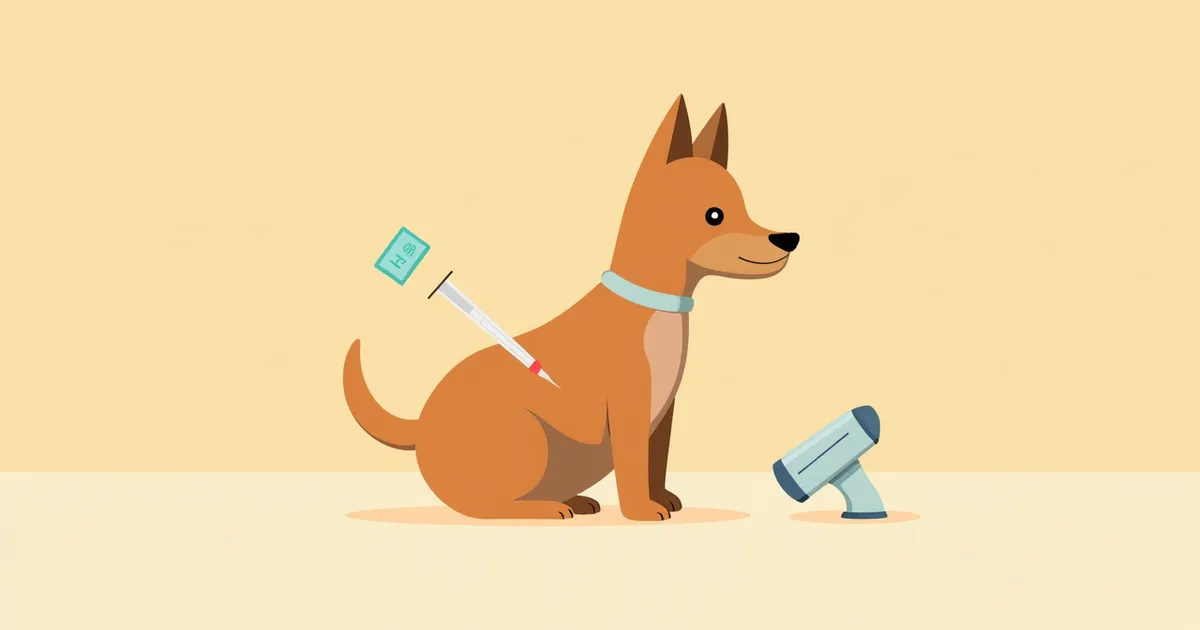
A veterinarian holding a rabies vaccine syringe and vial.

The First Vaccination Should Be Administered After 12 Weeks of Age

The first rabies vaccination is generally recommended at 12 weeks of age (about 3 months). This is the legally mandated minimum age for vaccination and also the time when interference from maternal antibodies is minimized. - Impact of maternal antibodies: Vaccinating too early can allow maternal antibodies to interfere with the vaccine’s effectiveness, making 12 weeks or later a more reliable timeframe. - Vaccination schedule: A booster is typically given one year after the initial dose, and subsequent intervals may vary depending on the vaccine product and local regulations. - Individual differences: Your veterinarian will recommend the optimal timing based on your puppy’s health status and environment. - Starting prevention: Vaccinating at the right time is the first step toward effective immunity. - Consultation is essential: It’s important to discuss with your veterinarian to create a tailored vaccination plan.
A small scar near a puppy’s nose after a vaccination injection

Main Types and Characteristics of Rabies Vaccines
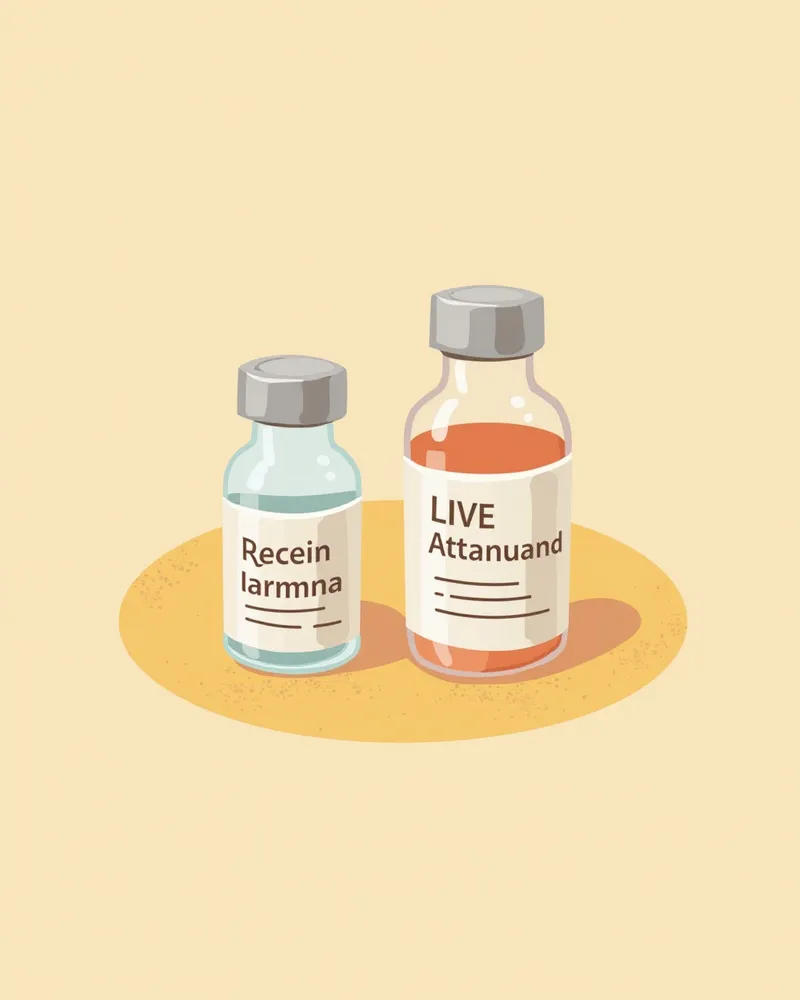
Most canine rabies vaccines are inactivated (killed-virus) vaccines. Live-attenuated rabies vaccines are not used for pet vaccinations. - Inactivated vaccines: These are the standard for canine rabies vaccination. They are available in 1-year and 3-year formulations and typically contain an adjuvant. - Recombinant vaccines: Recombinant rabies vaccines using canarypox virus as a vector are also available, but they are primarily used for cats. Dogs are usually given inactivated vaccines. - Selection criteria: Your veterinarian will recommend the appropriate vaccine product and schedule based on your dog’s health status, living environment, medical history, and local regulations. - Post-vaccination care: Booster schedules and care instructions may vary depending on the vaccine product and its duration of immunity (1-year or 3-year). - Professional guidance: Always select and administer vaccines under the guidance of a veterinarian.
Two vials: one recombinant vaccine and one live attenuated vaccine

Comparison of Key Information by Vaccination Stage

ItemTimingNumber of VaccinationsBooster Shot IntervalPrecautions
First VaccinationAfter 12 weeks of ageOnceAfter 1 yearAvoid interference from maternal antibodies
First Booster Shot1 year after the first vaccinationOnceVaccination interval adjustment needed (check national/regional regulations)Vaccination record required
Second and BeyondDetermined by region and regulationsOnceDetermined by region and regulationsCheck regional regulations

Vaccination intervals may vary depending on national and regional regulations. Check regularly with your veterinarian.

Precautions After Rabies Vaccination

It is important to closely monitor your puppy’s condition within 24 hours after vaccination. - Temporary reactions: Some dogs may experience swelling at the injection site or a mild fever. These symptoms typically resolve within 1 to 2 days. - Severe reactions: If your dog develops a high fever, vomiting, difficulty breathing, or seizures, contact your veterinarian immediately. - Observation required: Carefully observe your puppy’s condition throughout the 24 hours following vaccination. - Veterinary consultation: If any unusual symptoms persist, consult your veterinarian for further evaluation and appropriate care. - Responsibility in prevention: Post-vaccination care is the final step in disease prevention, so it should never be overlooked.
A dog resting comfortably after vaccination

Legal Penalties and Increased Risks from Delaying Vaccination

Rabies vaccination is legally required, so failing to keep up with it can result in fines or other administrative penalties. It also increases the risk of infection, potentially endangering not only your dog but also people and other animals around them. Be sure to complete all scheduled vaccinations on time.

Effectiveness and Duration of Rabies Vaccination
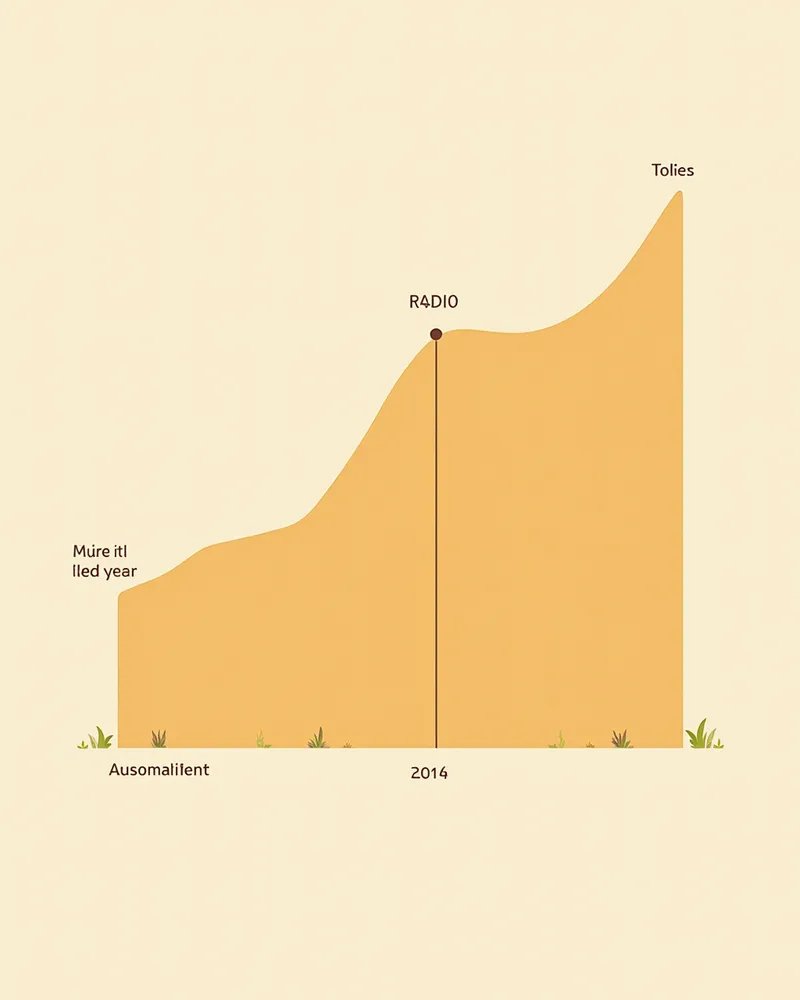
Puppies that receive regular rabies vaccinations can maintain long-lasting immunity. - Immunity Development: The immune response begins within a few days after vaccination, and booster shots help sustain protection. - Duration of Protection: Vaccination schedules vary by country and local regulations, with intervals of either one or three years. - Legal Requirements: Some regions legally require three-year vaccination cycles, so it’s essential to follow local guidelines. - Importance of Prevention: Since rabies is fatal, prevention is the most critical measure. - Regular Care: Consult your veterinarian to keep up with scheduled vaccinations. - Social Responsibility: This practice not only safeguards your dog’s health but also protects the safety of people and other animals around you.
Graph of immune response changes after rabies vaccination

Reviewed by a veterinarian

Dr. Tony — Punnawat Phongkittirak

Dr. Tony — Punnawat Phongkittirak

Veterinarian

A veterinarian who majored in veterinary medicine at Khon Kaen University, Thailand, and completed the IVSA program at North Carolina State University in the United States. Drawing on clinical experience at animal hospitals, he works in the pet healthcare field and is dedicated to building a digital care environment that connects pet parents with veterinarians.

Frequently Asked Questions

When should I first get my pet vaccinated against rabies?
Puppies are generally recommended to receive their first rabies vaccination after 12 weeks of age. This is the legal minimum age for vaccination and a time when interference from maternal antibodies has decreased, allowing the vaccine to be more effective.
Do rabies vaccines need to be administered repeatedly?
Yes, the rabies vaccine typically requires a booster shot one year after the initial vaccination. After that, the schedule may vary depending on the product (1-year or 3-year formulation) and local or national regulations. Please consult with your veterinarian to create an appropriate vaccination plan.
What should I do if my pet experiences side effects after vaccination?
Mild side effects, such as lethargy, swelling at the injection site, or a low-grade fever, typically resolve within a few days after vaccination. However, if your pet exhibits severe reactions like high fever, vomiting, or difficulty breathing, contact your veterinarian immediately.
What problems can occur if you don’t get a rabies vaccination?
Beyond legal penalties, your dog faces a higher risk of infection, and if infected, can transmit the disease to people. This poses a threat to the safety of the entire community. It is essential to ensure your dog completes all required vaccinations.
Which rabies vaccine is the best?
Most canine rabies vaccines are inactivated (killed-virus) vaccines, available in one-year and three-year formulations. Recombinant vaccines are primarily used for cats. Your veterinarian will recommend the most suitable vaccine based on your pet’s individual circumstances and local regulations.

Share

Related Guides

References

This information is based on veterinary literature and does not replace diagnosis or treatment. Please consult a veterinarian for specific health concerns.

Metapet Co., Ltd. | CEO: Park Sung-yong | Business Reg. No. 417-88-02562 | Seoul, South Korea | Customer Center

Dog Rabies Vaccination: 5 Frequently Asked Questions | Meongsiljang